Quick answer
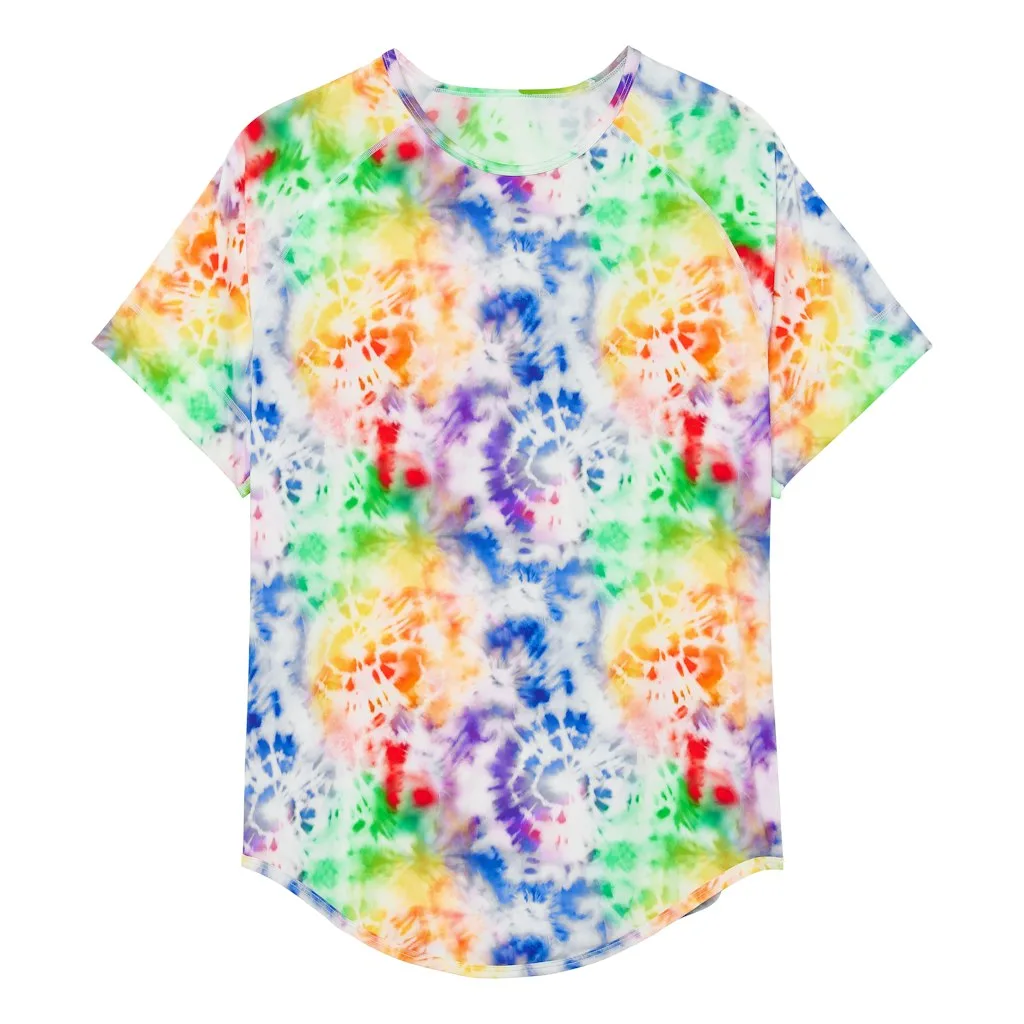
Choose a t-shirt when you want shoulder coverage, sun protection, and a sporty fitted look; choose a tank top when you want maximum airflow and the least fabric against your skin. For most warm days, a lightweight, stretchy tee like the HOM Sexy Fun Tee-Shirt Crew Neck is the more versatile pick, while a tank is better for peak heat, the beach, or layering under an open shirt.
The t-shirt vs tank top decision usually comes down to how much coverage you want against how much airflow you need. Both can be breathable, but they solve different problems: a tee covers the shoulders and upper back, while a tank exposes them and lets heat escape faster.
Fit and fabric matter more than the silhouette. A close-fitting microfiber tee and a loose cotton tank will feel completely different at 90°F, even though both are technically warm weather tops. This comparison uses the HOM pieces we actually carry to show where each style wins and where it falls short.
Coverage and sun exposure
A t-shirt covers your shoulders, upper back, and often part of the upper arm, which reduces direct sun on those areas. That makes it the better choice for long walks, outdoor lunches, or any day when you will be in and out of the sun and do not want to reapply sunscreen constantly. A tank top leaves those zones exposed, so it is cooler but requires more sun care.
The HOM Sexy Fun Tee-Shirt Crew Neck has a close-fitting cut and a crew neck, so it stays put without feeling loose or billowy. That coverage is useful when you want a sporty look that works for errands and casual meetups, not just the beach.
- Pick a tee if you burn easily on the shoulders or want one less thing to think about outdoors.
- Pick a tank if you are mostly in shade, indoors, or near water and want maximum airflow.
Breathability and fabric feel
Breathability depends on the fabric and the fit, not just the cut. The Sexy Fun tee is made from lightweight, soft, and stretchy microfiber, so it moves with you and does not cling heavily when you sweat. A tank in a similar fabric will feel airier because there is less material, but a tank in a heavy cotton can actually feel hotter than a well-made tee.
If you want the coolest possible option, look for a tank in a thin, quick-drying fabric. If you want one top that handles a range of warm-weather situations, a lightweight tee is the safer bet because it works for more settings and layers easily under an open button-down.
- Microfiber and technical blends tend to dry faster than heavy cotton.
- A relaxed tank moves more air; a fitted tee manages sweat better against the skin.
Fit and silhouette
Tees and tanks sit differently on the body. The Sexy Fun tee has a close-fitting cut that gives it a sporty look, so it works well when you want a defined shape without being tight. Tanks typically have a looser armhole and shoulder line, which can feel freer but also exposes more of the chest and back.
If you are between sizes or prefer a relaxed fit, size up in either style. If you want the top to stay in place during activity, choose the closer fit. The right call depends on whether you prioritize freedom of movement or a clean, held-in silhouette.
- A fitted tee reads more polished; a tank reads more casual and beach-ready.
- Check armhole depth on tanks if you do not want your chest or sides exposed.
Layering and versatility
A t-shirt is the more versatile warm weather top because it layers cleanly under an open shirt, a light overshirt, or a zip-up for cooler evenings. A tank is harder to layer without visible straps and usually works best as a standalone piece or under a very open outer layer.
For travel or a small wardrobe, one well-fitting tee can cover more situations than one tank. If your summer is mostly hot and you spend a lot of time outdoors or near water, a tank earns its place. If your days mix indoors, outdoors, and air-conditioned spaces, the tee is easier to live in.
- Tees layer under almost anything; tanks are best worn alone or under open shirts.
- For a two-piece warm weather rotation, one tee and one tank covers more ground than two of either.
Trade-offs at a glance
- Coverage vs. airflow: A tee covers shoulders and upper back but traps a bit more heat; a tank exposes skin for maximum airflow but needs more sunscreen. Choose based on how much time you will spend in direct sun.
- Fabric vs. cut: The Sexy Fun tee's lightweight microfiber and close fit manage sweat and movement; a tank in a similar fabric feels airier but offers less structure. Fabric quality can matter more than whether you pick a tee or a tank.
- Versatility vs. simplicity: A tee layers under open shirts and works indoors and outdoors; a tank is simpler and cooler but harder to layer. If you want one top for most warm days, start with the tee.
HOM tops compared
- Sexy Fun Tee-Shirt Crew Neck | Multico Print 463043-P023: Lightweight, soft, and stretchy microfiber with a rainbow tie-dye pattern and a close-fitting cut. The stretch and close fit keep the tee comfortable and sporty, while the print makes it a standalone warm weather top rather than a plain basic.
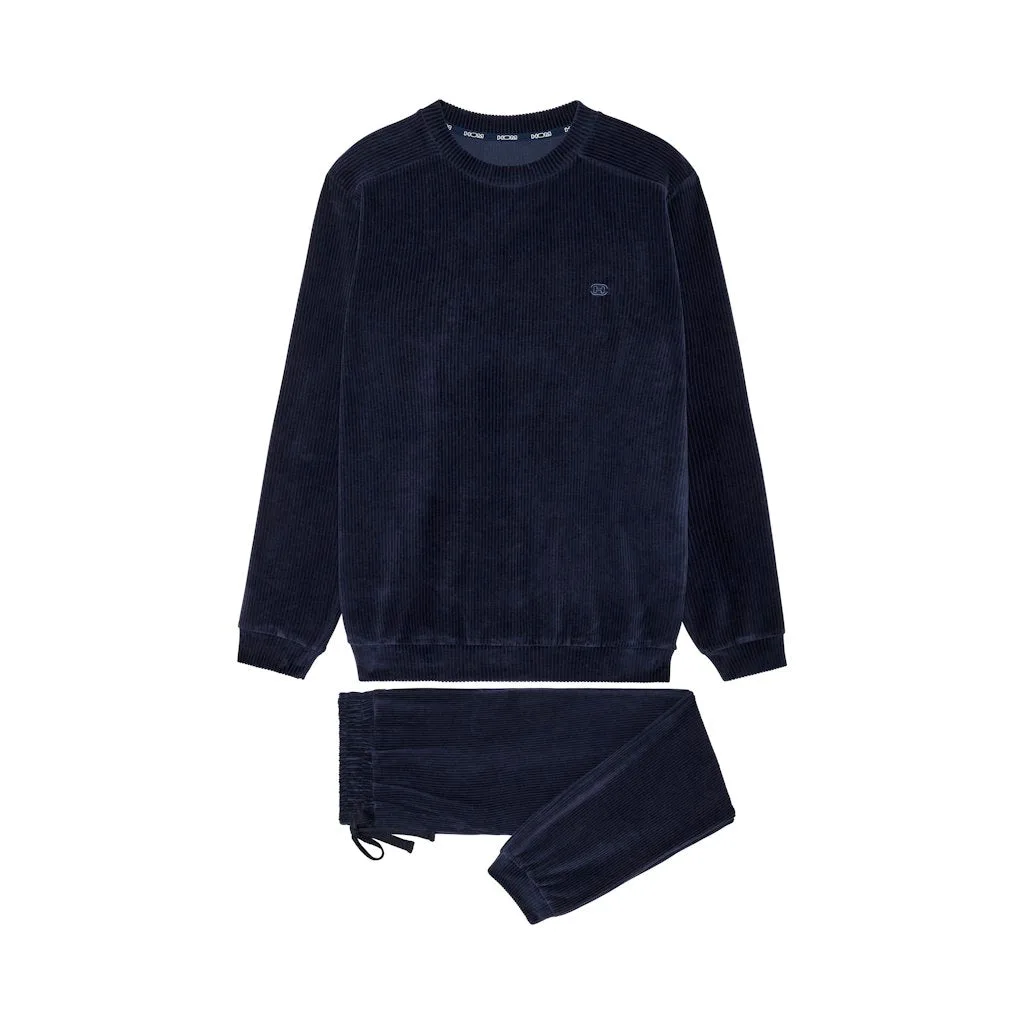
- Ronnie Homewear | Navy 402823-00RA: Long corduroy pajamas described as chic, soft, and modern loungewear with an impeccable cut and meticulous finishing. Not a warm weather top, but a useful reminder that HOM's loungewear leans toward structured, polished pieces; if you want a relaxed tank-style layer, this is not it.
Which should you choose?
Best for
- Anyone who wants shoulder coverage and sun protection on warm days
- A versatile top that layers under an open shirt or light jacket
- A sporty, close-fitting look for errands, travel, or casual meetups
Not for
- Peak heat when you want the least fabric possible against your skin
- Beach or pool days where you plan to be in and out of the water
- Anyone who dislikes the feel of a fitted crew neck
There is no single winner in the t-shirt vs tank top debate, but there is a right first pick for most people: a lightweight, well-fitting tee like the HOM Sexy Fun Tee-Shirt Crew Neck handles more warm weather situations. Add a tank when you want maximum airflow for the hottest days, and you will cover the full range of summer conditions.