Quick answer
A table knife is your everyday companion for butter, soft vegetables, and casual meals, while a steak knife is built for cutting through meat with a sharp, serrated edge. Choose based on what you serve most often.
Blade design and edge sharpness
A table knife typically has a smooth, slightly serrated or scalloped blade that handles soft foods like butter, bread, and cooked vegetables without tearing. Its edge is designed for general dining, not heavy cutting.
A steak knife, by contrast, uses a pronounced serrated or straight razor-sharp edge to slice through cooked meat fibers cleanly. The aggressive blade reduces the force you need and prevents the meat from shredding.
If you regularly serve steak, pork chops, or thick roasts, a dedicated steak knife makes a noticeable difference. For everyday meals like pasta, fish, or salads, a table knife is perfectly sufficient.
Material and weight feel
Both knife types are often made from stainless steel, but steak knives tend to be heavier and have thicker spines to withstand the torque of cutting dense protein. Table knives are lighter and more nimble for spreading and general use.
The weight difference matters if you care about table balance. Some diners prefer the heft of a steak knife for confidence while cutting; others find a lighter table knife more comfortable for extended meals.
Versatility vs specialization
A table knife is a true multipurpose tool. You can use it for butter, jam, soft cheese, and even as a spreader. It works across breakfast, lunch, and dinner without switching utensils.
A steak knife is specialized: it excels at cutting meat but feels awkward for spreading butter or slicing a dinner roll. If your menu is heavy on steaks and chops, the specialization pays off. For varied home cooking, a table knife is more practical day to day.
Table knife vs steak knife: trade-offs at a glance
- Edge type: Table knife: smooth or lightly scalloped edge ideal for soft foods. Steak knife: sharp serrated or straight edge for cutting meat. Choose a steak knife if you serve meat that requires sawing; stick with a table knife for general dining.
- Weight and feel: Table knife: lighter, more nimble for spreading and casual use. Steak knife: heavier, thicker spine for torque when cutting dense protein. Test the weight in hand. If you dislike heavy utensils, a table knife may suit you better even with steak.
- Daily use range: Table knife: works for breakfast, lunch, dinner, and snacks. Steak knife: specialized for meat courses only. If you cook varied meals, a table knife is more versatile. If steak is a weekly staple, invest in steak knives.
Product facts
-
Table Knife (each): Our classic flatware has won rave reviews from table-setting connoisseurs as well as folks who've 'never felt this way about flatware.' This table knife is designed to feel special in everyday use, proving that a well-made knife can elevate simple meals without needing a specialized steak knife.
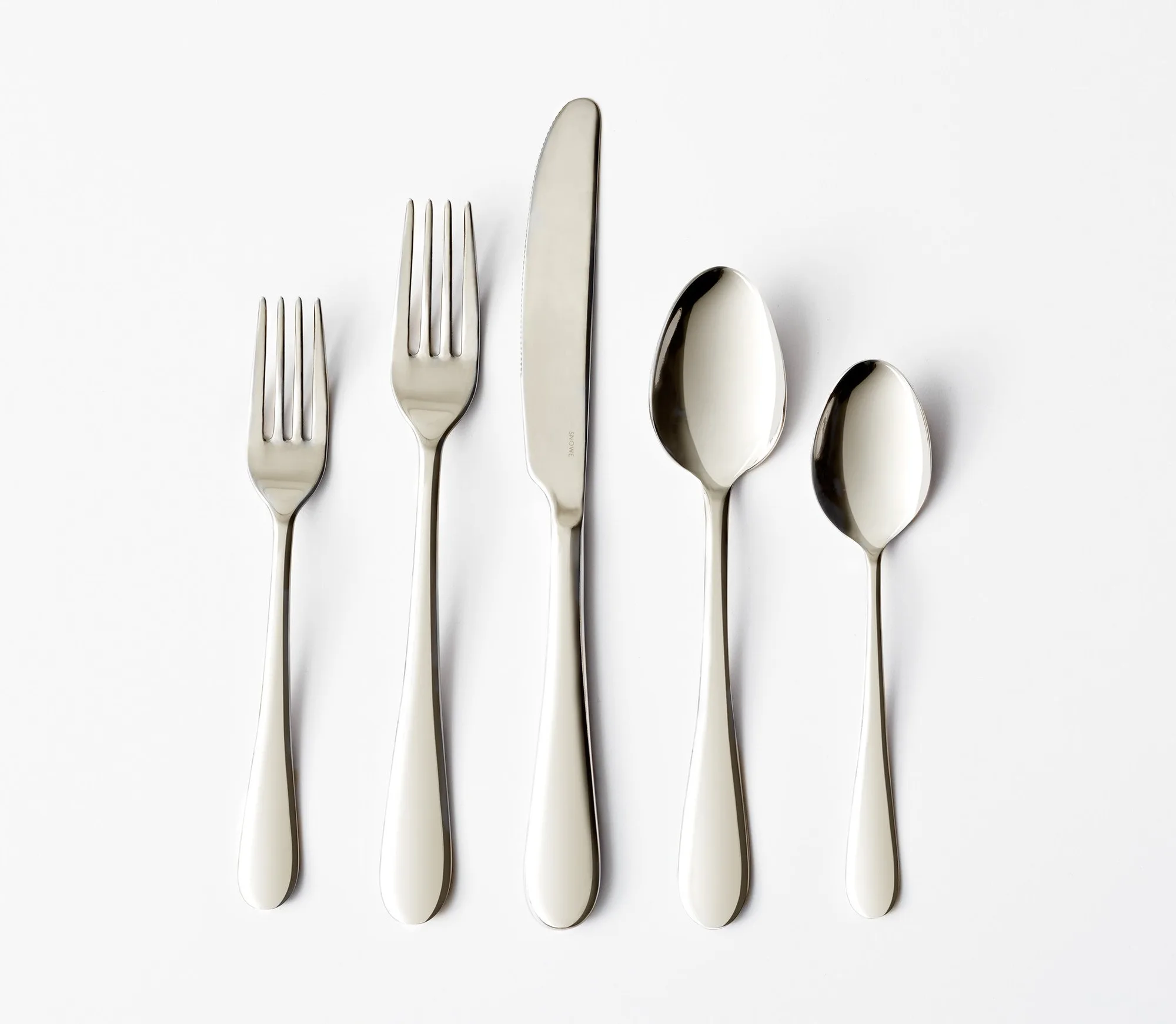
Table Knife (each)
Which knife fits your table?
Best for
- Everyday home cooks who serve a mix of pasta, fish, vegetables, and the occasional steak
- Hosts setting a formal table where a single knife style keeps the look uniform
Not for
- Households that serve steak or thick chops several times a week and want clean, effortless cuts every time