A practical routine for a tactical leash
A tactical dog leash is built for working dogs, training, and outdoor adventures, but it still needs regular attention to stay reliable. The exact materials and construction of your leash aren't specified in the product information we have, so this guide focuses on general care steps that apply to most durable leashes. Use your own judgment and check the leash before each use.
The routine covers three things: cleaning after dirty or wet outings, storing the leash so it doesn't tangle or degrade, and inspecting it for wear that could compromise safety. None of these steps require special tools, and they take only a few minutes.
How to clean a tactical dog leash
Clean your leash when it gets muddy, salty, or visibly dirty. These steps are general guidance; the product information does not include manufacturer cleaning instructions, so test any method on a small area first.
- Brush off loose dirt: Before wetting the leash, use a soft brush or cloth to remove dried mud, sand, and debris. This prevents grinding particles into the material during washing.
- Wash with mild soap and water: Use a damp cloth or sponge with mild soap and lukewarm water. Wipe down the entire leash, including the handle and any metal hardware. Avoid harsh chemicals or bleach, which can weaken materials.
- Rinse and wipe dry: Wipe with a clean damp cloth to remove soap residue, then dry with a towel. Do not soak the leash or leave it wet, as moisture can affect the material and hardware over time.
- Air dry completely: Hang the leash in a shaded, well-ventilated area until fully dry. Avoid direct sunlight or heat sources, which can fade colors and degrade synthetic materials.
Dog leash storage tips for longer life
How you store your leash between walks affects its lifespan. Proper storage prevents tangles, reduces stress on hardware, and keeps the leash ready for the next outing.
After cleaning or a wet walk, make sure the leash is completely dry before storing. Hang it loosely by the handle on a hook or peg in a dry, shaded spot. Avoid coiling it tightly around the handle or stuffing it into a damp bag, which can create kinks and trap moisture. If you need to pack it for travel, loop it loosely and secure it with a strap or carabiner. Keep the leash away from direct sunlight, extreme heat, and chemicals like gasoline or bleach, which can weaken the material.
Dog leash wear inspection: what to check
Inspect your leash before and after every walk. Look for these signs of wear that may indicate it's time to replace the leash.
- Fraying or cuts in the webbing: Check the length of the leash for frayed edges, deep cuts, or thinning spots. Even small cuts can grow under load.
- Loose or damaged stitching: Inspect seams where the handle and clip are attached. Broken or loose stitching weakens the connection points.
- Hardware function: Test the clip or buckle to ensure it opens and closes smoothly and locks securely. Look for cracks, bent parts, or excessive rust.
- Stiffness or discoloration: Material that has become stiff, brittle, or heavily discolored may be degrading. Compare against a new leash if unsure.
The leash this routine supports
-
Tactical Dog Leashes: Tactical Dog Leashes are described as durable and adjustable, and are intended for working dogs, training, or outdoor adventures. These traits mean the leash is likely exposed to dirt, moisture, and stress, making the cleaning, storage, and inspection steps above especially relevant.
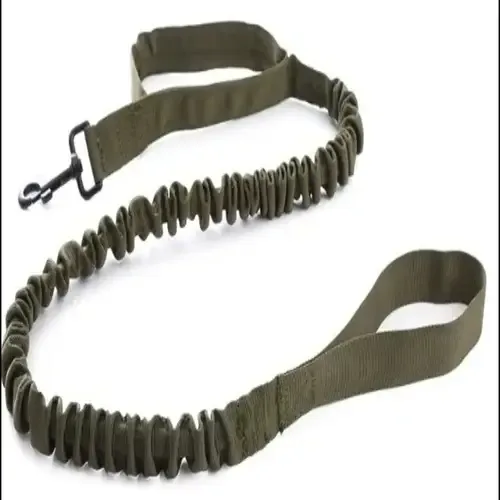
Tactical Dog Leashes
When to replace a dog leash
Replace the leash if you find any structural damage: deep cuts, frayed webbing that reduces strength, broken stitching, or a clip that no longer locks securely. Also replace if the material feels brittle or has lost its flexibility. When in doubt, err on the side of safety—a failed leash can put your dog at risk. Regular inspection helps you catch problems early, but do not attempt to repair structural damage with tape or glue. The product information for Tactical Dog Leashes does not specify a lifespan, so base your decision on condition rather than age.