Quick Answer
Match the light to the job first: a compact aluminum EDC light with multiple modes covers daily carry and emergencies, while a larger, higher-output model suits camping or vehicle use. Prioritize mode layout and beam distance over raw lumen numbers, then confirm the mount or carry method before you buy.
Why Lumen Counts Alone Won't Pick the Right Light
Lumens measure total light output, but they do not tell you how far the beam reaches or how wide it spreads. A flood-heavy light with high lumens can light up a campsite but struggle to identify something at distance. A tighter beam concentrates that output into a narrower, longer throw.
Beam distance is the more useful spec for search, signaling, or identifying objects at range. If a product page lists lumens but not beam distance, treat that as a decision limitation: you can still compare modes and build quality, but you cannot reliably judge reach. Ask for the distance figure or choose a model that publishes it.
Mode Layout: The Spec That Decides Daily Usability
Multiple lighting modes are only useful if you can reach the one you need without cycling through the rest. For an EDC tactical flashlight, a predictable sequence matters more than having eight modes. Look for a clear primary output, a low or moonlight setting for close work, and a strobe only if you actually train with it.
A light that always starts on its highest setting can blind you during a midnight tent check. A light that always starts low may be too slow in an emergency. Decide which scenario you are more likely to face, then pick the mode memory that matches it.
- EDC and travel: prefer a light that starts low or remembers your last used mode.
- Emergency and defense: prefer instant access to a high or strobe mode.
- Camping and hiking: prioritize a usable low mode and long runtime over peak output.
Mount Types and Carry Methods
Tactical flashlight mount types fall into a few practical categories: pocket clips, belt or pouch holsters, MOLLE-compatible attachments, and rail mounts. Your carry method should follow your primary use, not the other way around. A rail mount only helps if you have a compatible rail and shoot with that platform.
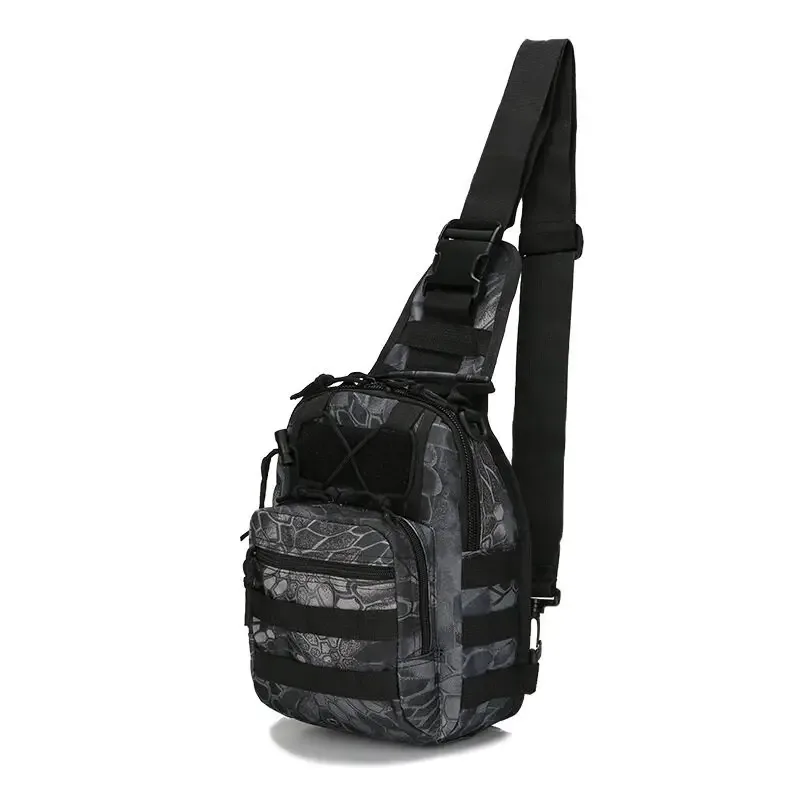
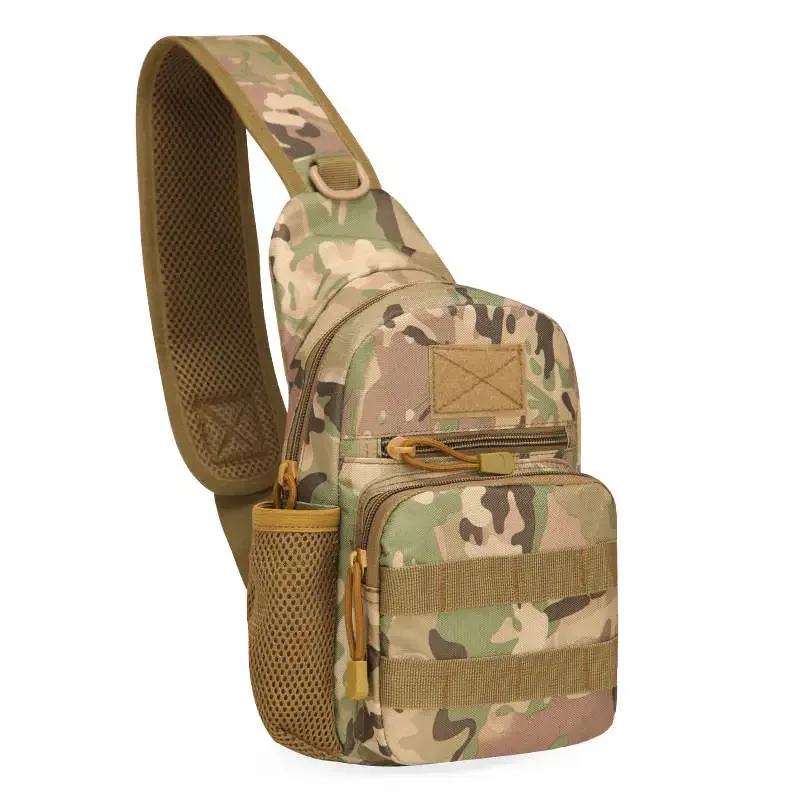
MOLLE compatibility is worth noting because it lets a light or pouch ride on a bag or vest instead of your belt. The Tactical Cross Body Bags Small and Medium are both MOLLE-compatible, which gives you a stable place to attach accessories without adding a separate belt rig. Check the attachment point on your light or pouch before assuming it will fit any MOLLE panel.
Build and Power: What to Verify Before Buying
Aluminum alloy bodies resist dents and handle heat better than thin plastic, and they are a common baseline for lights described as rugged. Lightweight construction helps for EDC, but very light lights may use smaller cells and deliver shorter runtime at high output.
Battery life claims are only meaningful when tied to a specific mode. A light rated for long runtime on low may drop to minutes on its highest setting. If the listing does not state which mode the runtime refers to, assume the best-case number and plan to carry spare power for serious use.
Decision Rules for Buying a Tactical Flashlight
- If you carry every day: Choose a lightweight aluminum model with a pocket clip and a low or memory mode, so it stays comfortable and predictable. Skip oversized high-output lights that you will leave at home.
- If you need distance: Require a published beam distance figure, not just a lumen rating, before you commit. No beam distance spec means you cannot judge reach.
- If you use a bag or vest: Pick MOLLE-compatible carry and confirm the attachment point on your light or pouch matches the panel. MOLLE compatibility is a system, not a single product feature.
- If runtime matters more than peak output: Check which mode the battery life figure refers to and carry spare power for your highest setting. Treat unqualified runtime claims as best-case estimates.
Product Facts
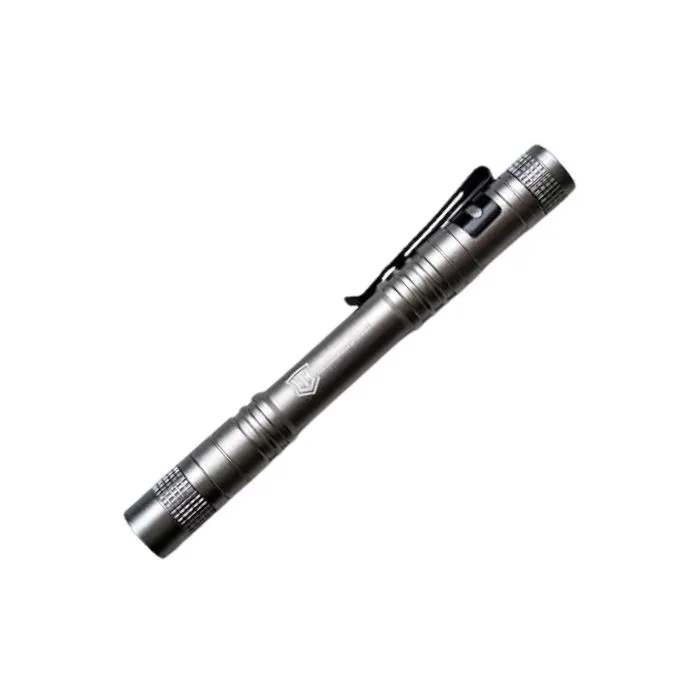
- Tactical Flashlight: Crafted from high-grade aluminum alloy, this flashlight delivers ultra-bright illumination while remaining lightweight and easy to carry, with multiple lighting modes and long battery life for camping, hiking, emergencies, and EDC. It covers the core EDC and emergency roles in one compact body, so you can start with a single light instead of buying separate models for daily carry and camping.
- Tactical Cross Body Bags Small: Compact yet tough, this tactical small crossbody bag is MOLLE-compatible and suited to EDC, hiking, travel, and outdoor missions. If you want to carry a light plus spare power and tools off your belt, a MOLLE-compatible bag gives you a stable attachment point without a dedicated holster.
- Tactical Cross Body Bag Medium: Rugged and versatile, this tactical medium crossbody bag is MOLLE-compatible with multiple compartments for EDC, hiking, travel, or outdoor missions. The extra compartments let you separate a light, spare batteries, and other gear, which reduces the chance of losing small parts when you need them.
- Tactical Dog Vest: This MOLLE tactical dog vest is heavy-duty, adjustable, and suited to hiking, training, or service work. If you hike with a dog, a MOLLE vest can carry a light or pouch on the dog instead of loading your own pockets, keeping your hands free on the trail.
Who This Guide Is For
Best for
- First-time buyers comparing lumen, mode, and mount specs before purchase
- EDC carriers who want one light for daily use and emergencies
- Campers and hikers who need a reliable low mode and long runtime
Not for
- Buyers seeking weapon-mounted light recommendations without a compatible rail
- Shoppers who only want the highest lumen number regardless of beam pattern