Your tactical gear is an investment in your safety and performance. Whether you're a law enforcement officer, a military professional, or a prepared civilian, the reliability of your equipment can make all the difference in critical situations. Regular maintenance not only extends the life of your gear but also ensures it functions when you need it most.
In this guide, we'll walk you through the essential steps for cleaning and caring for various types of tactical equipment, from nylon pouches to ballistic plates. By following these gear care tips, you'll keep your equipment in top condition and avoid costly replacements.
Why Tactical Gear Maintenance Matters
Tactical gear is subjected to harsh conditions: dirt, sweat, moisture, and extreme temperatures. Over time, these elements can degrade materials, weaken stitching, and compromise the integrity of your equipment. Proper maintenance ensures that your gear remains functional and safe to use.
Moreover, regular care can save you money in the long run. Instead of replacing expensive items like body armor or breaching tools, a little upkeep can extend their lifespan significantly. For instance, a well-maintained BreachPen LTE will deliver consistent performance for years, while a neglected one might fail when you need it most.
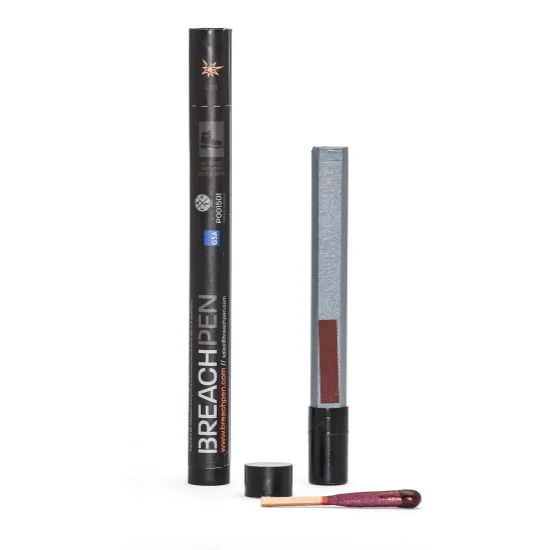
BreachPen LTE
- Inspect your gear regularly for signs of wear and tear.
- Clean after each use, especially if exposed to dirt or moisture.
- Store in a cool, dry place away from direct sunlight.
Cleaning Nylon and Fabric Gear
Many tactical accessories, such as pouches, packs, and holsters, are made from nylon or other synthetic fabrics. These materials are durable but can harbor dirt and bacteria. To clean them, start by removing any loose debris with a soft brush or cloth. Then, use a mild soap mixed with water and gently scrub the surface with a soft-bristled brush.
For stubborn stains, you can use a specialized gear cleaner. Avoid using bleach or harsh chemicals, as they can weaken the fabric and damage the coating. After cleaning, rinse thoroughly and allow the gear to air dry completely before storing. Never machine dry nylon gear, as the heat can cause shrinkage or melting.
When caring for items like the Scorpion Pack - Lumbar Pack, pay extra attention to zippers and buckles. Lubricate zippers with a silicone-based lubricant to keep them running smoothly, and check for any loose stitching that may need reinforcement.
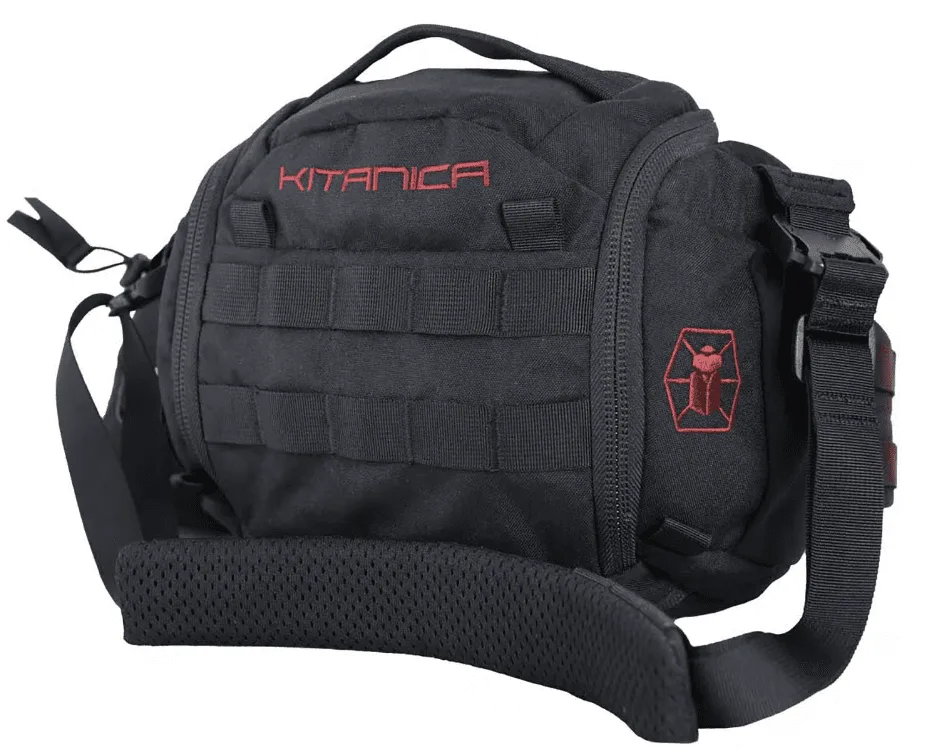
Scorpion Pack - Lumbar Pack
- Use a soft brush to remove dirt from seams and corners.
- Air dry completely to prevent mildew and odors.
- Lubricate zippers and buckles regularly.
Caring for Ballistic Plates and Armor
Ballistic plates are critical components of your protective gear. They require special care to ensure their integrity. For ceramic or polyethylene plates like the RMA Armament Level IV 6" x 6" Side Plates, avoid dropping them or subjecting them to impact. Inspect them regularly for cracks, chips, or delamination.
To clean, wipe the surface with a damp cloth and mild detergent. Do not submerge plates in water or use abrasive cleaners. After cleaning, dry them thoroughly before storing. Always store plates in a cool, dry place, and avoid exposing them to extreme heat, which can degrade the materials.
If your plates are used in a carrier, ensure the carrier is clean as well. Follow the manufacturer's instructions for both the plates and the carrier to maintain optimal performance.
- Never use harsh chemicals on ballistic plates.
- Inspect for damage after any impact.
- Store plates flat, not stacked with heavy items on top.
Maintaining Tools and Hardware
Breaching tools and other tactical hardware require regular cleaning and lubrication to prevent rust and ensure smooth operation. After each use, wipe down metal surfaces with a dry cloth to remove moisture and debris. Apply a light coat of oil to moving parts to protect against corrosion.
For tools like the BreachPen LTE, check the tip and mechanism for wear. Clean the tool according to the manufacturer's guidelines, and store it in a protective pouch like the Single BreachPen Pouch to prevent damage. Similarly, any pry bars or bolt cutters should be cleaned and oiled regularly to keep them functioning effectively.
When cleaning tools, avoid using excessive water, which can cause rust. Instead, use a solvent-based cleaner for tough grime, followed by a lubricant. Always dry tools thoroughly before storage.
- Oil moving parts after cleaning.
- Store tools in a dry environment.
- Check for loose screws or damaged components.
Seasonal and Long-Term Storage Tips
Proper storage is essential for maintaining your tactical gear, especially if you don't use it frequently. Store items in a climate-controlled environment to prevent damage from humidity and temperature fluctuations. Use breathable storage bags or containers to allow air circulation while protecting from dust.
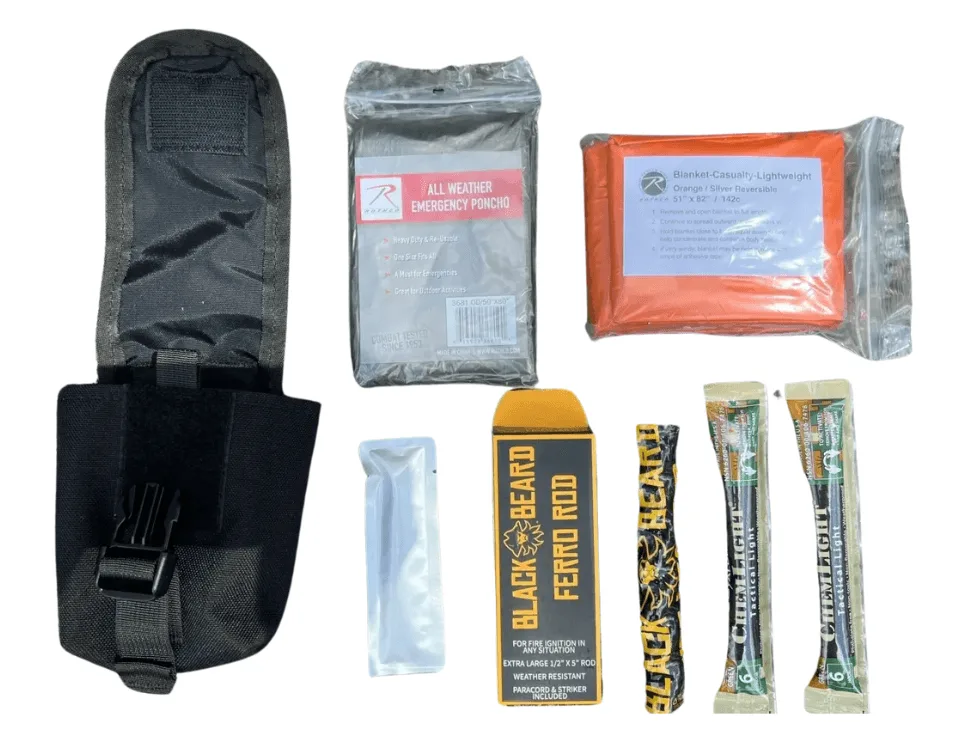
For gear that may be exposed to moisture, consider using desiccant packs to absorb excess humidity. Rotate your stored gear periodically to prevent pressure points and material fatigue. If you have items like the Wet Weather Preparedness Kit, ensure they are fully dry before storing to prevent mold and mildew.
By following these storage tips, you'll keep your gear ready for action whenever you need it.
- Use breathable storage containers.
- Add desiccant packs to storage areas.
- Rotate gear to avoid pressure damage.
Maintaining your tactical gear is not just about cleanliness—it's about ensuring your safety and the longevity of your investment. By incorporating these simple practices into your routine, you can extend the life of your equipment and trust it to perform when it matters most. Start today by inspecting your gear and giving it the care it deserves.