Start with the Bag's Design Purpose
The Tactical Operator Response Bag (TORK) is built for tactical and operational use. Its design prioritizes durability, organization, and rapid access during critical situations. Before you start packing, understand that this bag is meant to carry a range of medical and tactical gear, not just one type of supply. That flexibility is useful, but it also means you need a deliberate packing plan to avoid wasted space or slow retrieval.
The supplied information confirms multiple compartments for organized storage and rapid retrieval, but does not specify exact compartment sizes or a recommended packing layout. Your setup will depend on your specific gear and mission needs. Use the following principles as a starting point.
Packing Your TORK Bag for Field Medical Response
These steps help you organize the bag so you can access critical items quickly under stress. Adjust based on your team's protocols and the specific medical supplies you carry.
- 1. Categorize your gear by urgency: Separate your medical supplies into three groups: immediate life-saving (tourniquets, chest seals, airway), urgent (bandages, hemostatics, IV supplies), and supportive (diagnostics, extra dressings, personal items). This grouping determines where each item goes in the bag.
- 2. Assign compartments by access speed: Place immediate life-saving gear in the most accessible compartments or external pockets. The bag's multiple compartments let you dedicate one to trauma essentials. Use a second compartment for urgent but less time-critical items. Keep supportive gear in deeper or rear compartments.
- 3. Use internal organization aids: The bag is designed to accommodate a range of gear, but it does not come with internal dividers or pouches. Consider adding smaller pouches, elastic retainers, or zipper bags to keep items from shifting and to create sub-compartments. This is especially important for small items like airway adjuncts or IV catheters.
- 4. Test your layout under stress: Once packed, practice retrieving each item while wearing gloves or in low light. The bag's rapid retrieval design only works if you know exactly where everything is. Adjust compartment assignments if you find yourself fumbling for a tourniquet or chest seal.
What the Catalog Confirms About the TORK Bag
-
Tactical Operator Response Bag (TORK): The Tactical Operator Response Bag (TORK) is a purpose-built medical response bag designed for tactical and operational use. This confirms the bag is not a general-purpose backpack or range bag. It is engineered for medical response in demanding environments, which should guide your packing decisions.
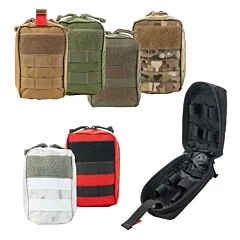
Tactical Operator Response Bag (TORK)
-
Tactical Operator Response Bag (TORK): Features multiple compartments for organized storage and rapid retrieval. Multiple compartments let you separate gear by urgency, but the exact number and layout are not specified. You will need to verify compartment dimensions against your gear before finalizing your packing plan.
-
Tactical Operator Response Bag (TORK): Constructed for durability and functionality in demanding environments. The bag can handle field use, but durability does not guarantee waterproofing or chemical resistance. Assess your operational environment to decide if additional protection (e.g., dry bags or inserts) is needed for sensitive supplies.
What the Supplied Information Does Not Cover
The catalog record does not specify compartment dimensions, weight, attachment points (MOLLE/PALS compatibility), or included accessories. It also does not confirm whether the bag is waterproof or has a hydration sleeve. These are common considerations when packing a medical kit, but you will need to verify them from the product listing or by handling the bag yourself.
If your mission requires specific attachment or hydration integration, check the full product details or contact the manufacturer before assuming compatibility.