Quick Answer
If you need a compact, rapid-deployment suction tool for a tactical or emergency kit, the Tactical Suction Device (product ID 380593) is the practical starting point because it is built for quick deployment and portable storage. For teams that must keep temperature-sensitive medical supplies cool without external power, the Delta Autonomous Portable Refrigeration Unit (product ID 380628) solves a different problem and is not a substitute for suction. Choose based on your mission profile, not on price alone.
What a Portable Airway Suction Device Actually Does in the Field
A portable airway suction device removes fluids and debris from the airway when manual positioning and other basic maneuvers are not enough. In tactical or field airway management, the priority is speed and reliability: the device must be ready when you need it, without a wall outlet or a bulky setup. That is why compact, rapid-deployment designs matter more than feature lists in this category.
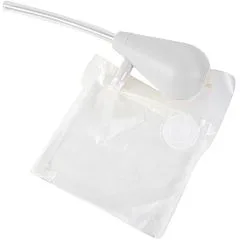
The Tactical Suction Device from Narescue is described as a practical addition to a medical or emergency preparedness kit, designed for quick deployment and supporting airway management in critical situations. It is compact and portable for easy storage and transport, and it is built for rapid suction in emergency scenarios. Those are the core capabilities to verify before you buy any suction unit: does it deploy fast, does it store small, and is it intended for the situations you actually train for?
Decision Rules for Choosing a Tactical Medical Suction Device
Use these rules to narrow the field before you compare specific models. First, match the device to your level of training and authorization. A suction device supports airway management, but it does not replace training, and it should only be used by professionals and trained individuals. If your team does not train on airway suction, buy training first, not hardware.
Second, decide whether you need standalone suction or a broader temperature-controlled capability. The Delta Autonomous Portable Refrigeration Unit (APRU) - 6 Liter is a compact refrigeration solution with a 6-liter capacity, portable design, and autonomous operation without external power sources. It keeps items cool, including medical supplies, but it does not perform suction. Treat it as a separate logistics decision, not an alternative to a suction device.
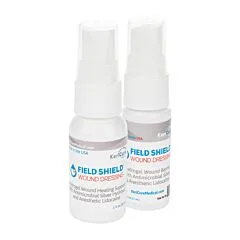
Third, plan storage and access together. A suction device that is buried in a bag is not rapid-deployment. The Field Shield Wound Dressing (product ID 380808) is a compact wound-care item that stores easily in medical kits or gear, and the same logic applies to suction: if it does not fit your kit's access pattern, you will not reach it in time. Fourth, set a realistic budget. The Tactical Suction Device is listed at USD 25.19 (catalog comparison price USD 41.99), while the Delta APRU 6 Liter is listed at USD 10626.68 (catalog comparison price USD 15400.99). Those price points reflect very different jobs, so compare within the correct category.
How to Fit Suction Into an Existing Emergency Kit
Fit is about more than dimensions. Start by identifying the one or two places in your kit where a suction device would be reachable with one hand while you are managing a patient. If the device cannot live there, you need a different pouch, a different bag, or a different device.
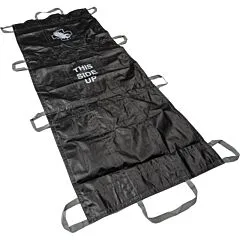
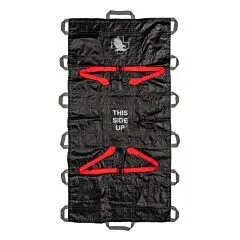
Next, account for the rest of the airway and wound-care sequence. A compact suction device pairs naturally with a wound dressing such as the Field Shield Wound Dressing, which provides a protective barrier for wound care and is suitable for emergency and field use. If your kit also includes patient transport, the https://narescuer.com/products/nar-elite-litter-responder-xl-380615NAR ELITE Litter - Responder XL (product ID 380615) is an XL litter built for responder use and manual transport in demanding situations. Suction, wound care, and transport are separate functions; plan space for each rather than expecting one item to cover all three.
Finally, verify resupply and replacement. A suction device is only useful if you can restock or replace it on your normal schedule. If your unit already struggles to keep dressings and other consumables in stock, adding a suction device without a resupply plan creates a false sense of readiness.
Decision Rules: Match the Device to the Mission
- Rule 1: Buy for deployment speed, not specifications: If the device cannot be reached and activated quickly in your kit, it will not help. Prioritize compact, rapid-deployment designs such as the Tactical Suction Device over larger units with more features. Checkpoint: can you deploy it one-handed from your normal carry position?
- Rule 2: Separate suction from cold-chain needs: Suction and refrigeration are different jobs. The Delta APRU 6 Liter keeps supplies cool without external power; it does not clear an airway. Budget for both only if your mission genuinely requires both. Checkpoint: list the tasks you need to perform, then match one device to each task.
- Rule 3: Do not buy suction without training: The device supports airway management for professionals and trained individuals. If your team has not trained on airway suction, invest in training before hardware. Checkpoint: confirm who on your team is trained and authorized to use it.
- Rule 4: Plan resupply before you add the device: A suction device that cannot be restocked or replaced becomes dead weight. Add it only if your normal resupply process can sustain it alongside dressings and other consumables. Checkpoint: write the resupply line item before you place the order.
Product Facts That Matter for This Decision
- Tactical Suction Device: Compact and portable design for easy storage and transport; built for rapid suction in emergency scenarios. This is the core fit for a tactical or emergency kit where speed of access and small storage footprint drive the purchase.
- Delta Autonomous Portable Refrigeration Unit (APRU) - 6 Liter: 6-liter capacity, portable design, and autonomous operation without external power sources for keeping items cool. Useful for temperature-sensitive medical supplies in the field, but it is a refrigeration unit, not a suction device, so it solves a different problem.
- Field Shield Wound Dressing: Provides a protective barrier for wound care and is compact and easy to store in medical kits or gear. A realistic companion item when you are building a kit around airway and wound care, and a reminder that suction is one part of a larger response.
Who Should Buy This and Who Should Not
Best for
- Tactical medics and emergency responders who need a compact, rapid-deployment suction tool in a carry kit
- Trained individuals building a preparedness kit who want portable airway suction support
- Teams that already have airway training and a resupply process in place
Not for
- Buyers who need temperature-controlled storage rather than suction; consider the Delta Autonomous Portable Refrigeration Unit (APRU) - 6 Liter instead
- Untrained users who have not completed airway management training
- Teams looking for a single device to cover suction, wound care, and patient transport