Two Lenses, Two Different Approaches
If you're choosing between the Tamron 20-40mm F/2.8 Di III VXD (A062) for Sony E-mount and the Nikon NIKKOR Z 50mm f/1.2 S Lens for Nikon Z-mount, you're looking at two very different tools that share a full-frame sensor home. The Tamron is an ultra-wide to standard zoom that emphasises portability and versatility, while the Nikon is a bright prime built for low-light and portrait work. This comparison will help you understand their key differences and decide which fits your kit.
Key Specifications at a Glance
-
Tamron 20-40mm F/2.8 Di III VXD Lens (A062) (Sony E): Focal length: 20 to 40mm; maximum aperture f/2.8; weight 12.9 oz (365 g); filter size 67 mm. The Tamron covers an ultra-wide to standard range in a compact, lightweight package, ideal for travel and vlogging.
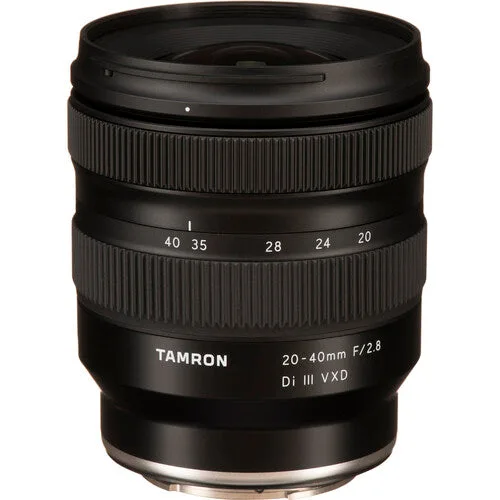
Tamron 20-40mm F/2.8 Di III VXD Lens (A062) (Sony E)
-
Nikon Z 50mm f/1.2 S Lens: Focal length: 50mm; maximum aperture f/1.2; weight 2.4 lb (1090 g); filter size 82 mm. The Nikon is a heavier, larger prime with an exceptionally bright aperture for low-light performance and shallow depth of field.
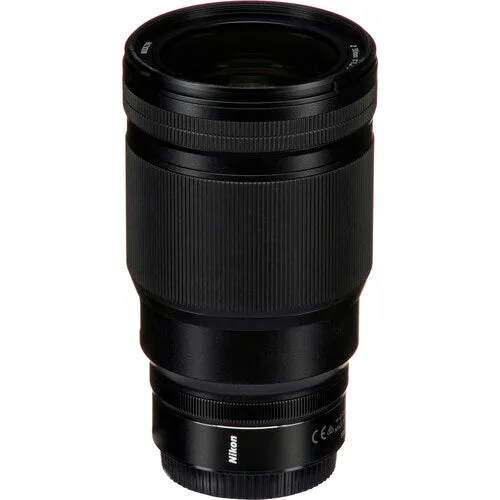
Nikon Z 50mm f/1.2 S Lens
Focal Length and Versatility
The most obvious difference is in the focal length range. The Tamron 20-40mm zoom lets you switch from ultra-wide 20mm landscapes to a natural 40mm standard view without changing lenses. The Nikon 50mm f/1.2 is a fixed prime, offering a single perspective that's great for portraits and everyday scenes but requires you to zoom with your feet.
- Tamron 20-40mm F/2.8: Provides a versatile zoom range from 20mm to 40mm, making it suitable for wide interiors, landscapes, and standard shots. Ideal for travel and vlogging where you need flexibility.
- Nikon Z 50mm f/1.2: Fixed 50mm offers a natural perspective that works well for portraits, street photography, and events. You'll need to move closer or farther to frame your shot.
Aperture and Low-Light Performance
Aperture is a major differentiator. The Tamron's constant f/2.8 across the zoom range is solid for a zoom lens, but the Nikon's f/1.2 maximum aperture lets in significantly more light—useful for dim environments and for creating strong background blur.
- Tamron 20-40mm F/2.8: Fast f/2.8 aperture across the entire zoom range. Good for low-light shooting but not as bright as the Nikon. The constant aperture helps maintain exposure while zooming.
- Nikon Z 50mm f/1.2: Exceptionally bright f/1.2 maximum aperture allows substantial light to reach the sensor, making it ideal for evening settings and indoor work. Produces beautiful background blur and subject separation.
Build, Portability, and Handling
If you prioritise a lightweight kit, the Tamron is the clear winner. The Nikon is a heavy, professional-grade lens built for durability. Both offer weather-resistant features.
- Tamron 20-40mm F/2.8: Weighs only 12.9 oz (365 g) and has a compact design. Moisture-resistant construction and fluorine-coated front element for outdoor reliability. Very portable for travel and vlogging.
- Nikon Z 50mm f/1.2: Weighs 2.4 lb (1090 g) and is larger. Dust- and moisture-resistant sealing for demanding use. Customisable controls help adjust settings efficiently. Built for professional handling.
Which One Should You Choose?
Your choice depends on your camera system and shooting style. The Tamron 20-40mm F/2.8 is a versatile, lightweight zoom for Sony E-mount users who want a single lens for travel, vlogging, and everyday photography. The Nikon Z 50mm f/1.2 is a premium prime for Nikon Z-mount shooters who prioritise low-light capability, shallow depth of field, and professional image quality. There's no wrong answer—just the right tool for your needs.