One Piece, Two Purposes
A traditional Balinese sarong is already a versatile garment, but when it's reimagined with modern designs and lightweight rayon, it can also become a striking piece of wall art. The Shapes Tapestry Sarong is one example that bridges both worlds: it's made to be worn as a wrap, scarf, or hung as a tapestry. Before you decide which use suits you best, consider how the material, care needs, and size influence each option.
What the Shapes Tapestry Sarong Offers
-
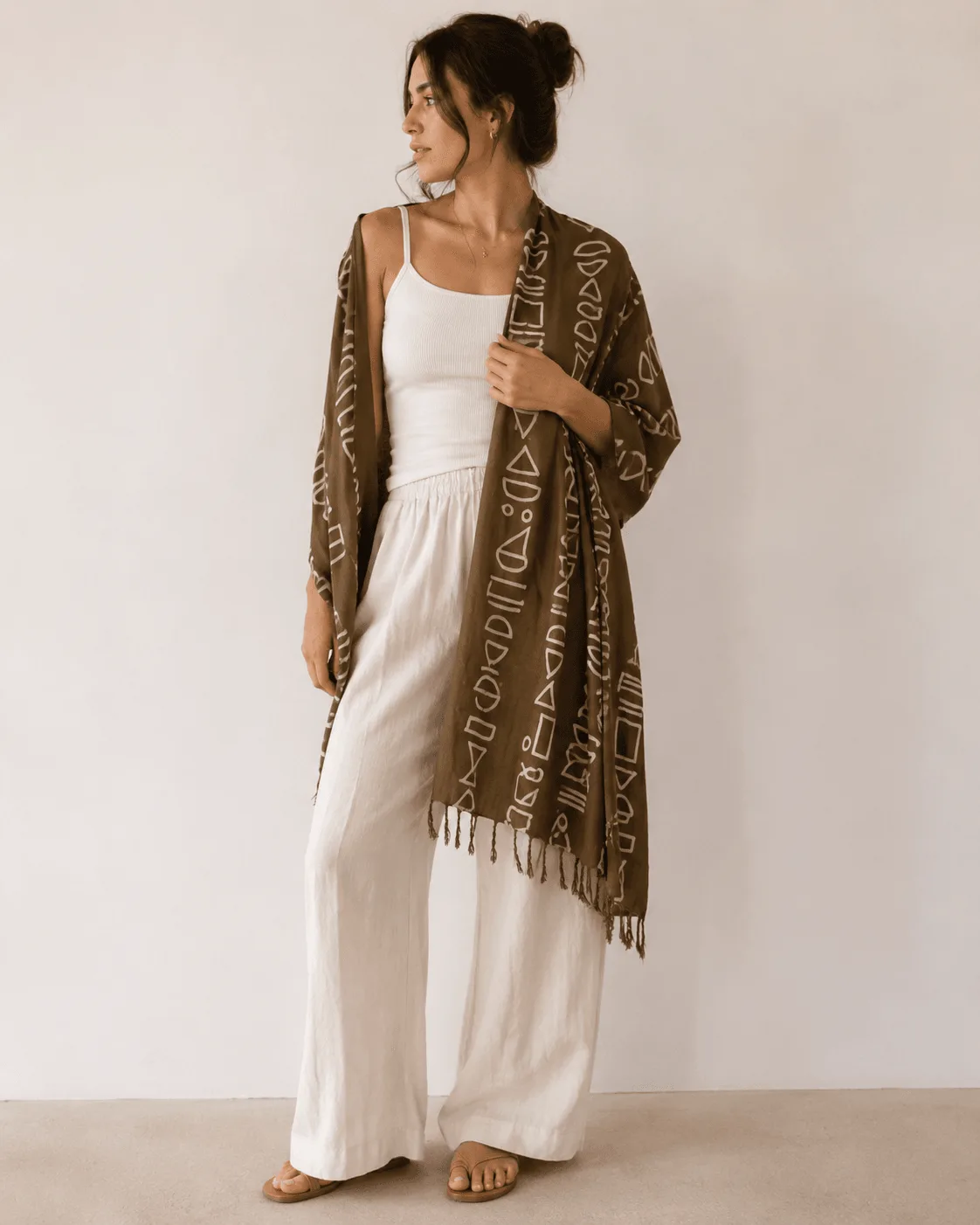
Shapes Tapestry Sarong: Made of 100% Rayon, sized 66"x42", and handcrafted in Bali using natural dyes and zero-waste practices. Rayon drapes well for wear but is lightweight enough to hang flat as a tapestry. The dimensions and handmade quality affect how it looks on a wall versus on your body.
Shapes Tapestry Sarong
Using It as Wall Art
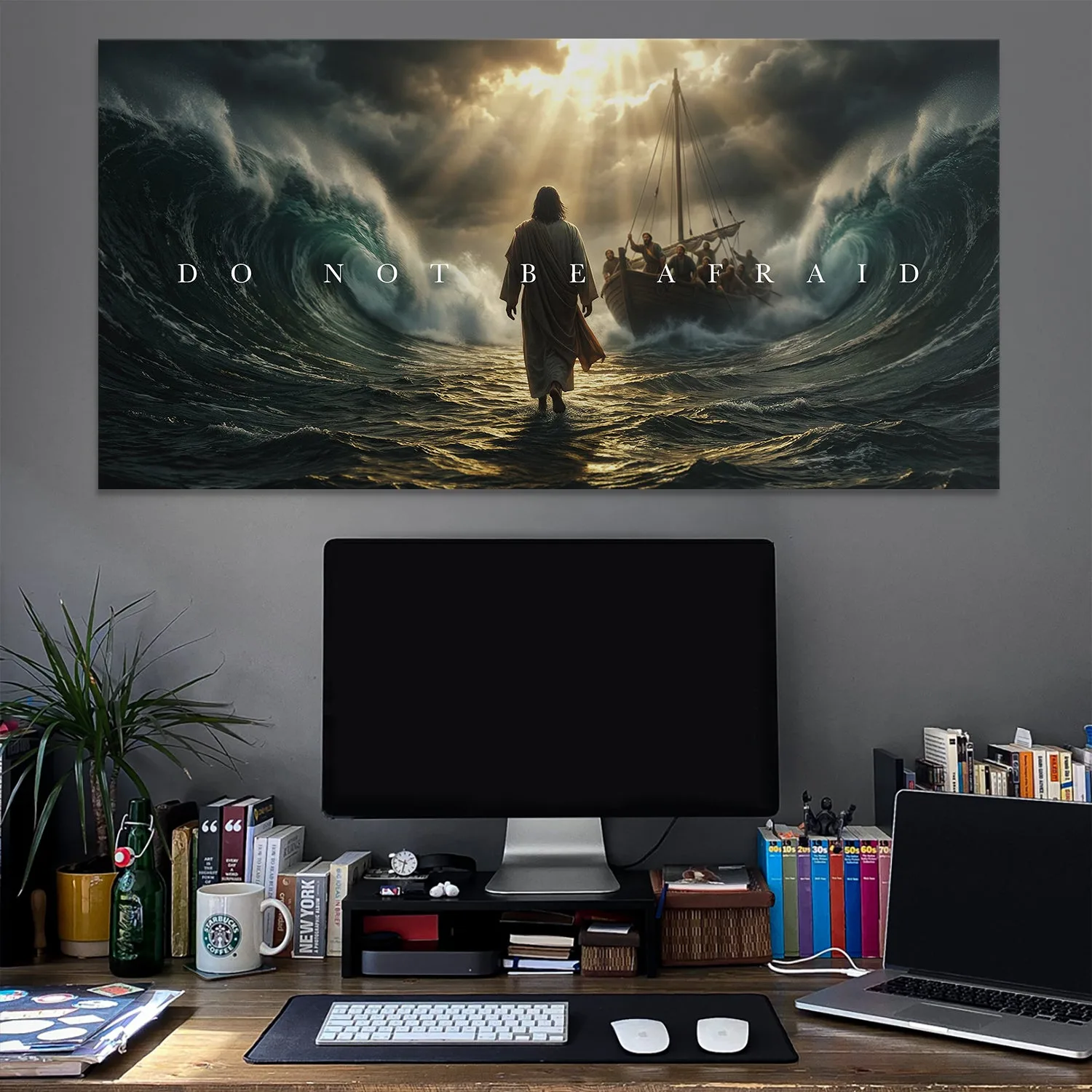
When hung as a tapestry, the sarong becomes a boho accent that adds color and texture to a room. The 100% rayon fabric is smooth and lightweight, so it hangs without heavy folds. Because it's made with natural dyes, the colors are softer and may fade if exposed to direct sunlight for long periods. To hang it, you can use a wooden dowel, clip rings, or simply drape it over a curtain rod. The zero-waste construction means there are no loose threads or uneven edges—just a clean, finished piece.
Using It as Beachwear
As a beach sarong, the same piece works as a wrap over a swimsuit or as a light scarf on cooler evenings. The 66x42 inch size wraps comfortably around most body types. Care is simple: cold, gentle wash cycle and hang to dry. However, rayon is not as durable as cotton when wet, so avoid twisting or wringing it out. The natural dyes may bleed slightly in the first wash, so wash separately. If you plan to wear it frequently at the beach, consider how sand and sunscreen might affect the fabric—rayon can be more delicate than synthetic blends.
Wall Art vs. Beachwear: Key Trade-offs
- Durability: As wall art, the sarong faces less wear and tear. As beachwear, it may encounter sand, salt, and sunscreen, which can shorten its life. Rayon is not as strong as cotton or polyester.
- Care: Both uses require gentle washing and air drying. For beach use, you'll need to wash it more often. For wall art, dusting occasionally is enough.
- Color Fade: Natural dyes are beautiful but less colorfast. Direct sun will fade the design faster whether on a wall or at the beach.
- Versatility: If you want one piece that can do both, this sarong works. But switching between uses means handling and washing it more, which may wear it out sooner.
How to Decide
If your priority is a unique, handcrafted boho tapestry that tells a story and requires minimal upkeep, choose wall art. If you want a lightweight, stylish cover-up that also looks great on a wall when not in use, the same sarong can serve both roles—just be prepared for more frequent care. The Shapes Tapestry Sarong is designed for both, but your choice depends on how much wear and washing you expect.