What a first tarot book actually needs to do
Your first tarot book has one main job: help you build a relationship with the cards without overwhelming you. That means clear card reflections, illustrations you can return to, and a tone that invites self-discovery rather than dictating fixed meanings. If a book promises to teach you everything at once, it may be more reference than companion—and harder to stay with.
The Tarot Book: A Journey of Self-Discovery takes a different approach. It pairs 78 original hand-drawn illustrations with thoughtful reflections on every card, positioning itself as both an art book and a guide to tarot's symbolic tradition. That combination matters if you learn best through images and personal reflection rather than memorizing keywords.
What this book gives you to work with
-
Tarot Book : A Journey of Self - Discovery: 78 original hand-drawn illustrations, one for each card, with thoughtful reflections on every card. A complete visual set means you can study any card you draw, without needing a separate reference deck.
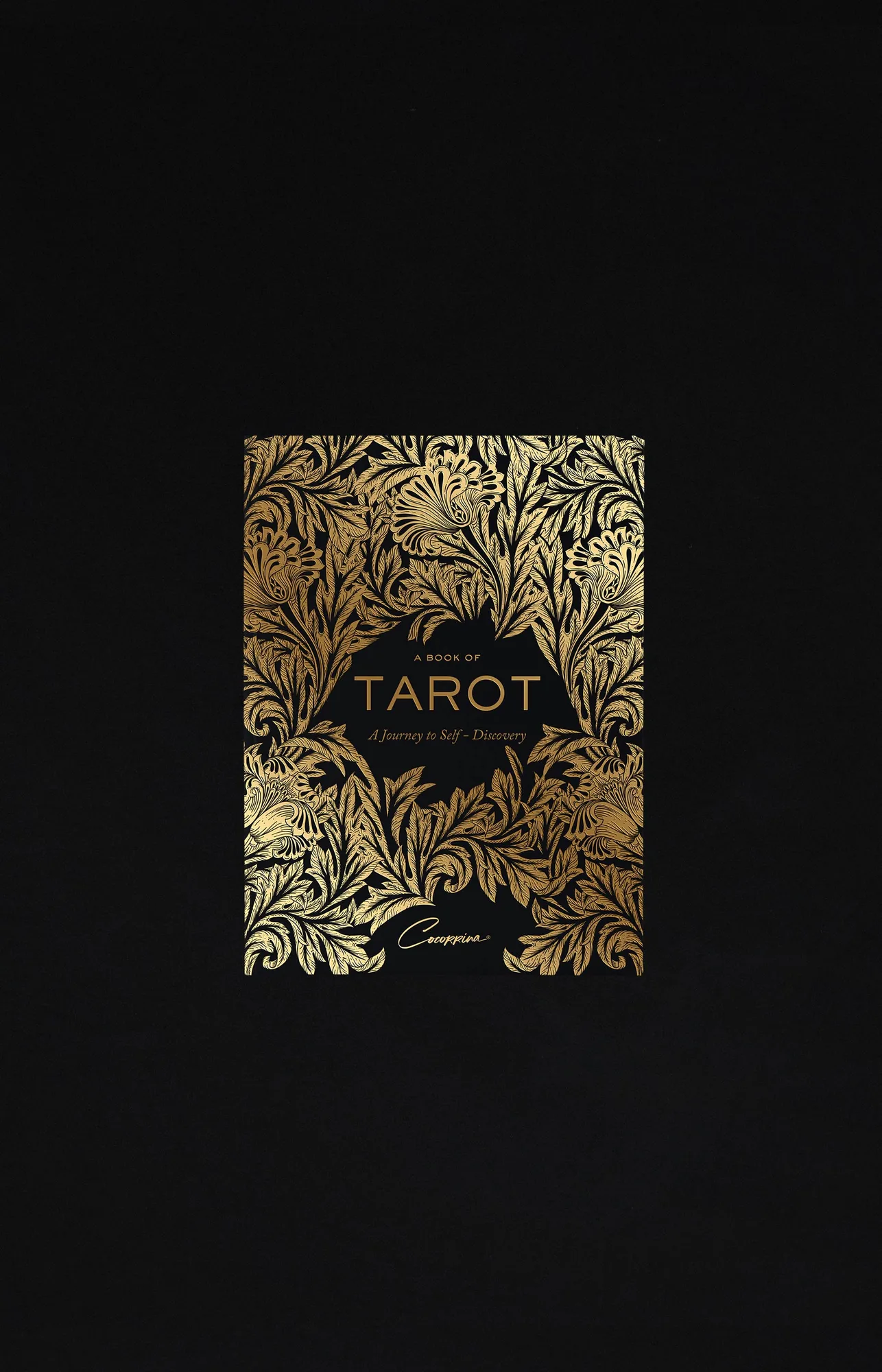
Tarot Book : A Journey of Self - Discovery
-
Tarot Book : A Journey of Self - Discovery: Designed as both an art book and a guide to tarot's symbolic tradition. It serves two purposes: a book to read for learning and an object to revisit for inspiration.
-
Tarot Book : A Journey of Self - Discovery: Beautifully illustrated and designed to be returned to time and again. This suits a slow, reflective practice rather than a one-time read-through.
How to judge whether it fits your learning style
Ask yourself how you want to use the book. If you prefer a structured course with exercises and spreads, this may not be the primary text you need—the supplied details don't describe a step-by-step curriculum. If you want a reflective companion that helps you sit with each card and form your own associations, the format is a strong match.
Consider your existing deck too. The book's 78 illustrations won't match your deck's artwork, but that can be an advantage: comparing two visual interpretations of the same card deepens your understanding. You don't need a specific deck to use this book—it stands on its own as an illustrated guide.
Questions worth settling before you buy
- Do you want reflections or instructions?: The book emphasizes thoughtful reflections on each card. If you need explicit spread layouts and step-by-step exercises, check whether your practice can grow from reflection alone.
- Will you use it as art or as a manual?: It's designed as both. If you mainly want a display piece, the hand-drawn illustrations deliver. If you want a workbook, pair it with a journal or a separate exercise-focused resource.
- Is a single volume enough for your first year?: For many beginners, one well-loved book plus a deck is enough to start. This book covers all 78 cards, so you won't be missing card reflections.
- What does the catalog not tell you?: The supplied information doesn't specify page count, binding type, or whether spreads are included. If those details matter to you, confirm them before purchasing.
Using the book as a journaling companion
A tarot journaling guide book doesn't have to be a separate purchase. You can use this book's reflections as prompts: draw a card, read the accompanying reflection, then write your own response in a notebook. The hand-drawn illustrations give you a visual anchor to return to when you revisit old entries.
This rhythm—draw, read, reflect, write—turns the book into a practice rather than a reference. It also means you don't need to finish the book linearly; you can move card by card as they appear in your readings.
The honest trade-offs
This is not a comprehensive tarot course. The supplied details describe an illustrated guide with reflections, not a structured curriculum with lessons and exercises. If you want to be taught step by step, you may need an additional resource.
It's also not a deck. You'll still need cards to practice with, though the book's 78 illustrations let you study the imagery independently. And because the catalog doesn't list specifications like page count or publisher, you're choosing based on format and approach rather than technical details.
When this is the right first tarot book
Choose the Tarot Book: A Journey of Self-Discovery if you learn through images and reflection, want a complete set of card illustrations to study, and value a book you'll return to over time. It suits a slow, personal approach to tarot rather than a fast-track course. If that matches how you want to begin, it's a considered first purchase.