Getting a tattoo is an exciting form of self-expression, but for those with darker skin tones, aftercare can come with unique challenges. Melanin-rich skin is beautiful, but it also reacts differently to trauma, inflammation, and healing. Understanding how your skin works and choosing the right products can make all the difference between a vibrant, long-lasting tattoo and one that fades or develops unwanted dark spots.
Whether you're a first-timer or a seasoned collector, this guide will walk you through the best practices for tattoo aftercare on dark skin. We'll cover why hyperpigmentation happens, how to prevent it, and which products—like the https://flawlessface.shop/products/tattoo-balm-stick-67002Tattoo Balm Stick and Soothing Gel & Tattoo Balm—can support your skin's natural healing process.
Why Dark Skin Needs Specialized Tattoo Aftercare
Melanin-rich skin has a natural tendency to produce more pigment in response to injury, a condition known as post-inflammatory hyperpigmentation (PIH). When a tattoo needle punctures the skin, it triggers an inflammatory response. For people with darker skin tones, this can lead to dark spots around the tattooed area, especially if the skin is not cared for properly during healing.
Additionally, dark skin is often prone to keloid scarring—raised scars that form when the body produces too much collagen. While tattoos themselves are not keloids, the trauma of tattooing can stimulate keloid formation in susceptible individuals. Proper aftercare that reduces inflammation and keeps the skin moisturized can help minimize these risks.
- Avoid picking or scratching the tattooed area to prevent hyperpigmentation.
- Keep the tattoo moisturized but not overly wet—balance is key for melanin-rich skin.
- Use products with soothing ingredients like aloe vera and vitamin E to calm inflammation.
The Golden Rule: Moisturize Gently and Consistently
One of the most important steps in tattoo aftercare for dark skin is consistent moisturization. Dry skin can exacerbate itching and flaking, which may lead to scarring or uneven pigment retention. However, not all moisturizers are created equal. Heavy, greasy balms can clog pores and cause breakouts, while lightweight lotions may not provide enough hydration for the healing process.
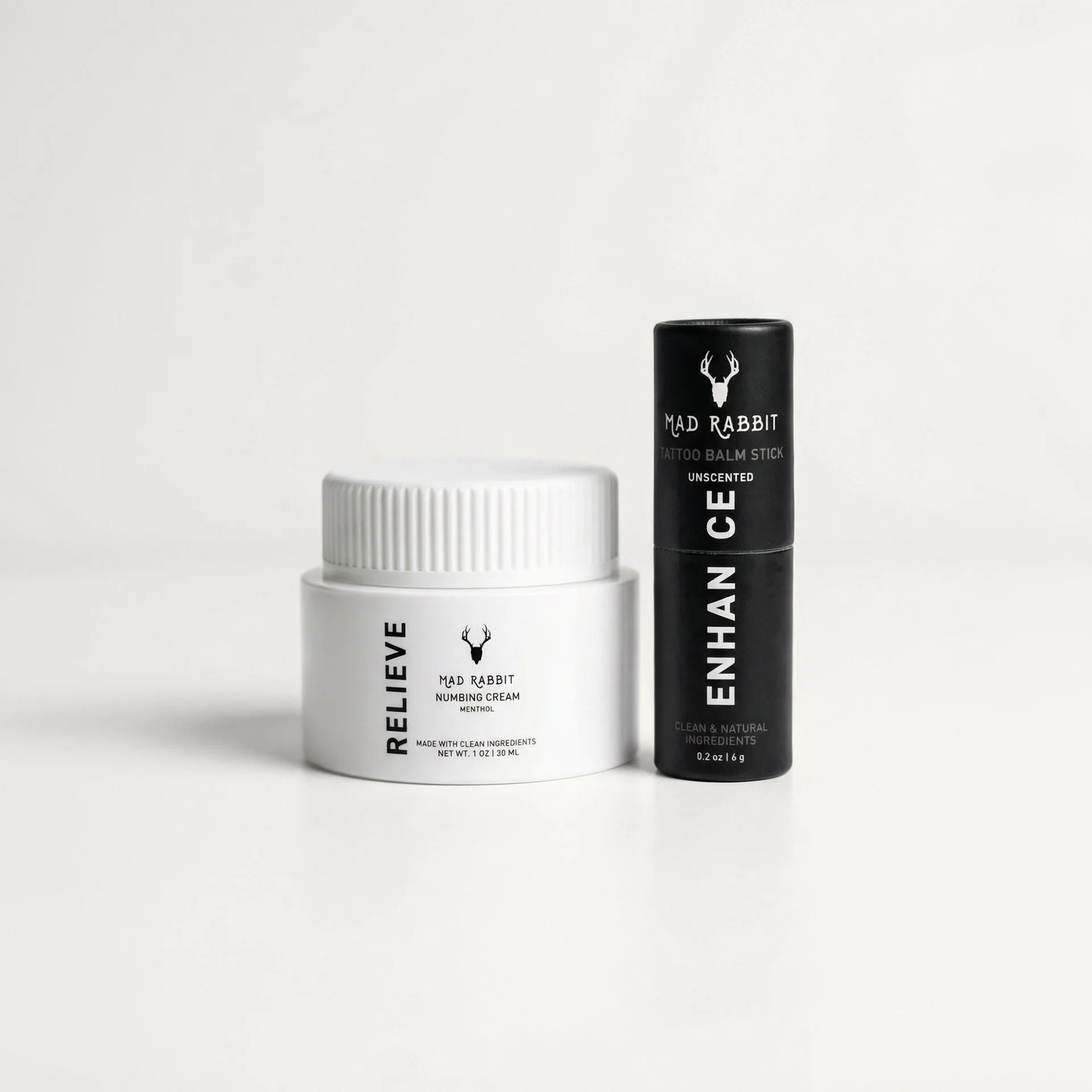
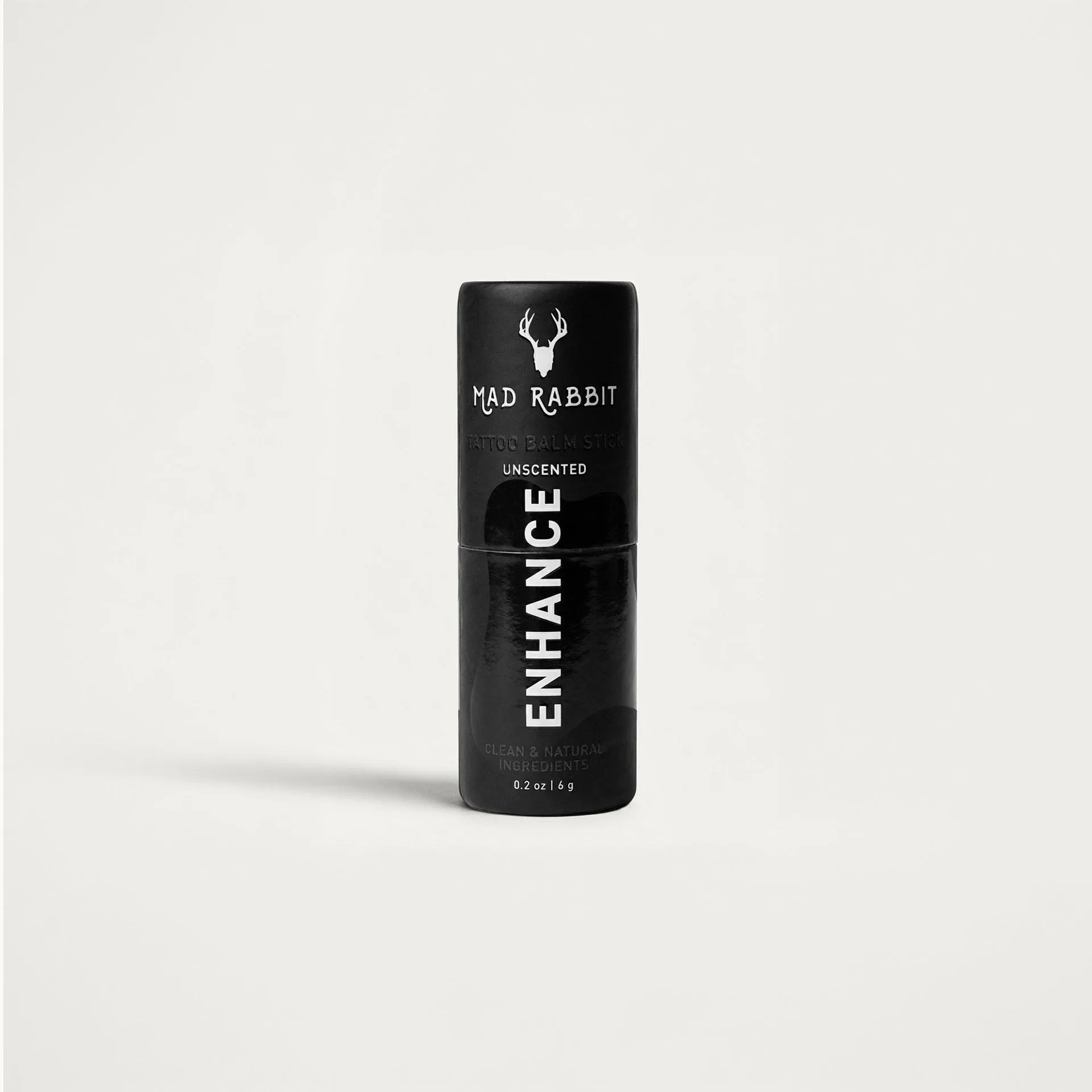
A product like the Tattoo Balm Stick offers a perfect middle ground. It's formulated with natural butters and oils that deeply hydrate without feeling heavy. The stick format also makes application easy and hygienic—no need to dip fingers into a jar. For the initial days after tattooing, when the skin is still tender, the Soothing Gel & Tattoo Balm can provide cooling relief while locking in moisture.
- Apply a thin layer of balm 2-3 times a day, or as needed, to keep the skin supple.
- Wash your hands before touching the tattoo to avoid introducing bacteria.
- Switch to a lighter daily lotion once the tattoo is fully healed, typically after 2-4 weeks.
Sun Protection: Non-Negotiable for Dark Skin Tattoos
Many people with dark skin mistakenly believe they don't need sunscreen. While it's true that melanin provides some natural protection, it is not enough to prevent tattoo fading or hyperpigmentation. UV rays can darken the surrounding skin, making the tattoo look less crisp, and can also cause the ink to break down over time.
For tattoos on dark skin, a broad-spectrum sunscreen with at least SPF 30 is essential. Look for a formula that is non-comedogenic and doesn't leave a white cast. Mineral sunscreens with zinc oxide or titanium dioxide are often a good choice, but they can be chalky on darker skin. Tinted options or chemical sunscreens with iron oxides may blend better. Apply sunscreen generously to your tattoo whenever it will be exposed to the sun, even on cloudy days.
- Reapply sunscreen every two hours when outdoors, especially after swimming or sweating.
- Consider wearing protective clothing over your tattoo for extended sun exposure.
- Avoid tanning beds entirely—they are extremely damaging to tattooed skin.
Choosing the Right Products for Your Skin Type
Not all tattoo aftercare products are suitable for dark skin. Some contain harsh alcohols, fragrances, or essential oils that can cause irritation or allergic reactions. These reactions can trigger more melanin production, leading to dark spots. Always patch test a new product on a small area of skin before applying it to your entire tattoo.
Look for products that are fragrance-free, hypoallergenic, and designed for sensitive skin. The Tattoo Balm Stick is a great option because it uses simple, natural ingredients like shea butter and coconut oil that are unlikely to cause irritation. If you have oily or acne-prone skin, you might prefer a gel-based formula like the Soothing Gel & Tattoo Balm, which hydrates without clogging pores. For daily maintenance after healing, a lightweight, non-greasy lotion works well.
- Avoid products with alcohol, menthol, or camphor, which can dry out the skin.
- Stick to unscented products to minimize the risk of allergic reactions.
- If you experience redness, swelling, or itching beyond normal healing, consult a dermatologist.
Addressing Hyperpigmentation Around Tattoos
Even with the best aftercare, some people with dark skin may still develop hyperpigmentation around their tattoo. This is usually temporary and can fade over time with proper care. To help lighten dark spots, consider using products with ingredients like vitamin C, niacinamide, or licorice root extract. These can be applied to the surrounding skin once the tattoo is fully healed.
Avoid using harsh chemical exfoliants or bleaching creams on or near the tattoo, as they can damage the ink and cause further irritation. Instead, focus on gentle exfoliation with a soft cloth or a mild lactic acid lotion. Always consult your tattoo artist or a dermatologist before introducing any new treatment to the area.
- Be patient—hyperpigmentation can take several months to fade naturally.
- Keep the tattooed area moisturized to support skin regeneration.
- If hyperpigmentation persists, a dermatologist may recommend prescription treatments.
Caring for a tattoo on dark skin doesn't have to be complicated. By understanding your skin's unique needs—like its tendency toward hyperpigmentation and keloid formation—you can choose the right products and habits to ensure your ink heals beautifully and stays vibrant for years. Start with a gentle, effective balm like the Tattoo Balm Stick, and remember that consistency and sun protection are your best friends. Your tattoo is an investment in your body art—treat it with the care it deserves.