Getting a tattoo is an exciting form of self-expression, but for individuals with diabetes, the process requires extra caution and a tailored aftercare routine. Diabetes can affect blood circulation, immune response, and skin integrity, all of which play a critical role in how a tattoo heals. Without proper care, the risk of infection, delayed healing, and complications like diabetic ulcers increases. This guide will walk you through safe tattoo aftercare for diabetics, focusing on infection prevention, slow healing management, and smart product choices to keep your ink vibrant and your skin healthy.
Whether you are newly diagnosed or have managed diabetes for years, understanding how your body reacts to trauma—like a tattoo—is key. With the right approach, you can enjoy beautiful, long-lasting ink without compromising your health. From pre-tattoo preparation to post-care routines, we’ll cover everything you need to know to heal safely and effectively.
Understanding Diabetes and Tattoo Healing
Diabetes can slow down the body’s natural healing process due to reduced blood flow and a compromised immune system. High blood sugar levels can impair white blood cell function, making it harder to fight off bacteria and leading to a higher risk of infection. Additionally, diabetic skin is often drier, more prone to cracking, and less elastic, which can affect how a tattoo settles and heals. This means that standard aftercare routines may not be sufficient for diabetic individuals.
For diabetics, the healing timeline for a tattoo can extend from the typical 2–4 weeks to 6 weeks or longer. It’s crucial to monitor the tattoo site closely for signs of infection, such as excessive redness, swelling, warmth, or unusual discharge. Keeping blood sugar levels stable before, during, and after the tattoo process is the single most important factor in promoting healthy healing. Consult your healthcare provider before getting inked to ensure your diabetes is well-managed.
- Monitor blood glucose levels frequently during the healing period.
- Avoid tattooing over areas with poor circulation, such as feet or lower legs.
- Choose a reputable tattoo artist who follows strict hygiene protocols.
Infection Prevention: The Top Priority
Infection prevention is paramount for diabetics getting tattoos. Because the immune system may not respond as quickly, even minor infections can escalate into serious complications. Start by washing the tattoo gently with an antimicrobial, fragrance-free cleanser. Pat the area dry with a clean paper towel—never rub. Apply a thin layer of a specialized aftercare product to keep the skin moisturized without clogging pores or creating a breeding ground for bacteria.
Products like Tattoo Soothing Gel are excellent for diabetics because they provide cooling relief and hydration without heavy oils or synthetic fragrances that can irritate sensitive skin. This gel helps calm inflammation and supports the skin’s barrier while you heal. Always apply a clean, breathable bandage if recommended by your artist, and change it at least twice a day. Avoid swimming, soaking in baths, or exposing the tattoo to public water sources until fully healed.
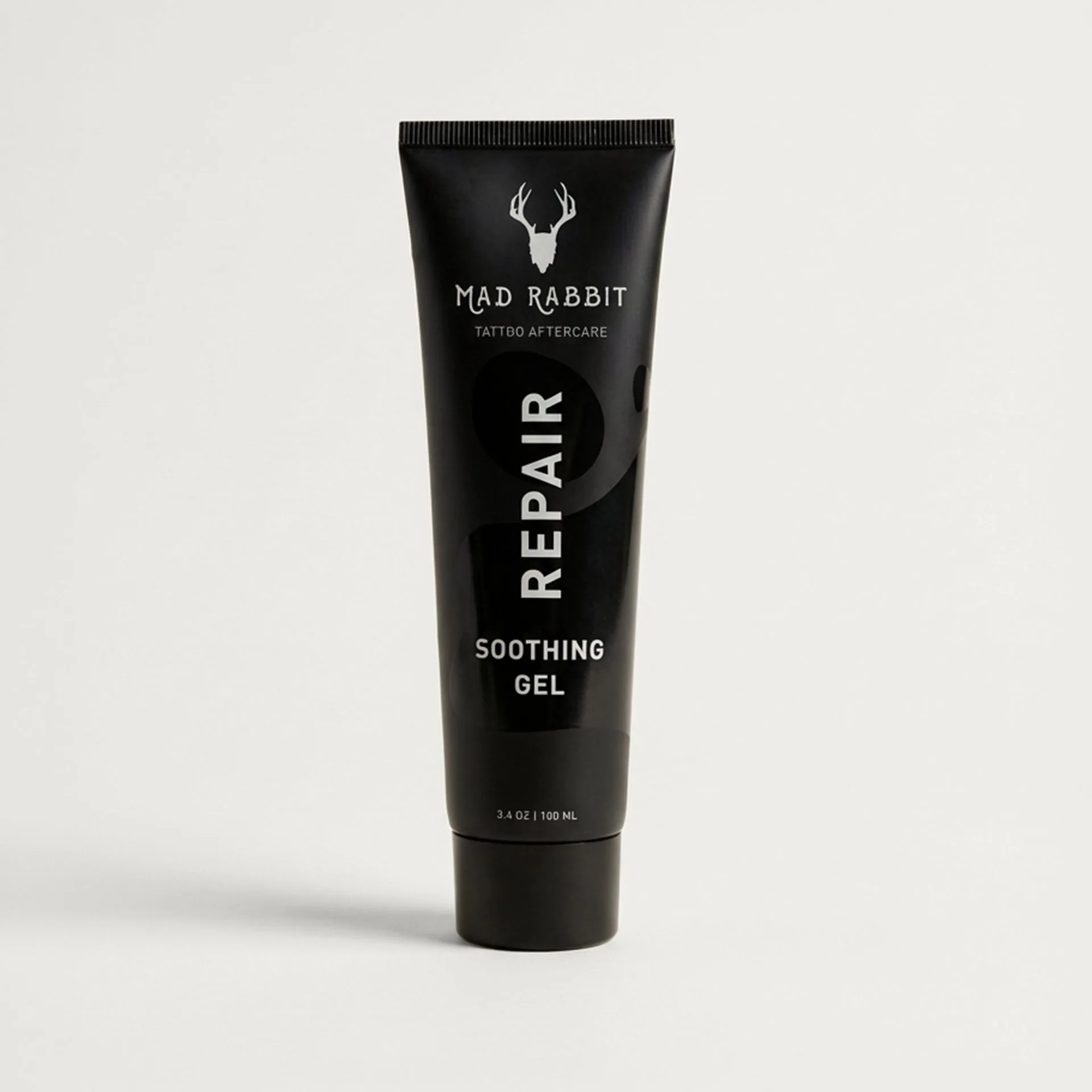
Tattoo Soothing Gel
- Use only fragrance-free, hypoallergenic products to reduce irritation risk.
- Never pick at scabs or peeling skin—this can introduce bacteria.
- Keep the tattooed area clean and dry, especially in the first 48 hours.
Managing Slow Healing with the Right Routine
Slow healing is a common challenge for diabetics, but a consistent, gentle routine can make a significant difference. Moisturize the tattoo multiple times a day with a product that locks in moisture without suffocating the skin. Look for ingredients like shea butter, vitamin E, and natural oils that support skin repair. Avoid products containing alcohol, retinoids, or harsh exfoliants, as these can delay healing and cause further irritation.
A product like Daily Tattoo Lotion is ideal for ongoing maintenance after the initial healing phase. It provides lightweight hydration that keeps the skin supple and the ink vibrant without heavy residue. For diabetics, it’s important to apply lotion only to clean, dry skin and to avoid over-moisturizing, which can soften scabs too quickly. Stick to a routine of washing, moisturizing, and monitoring the tattoo for any changes. If you notice signs of infection or poor healing, contact your doctor immediately.

Daily Tattoo Lotion
- Apply moisturizer in thin layers to avoid trapping bacteria.
- Keep the tattoo out of direct sunlight during healing—UV rays can slow recovery.
- Stay hydrated and maintain a balanced diet rich in protein and vitamins to support skin repair.
Choosing Safe and Effective Products for Diabetic Skin
Not all tattoo aftercare products are created equal, and for diabetics, ingredient transparency is crucial. Avoid products with artificial dyes, parabens, or heavy fragrances that can trigger allergic reactions or skin sensitivities. Instead, opt for formulations that are dermatologist-tested, non-comedogenic, and designed for sensitive skin. The goal is to support the skin’s natural barrier without introducing unnecessary chemicals.
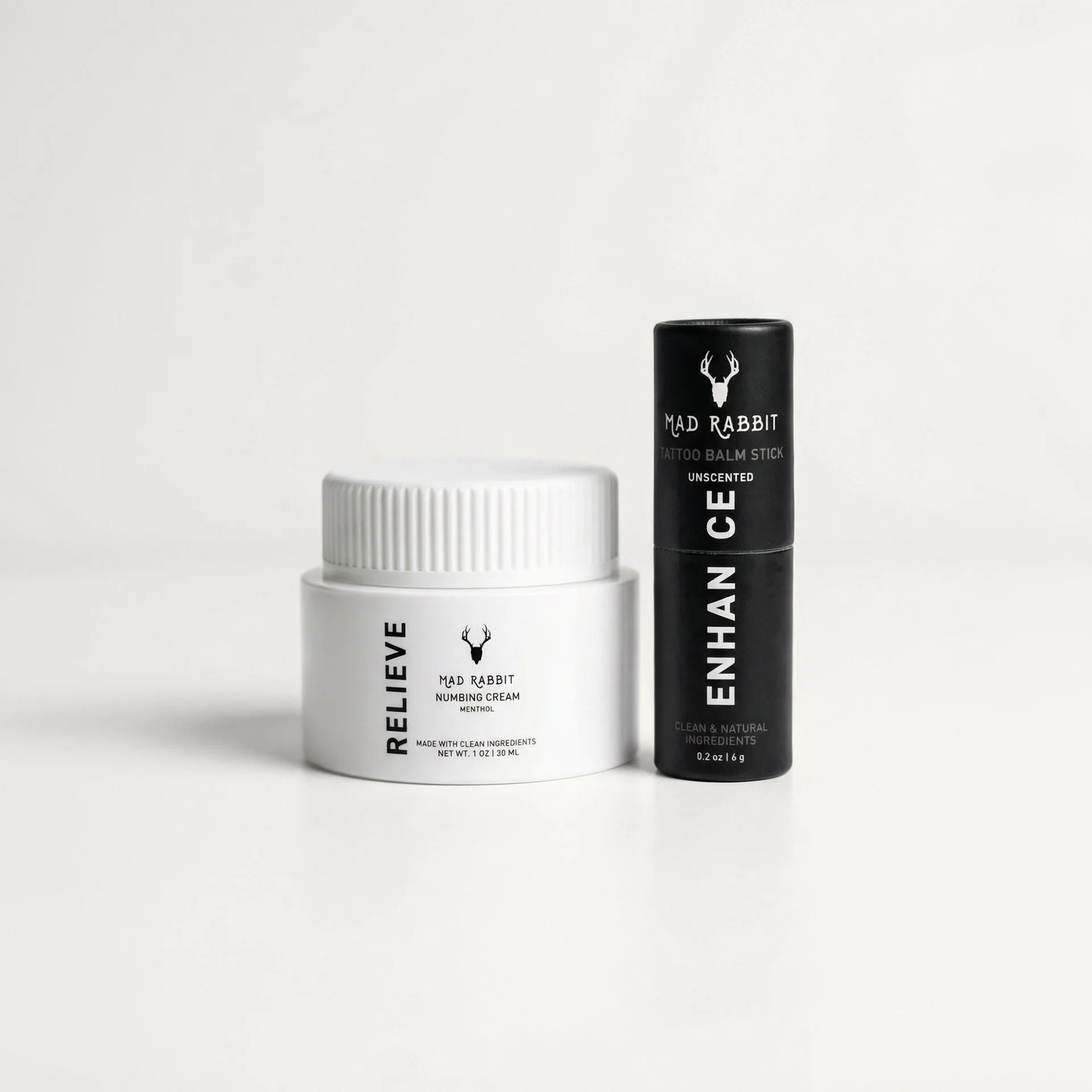
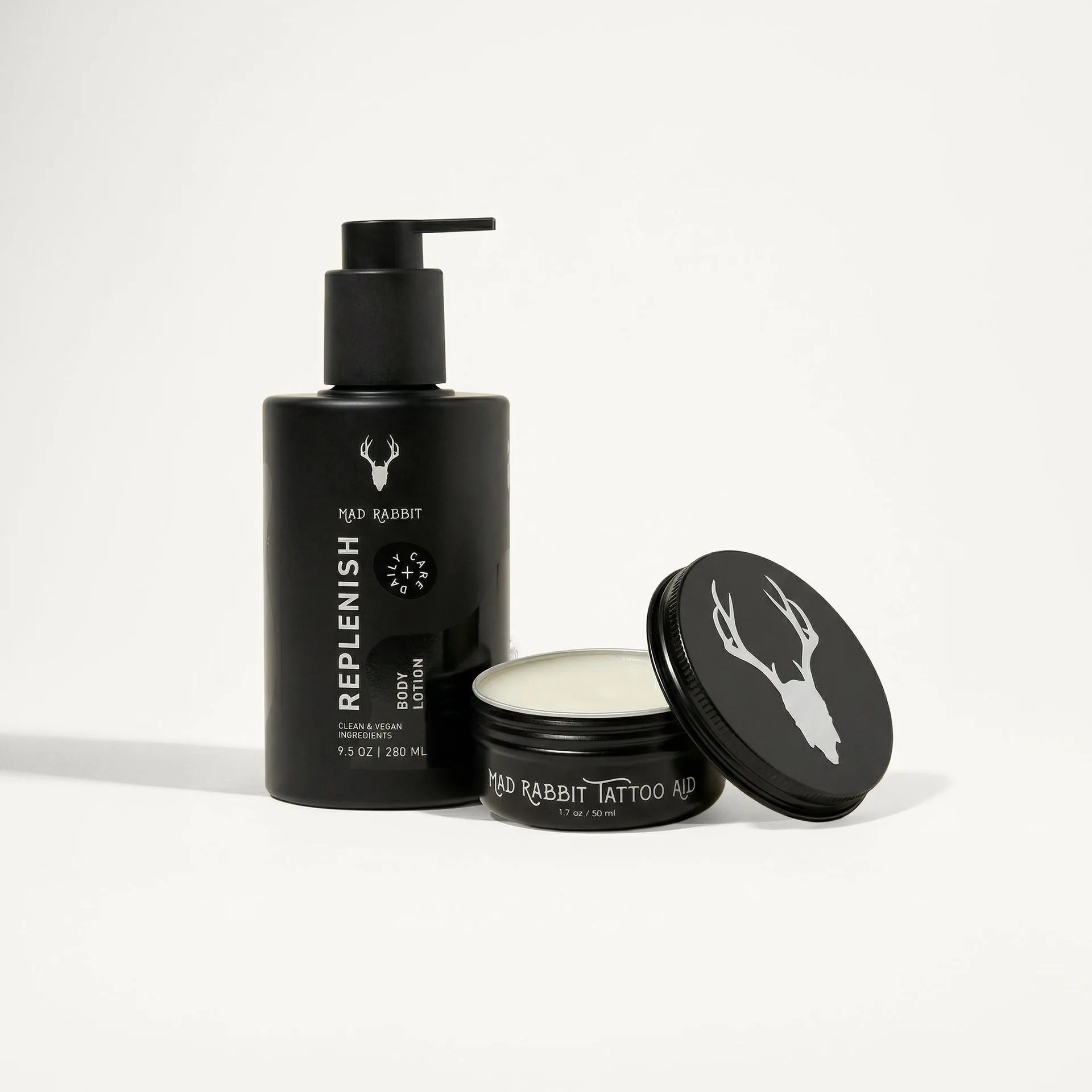
The New Tattoo Aftercare Intro Kit is a smart choice for diabetics because it bundles essential products for the entire healing journey, from the first wash to long-term maintenance. This kit includes a gentle cleanser and a soothing balm that work together to reduce inflammation and promote healing. For diabetics, having a complete, coordinated routine simplifies aftercare and reduces the risk of using incompatible products. Always patch-test any new product on a small area of skin before applying it to your tattoo.
- Look for products labeled “for sensitive skin” or “diabetic-friendly.”
- Avoid products with high alcohol content that can dry out the skin.
- Consult your dermatologist or endocrinologist for personalized product recommendations.
Long-Term Tattoo Care for Diabetics
Once your tattoo is fully healed, ongoing care is still important for diabetics to maintain skin health and ink vibrancy. Continue to moisturize daily, especially in dry climates or during winter months. Protect your tattoo from sun exposure by applying a broad-spectrum sunscreen with at least SPF 30, as UV rays can fade ink and damage diabetic skin more quickly. Regularly check your skin for any changes, such as discoloration, texture changes, or new growths, and report them to your doctor.
Diabetics should also be mindful of any new tattoos when monitoring for diabetic complications like neuropathy or poor circulation. If you experience numbness, tingling, or persistent redness around a healed tattoo, seek medical advice. With proper long-term care, your tattoo can remain a beautiful part of your self-expression for years to come. Remember that your health always comes first—never compromise on safety for the sake of aesthetics.
- Use a gentle, fragrance-free sunscreen on tattooed areas.
- Stay consistent with daily moisturizing to prevent dry, cracked skin.
- Schedule regular check-ups with your healthcare provider to monitor skin health.
Tattoo aftercare for diabetics requires extra attention, but with the right knowledge and products, you can achieve safe, beautiful results. Prioritize infection prevention, manage slow healing with a gentle routine, and choose products designed for sensitive skin. Explore the New Tattoo Aftercare Intro Kit to start your healing journey with confidence and care.