What the Tawashi Brush Is Designed For
The Tawashi Brush is a durable, biodegradable kitchen cleaning staple. Its natural bristles are tough enough to scrub root vegetables like carrots, radishes, and potatoes, and it handles everyday cookware without damaging surfaces. It also removes superficial marks left by flatware when paired with a scouring powder.
Key Facts About the Tawashi Brush
-
Tawashi Brush: The durable biodegradable Tawashi Brush is a kitchen cleaning staple. It confirms the brush is meant for regular kitchen use and is environmentally friendly.
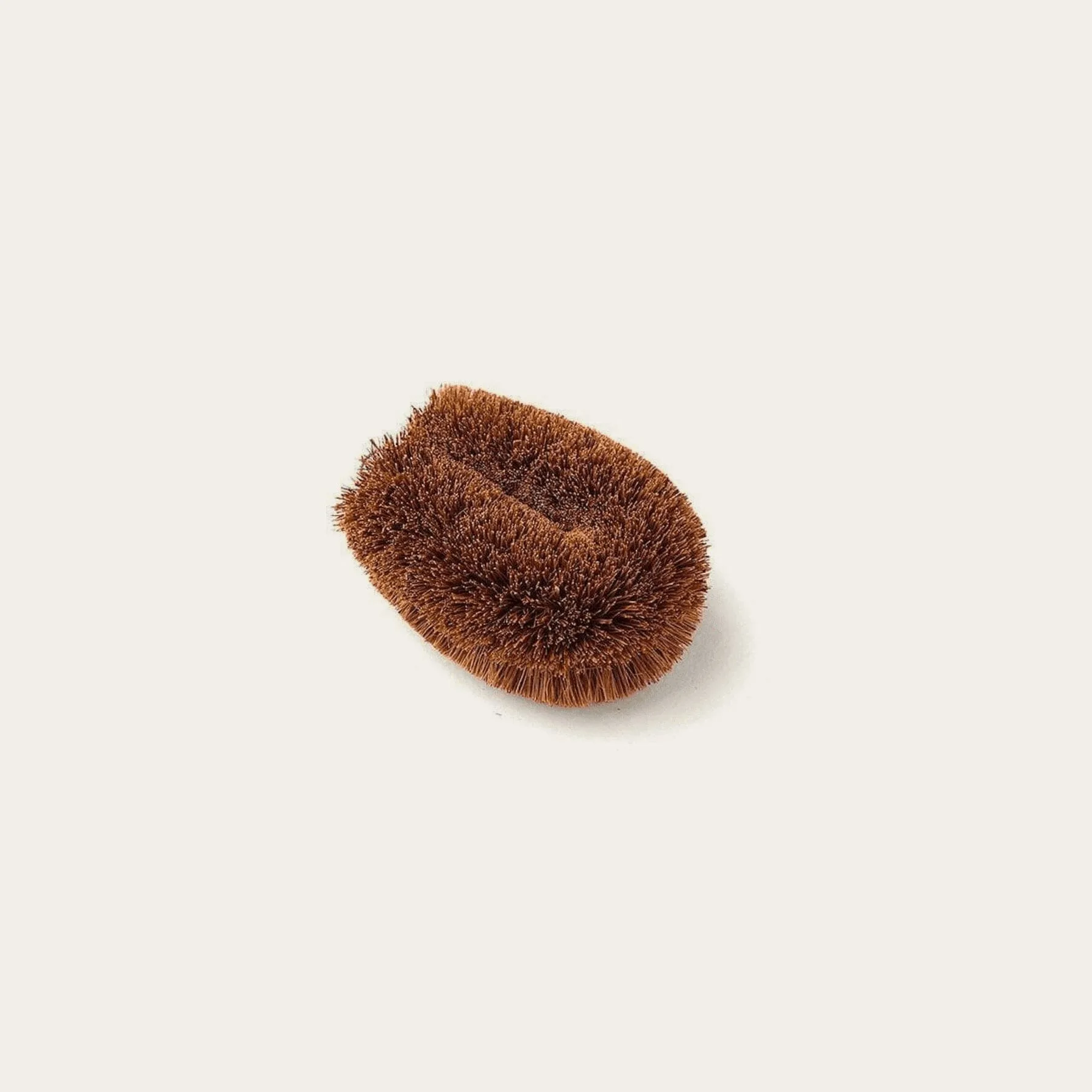
Tawashi Brush
-
Tawashi Brush: Remove superficial marks caused by flatware with the Tawashi Brush and a scouring powder. This is the only supplied cleaning instruction, so it's your primary method for maintaining the brush's appearance and function.
-
Tawashi Brush: Clean everyday cookware. Use to scrub root vegetables including carrots, radishes, and potatoes. These uses show the brush's versatility, but also mean it will collect food residue and need regular cleaning.
How to Clean Your Tawashi Brush
The supplied instructions focus on removing flatware marks with scouring powder. For general cleaning after vegetable or cookware use, follow these steps to keep the brush in good condition.
- Rinse thoroughly after each use: Run warm water through the bristles to dislodge food particles and debris. Shake off excess water.
- Remove flatware marks with scouring powder: If the brush has superficial marks from flatware, apply a small amount of scouring powder to the damp bristles and scrub gently. Rinse well afterward.
- Air dry completely: Place the brush bristle-side down in a well-ventilated area or hang it to dry. Avoid storing it wet, as moisture can degrade natural fibers over time.
Maintaining the Brush for Longer Life
Because the Tawashi Brush is biodegradable, it will eventually wear out with regular use. To extend its lifespan, avoid leaving it soaking in water for long periods, and don't use it on abrasive surfaces that could fray the bristles prematurely. If the bristles become loose or the brush starts shedding, it's time to replace it. The supplied information does not specify a particular lifespan, so inspect the brush periodically and replace it when it no longer cleans effectively.