Many of us have experienced that uncomfortable feeling after a heavy meal—bloating, indigestion, or an unsettled stomach. While over-the-counter remedies are readily available, nature offers gentle yet effective solutions in the form of herbal teas. For centuries, cultures around the world have turned to warm, aromatic infusions to aid digestion and promote overall gut health. In this article, we explore which teas are best for settling your stomach and how you can incorporate them into your daily wellness routine.
At Newby Teas, we believe in the power of high-quality ingredients to nurture both body and mind. Whether you’re seeking a soothing cup after dinner or a gentle morning cleanse, our selection of fruit and herbal teas provides natural support for digestive comfort. Let’s dive into the science and tradition behind stomach-soothing teas.
Why Herbal Teas Are Effective for Digestion
Herbal teas have been used in traditional medicine systems like Ayurveda and Traditional Chinese Medicine for thousands of years to treat digestive issues. Unlike caffeinated beverages, which can sometimes irritate the stomach lining, herbal infusions are naturally caffeine-free and packed with compounds that relax the digestive tract. Key ingredients like peppermint, ginger, and chamomile contain volatile oils and antioxidants that reduce inflammation, ease muscle spasms, and stimulate bile production—all of which support smoother digestion.
For example, peppermint tea is renowned for its ability to relieve gas and bloating, while ginger tea is a go-to remedy for nausea and indigestion. The warmth of the tea itself also helps by increasing blood flow to the digestive organs and promoting relaxation. When you choose a high-quality herbal blend, you maximize these benefits because the active compounds are more concentrated and pure.
- Peppermint contains menthol, which relaxes the muscles of the digestive tract.
- Ginger’s gingerols and shogaols reduce nausea and accelerate gastric emptying.
- Chamomile’s apigenin soothes inflammation and promotes calmness.
Top Teas for Stomach Soothing
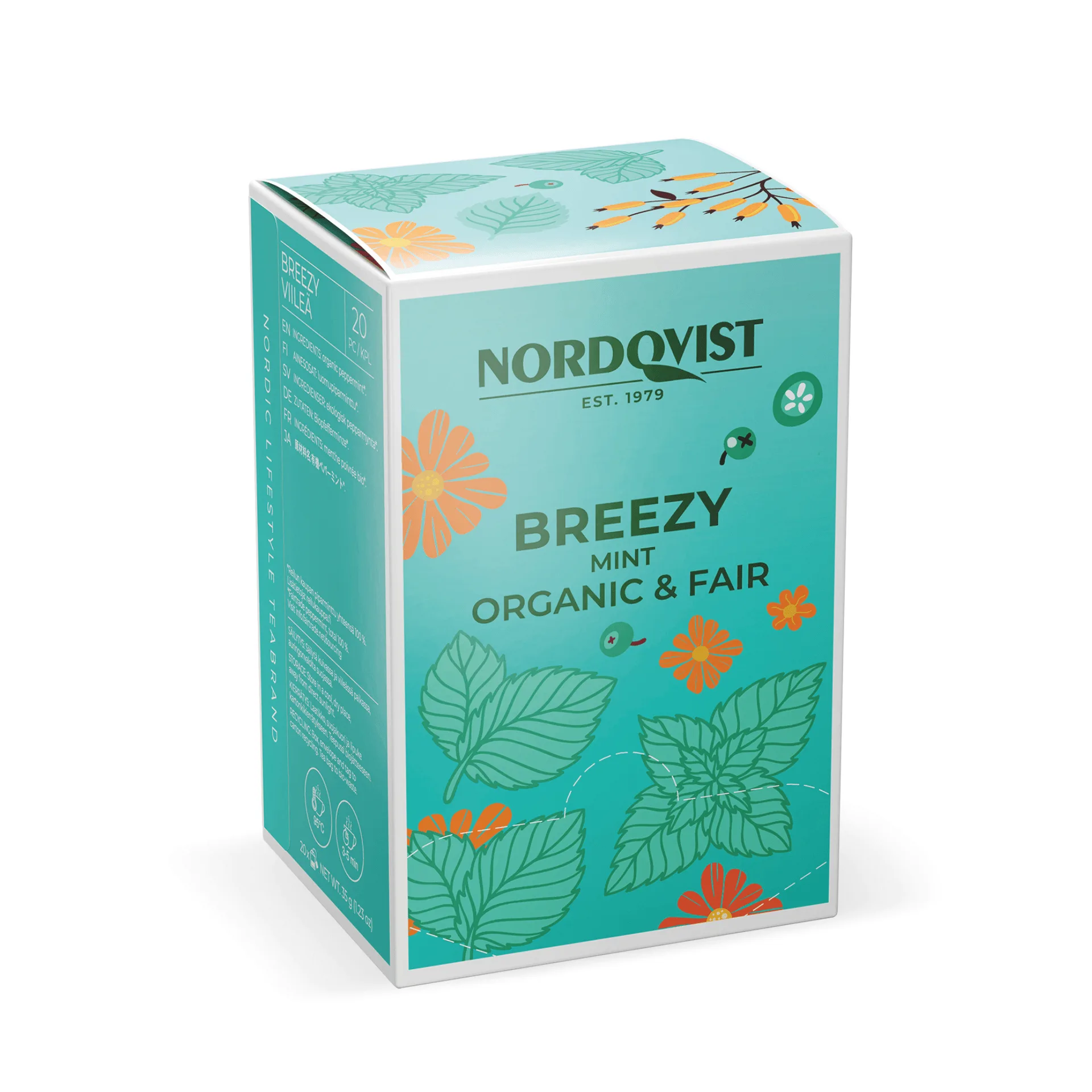
When it comes to settling your stomach, not all teas are created equal. Here are some of the most effective options you can try. Peppermint tea is a classic choice; its cooling menthol helps relax the intestinal muscles, reducing cramping and bloating. Ginger tea is another powerhouse, particularly for nausea and motion sickness. For a fruity twist, try hibiscus tea, which is rich in antioxidants and may aid digestion by reducing inflammation in the gut.
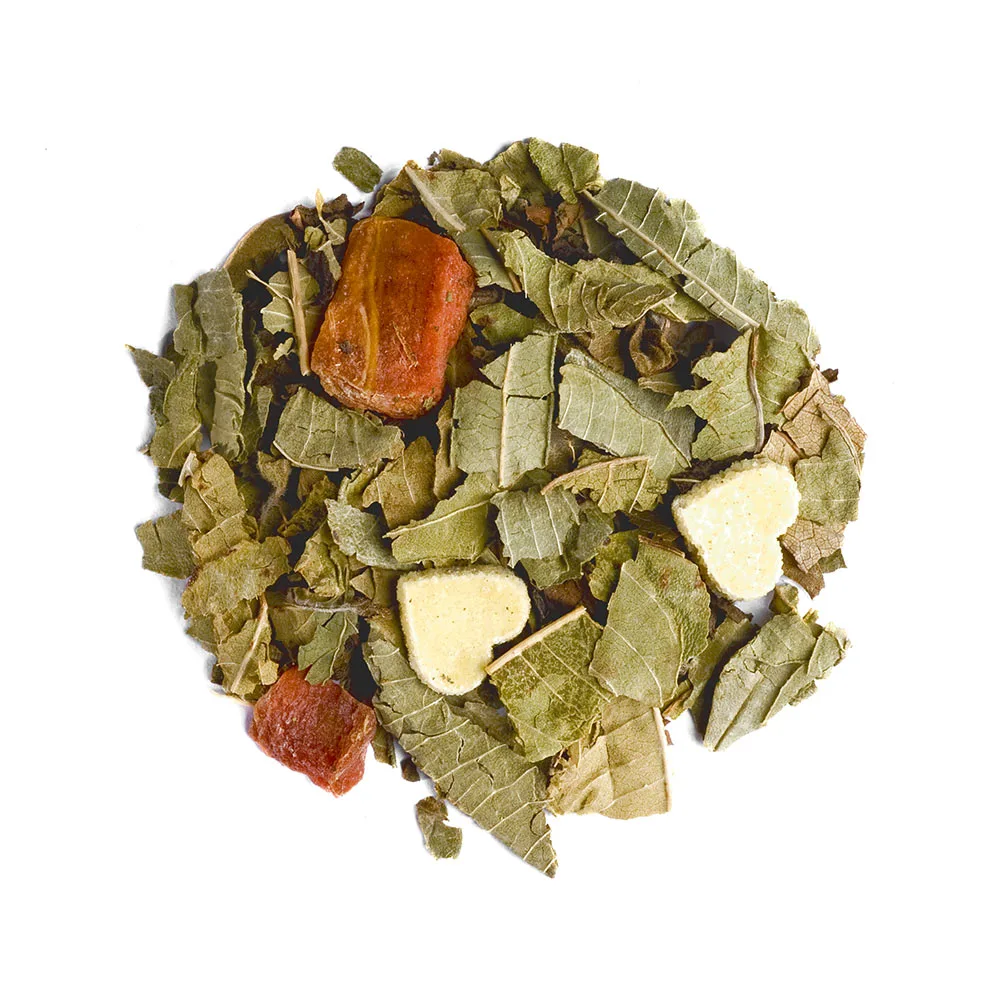
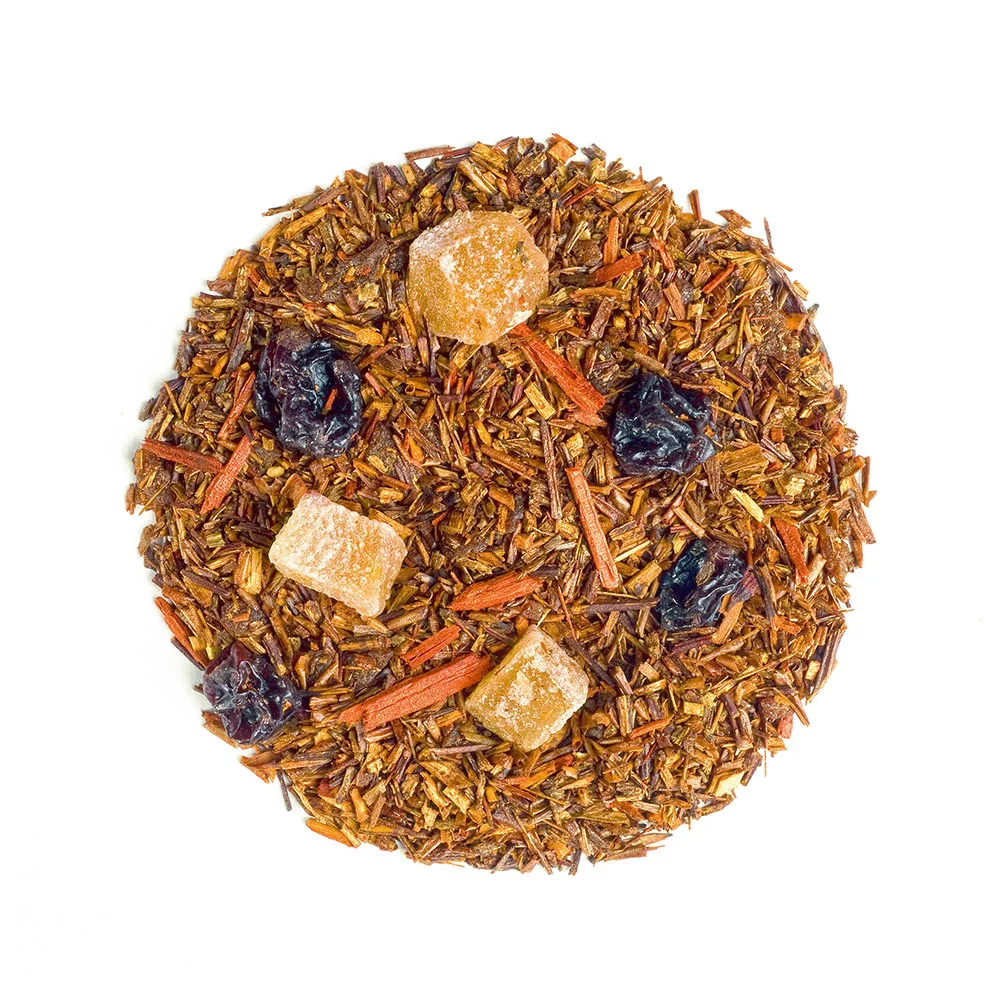
Rooibos tea, naturally caffeine-free and packed with minerals, is gentle on the stomach and can help with acid reflux. Our https://sunbiteai.shop/products/rooibos-orange-silken-pyramids-135978Rooibos Orange Silken Pyramids combine rooibos with citrus notes for a refreshing, soothing cup. For a more targeted detox effect, the Mystical Detox Loose Leaf Tea Pouch - 200g blends herbs like dandelion and fennel that support liver function and digestion. Finally, chamomile tea is perfect for evening use, as it calms both the mind and the stomach.
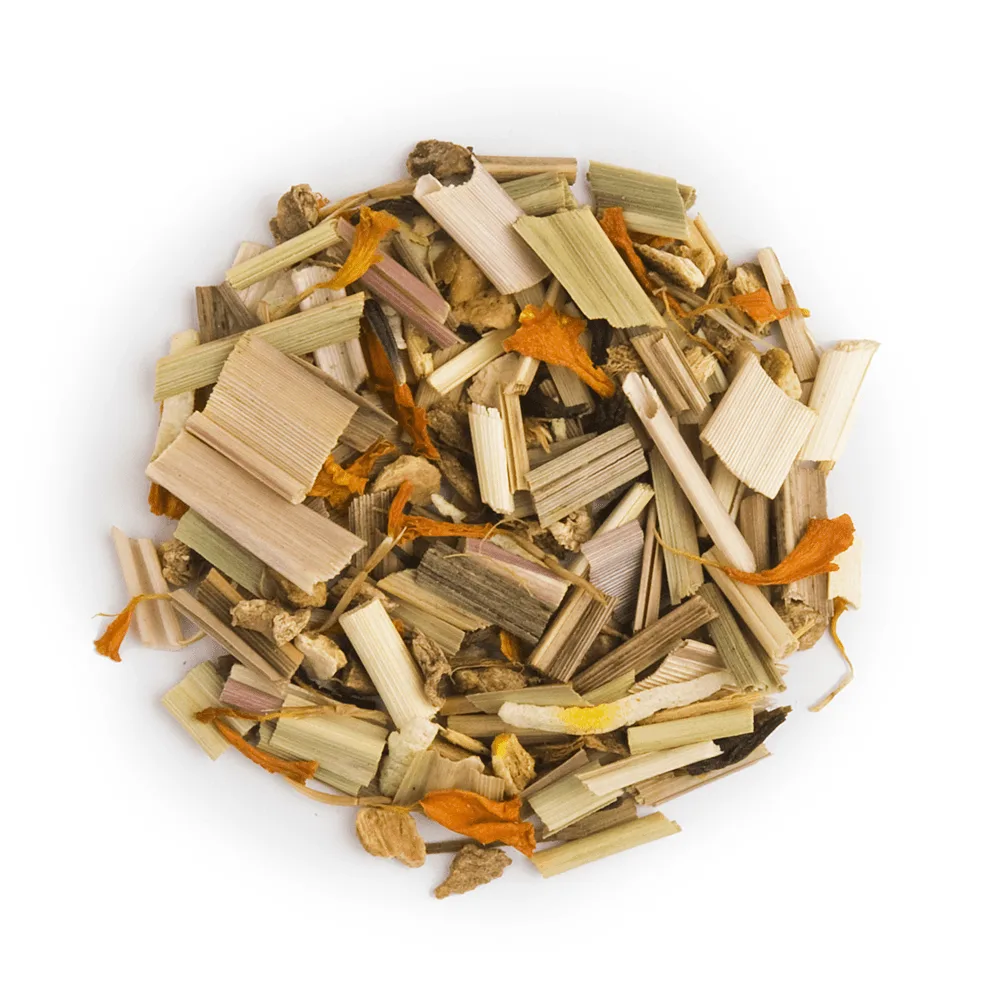
Mystical Detox Loose Leaf Tea Pouch - 200g
- Peppermint: best for bloating and gas.
- Ginger: ideal for nausea and indigestion.
- Rooibos: gentle on sensitive stomachs.
- Hibiscus: anti-inflammatory and refreshing.
- Chamomile: calming and anti-spasmodic.
How to Brew the Perfect Digestive Tea
To get the most out of your digestive tea, proper brewing is essential. Start with fresh, filtered water and bring it to the right temperature. For herbal teas, boiling water (100°C or 212°F) is usually best to extract the full range of beneficial compounds. Use about one teaspoon of loose leaf tea or one tea bag per cup. Steep for 5 to 7 minutes, covered, to trap the volatile oils that aid digestion. Avoid over-steeping, which can make the tea bitter.
For a more potent effect, consider combining teas. For example, a blend of peppermint and ginger can tackle both bloating and nausea simultaneously. You can also add a slice of fresh lemon or a drizzle of honey for extra flavor and digestive benefits. Remember to drink your tea slowly, savoring each sip, as rushing can actually worsen stomach discomfort. If you’re using a high-quality product like the Hibiscus Red Berries Boutique Pouch 100g, follow the package instructions for best results.
- Use boiling water for herbal teas.
- Steep for 5–7 minutes with a lid.
- Add lemon or honey for extra benefits.
Incorporating Digestive Teas into Your Routine
Consistency is key when using tea to support digestion. Try drinking a cup of peppermint or ginger tea 20–30 minutes after meals to ease the digestive process. For morning relief, a cup of ginger tea can kickstart your metabolism and settle any overnight queasiness. In the evening, chamomile or rooibos tea can help you unwind while soothing your stomach after dinner.
You can also create a weekly rotation to avoid palate fatigue. For instance, enjoy peppermint tea on busy days, ginger tea when you feel nauseous, and rooibos on days when you want something mild and sweet. Our Luxury Faux Leather Gift Box With 6 Classic Caddies makes an excellent gift for anyone looking to explore a variety of stomach-friendly teas, as it includes multiple blends in one elegant package.
- Drink after meals for best results.
- Rotate between peppermint, ginger, and rooibos.
- Use a gift set to sample different blends.
Whether you're dealing with occasional indigestion or simply want to support your digestive health naturally, herbal teas offer a delicious and effective solution. From the refreshing coolness of peppermint to the warming kick of ginger, there’s a tea for every need. Explore our collection of fruit and herbal teas to find your perfect stomach-soothing companion. We invite you to discover the Mystical Detox Loose Leaf Tea Pouch - 200g for a gentle, daily digestive cleanse that’s both flavorful and functional.