Pairing tea with food is an art that can transform a simple meal into a memorable culinary experience. While wine pairing often steals the spotlight, tea offers an equally rich and versatile palette of flavors—from smoky and malty to grassy and floral. Whether you are hosting a dinner party or simply want to elevate your weekday lunch, understanding the basics of tea and food pairing can open up a world of taste sensations.
In this guide, we will explore the principles behind successful tea pairings, highlight specific teas and their ideal food companions, and share practical tips for creating your own pairings at home. By the end, you will feel confident selecting the perfect tea to complement—and enhance—any dish.
The Principles of Tea and Food Pairing
Successful tea and food pairing relies on a few key principles: balance, contrast, and complement. Balance means that neither the tea nor the food should overpower the other. For example, a delicate green tea might be overwhelmed by a heavy, spicy curry, while a bold black tea could mask the subtlety of a light salad. Contrast involves pairing opposing flavors to create a harmonious whole—think of the way a slightly astringent tea can cut through rich, fatty foods, cleansing the palate. Complement, on the other hand, means matching similar flavor notes, such as pairing a floral oolong with a lavender-infused dessert.
Another important factor to consider is the temperature of the tea. Hot tea can enhance the warmth of a dish, while iced tea provides a refreshing contrast on a hot day. The brewing strength also matters: a lightly steeped tea is more versatile for pairing, while a strong brew demands equally robust flavors in the food. Finally, always consider the tea’s body and finish—light-bodied teas like white or green pair best with delicate dishes, while full-bodied black teas and roasted oolongs can stand up to hearty, savory fare.
- Start with a neutral palate: sip the tea alone first to understand its flavor profile.
- Consider the dominant flavor of the dish—spicy, sweet, sour, bitter, or umami—and choose a tea that either mirrors or contrasts it.
- Don't forget the power of aroma: the scent of the tea can influence how the food tastes.
Classic Pairings: Black Tea with Savory Dishes
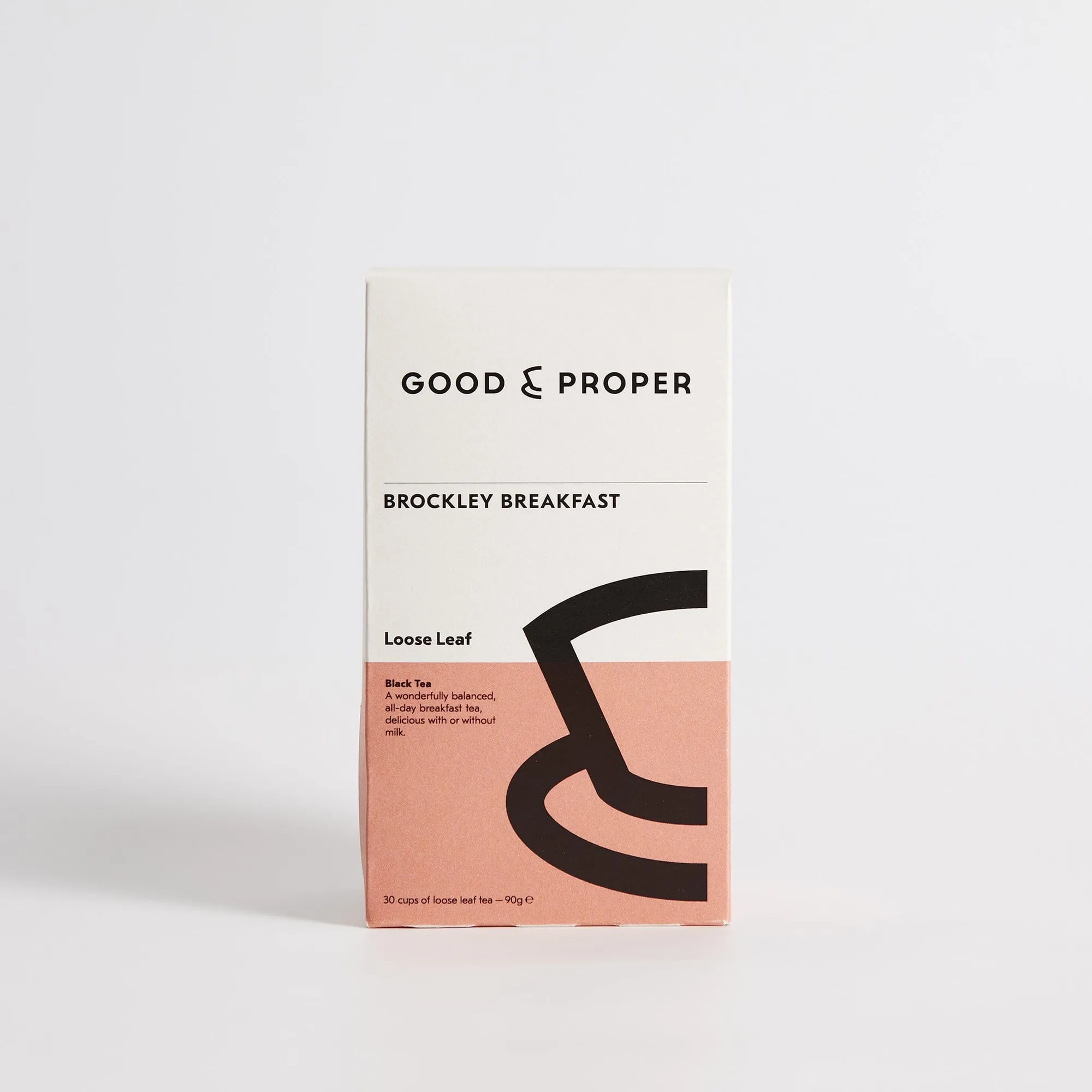
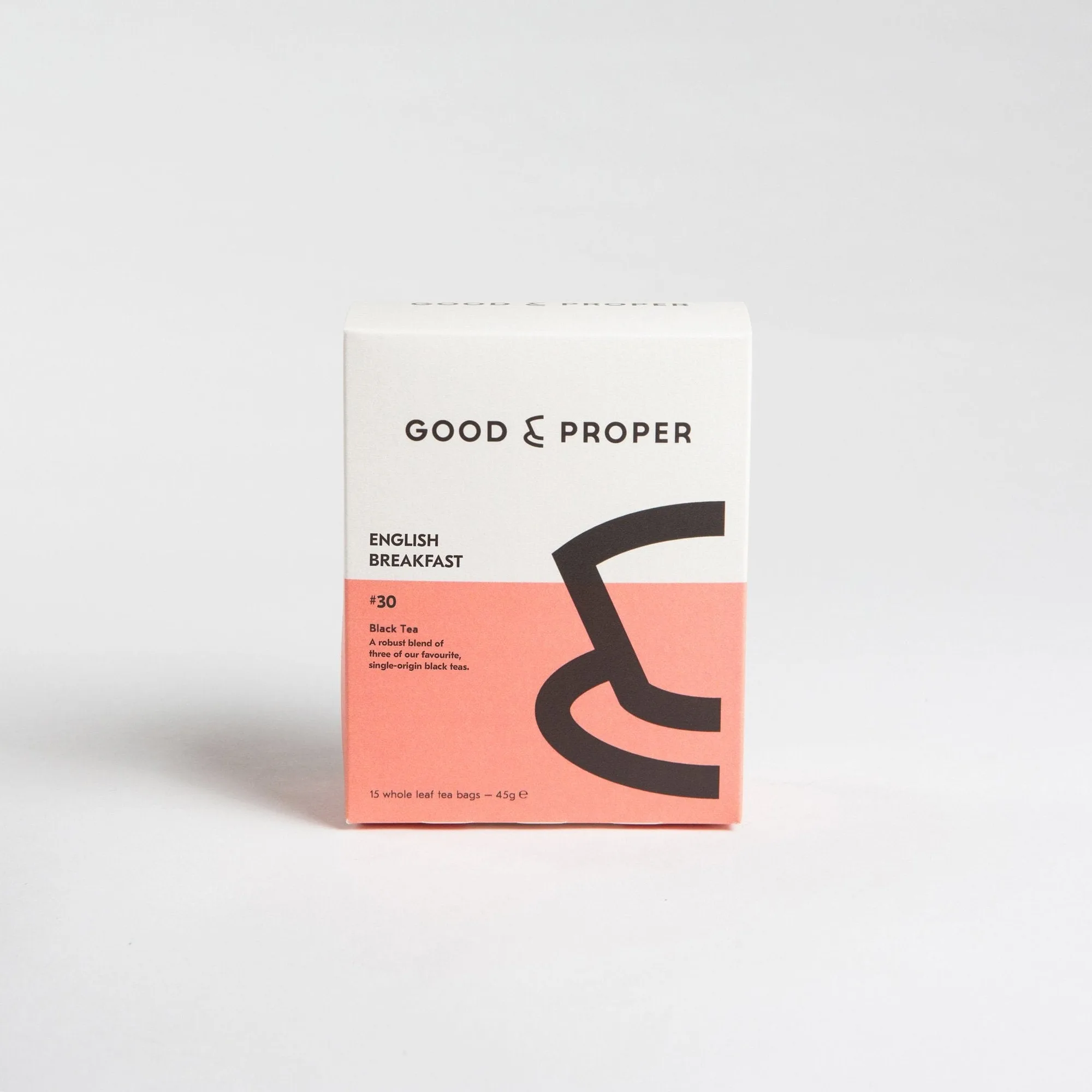
Black tea is one of the most versatile teas for food pairing, thanks to its bold flavor, moderate astringency, and malty or fruity notes. A classic English Breakfast or Assam pairs beautifully with hearty breakfast foods like eggs, bacon, and sausages, as the tea’s robustness cuts through the richness. For lunch or dinner, try pairing a smoky Lapsang Souchong with grilled meats or roasted vegetables—the campfire notes echo the char of the grill. A smooth, mellow Keemun complements roasted poultry or creamy pasta dishes, adding depth without overpowering.
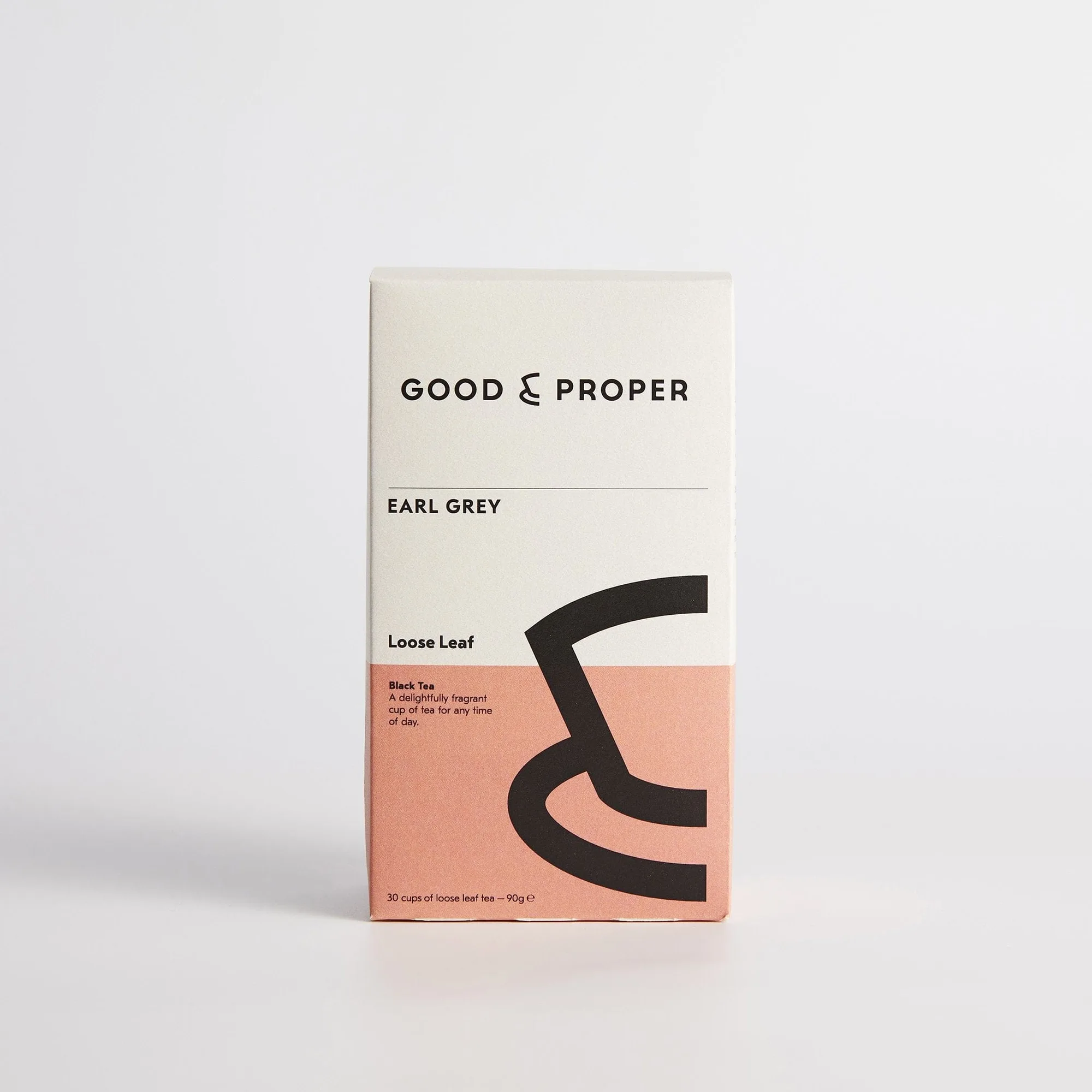
For a truly elevated experience, pair a floral Earl Grey with lemon-infused fish or a citrusy salad. The bergamot in the tea brightens the dish and adds a layer of complexity. If you are serving a cheese board, reach for a malty Assam to balance aged cheddar or a fruity Keemun to complement soft, creamy cheeses. The key is to let the tea’s natural characteristics guide your choices.
- Keemun pairs wonderfully with roasted chicken or mushroom risotto.
- Earl Grey is a natural match for lemon desserts and seafood.
Green and White Tea: Delicate Companions for Light Fare
Green and white teas are prized for their subtle, fresh flavors and low astringency. They shine when paired with light, delicate dishes such as salads, steamed vegetables, sushi, and white fish. A classic Sencha, with its grassy and slightly sweet profile, is a fantastic match for a cucumber and avocado salad or a simple miso soup. For a more floral green tea, like Jasmine Pearls, try pairing it with Thai or Vietnamese cuisine—the jasmine fragrance complements lemongrass, ginger, and coconut. White teas, such as Bai Mu Dan, offer a gentle sweetness that pairs beautifully with fresh fruit, light cheeses, and mild seafood like scallops or shrimp.
When brewing these teas for pairing, use cooler water (around 70-80°C) and a shorter steeping time to preserve their delicate character. Oversteeping can introduce bitterness that clashes with food. Remember that these teas are best enjoyed on their own or with very simple accompaniments—they are not meant to compete with heavy sauces or spices.
- Jade Tips (Mao Jian) is a wonderful green tea to pair with steamed dumplings or a light vegetable stir-fry.
- For a truly special occasion, try the GUEST TEA Kawaguchi Sisters Shincha, which is the first harvest of the year and has an incredibly fresh, umami-rich flavor that pairs beautifully with sashimi.
Herbal and Floral Teas: Versatile Pairings for Any Course
Herbal teas are naturally caffeine-free and offer a wide range of flavors, from minty and spicy to fruity and floral. They are incredibly versatile for food pairing and can be used throughout the meal. Peppermint tea is excellent after a heavy meal, aiding digestion and cleansing the palate. It also pairs surprisingly well with dark chocolate or lamb dishes, where the minty freshness cuts through the richness. Chamomile, with its apple-like sweetness, is a classic partner for honey-drizzled desserts, baked apples, or a simple shortbread cookie.
Lemongrass tea brings a bright, citrusy note that complements Thai curries, grilled chicken, or seafood. Its uplifting aroma can also enhance a light fruit salad. For a more exotic pairing, try rooibos with barbecue or smoked meats—its earthy, slightly sweet profile mirrors the smokiness. When serving herbal teas with food, consider infusing them with fresh herbs or spices to create a custom blend that matches your menu.
- Lemongrass - Loose Leaf is ideal for pairing with Southeast Asian dishes or citrus-based desserts.
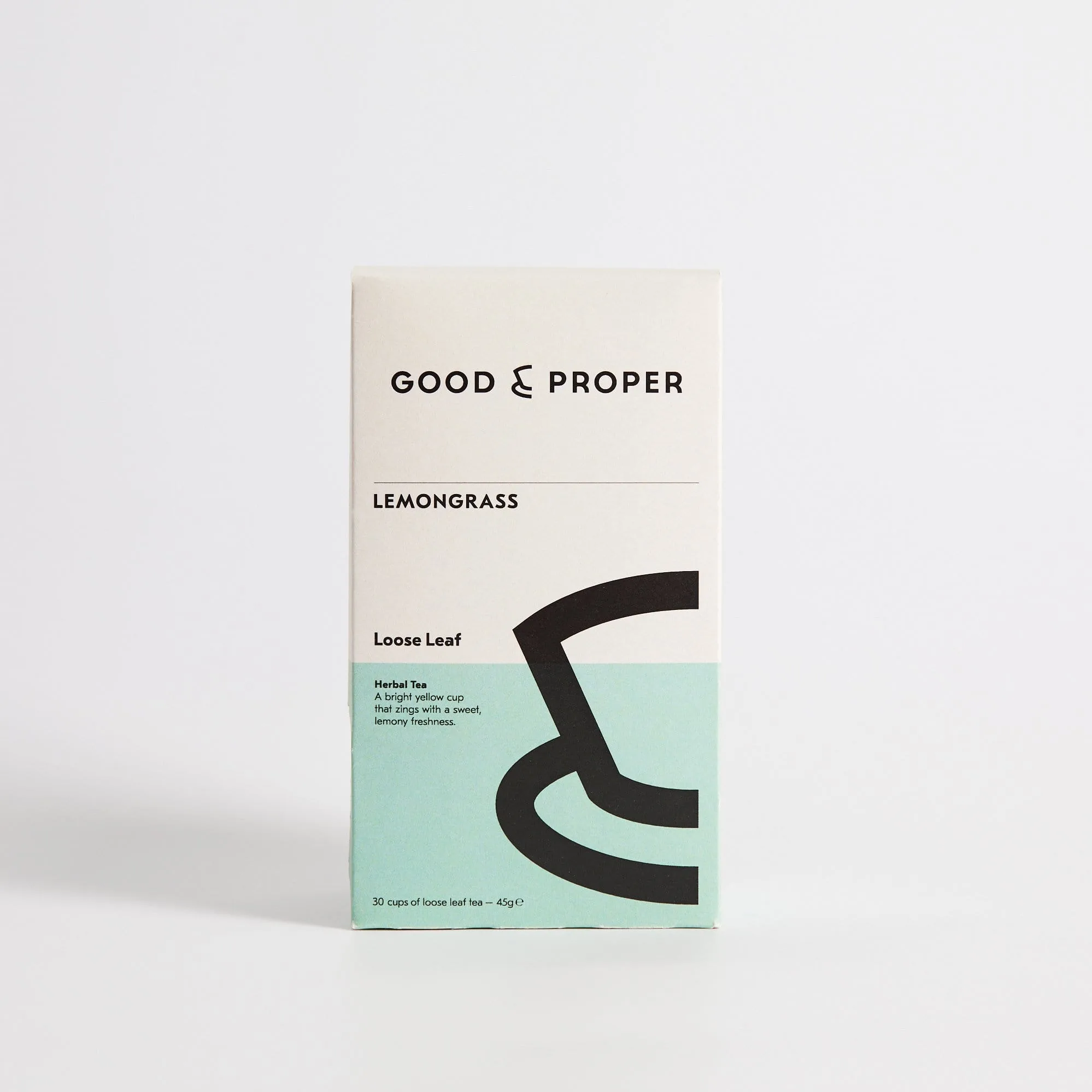
Lemongrass - Loose Leaf
- Peppermint - Loose Leaf works wonderfully as a palate cleanser between courses.
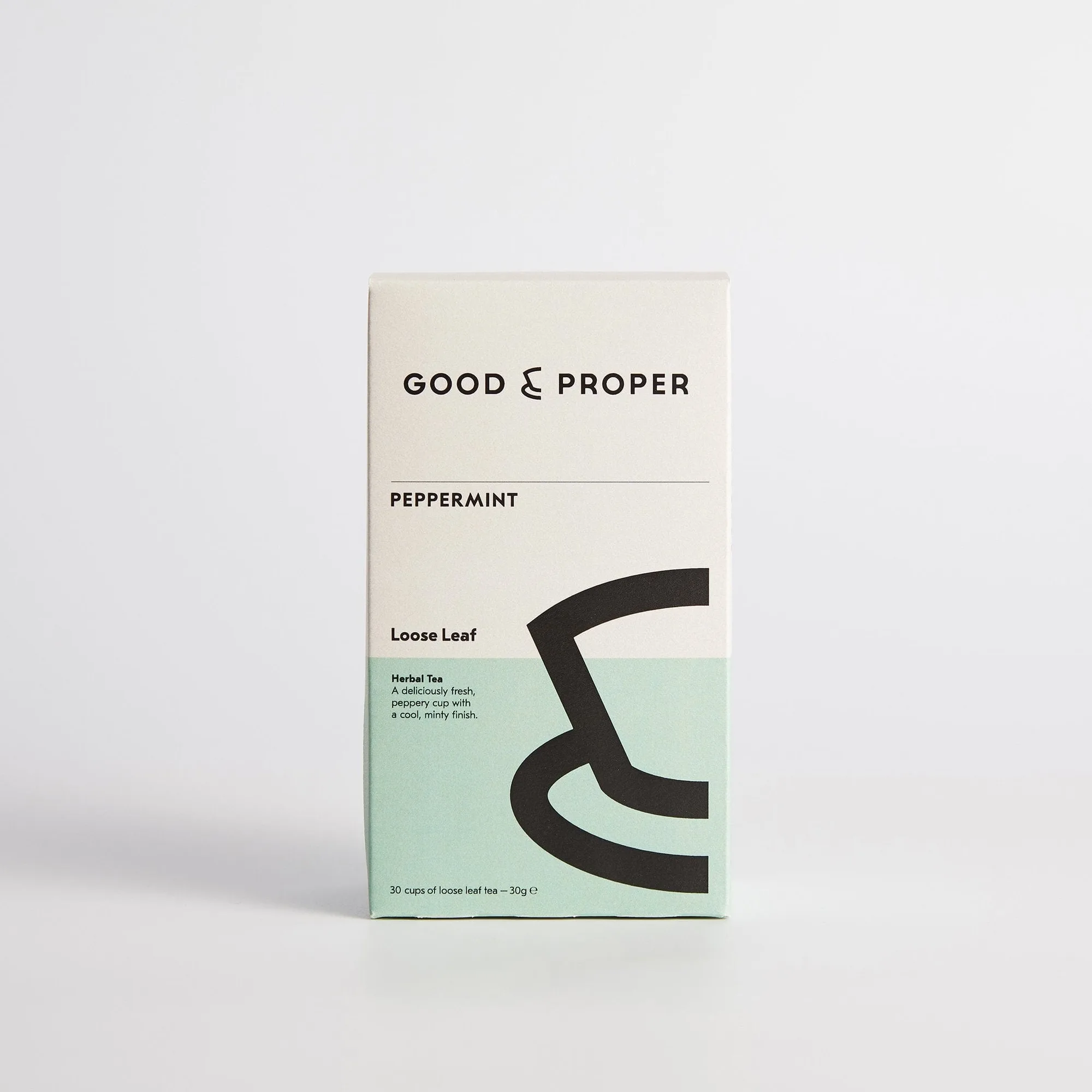
Peppermint - Loose Leaf
Matcha and Desserts: A Match Made in Heaven
Matcha, the powdered green tea, has a unique creamy texture and a flavor that ranges from sweet and vegetal to slightly bitter. This makes it an exceptional partner for desserts, where its umami and bitterness can balance sweetness. Classic pairings include matcha with white chocolate, vanilla, or coconut—the richness of these ingredients softens matcha’s edge. Matcha also works beautifully with fruit-based desserts like strawberry shortcake or lemon tart, as the tea’s grassy notes complement the fruit’s acidity.
When preparing matcha for a pairing, use high-quality ceremonial grade matcha for the best flavor. You can also incorporate matcha directly into the dish, such as in matcha ice cream, cakes, or even savory sauces. For a simple pairing, serve a bowl of usucha (thin matcha) alongside a piece of dark chocolate or a mochi dessert. The ritual of whisking and sipping matcha adds a mindful element to the dining experience.
- A Bamboo Matcha Whisk (Chasen) ensures a smooth, clump-free matcha every time.
- Use a Measure Spoon to portion matcha accurately for consistent flavor.
Practical Tips for Hosting a Tea Pairing Dinner
Hosting a tea pairing dinner is a wonderful way to explore flavors with friends and family. Start by selecting 3-4 teas and corresponding dishes that showcase different categories—perhaps a white tea with appetizers, a green tea with the main course, a black tea with cheese, and a herbal tea with dessert. Brew each tea just before serving to capture its full aroma and taste. Provide small tasting cups so guests can sip and compare. Encourage everyone to take notes on their impressions, noting how the tea changes the perception of the food.
Presentation also matters: use clear glass teapots or elegant ceramic cups to highlight the tea’s color. Consider offering a small palate cleanser, such as plain crackers or water, between pairings. Most importantly, have fun and experiment. Not every pairing will be a hit, but the journey of discovery is part of the joy. With a little practice, you will develop an intuitive sense for what works.
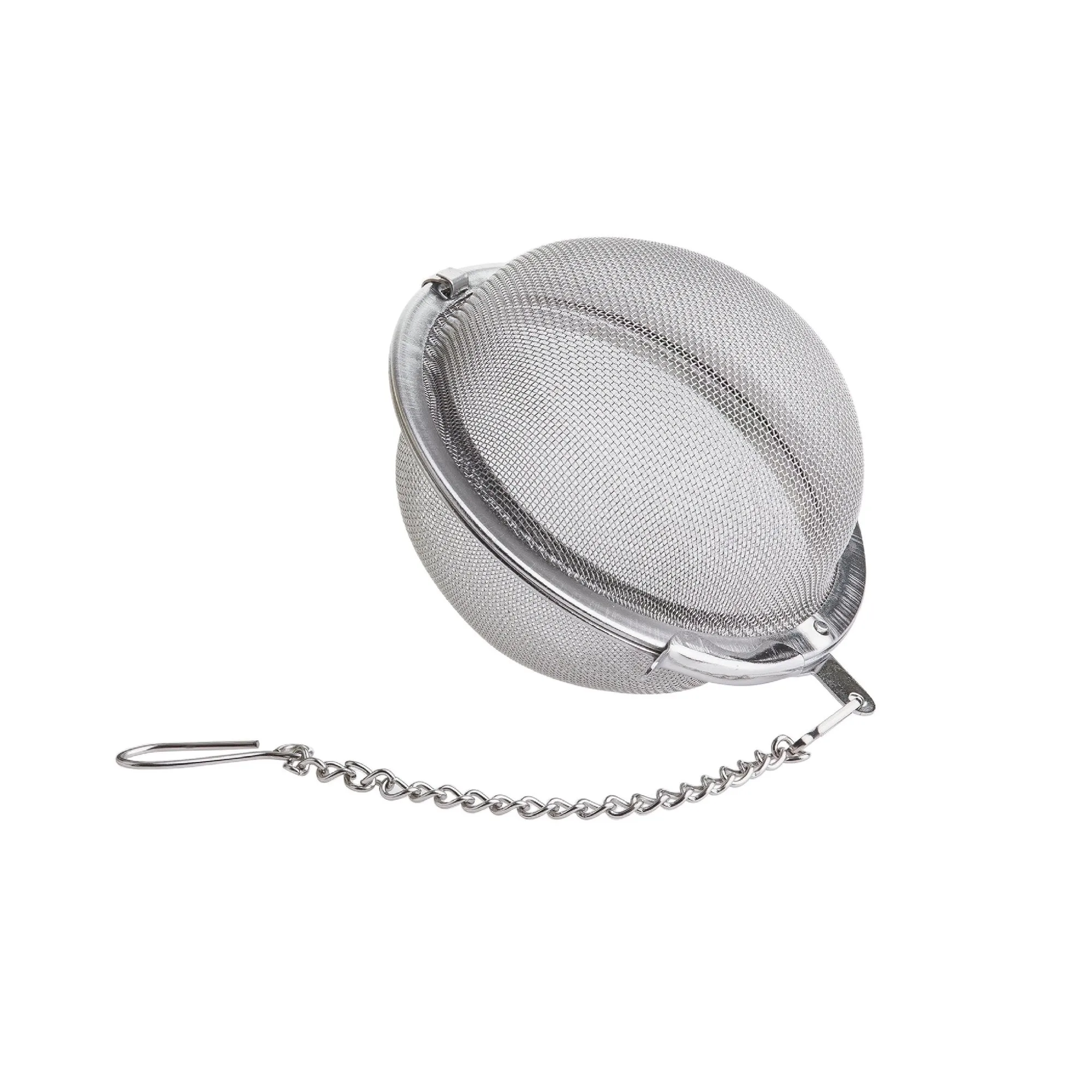
- Use Tea Filters for Loose Leaf to brew single servings quickly and cleanly.
- Store your teas in a Glass Storage Jar to keep them fresh and aromatic between pairings.
Tea and food pairing is a delightful way to deepen your appreciation for both. By understanding the basic principles and experimenting with different combinations, you can create memorable meals that surprise and delight. Start your pairing journey by exploring our selection of premium teas—whether you are drawn to a classic black tea, a delicate green, or a fragrant herbal, we have the perfect leaf to elevate your next dish.