For decades, tea has been celebrated not only for its comforting ritual and vast flavor spectrum but also for its potential health benefits. Among the most persistent claims is that drinking tea can aid weight loss. From ancient Chinese traditions to modern wellness blogs, the idea that a simple cup of tea might boost metabolism and help shed pounds is deeply appealing. But what does rigorous scientific research actually say?
In this article, we cut through the marketing hype to explore the evidence behind tea and weight loss. We'll examine key compounds like catechins, caffeine, and L-theanine, review human clinical trials, and offer practical, science-backed advice on how to incorporate tea into a healthy lifestyle. Whether you're a devoted green tea drinker or a fan of bold black blends, understanding the real mechanisms at work can help you make informed choices.
The Key Compounds: Catechins, Caffeine, and Synergy
The weight-loss potential of tea largely hinges on a group of antioxidants called catechins, with epigallocatechin gallate (EGCG) being the most studied. These compounds are particularly abundant in green tea, but they also appear in smaller amounts in white and oolong teas. Catechins are believed to influence weight by increasing thermogenesis—the body's production of heat from burning calories—and by enhancing fat oxidation, the process by which fat is broken down for energy.
Caffeine, another naturally occurring stimulant in tea, works synergistically with catechins. Research suggests that the combination of caffeine and EGCG can modestly increase metabolic rate and fat burning, especially during exercise. This synergy is one reason why whole tea leaves may offer advantages over isolated supplements. Additionally, the amino acid L-theanine, found almost exclusively in tea, promotes calm alertness and may help reduce stress-related eating, though this effect is less directly tied to metabolism.
- Tip: For maximum catechin content, opt for freshly brewed loose-leaf green tea rather than bottled or instant versions, which often contain fewer active compounds.
Green Tea and Metabolism: What Clinical Trials Show
Green tea has been the star of most weight-loss research. A meta-analysis published in the International Journal of Obesity reviewed 15 randomized controlled trials and concluded that green tea catechins with caffeine produced a small but significant reduction in body weight and waist circumference compared to placebo. The average loss was about 1.3 kg over 12 weeks—modest, but meaningful when combined with other healthy habits.
However, not all studies show positive results. Some trials found no significant effect, particularly when participants already had high caffeine intakes or when the catechin dose was low. The variability suggests that genetics, baseline diet, and lifestyle play crucial roles. Importantly, green tea is not a magic bullet; it appears to work best as a complement to calorie restriction and regular physical activity. For those looking to incorporate high-quality green tea into their routine, our Earl Grey - Loose Leaf offers a classic, aromatic option that can be enjoyed hot or iced.
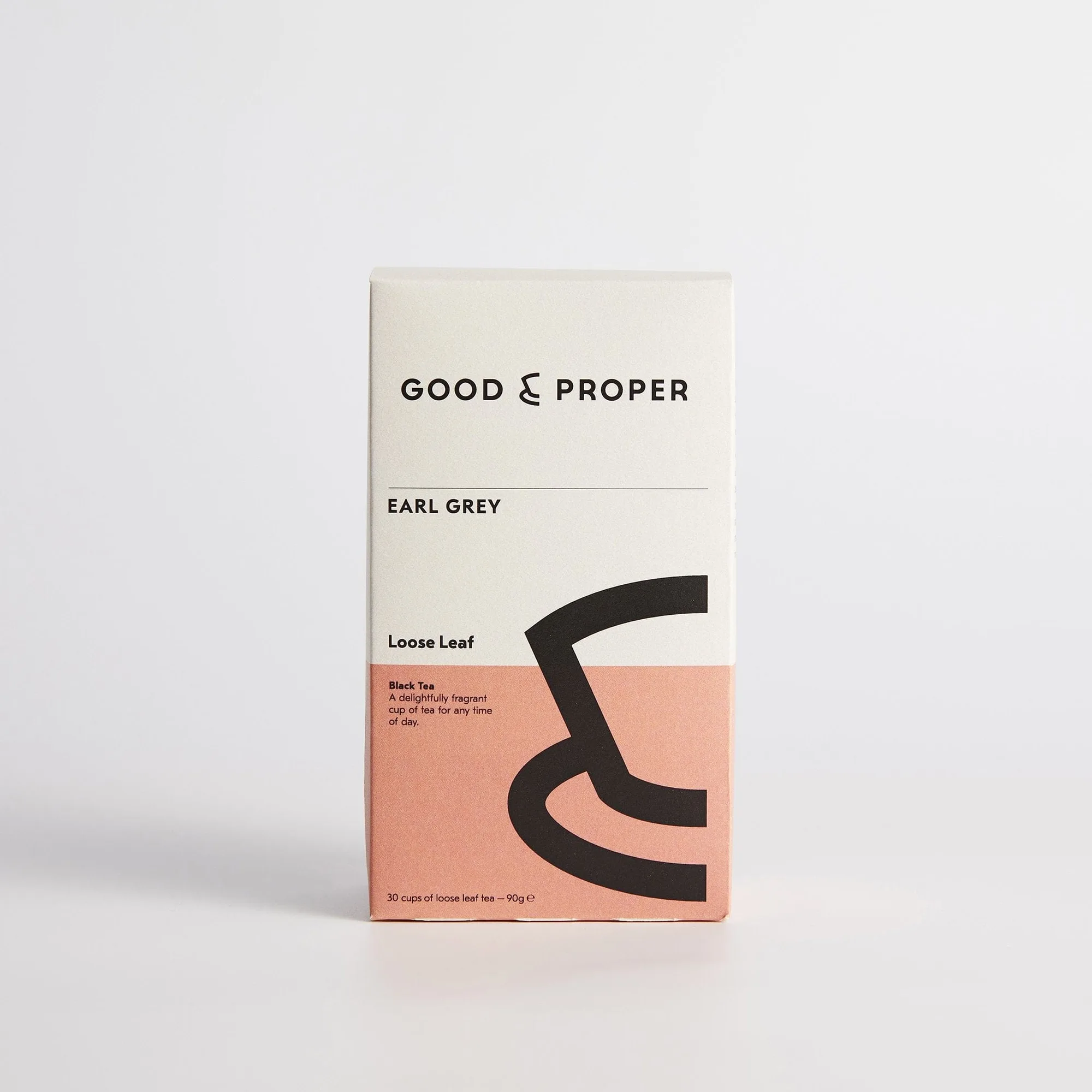
Earl Grey - Loose Leaf
- Practical tip: To potentially enhance the thermic effect, drink unsweetened green tea 30–60 minutes before exercise.
Black Tea and the Gut Microbiome Connection
While green tea steals the spotlight, black tea may also support weight management through a different mechanism: the gut microbiome. Black tea is rich in theaflavins and thearubigins, complex polyphenols formed during oxidation. Emerging research suggests these compounds can alter the composition of gut bacteria, promoting a profile associated with lower body weight and reduced fat absorption.
A 2017 study from UCLA found that mice fed black tea extract experienced changes in gut microbes that led to decreased body weight and fat accumulation, even when consuming a high-fat diet. Human studies are still limited, but early results are promising. Black tea also contains moderate caffeine, which can contribute to a slight metabolic boost. For a robust, malty black tea perfect for morning or afternoon, try our Assam - Loose Leaf, a classic single-origin that pairs well with a splash of milk.
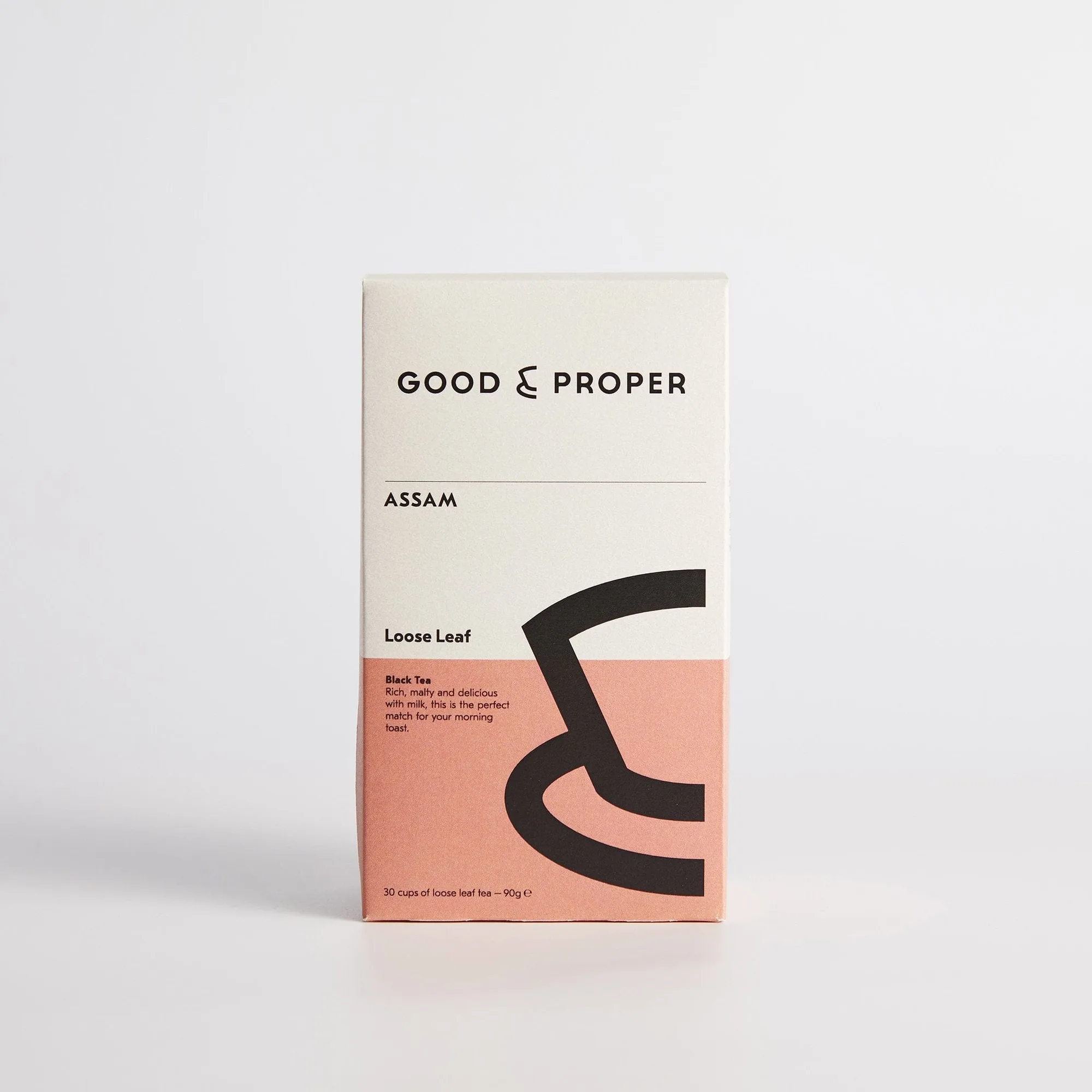
Assam - Loose Leaf
- Brewing tip: Steep black tea for 3–5 minutes at 100°C (212°F) to fully extract theaflavins and maximize potential gut health benefits.
Oolong, White, and Herbal Teas: Do They Help?
Oolong tea, which is partially oxidized, falls between green and black tea in terms of catechin content. Some studies suggest oolong may increase energy expenditure by up to 10% for a few hours after consumption, though effects are inconsistent. White tea, the least processed, retains high levels of catechins and may have similar potential to green tea, but large-scale human trials are lacking.
Herbal teas like peppermint, chamomile, or hibiscus generally contain negligible catechins and caffeine. They are unlikely to directly boost metabolism, but they can support weight loss indirectly by replacing sugary drinks, promoting hydration, and aiding digestion. For example, sipping a cup of Chamomile - Tea Bags in the evening can help reduce stress and improve sleep quality, both of which are linked to healthier weight regulation.
- Note: Avoid adding sugar, honey, or milk to herbal teas if your goal is weight management—every teaspoon of sugar adds about 16 calories.
Practical Strategies: How to Use Tea for Weight Support
Based on the available evidence, here are actionable steps to incorporate tea into a weight-conscious lifestyle. First, choose high-quality loose-leaf teas or tea bags without added sugars or artificial flavors. Aim for 3–4 cups per day, spread throughout the morning and early afternoon to avoid caffeine interference with sleep. Second, pair tea with a balanced diet rich in whole foods—tea cannot compensate for a poor diet.
Third, use tea as a replacement for high-calorie beverages. Swapping a sugary soda for unsweetened tea can save 150–200 calories per serving. Fourth, consider timing: drinking tea before meals may promote satiety, and consuming it before exercise may enhance fat oxidation. Finally, enjoy the ritual itself—mindful tea drinking can reduce stress and emotional eating, creating a holistic approach to weight management that goes beyond simple calorie counting.
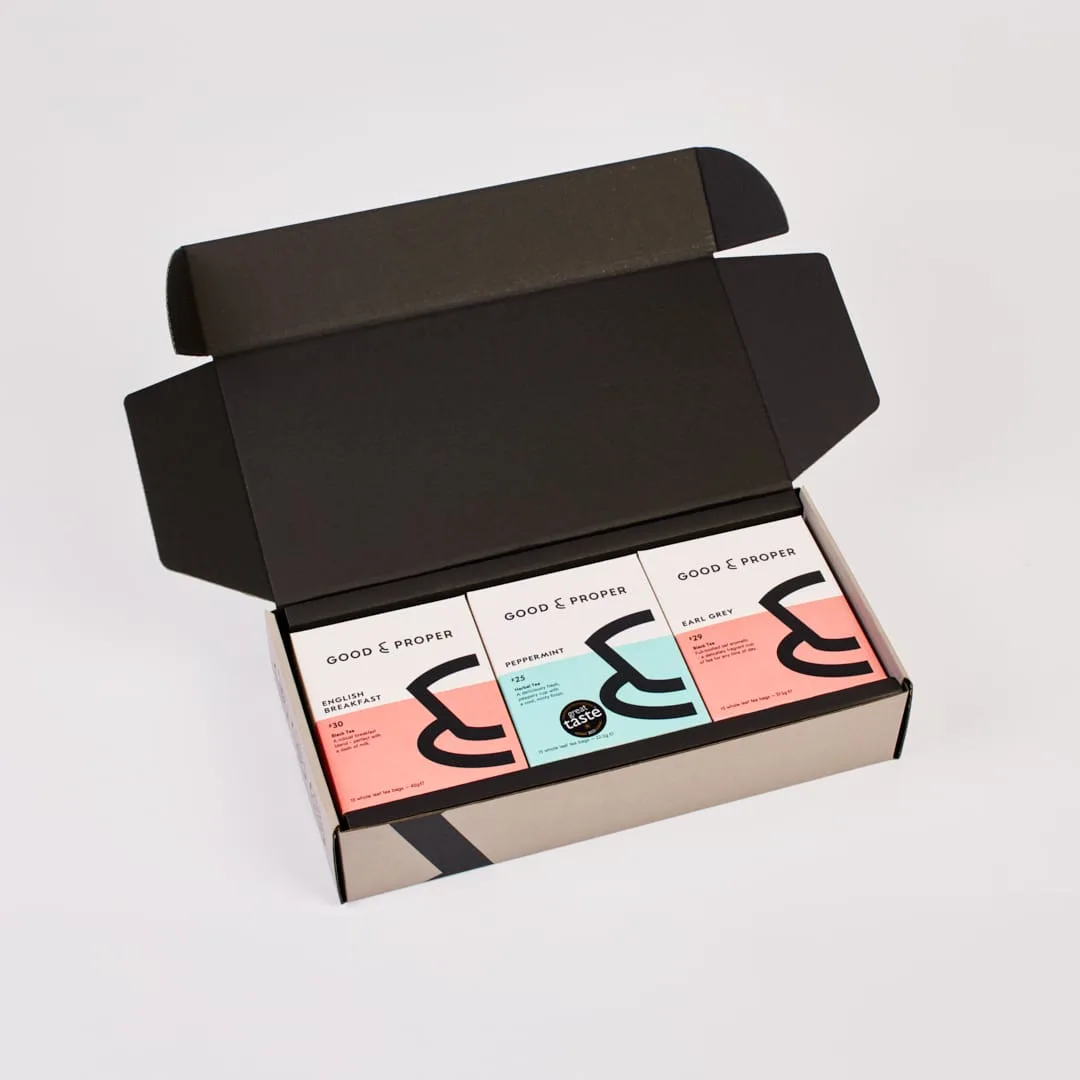
- Recommended product: Our Herbal Collection - Tea Bags offers a variety of caffeine-free options to enjoy throughout the day without affecting sleep.
While tea is not a miracle weight-loss cure, the scientific evidence supports its role as a valuable ally in a comprehensive health strategy. The modest metabolic boost, potential gut microbiome benefits, and simple substitution for sugary drinks make tea a smart addition to any diet. For a delicious and research-backed way to start your day, explore our selection of premium teas—including the classic Earl Grey - Loose Leaf—and discover how a mindful cup can support your wellness journey.