Quick answer
Start by sorting your teas into three or four clear groups, then design a menu board that shows the tea name, a short flavor note, and the price. Put the board where customers order, keep the type large enough to read from two meters, and price your best seller so it feels like an easy first choice. A menu that guides rather than lists will sell more tea.
Choose a menu format that fits your service style
Your service style should decide the format before you think about fonts or colors. A counter-service cafe needs a wall-mounted board or a single printed sheet at the till, because customers decide while standing. A seated tearoom can use a folded table menu or a small stand, which gives you room for longer tasting notes and a second page for cakes or afternoon sets. If you sell loose leaf by weight, keep a separate shelf-edge card or a small chalkboard near the jars so the retail side does not crowd the drinks menu.
The common mistake is copying a restaurant wine list. Tea menus work best when they are short, grouped, and readable at a glance. A checkpoint: can a first-time customer find a black tea, a caffeine-free option, and a milky drink in under ten seconds? If not, simplify.
Group teas by how customers actually choose
Most customers do not shop by origin. They choose by strength, flavor, or caffeine need. Use groups such as 'Classic and malty', 'Spiced and warming', 'Fruity and caffeine free', and 'Green and light'. This makes a cafe tea selection layout intuitive and reduces questions at the counter. Put your strongest, most familiar tea first in each group, because people scan the top line before reading down.
A checkpoint: every group should have at least one tea you can describe in three words. If a tea needs a paragraph, it belongs on a separate tasting card, not on the main board.
Write flavor notes that do the selling
A flavor note should tell the customer what they will taste and how strong it is. 'Malty, zesty, rich strength' works better than 'traditional blend'. Keep notes to five to eight words and avoid words like 'premium' or 'finest' that carry no information. For milk-friendly teas, say so directly, because that single word answers the most common question in a cafe.
The mistake here is writing notes for other tea professionals. Write for someone who has never tried loose leaf. A checkpoint: read each note aloud. If it sounds like a label rather than a recommendation, rewrite it.
Price the menu so the first choice is easy
How to price a tea menu comes down to three tiers: a house tea, a mid-range specialty, and a premium or large-pot option. Keep the gap between tiers small enough that upgrading feels low-risk. Show the price next to the tea name, not in a separate column, so customers do not have to hunt. If you offer a pot and a cup, list the pot price first when it has a better margin.
The common mistake is pricing every tea the same. Flat pricing removes your ability to guide customers toward the teas you want to sell and makes the menu look like a commodity list. A checkpoint: your best-margin tea should sit in the middle of the menu, not hidden at the bottom.
Get the printing and placement right
For tea menu printing tips, the practical rules are simple: matte finish to reduce glare, dark text on a light background, and a font size that reads from where customers stand. If you use a chalkboard or a printed board, leave a blank strip at the bottom for a seasonal special. Update that strip monthly so regulars have a reason to look again. Laminate paper menus if they will be handled, and keep a spare copy behind the counter.
Placement is part of the design. Put the board at eye level where the queue forms, and add a small point-of-sale card near the till that names one tea and one pairing. The mistake is putting the full menu only at the table, where customers have already decided. A checkpoint: stand where a customer orders and check that the tea names are readable without leaning in.
Step-by-step: build and launch your tea menu
- Step 1: Audit what you actually sell: Pull your last month of tea sales and mark each tea as a top seller, a steady seller, or a slow mover. Build the menu around the first two groups and cut or hide the rest. Checkpoint: if a tea has not sold in a month, it does not need a line on the main board.
- Step 2: Sort into three or four groups: Group by strength, flavor, or caffeine need rather than origin. Name each group in plain language a first-time customer would use. Checkpoint: every group should contain at least one tea you can describe in three words.
- Step 3: Write a five-to-eight-word note for each tea: Describe taste and strength, and state clearly when a tea is good with milk. Remove vague praise words. Checkpoint: read the note aloud. If it sounds like a label, rewrite it.
- Step 4: Set three price tiers: Create a house tier, a mid tier, and a premium tier, and place your best-margin tea in the middle. Put the price beside the name. Checkpoint: the upgrade between tiers should feel small enough to be an easy yes.
- Step 5: Choose the format and print it: Use a wall board for counter service or a folded menu for table service. Print matte, use dark text on light, and size the type to read from two meters. Checkpoint: stand where customers order and confirm you can read every tea name without leaning in.
- Step 6: Place the menu and a point-of-sale card: Put the main menu at eye level in the queue and a small card near the till naming one tea and one pairing. Leave a blank strip for a monthly special. Checkpoint: a customer should be able to find a black tea, a caffeine-free option, and a milky drink in under ten seconds.
- Step 7: Review after two weeks: Compare sales by group and by tier. Move the teas that sold well to the top of their group and replace the weakest note or the slowest line. Checkpoint: if one group never sells, merge it into another rather than adding more choices.
Teas that work well on a cafe or tearoom menu
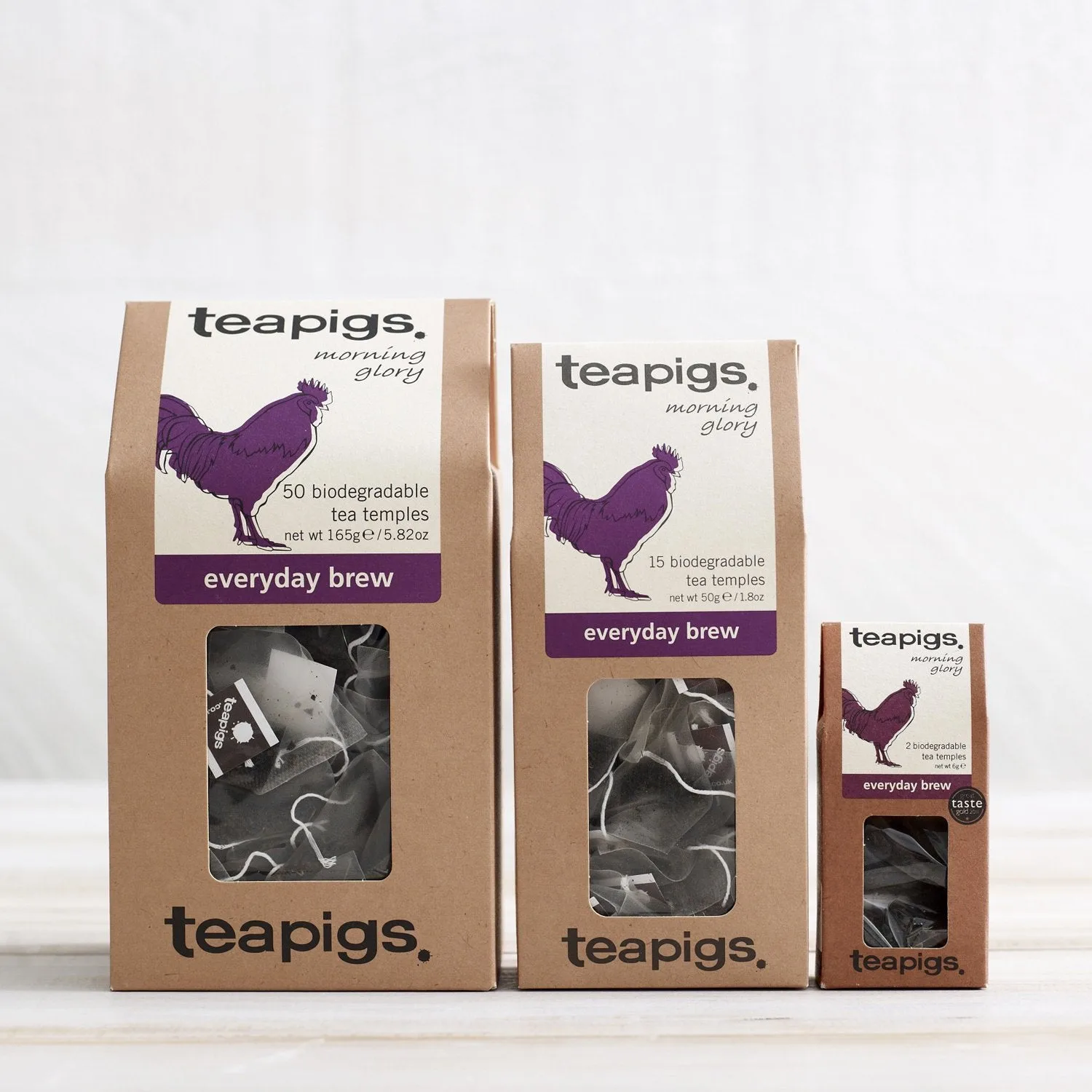
- english breakfast tea: English Breakfast Tea is a balanced black tea blend with a malty, zesty, rich strength, sourced from artisan growers, and available in sizes from a single sample envelope to bulk 300-serving options. A familiar, strong black tea is the easiest first line on a menu, and bulk sizing lets you cost a house tea without committing to a large outlay.
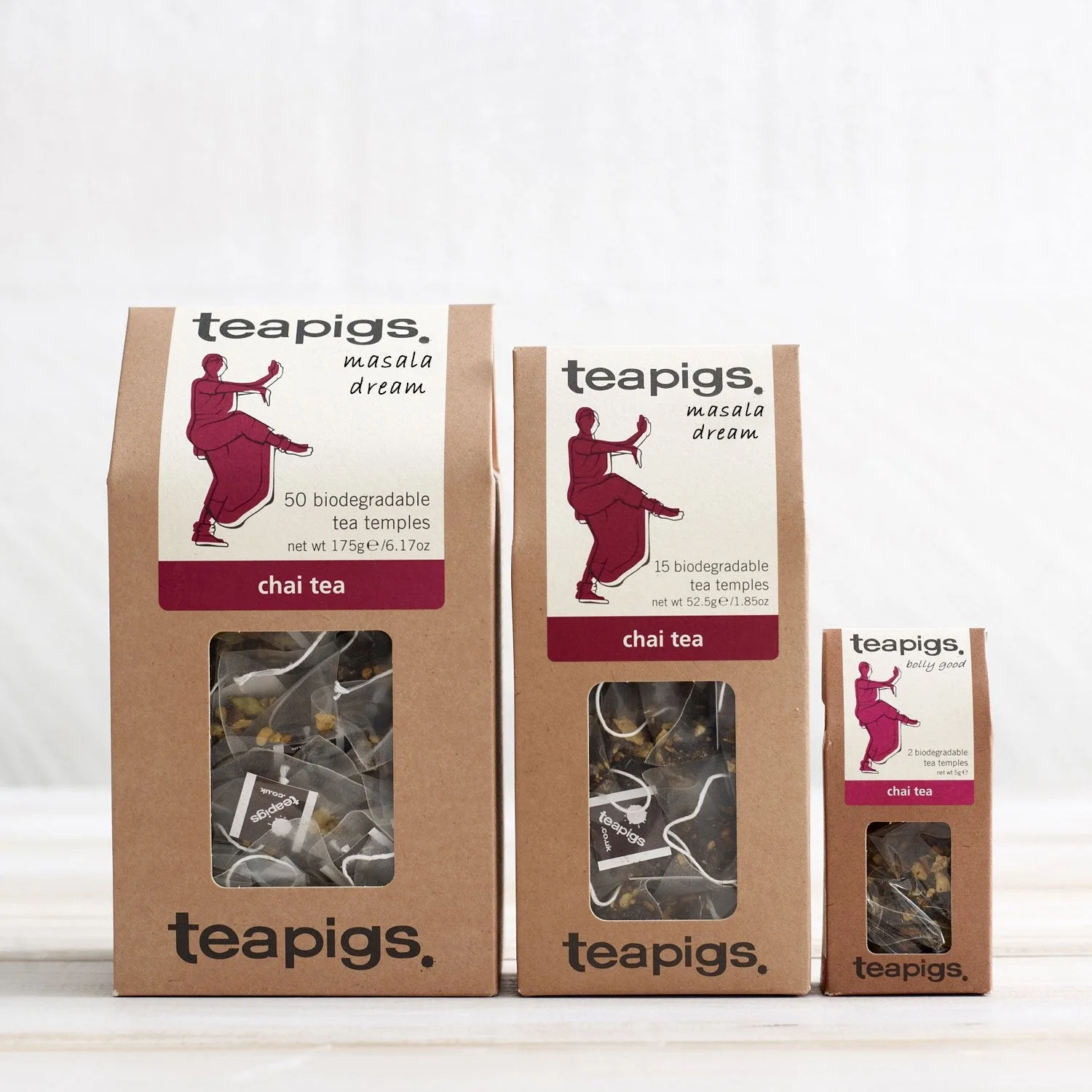
- chai tea: Chai Tea is strong and spicy, all-natural, and described as great with lots of milk, latte style, available in tea temples or loose leaf pouches. A milk-friendly spiced tea gives your menu a higher-margin latte option and a clear answer for customers who want something warming.
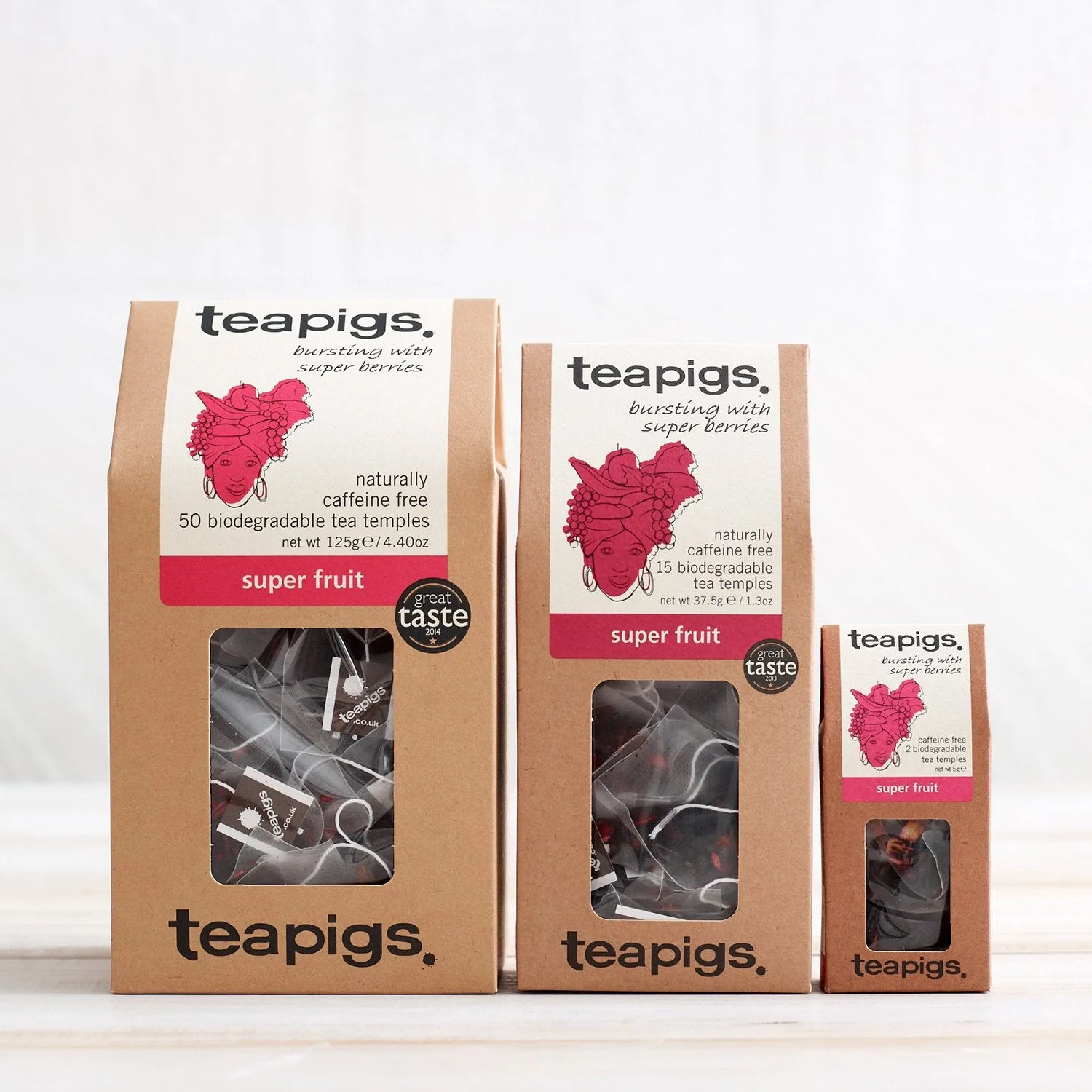
- super fruit tea: Super Fruit Tea is a caffeine free blend described as fruity, available in tea temples or loose leaf pouches. A caffeine free fruit tea covers the afternoon and evening crowd, so your menu does not lose a sale when a customer avoids caffeine.