Quick Answer
A tea towel belongs in the kitchen for drying dishes, glassware and hands, while a hand towel is designed for the bathroom basin. If you only buy one, choose a tea towel for kitchen tasks and keep a separate hand towel by the bathroom sink. Buy both if you want each space to work properly.
Most people grab whichever towel is closest, then wonder why glasses stay streaky or why the bathroom towel smells damp. A tea towel and a hand towel are not interchangeable, even though they look similar hanging on a rail.
This comparison explains what each towel is actually built for, where the trade-offs sit, and how to choose for your kitchen and bathroom without overbuying. It also covers how decorative tea towels fit into a working kitchen.
What Each Towel Is Actually For
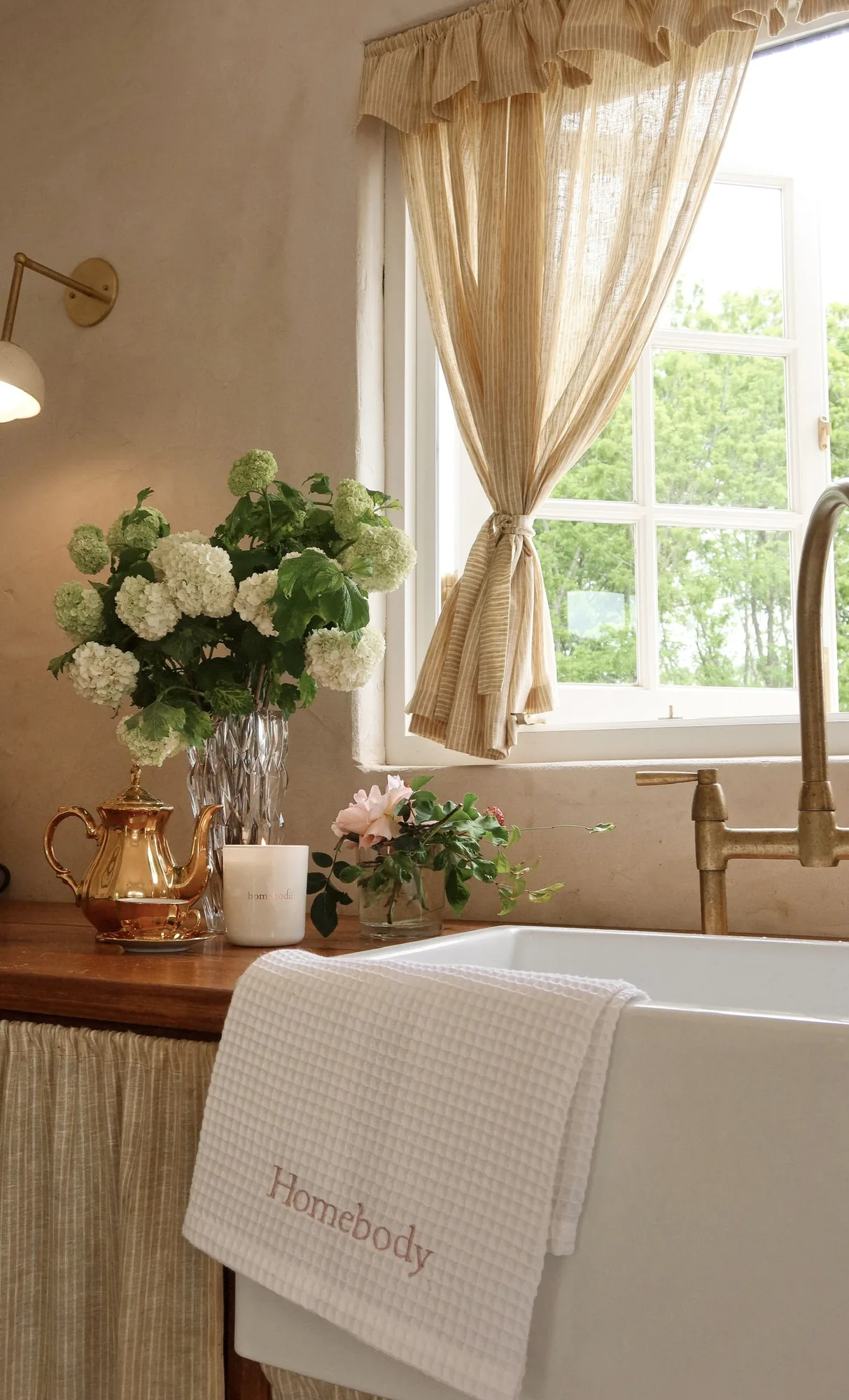
A tea towel is a kitchen linen. Its job is drying clean dishes, glassware, cutlery and your hands after washing up. It usually sits within arm's reach of the sink or on a nearby hook, and it takes the wear that comes with daily kitchen work.
A hand towel is a bathroom linen. It hangs by the basin for drying hands after washing, and it is sized and styled for that space. Using a hand towel in the kitchen means you are borrowing a bathroom product for a kitchen job, which rarely works as well.
- Keep at least one tea towel dedicated to drying dishes and one for hands if your kitchen is busy.
- Never use the same towel for raw meat cleanup and dish drying.
Size, Absorbency and Fabric Trade-Offs
Tea towels are generally lighter and flatter than hand towels, which helps them wipe glass and plates without leaving lint or bulk. Hand towels are usually thicker and plusher because their main job is absorbing water from hands quickly at the basin.
That thickness is a trade-off. A plush hand towel feels nicer on skin but is clumsy for drying a wine glass or reaching into a mug. A flat tea towel dries dishes well but feels thin as a bathroom towel. Neither is better overall; they are built for different tasks.
- Choose a flat weave for streak-free glassware and a plusher weave for hand drying.
- If you air-dry dishes, a tea towel still earns its place for finishing glass and cutlery.
How Many You Actually Need
A working kitchen benefits from three to five tea towels in rotation so one can be in the wash while another is in use. A bathroom needs at least two hand towels per basin so one can dry while the other is laundered.
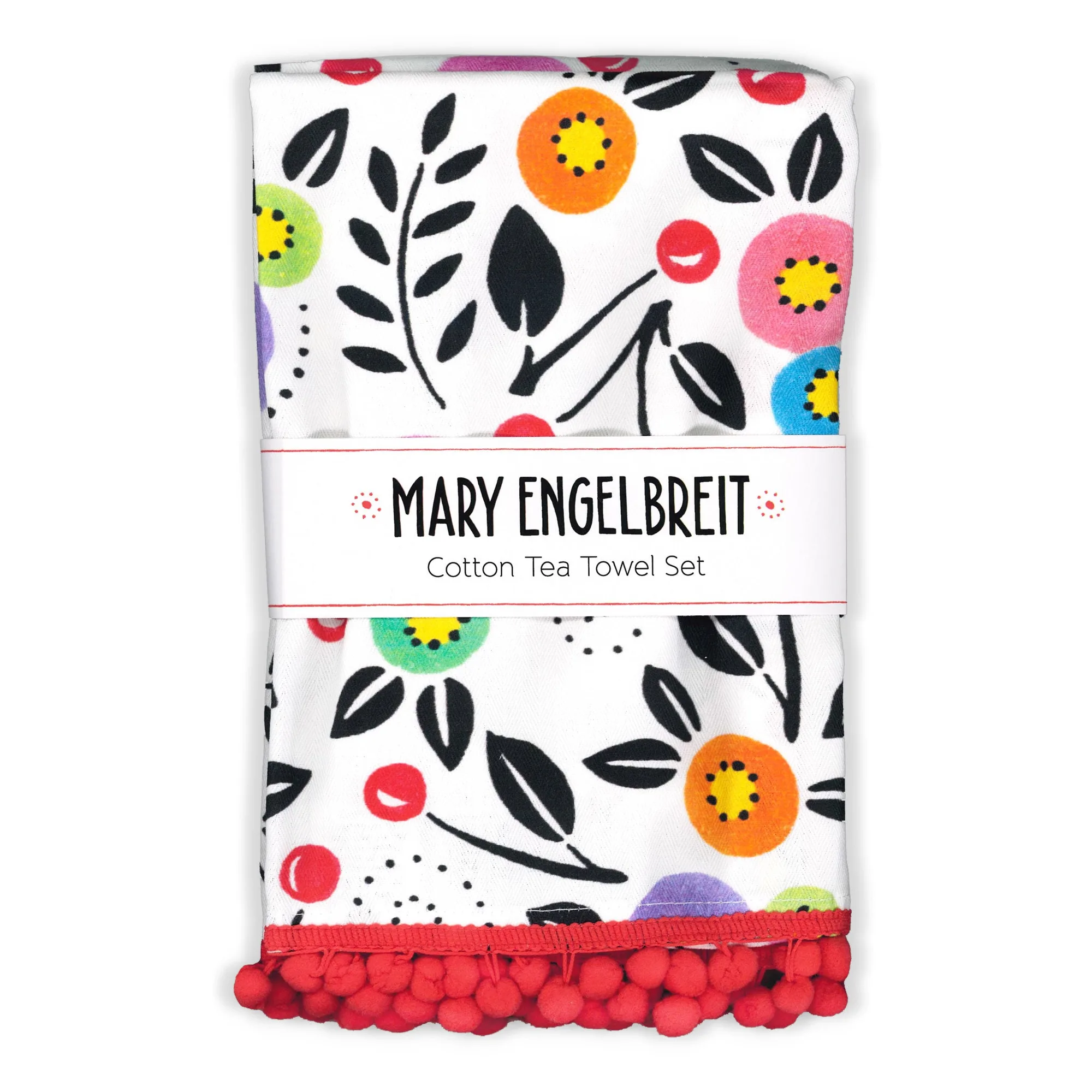
If you are buying tea towels as gifts or souvenirs, they can double as display pieces. A decorative tea towel that never touches a wet plate is still doing a job, just a different one.
- Rotate towels every one to two days in a busy kitchen.
- Wash tea towels separately from bathroom towels to avoid transferring germs.
When a Decorative Tea Towel Makes Sense
Some tea towels are bought for the design as much as the drying. Iconic Melbourne and Australian themes turn a plain kitchen linen into a small piece of local character, which is why they work well as gifts for visitors or expats.
The trade-off is that a decorative tea towel may be treated more gently than a workhorse towel. That is fine. Use a plain towel for the greasy pans and keep the printed one for drying glasses, lining a bread basket, or hanging on display.
- Check whether the print is on one side or woven through before heavy use.
- Fold and display decorative tea towels on a rail or oven door when not in use.
Tea Towel vs Hand Towel: Trade-Offs at a Glance
- Drying dishes and glassware: A flat tea towel wipes glass and plates without lint or bulk, while a plush hand towel tends to smear and leave fibres. Choose a tea towel for kitchen drying tasks.
- Drying hands at the basin: A thicker hand towel absorbs water from hands faster and feels softer, while a thin tea towel can feel flimsy for this job. Choose a hand towel for bathroom hand drying.
- Gift and display value: Decorative tea towels with local themes work as souvenirs and wall or rail displays, while hand towels are usually plain and functional. Choose a themed tea towel when the look matters as much as the use.
- Laundry and rotation: Both need frequent washing, but kitchen tea towels pick up food and grease while hand towels pick up soap and skin cells. Keep separate towel sets for kitchen and bathroom to avoid cross-use.
Product Facts That Matter for This Comparison
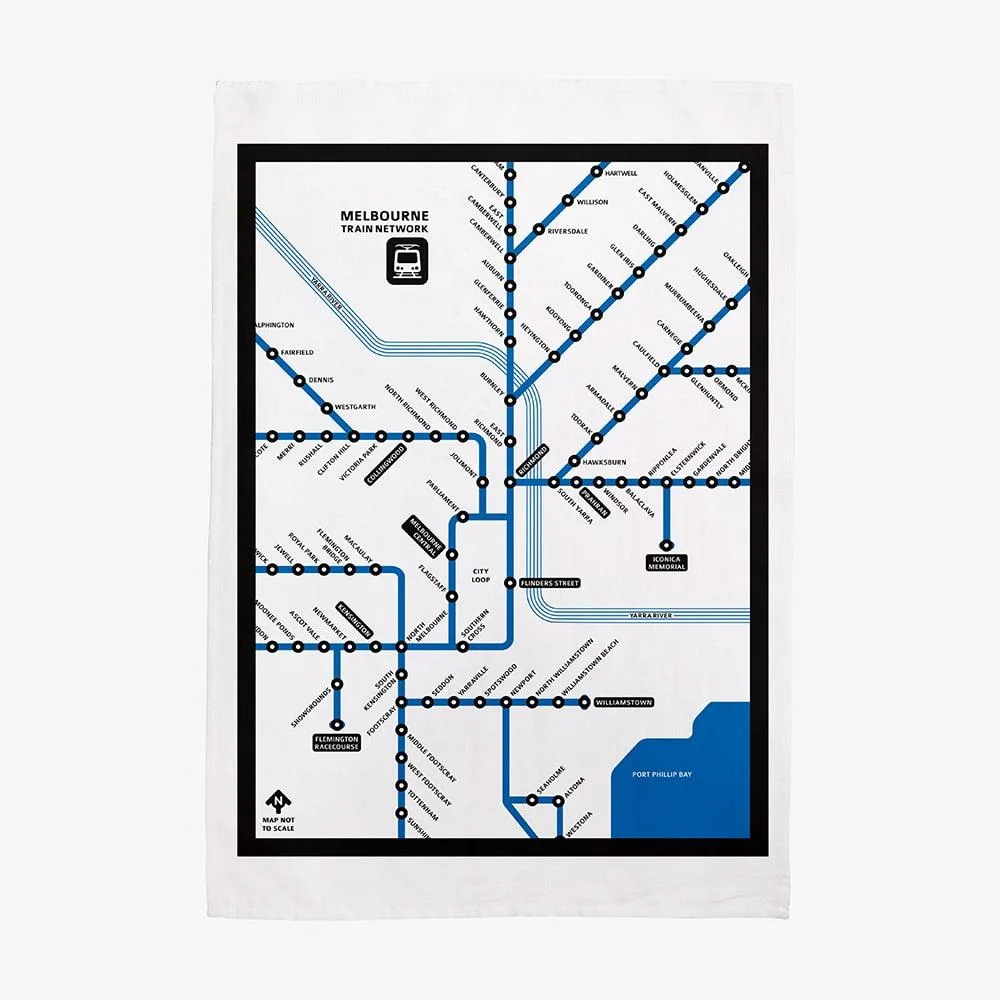
- TEA TOWEL - ICONIC MELBOURNE TRAIN NETWORK: Features Melbourne's train network, which has 16 train lines, 222 stations, and over 200 million trips each year. A locally themed tea towel gives a kitchen a sense of place and makes a practical souvenir or gift for Melbourne locals and visitors.
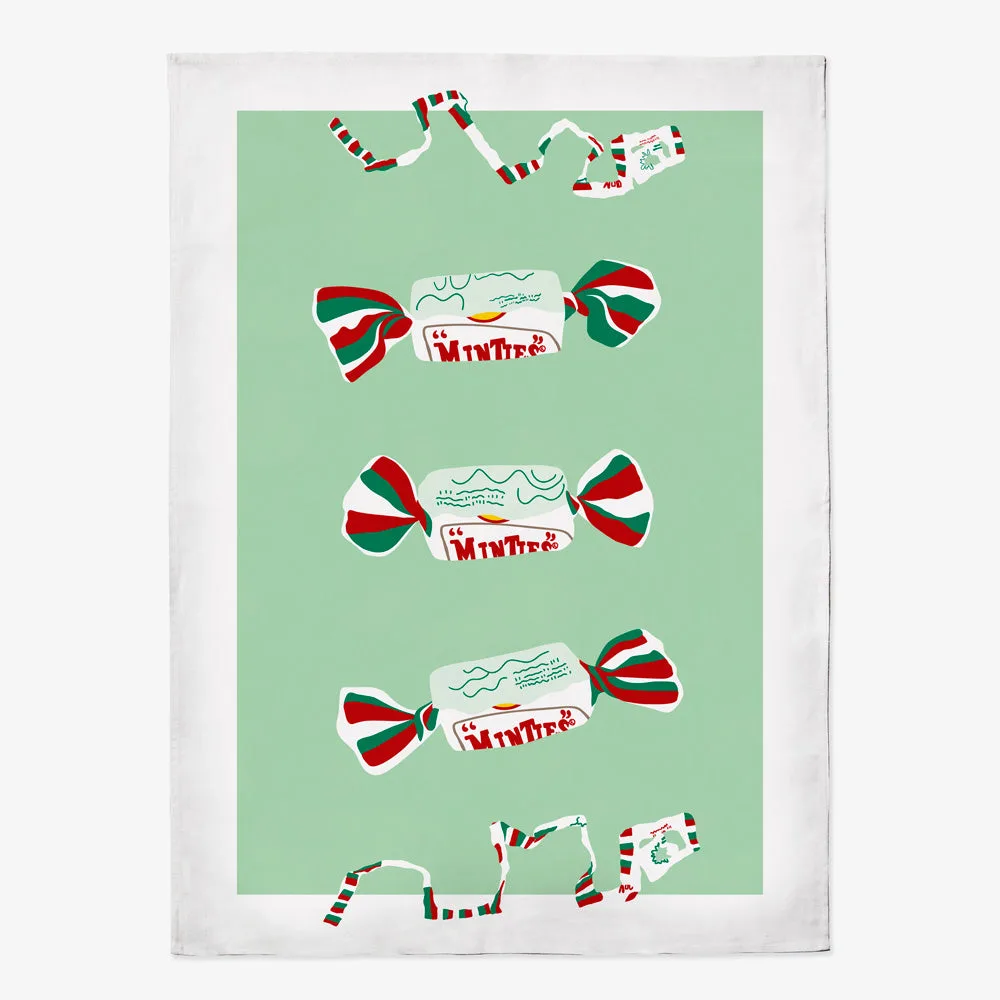
- TEA TOWEL - ICONIC MINTIES: Celebrates Minties, the chewy mint lolly remembered for the wrapper game of tearing one long strip without breaking it. Nostalgic designs like this work as conversation pieces and gifts, while still functioning as a kitchen tea towel.
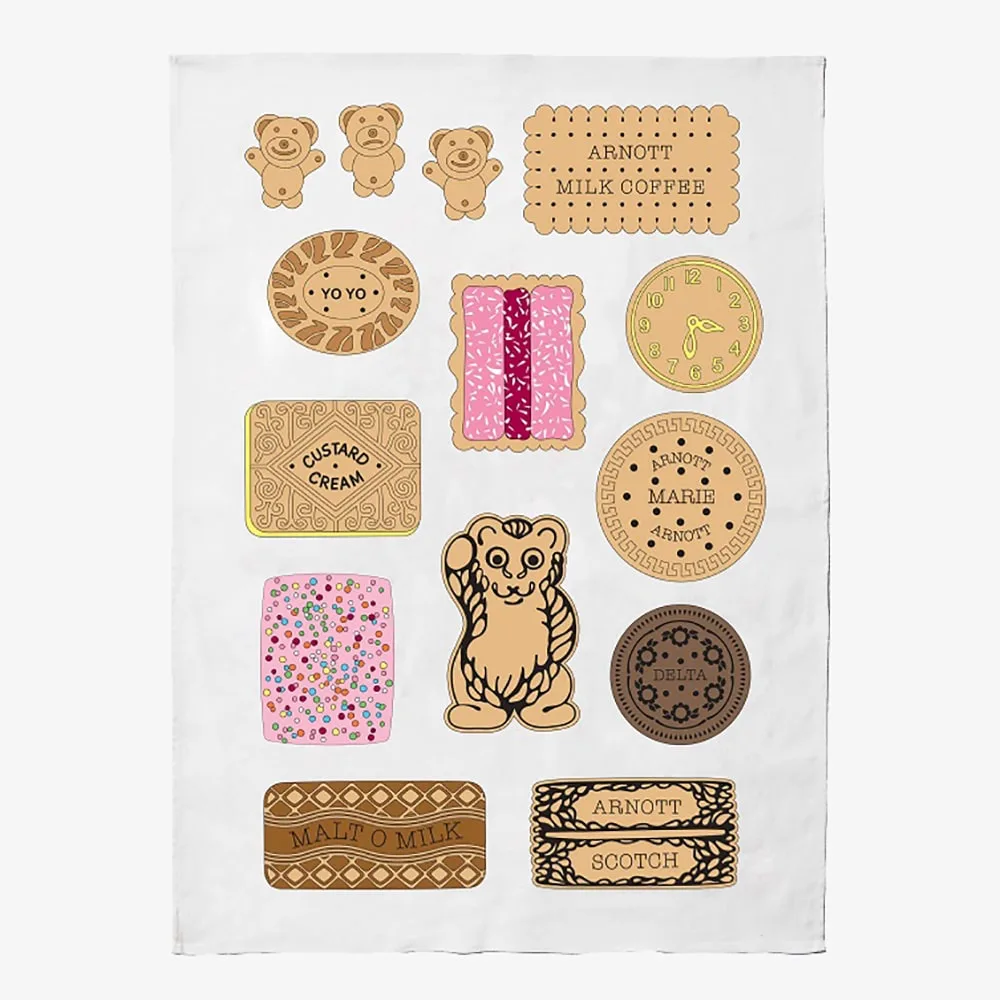
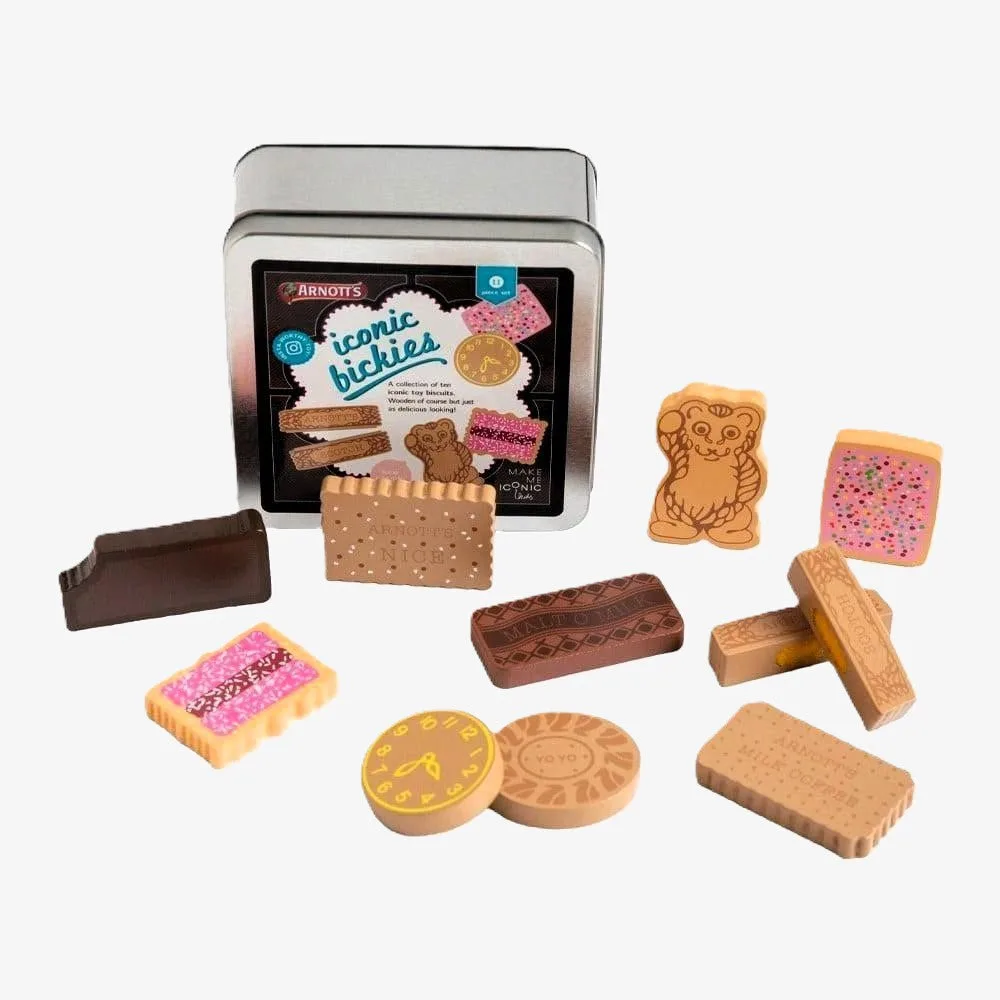
- TEA TOWEL - ICONIC AUSTRALIAN BICKIES: Recreates a mix of iconic Australian biscuits including Delta Creams, Malt-O-Milk and Teddy Bear. A food-themed tea towel suits a kitchen setting and pairs well with a biscuit tin or afternoon tea gift.
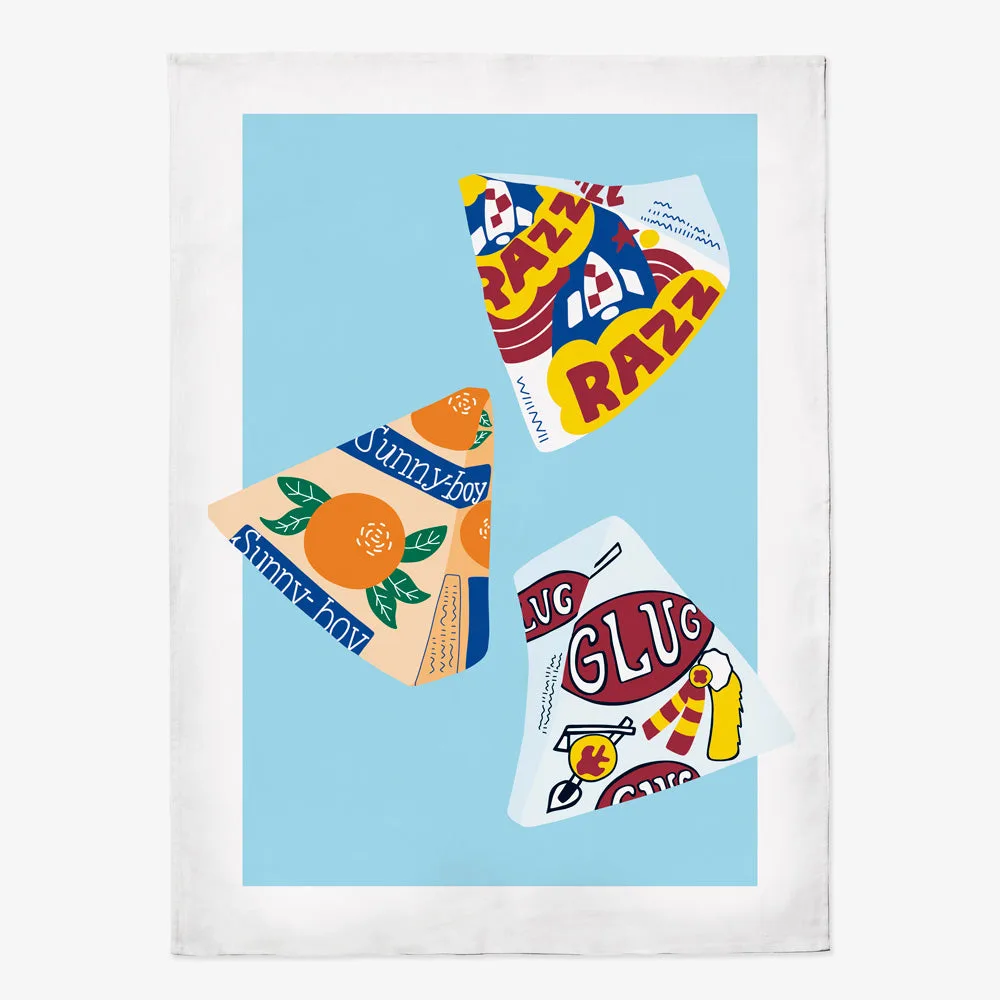
- TEA TOWEL - ICONIC SUNNYBOY: Remembers Sunnyboys in original orange, cola-flavoured Glug and Razz raspberry, with the silver wrapper and fluorescent yellow writing inside. Bright, summery designs add colour to a kitchen and appeal to anyone who grew up with these ice blocks.
Which Should You Buy?
Best for
- Anyone setting up a kitchen who needs a towel for drying dishes, glassware and hands
- Gift buyers looking for a practical Melbourne or Australian souvenir
- Households that want a decorative linen to display on a rail or oven door
Not for
- Bathroom hand drying, where a thicker hand towel works better
- Heavy grease or spill cleanup, where a dedicated cloth is more suitable
Buy at least one tea towel for the kitchen and one hand towel for the bathroom, then keep them separate. If you want a tea towel that also looks good on display, an Iconic Melbourne or Australian design gives you both jobs in one.