Start with the two jobs in a wash day
A wash day pairing works best when each product has a clear job. In the Maple Holistics lineup, Tea Tree Shampoo is positioned for scalp and hair care, while Tea Tree Conditioner is positioned for dry or dull hair that needs moisture and radiance. That split is the simplest way to decide whether you need both, one, or a different size of each.
This guide sticks to what the product records confirm. It does not promise a cure for flaky scalps or a specific result timeline, because the supplied information does not include those details.
What Tea Tree Shampoo is made for
-
Tea Tree Shampoo - EU Shipping: Tea Tree Shampoo is described as a shampoo for scalp and hair care, infused with botanical extracts to clarify and moisturize for flawless-looking hair. This tells you the shampoo is the cleansing step in the pairing, and that its focus is scalp and hair care rather than heavy conditioning.
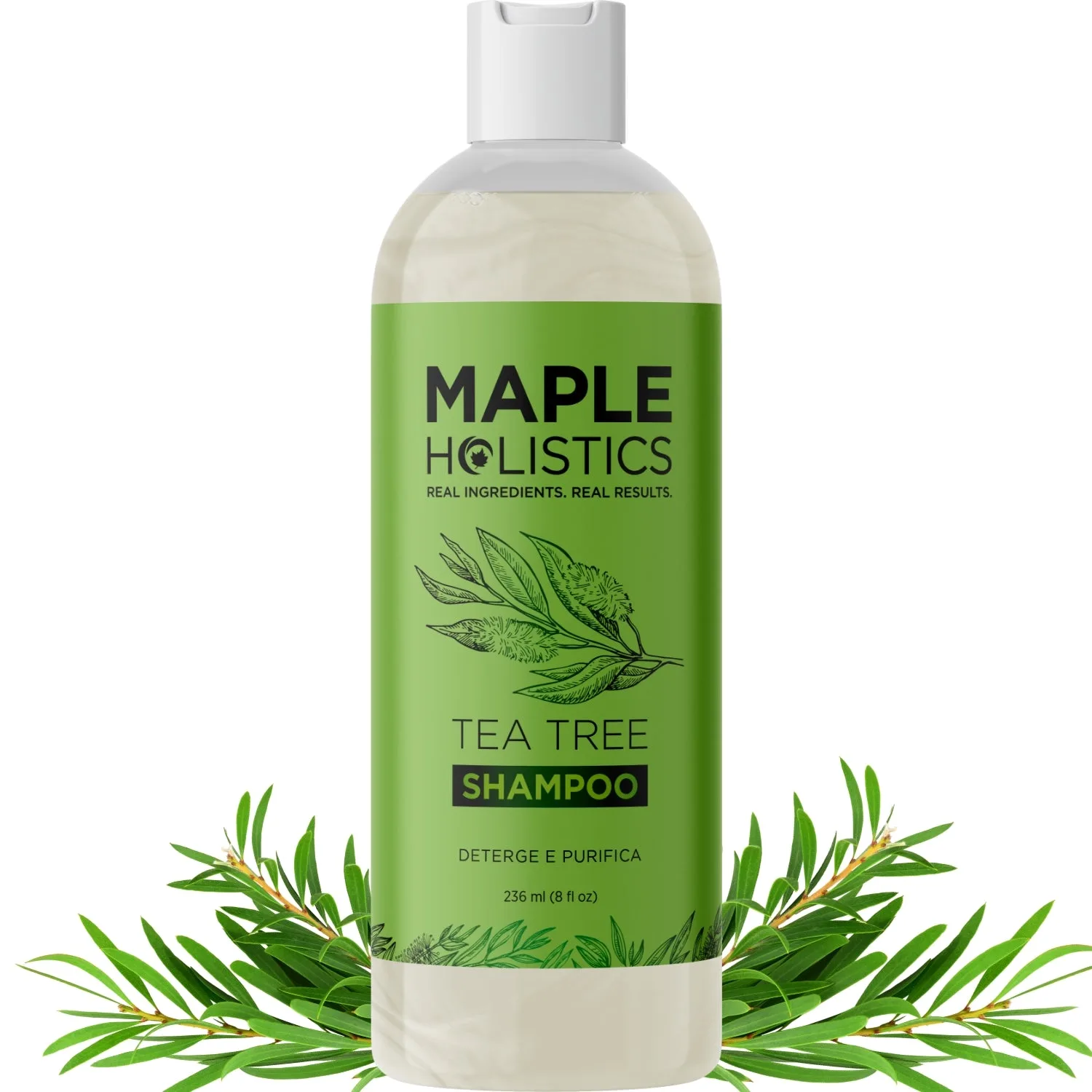
Tea Tree Shampoo - EU Shipping
What Tea Tree Conditioner is made for
-
Tea Tree Conditioner: Tea Tree Conditioner is described as a moisturizing conditioner for dry or dull hair, packed with botanical extracts for radiance and care, and infused with pure lavender and rosemary. This tells you the conditioner is the moisture step, and that it is aimed at hair that feels dry or looks dull rather than at scalp cleansing.
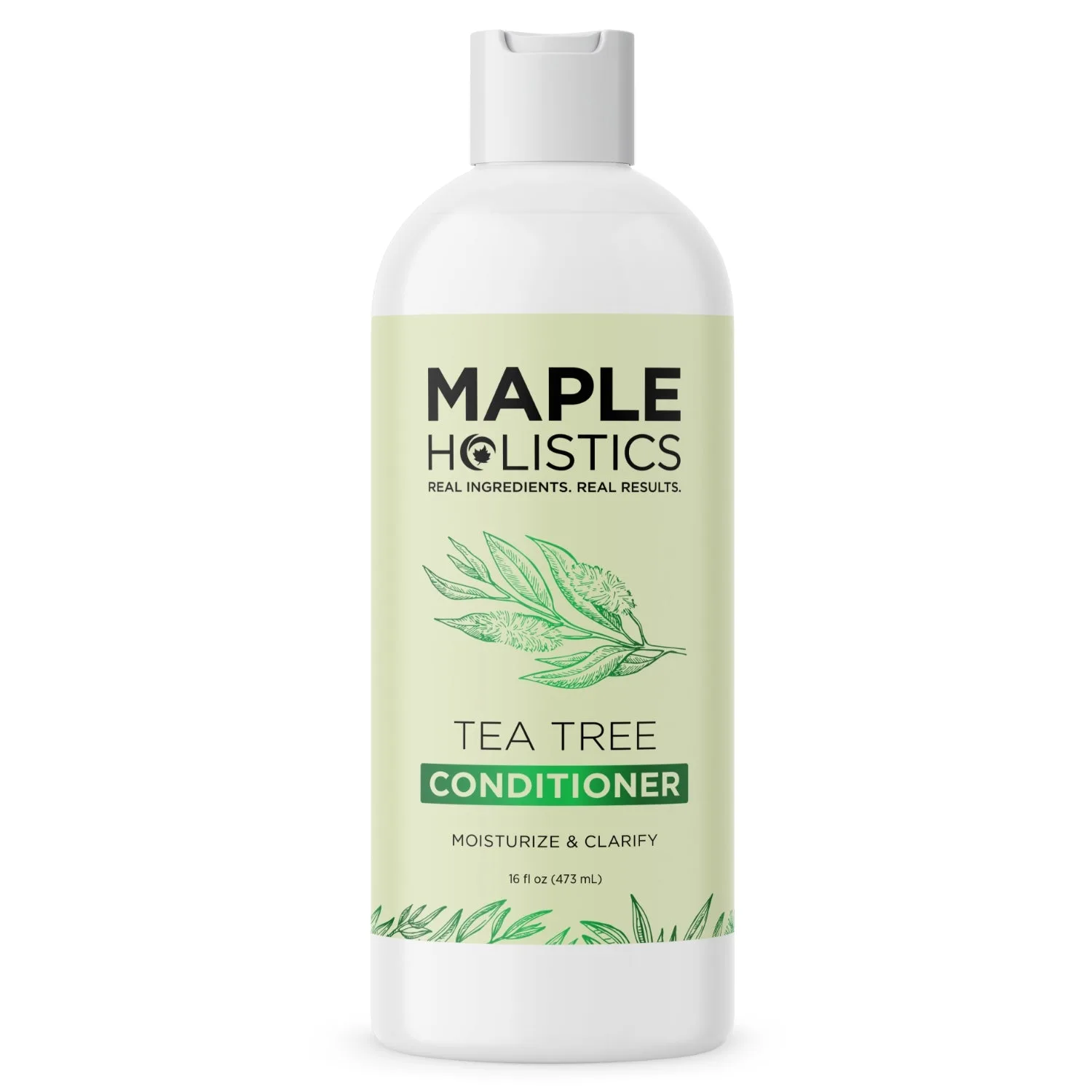
Tea Tree Conditioner
How the pairing fits a flaky scalp wash routine
If your main concern is a flaky scalp, the shampoo is the product the record ties most directly to scalp care. The conditioner record focuses on dry or dull hair, so it is better thought of as the follow-up moisture step rather than a scalp treatment.
That makes the pairing straightforward: cleanse with Tea Tree Shampoo, then apply Tea Tree Conditioner to hair that needs moisture. The supplied records do not include instructions for how long to leave either product on, how often to wash, or how to treat a medically diagnosed scalp condition. Those details are not confirmed here, so follow the directions on the packaging when it arrives.
Tea Tree Shampoo vs. Tea Tree Conditioner at a glance
- Primary role: Shampoo: scalp and hair care with botanical extracts to clarify and moisturize. Conditioner: moisture and radiance for dry or dull hair.
- Key ingredients named in the record: Shampoo: botanical extracts. Conditioner: botanical extracts plus pure lavender and rosemary.
- Sizes available: Shampoo: Italy, France, and Germany options. Conditioner: 8 OZ and 16 OZ options.
- Best starting point if you have a flaky scalp: Start with the shampoo, since the record ties it to scalp care. Add the conditioner if your hair also feels dry or dull.
- Best starting point if your hair is dry or dull: The conditioner is the product explicitly described for dry or dull hair. Pair it with the shampoo if you also want the scalp-care step.
Choosing sizes without guessing
The two products do not share a size system. Tea Tree Shampoo lists Italy, France, and Germany as its size options, while Tea Tree Conditioner lists 8 OZ and 16 OZ. The records do not explain what the country labels mean in terms of volume or formulation, so do not assume they map to a specific ounce size.
If you want a simple way to start, choose one shampoo option and one conditioner size. If you already know you use conditioner more generously, the 16 OZ conditioner gives you more of the moisture step. If you are trying the pairing for the first time, the 8 OZ conditioner keeps the commitment smaller. The shampoo record does not provide a comparable volume detail, so treat its size choice as a separate decision and check the product page before ordering.
A simple wash day order to follow
The records describe what each product is for, but they do not provide a full application procedure. Use this order as a practical framework and defer to the packaging for exact amounts and timing.
- 1. Cleanse with Tea Tree Shampoo: Use the shampoo as the scalp and hair care step. The record positions it for scalp care, so focus your attention there.
- 2. Follow with Tea Tree Conditioner: Apply the conditioner as the moisture step for dry or dull hair. The record names lavender and rosemary among its ingredients.
- 3. Judge the pairing over time: The supplied information does not include a result timeline. Give the routine a fair trial and watch how your scalp and hair feel rather than expecting an instant change.
What this pairing cannot decide for you
The records do not confirm whether either product is fragrance-free, allergy-tested, color-safe, or suitable for a specific scalp condition. They also do not include a wash frequency, a leave-on time, or a guarantee about flake reduction. If those details matter to you, check the full product label or ask the store before buying.
What the records do support is a clear division of labor: Tea Tree Shampoo for scalp and hair care, and Tea Tree Conditioner for moisture and radiance on dry or dull hair. That is enough to build a tea tree wash day routine you can adjust as you learn what your hair needs.