For centuries, tea and coffee have been the world’s favorite morning rituals. Whether you crave the bold kick of a dark roast or the gentle comfort of a steaming cup of green tea, both beverages offer unique experiences. But when it comes to tea vs coffee, which one truly deserves a spot in your daily routine? This comprehensive comparison will help you decide based on caffeine content, health benefits, flavor, and lifestyle.
If you’re exploring a coffee alternative or simply curious about the nuances, we’ll break down everything you need to know. From energy levels to antioxidants, we’ll guide you through the key differences so you can make an informed choice. And if you’re ready to expand your tea collection, our selection at Best Teas Online has something for every palate.
Caffeine Showdown: Tea vs Coffee
One of the first questions people ask in the tea vs coffee debate is about caffeine. Coffee typically contains about 95 mg of caffeine per 8-ounce cup, while black tea averages 40-70 mg, green tea around 20-45 mg, and herbal teas are naturally caffeine-free. This makes tea a gentler stimulant that provides a steady, focused energy without the jitters or crash often associated with coffee.
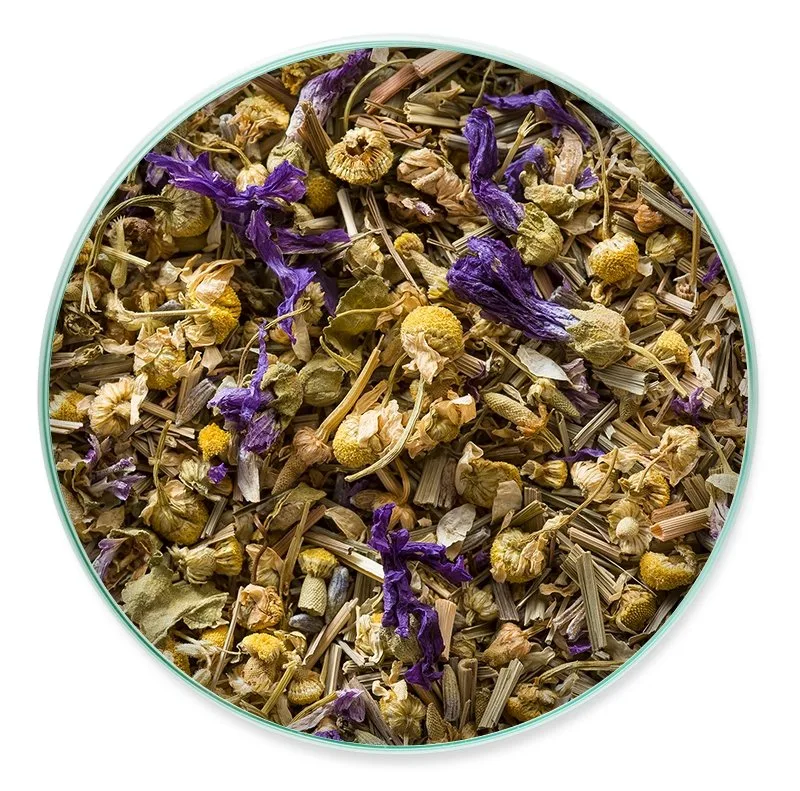
For those sensitive to caffeine or looking to reduce intake, switching to tea can be a smart move. Many tea drinkers enjoy the balanced alertness it provides, perfect for long workdays or relaxed afternoons. If you love the ritual but want less caffeine, try a caffeine-free herbal blend like our snooze with lavender, which offers a soothing evening alternative.
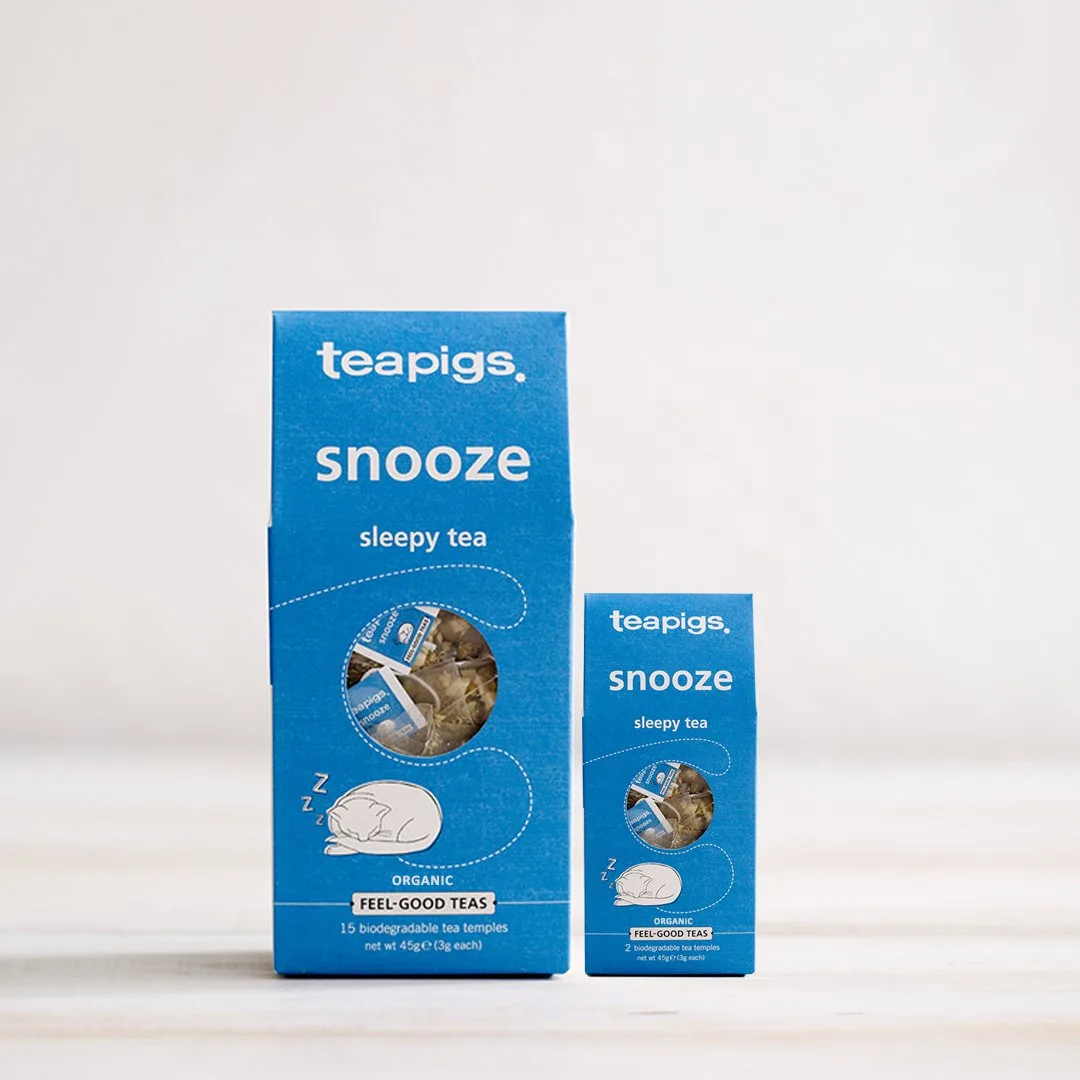
snooze with lavender
- Coffee: ~95 mg per cup, quick onset, can cause jitters
- Black tea: ~40-70 mg per cup, moderate and smooth
- Green tea: ~20-45 mg per cup, gentle lift with L-theanine
- Herbal tea: 0 mg, perfect for any time of day
Health Benefits: Why Tea Might Be the Better Choice
Both tea and coffee offer health perks, but tea often edges ahead in antioxidant content. Tea is rich in catechins and flavonoids, which support heart health, reduce inflammation, and may lower the risk of certain cancers. Green tea, in particular, is celebrated for its metabolism-boosting properties and high levels of EGCG, a powerful antioxidant.
Coffee, on the other hand, is linked to improved focus and a lower risk of Parkinson’s and Alzheimer’s. However, its higher acidity can upset sensitive stomachs. For a gentle, gut-friendly option, herbal teas like cleanse with coconut combine the benefits of cleansing herbs with a delicious tropical flavor, making them an excellent coffee alternative for wellness seekers.

cleanse with coconut
- Tea: rich in antioxidants, supports hydration, low acidity
- Coffee: high in chlorogenic acid, may improve mental focus
- Herbal teas: caffeine-free, aid digestion and relaxation
Flavor Profiles: A World of Variety
Coffee lovers often appreciate its bold, roasted notes, while tea offers an astonishing range of flavors—from grassy and vegetal to floral and spicy. The diversity of tea makes it a playground for the palate. Whether you prefer the malty depth of a black tea or the delicate sweetness of a white tea, there’s a brew for every mood.
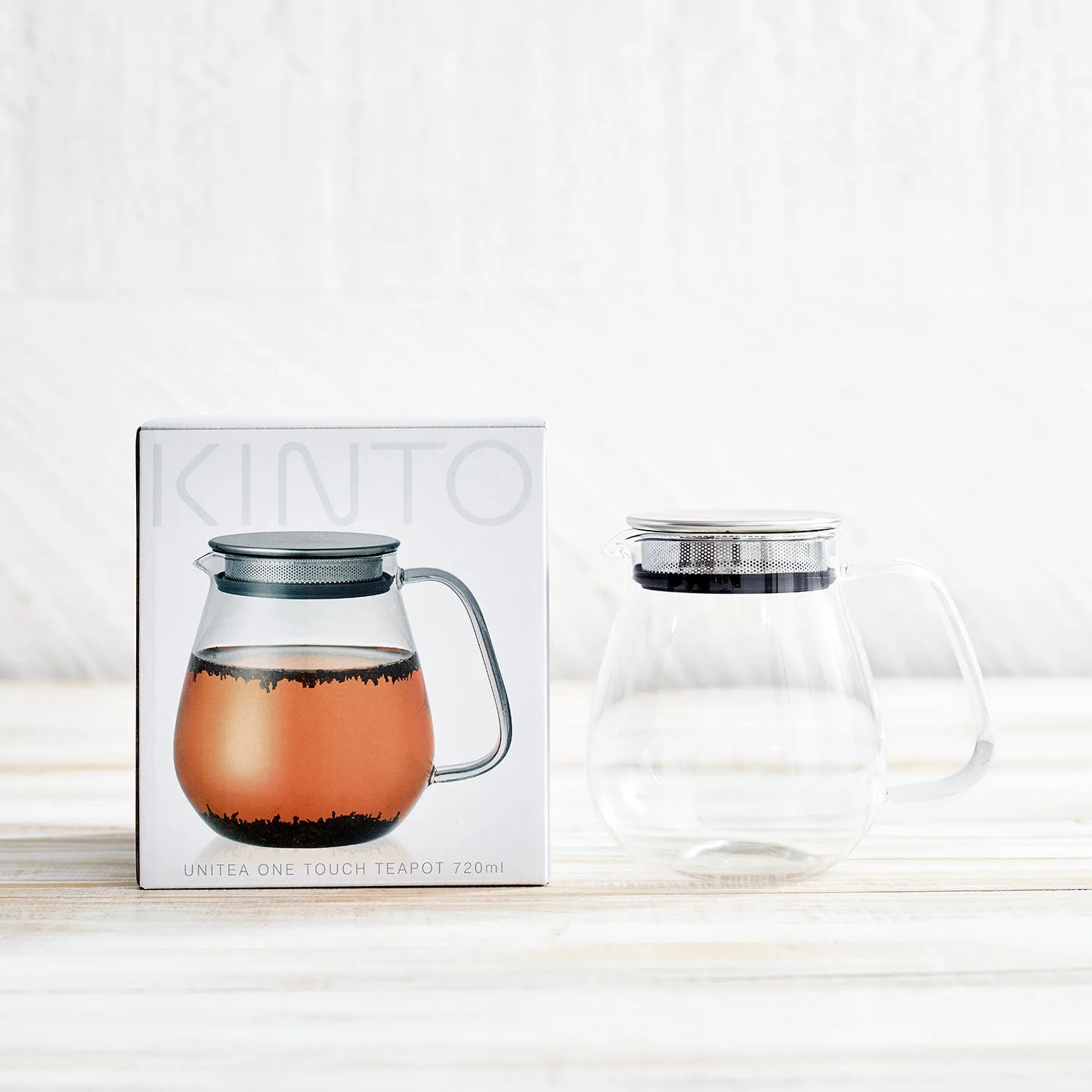
If you’re new to tea, start with a classic like our honeybush & rooibos tea, which is naturally sweet and caffeine-free. For a more traditional experience, black teas from Assam or Darjeeling provide a robust cup that can rival coffee’s intensity. And don’t forget the accessories: a quality teapot or mug enhances the ritual. Our kinto unitea one touch teapot is perfect for steeping loose leaf teas with precision.
- Coffee: earthy, bitter, nutty, or fruity depending on roast
- Tea: floral, grassy, smoky, sweet, or spicy—endless variety
- Herbal infusions: fruit, mint, chamomile, rooibos
Practical Tips for Switching from Coffee to Tea
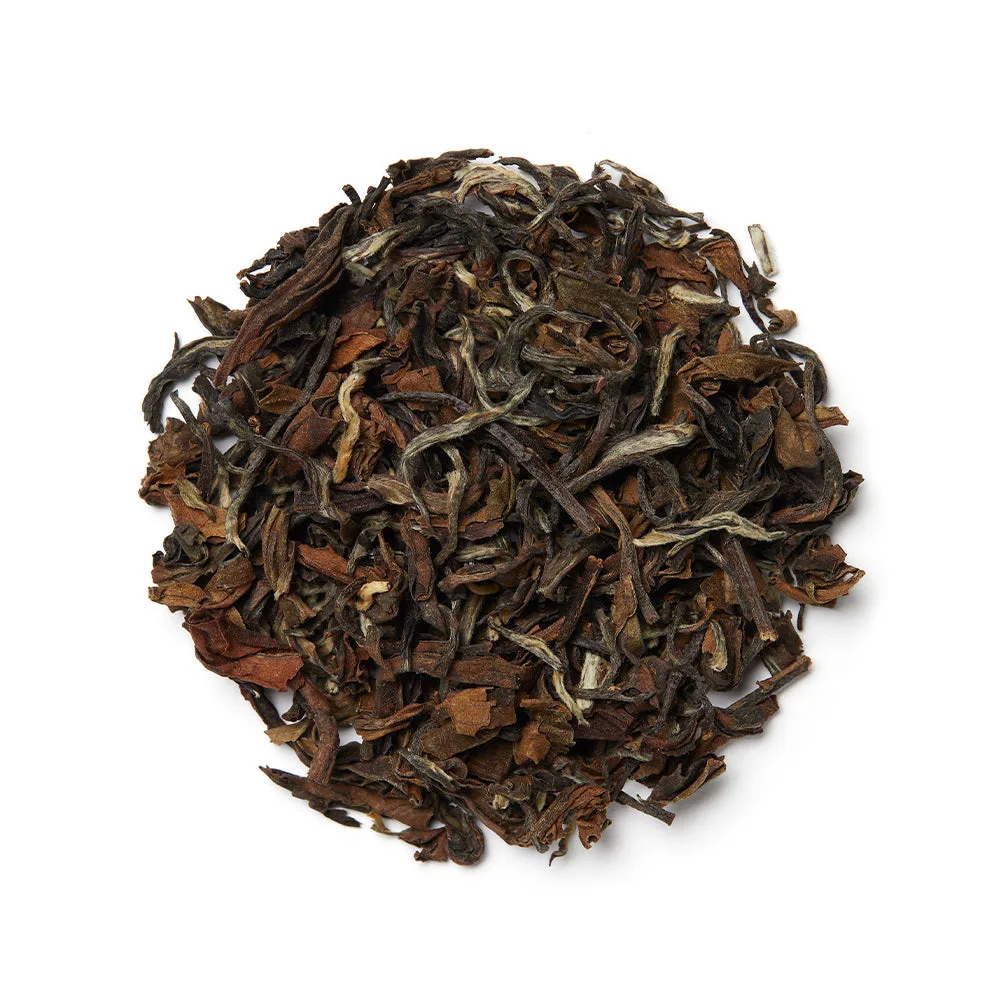
Transitioning from coffee to tea doesn’t have to be drastic. Start by replacing one coffee cup a day with a strong black tea, like an English Breakfast or a malty Assam. The caffeine content is lower but still satisfying, and you’ll avoid the afternoon slump. Gradually increase tea consumption as your taste adjusts.
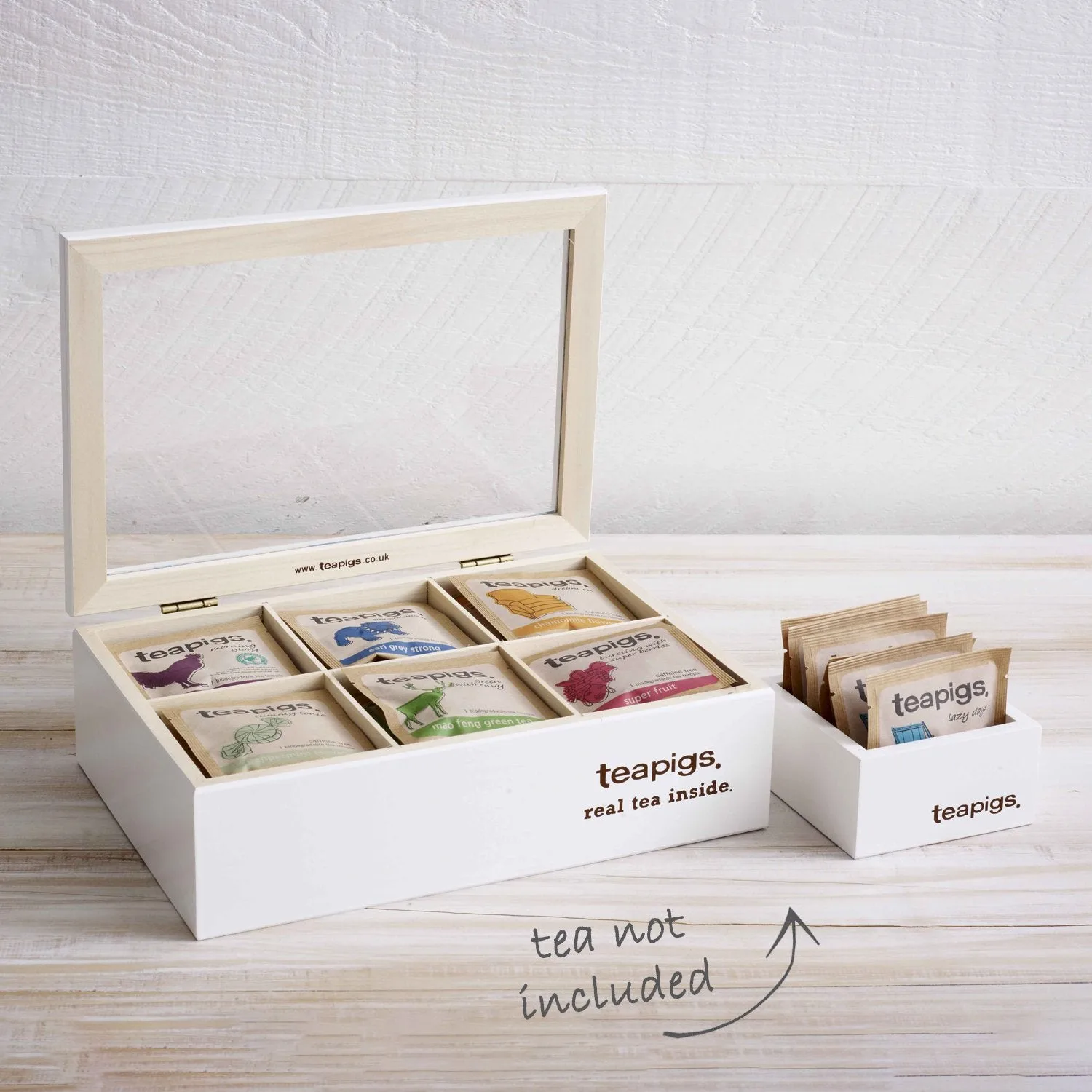
Experiment with brewing methods to find your perfect cup. Use fresh, filtered water and steep according to the tea type—usually 2-3 minutes for green, 3-5 for black. Invest in a good infuser or teapot to make the process enjoyable. For convenience, our envelope display chests offer a stylish way to store your favorite tea bags and keep them fresh.
- Start with a morning black tea to mimic coffee’s body
- Use a thermometer: green tea at 175°F, black at 200°F
- Try iced tea as a refreshing coffee alternative
Ultimately, the tea vs coffee debate comes down to personal preference and lifestyle. Tea offers a gentler caffeine boost, a wealth of antioxidants, and an incredible variety of flavors that can be enjoyed hot or cold. Whether you’re a lifelong coffee drinker curious about alternatives or a tea enthusiast looking to expand your horizons, there’s a perfect brew waiting for you. Explore our collection of premium teas and accessories at Best Teas Online to start your journey today. Discover the soothing elegance of our honeybush & rooibos tea—a naturally sweet, caffeine-free delight that makes switching easy and delicious.