Teaching your child to sit properly in a booster seat is a common challenge for many parents. The transition from a harnessed car seat to a booster seat often comes with newfound freedom for little ones, which can lead to wiggling, leaning, or unbuckling during rides. However, proper posture in a booster seat is crucial for safety: the lap belt must sit low across the hips, the shoulder belt across the chest, and the child must remain seated upright without slouching or leaning out of position. In this guide, we’ll explore practical, positive strategies to help your child develop good car seat behavior, making every journey safer and more enjoyable for the whole family.
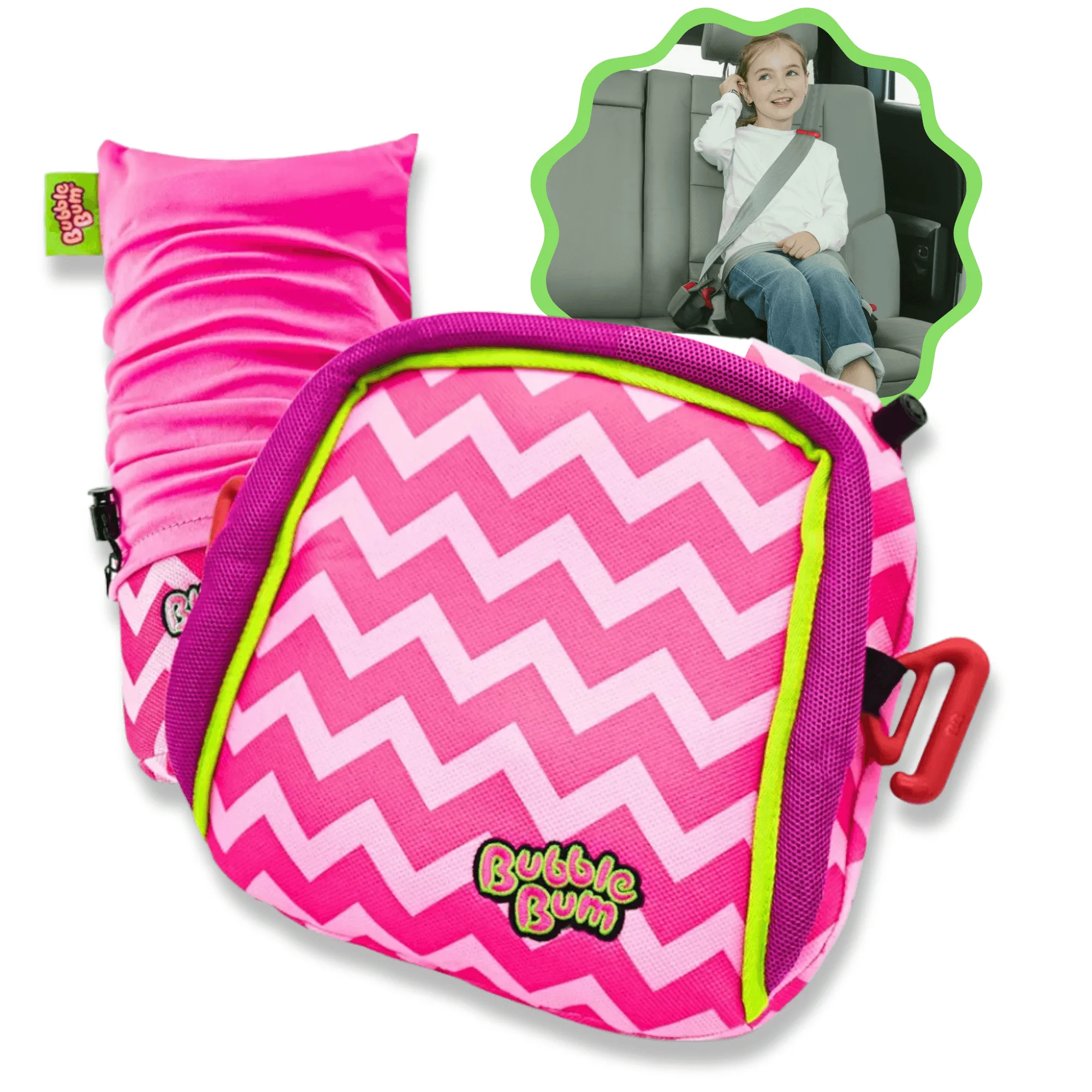
Whether you’re using a portable inflatable booster like the BubbleBum Inflatable Car Booster Seat - Travel Booster Seat - Rainbow Style for vacations or a more permanent booster for daily commutes, consistency and patience are key. By understanding why children resist sitting still and applying simple behavioral techniques, you can turn car rides into calm, cooperative experiences. Let’s dive into the most effective methods to teach your child to sit properly in a booster seat, reduce distractions, and build lifelong safety habits.
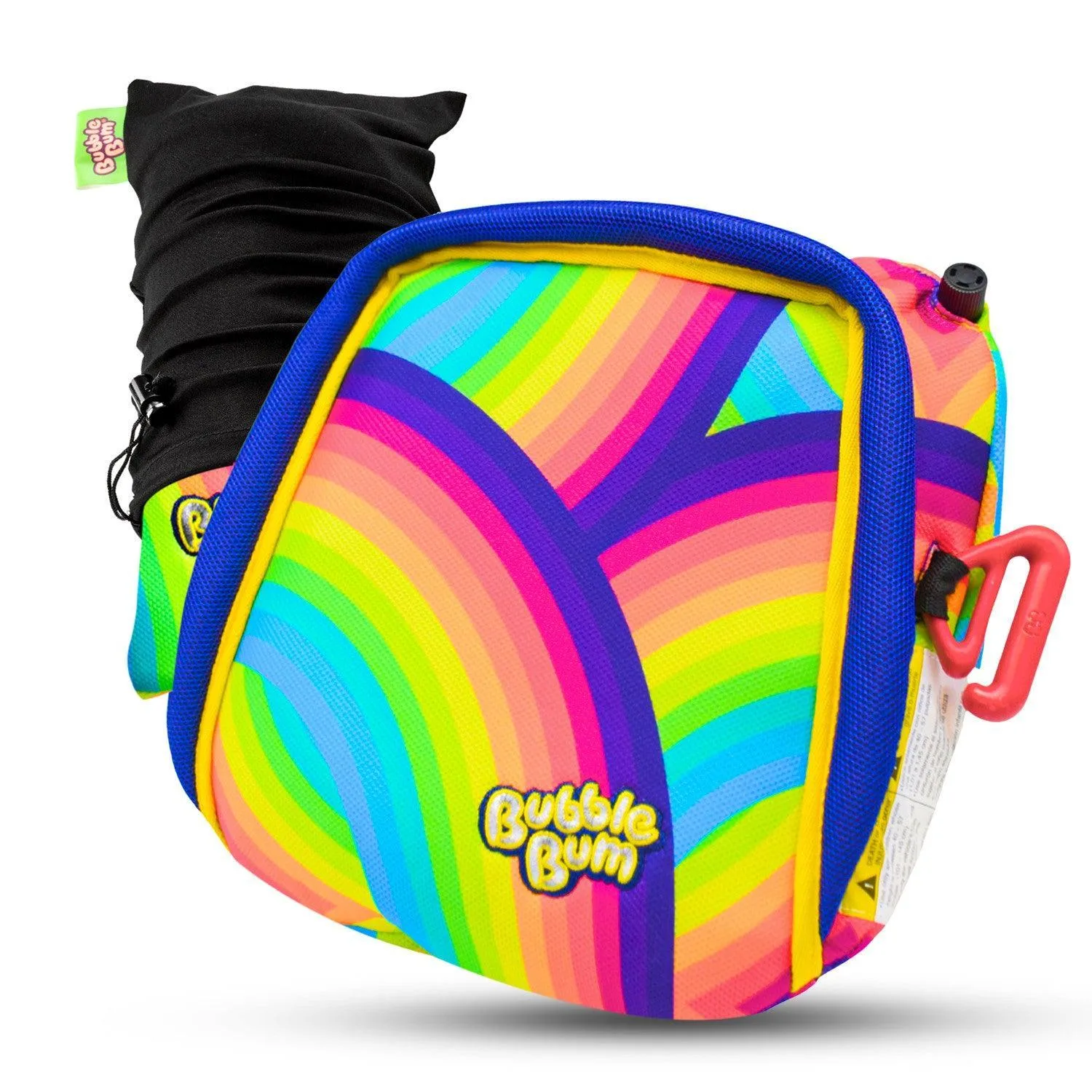
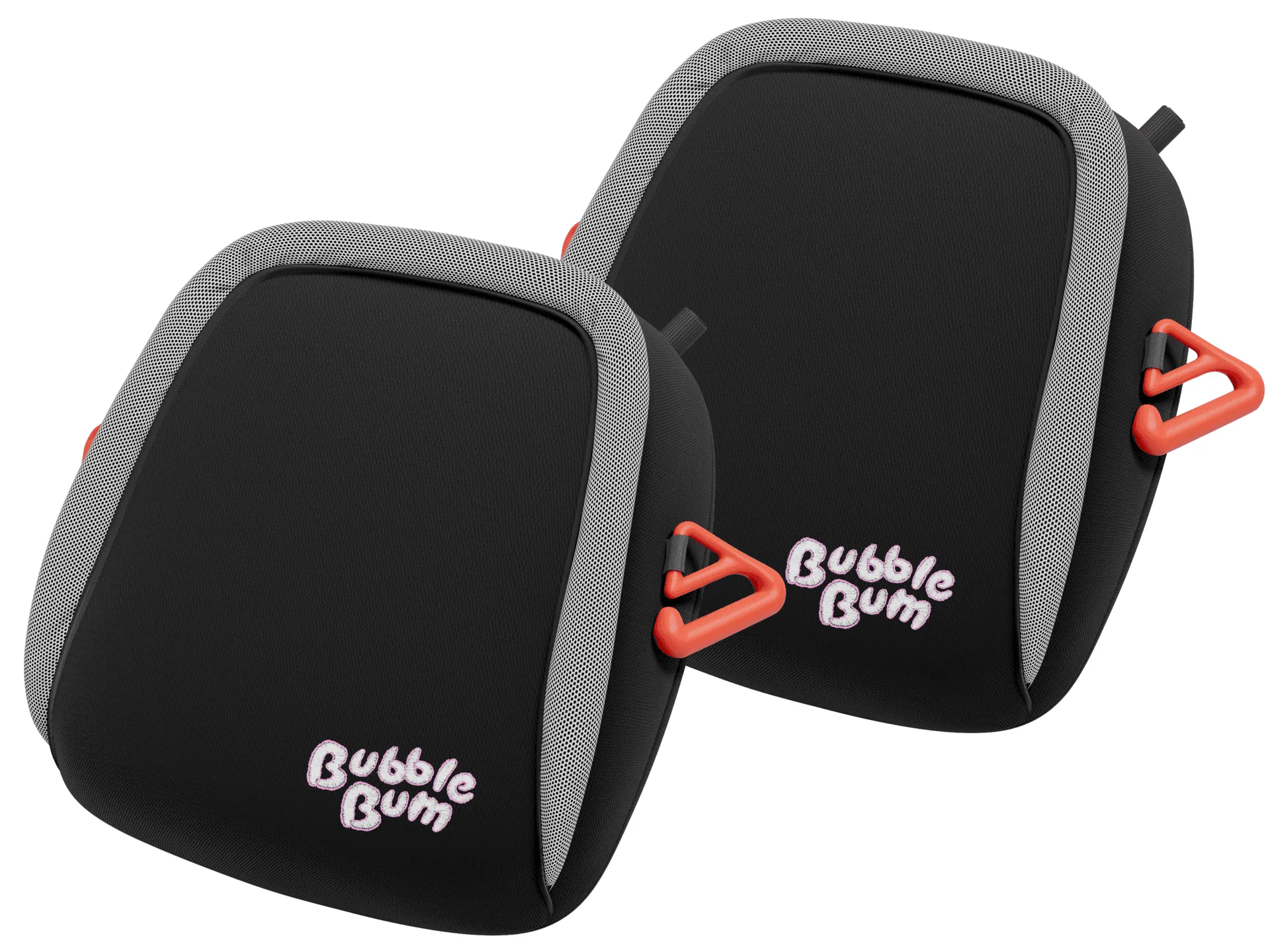
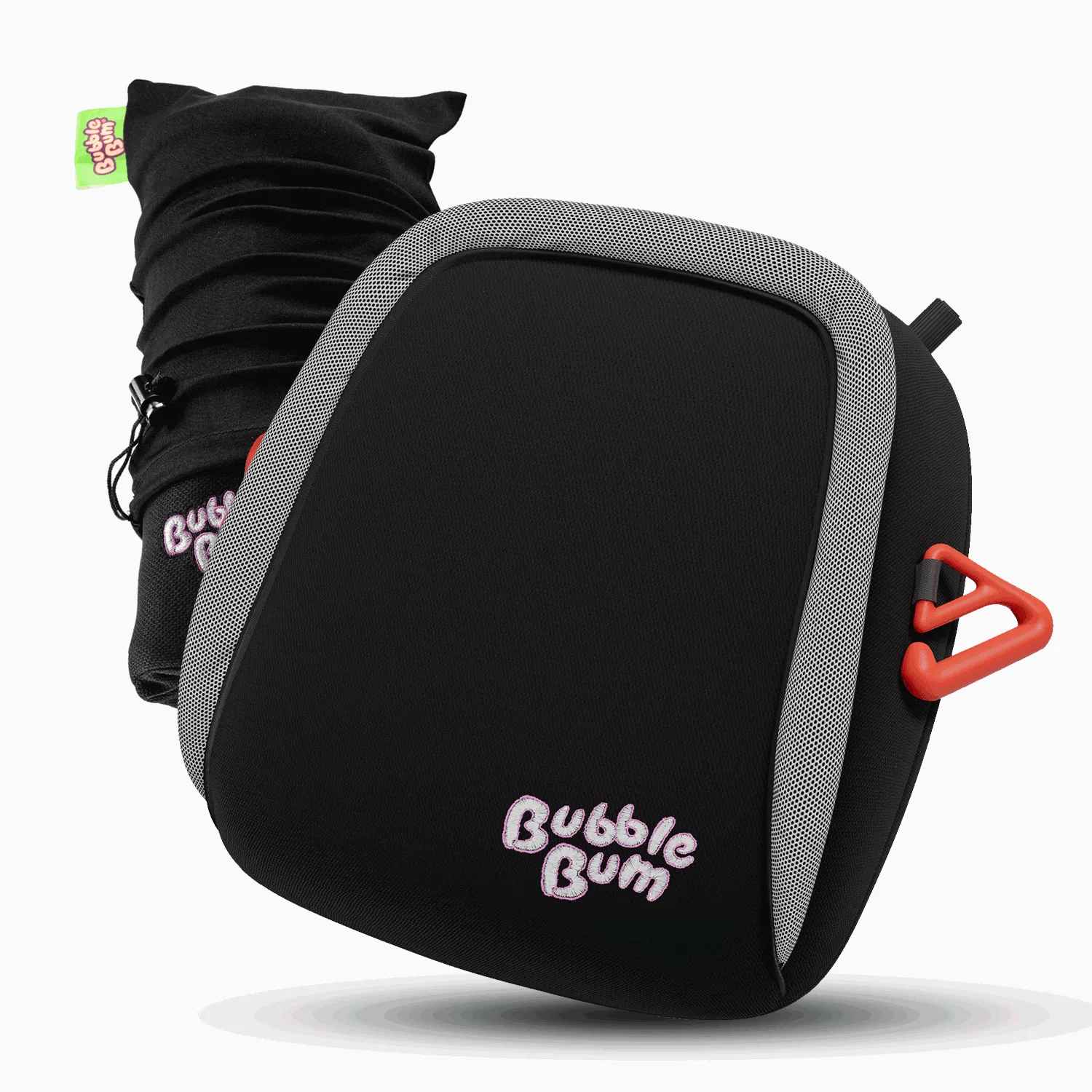
BubbleBum Inflatable Car Booster Seat - Travel Booster Seat - Rainbow Style
Why Proper Booster Seat Posture Matters for Safety
A booster seat works by positioning your child so that the vehicle’s seat belt fits correctly. If your child slouches, leans sideways, or places the shoulder belt behind their back, the belt can ride up over the stomach or neck, increasing the risk of injury during a sudden stop or crash. Proper posture ensures the lap belt stays low on the hips (not the soft abdomen) and the shoulder belt crosses the center of the chest, away from the neck. This is why teaching your child to sit properly is not just about behavior—it’s about protecting them in every ride.
Many parents wonder if inflatable boosters like the BubbleBum Teleport Backless Booster Car Seat are as safe as traditional ones. The answer is yes, provided the child sits correctly. The Teleport model uses a telescopic design that adjusts to your child’s size, but the same posture rules apply. Reinforce that sitting still isn’t a punishment—it’s a safety rule, just like wearing a seatbelt. Use simple language: “We sit straight so the seatbelt can keep us safe.”
- Explain the “seatbelt hug” concept: the belt should hug their hips and chest, not their tummy or neck.
Start with the Right Booster Seat for Your Child
A booster seat that fits your child’s size and comfort level can make a huge difference in their willingness to sit still. If the seat is too narrow, too hard, or slides around, your child will naturally fidget. Inflatable boosters like the BubbleBum Inflatable Car Booster Seat - Travel Booster Seat - Rainbow Style are lightweight and portable, but they need to be properly inflated to provide firm support. Check that your child’s knees bend comfortably at the edge of the seat, and that the shoulder belt guide (if present) is at or above their shoulder. A comfortable child is much more likely to sit properly.
For older children or those who have outgrown a harness, consider the BubbleBum Teleport Backless Booster Car Seat, which offers a telescopic adjustability to grow with your child. Its padded armrests and contoured design help naturally encourage a centered, upright position. When the seat fits well, you’ll have fewer posture issues from the start. Let your child help choose the color or pattern—like the Rainbow Style—to give them a sense of ownership and pride in their “big kid” seat.
- Ensure the booster seat is approved for your child’s height and weight (check the label).
- Test the fit: your child’s ears should not be above the vehicle’s seat back.
Use Positive Reinforcement and Clear Rules
Children respond better to praise and rewards than to scolding. Create a simple “booster seat promise” before each trip: “We sit straight, we keep our hands to ourselves, and we don’t unbuckle until the car stops.” Use a sticker chart or a small treat for every successful ride where they sat properly without reminders. Keep the rules consistent across all caregivers—grandparents, babysitters, and other drivers should reinforce the same expectations. Over time, the behavior becomes a habit.
If your child struggles with boredom, incorporate engaging activities that don’t require leaning forward. The Totebook Kids Dry Erase Travel Activity Book is a fantastic reusable option that lets kids draw, play games, and practice letters while staying buckled. Pair it with a lap desk or a clip-on toy to keep their hands busy without compromising safety. Remember, the goal is to keep them seated upright, so avoid toys that encourage leaning or reaching.
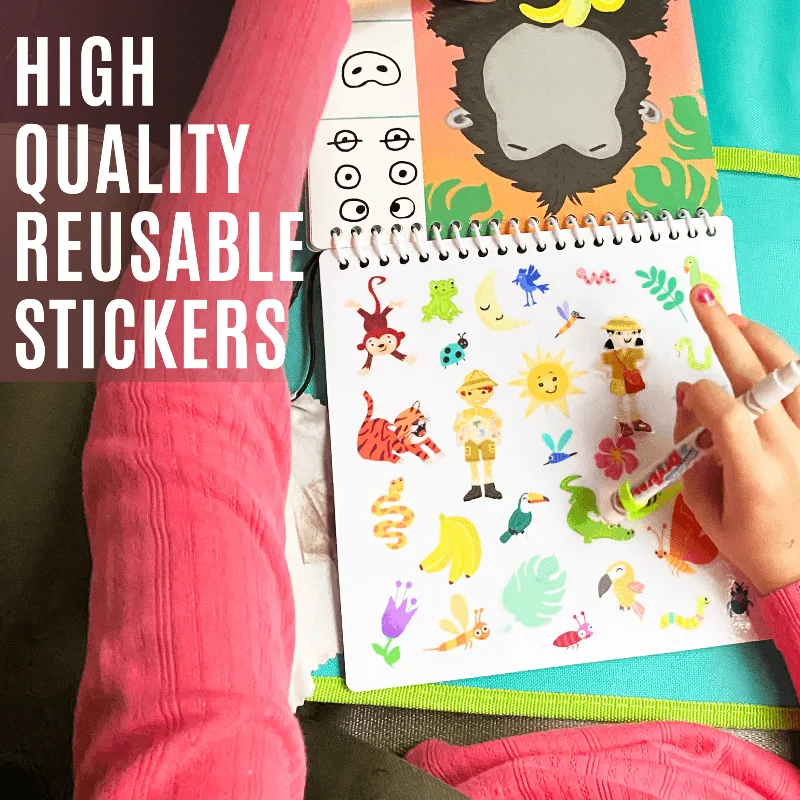
Totebook Kids Dry Erase Travel Activity Book
- Set a timer for short intervals (e.g., 10 minutes) and praise them for sitting still until the timer goes off.
- Use a “car seat song” or audiobook to create a calming routine.
Practice at Home Before Hitting the Road
One of the most effective ways to teach booster seat behavior is to practice in a low-stakes environment. Let your child sit in the booster seat while the car is parked in the driveway. Read a book together or have a snack (if allowed) while reinforcing the correct sitting position. This removes the pressure of traffic and helps your child associate the seat with positive, calm moments. You can also play “pretend drive” where you both practice buckling and unbuckling properly.
During these practice sessions, check that the shoulder belt positioning strap clip (if your booster has one) is adjusted correctly. For the BubbleBum Teleport, the integrated shoulder belt guide helps keep the belt in place, but you can also purchase a Replacement Shoulder Belt Positioning Strap Clip for added security. Use this time to let your child practice clipping and unclipping the seatbelt with your supervision, so they understand how it works and why it’s important to keep it fastened.
- Role-play: “Let’s pretend we’re going to the zoo. Can you sit like a statue until we get there?”
- Use a mirror to let your child see themselves sitting properly—visual feedback helps.
Address Common Challenges with Patience and Consistency
It’s normal for children to test boundaries, especially during long trips or when they’re tired. If your child repeatedly slouches or unbuckles, pull over safely and calmly explain that the car cannot move until they are sitting properly. This teaches cause and effect without yelling. For extreme cases, consider using a car seat alarm or a mirror that allows you to see them without turning around. Consistency is key: if you let them slide once, they’ll test again.
Another common issue is the child complaining that the seatbelt is uncomfortable. Check that the belt is not twisted and that the booster seat’s armrests or belt guides are positioned correctly. For inflatable models like the BubbleBum, ensure the seat is fully inflated—a soft seat can cause the child to sink and the belt to ride up. If discomfort persists, a Memory Foam Travel Neck Pillow can help support their head and neck, reducing the urge to lean sideways. Small adjustments can make a big difference in cooperation.
- Keep a “calm down” kit with a small stuffed animal or stress ball for emotional moments.
- Never drive with a child out of position—safety always comes first.
Teaching your child to sit properly in a booster seat takes time, patience, and the right tools. By choosing a comfortable, well-fitted booster like the BubbleBum Inflatable Car Booster Seat - Travel Booster Seat - Rainbow Style, using positive reinforcement, and practicing at home, you can help your child develop safe car seat habits that will last for years. Remember, every successful ride is a step toward independence and safety. Start today, and enjoy stress-free family travel with your little one sitting safely and happily.