Teaching children about free markets can feel daunting. Abstract concepts like supply and demand, voluntary exchange, and entrepreneurship are not always easy to explain over dinner. Yet understanding these ideas is essential for raising financially literate, independent thinkers. The good news? You don't need a degree in economics to get started. Activity workbooks offer a hands-on, low-stress way to introduce free market principles to kids of all ages.
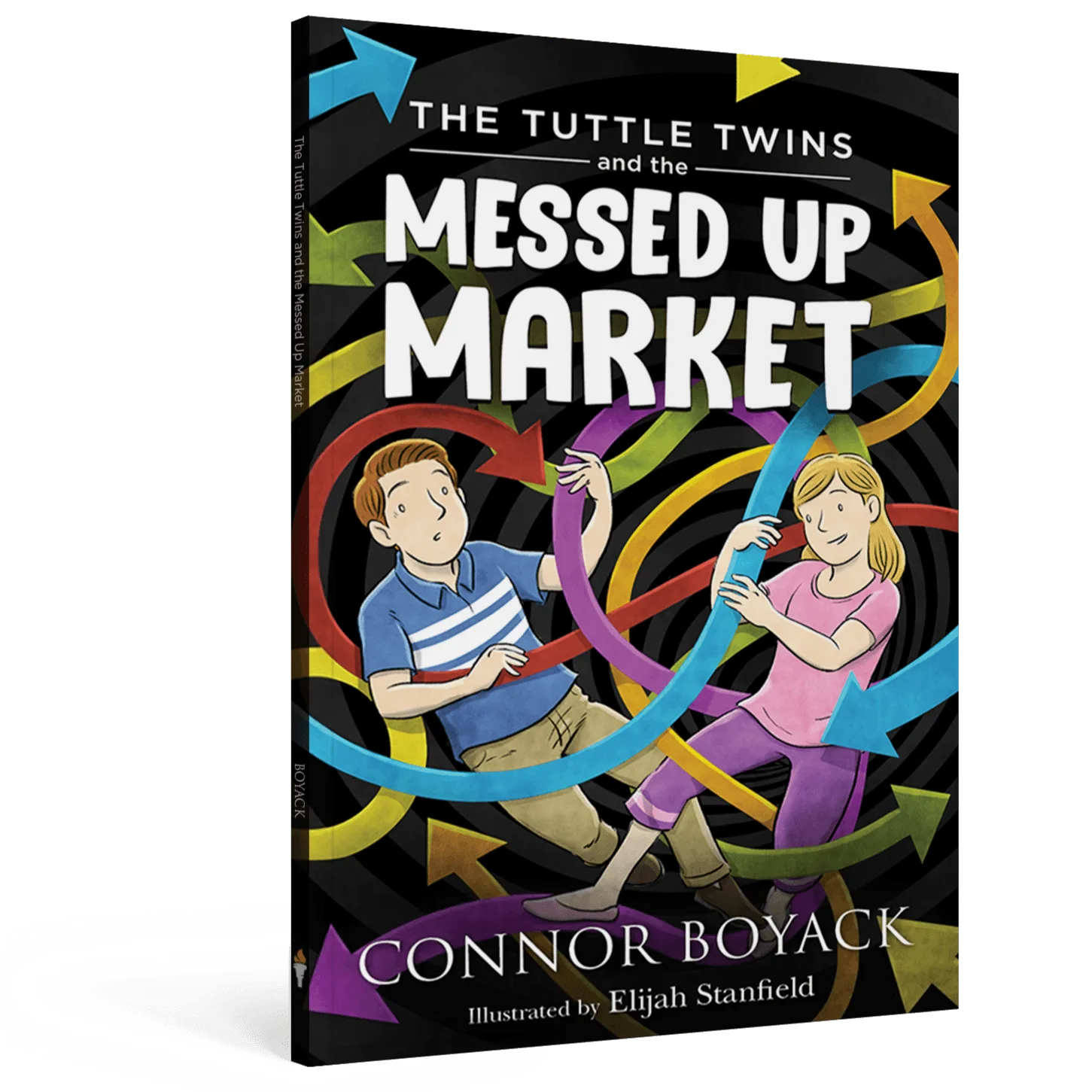
At The Tuttle Twins, we believe that learning economics should be fun, memorable, and grounded in real-world examples. Our activity workbooks are designed to complement the beloved Tuttle Twins stories, turning passive reading into active discovery. Whether you are a parent, homeschool educator, or classroom teacher, these resources can help you spark curiosity and build a strong foundation in free market economics.
Why Activity Workbooks Work for Teaching Free Markets
Children learn best when they are engaged and can see concepts in action. Activity workbooks combine puzzles, drawing, writing prompts, and real-life scenarios to make abstract ideas tangible. Instead of memorizing definitions, kids solve problems, make choices, and see the consequences of those choices in a safe, playful environment.
For example, a workbook might ask a child to decide how to allocate limited resources in a lemonade stand, teaching scarcity and trade-offs. Another activity could simulate a marketplace where kids set prices and negotiate trades, illustrating voluntary exchange and the role of profit. These experiences stick because they are interactive and personal.
Moreover, workbooks allow children to learn at their own pace. They can revisit activities, discuss with siblings or parents, and build confidence over time. This self-directed approach fosters critical thinking and a deeper understanding of how free markets actually work.
- Use drawing and coloring to illustrate supply and demand curves
- Incorporate word searches with key terms like 'competition' and 'property rights'
- Create simple math problems that show the benefits of specialization and trade
Key Free Market Concepts to Cover with Workbooks
When selecting or creating activities, focus on core free market principles that are age-appropriate. For younger children (ages 5-8), start with basic ideas like scarcity, choice, and the importance of work. For older kids (ages 9-14), introduce concepts like profit and loss, entrepreneurship, and the role of prices as signals.
One excellent resource is the Road to Surfdom (PDF Activity Workbook). This workbook pairs with the popular Tuttle Twins story to help kids understand the dangers of central planning and the benefits of individual freedom. Activities include matching exercises, fill-in-the-blank prompts, and discussion questions that encourage kids to think critically about government intervention.
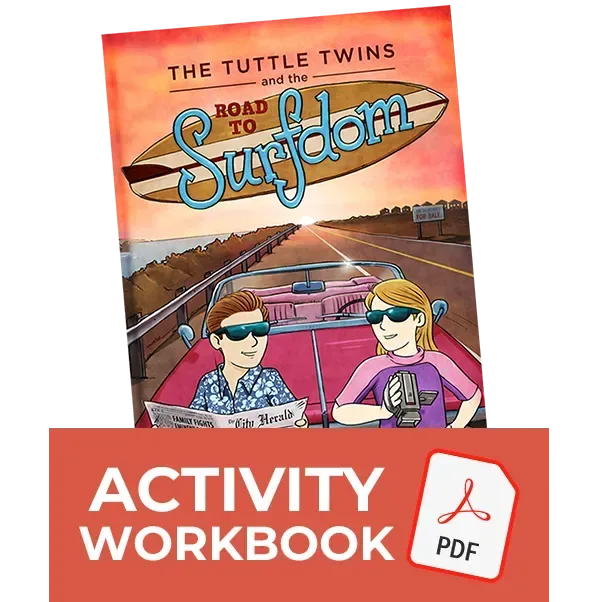
Road to Surfdom (PDF Activity Workbook)
Another valuable tool is the 15 Questions to Help Children Develop Critical Thinking (PDF). While not exclusively about economics, this resource teaches kids how to question assumptions, evaluate trade-offs, and recognize logical fallacies—skills that are essential for understanding free markets. Use these questions alongside any economics lesson to deepen comprehension.
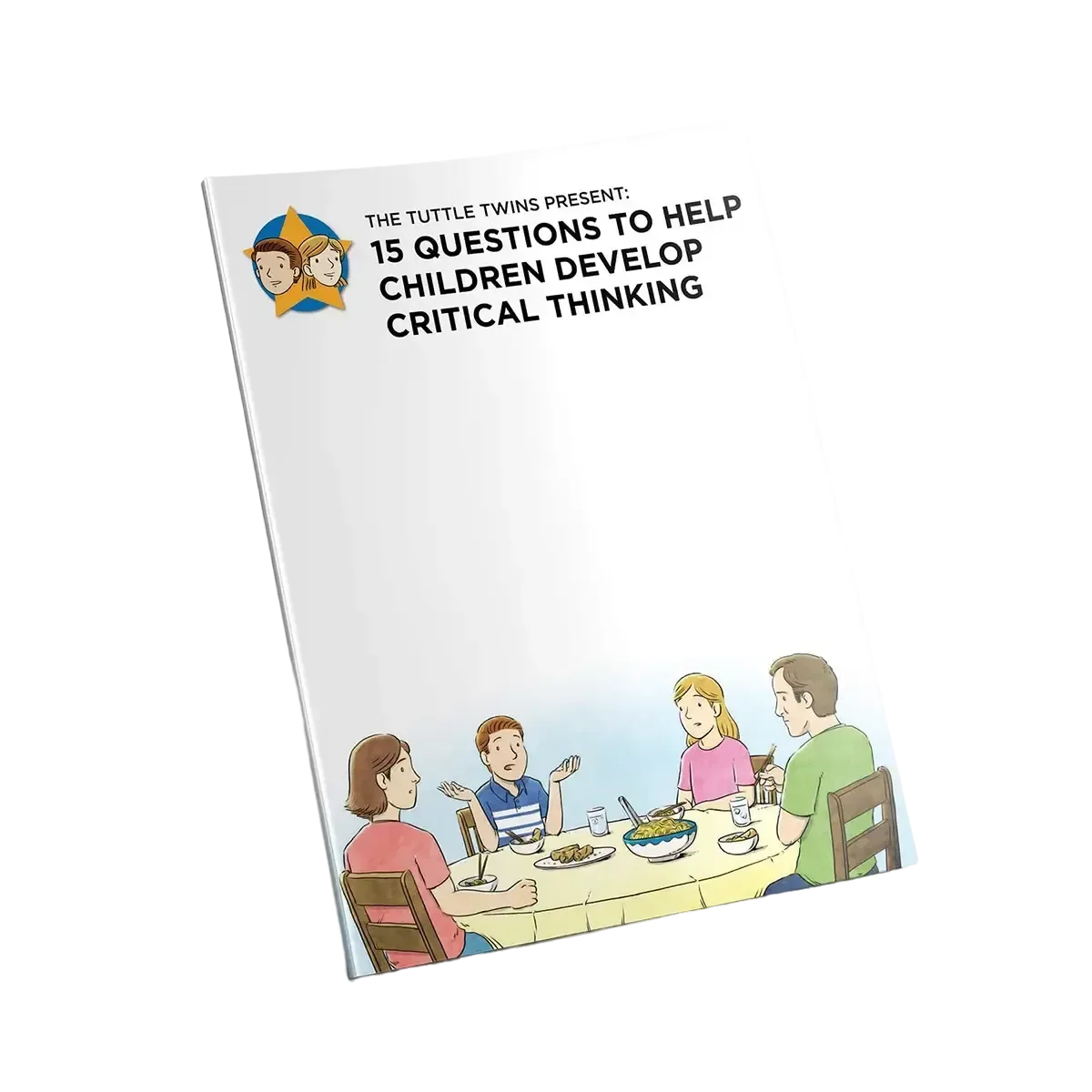
15 Questions to Help Children Develop Critical Thinking (PDF)
- Scarcity and choice: Have kids list items they want and rank them by priority
- Voluntary exchange: Role-play a trade scenario where both parties benefit
- Entrepreneurship: Design a simple business plan for a lemonade stand or pet-sitting service
How to Integrate Workbooks into Your Homeschool or Classroom
Integrating activity workbooks into your routine doesn't have to be complicated. Start by reading a Tuttle Twins story together, then follow up with a related workbook page. This connects the narrative to the economic lesson, making it more memorable. For example, after reading a story about a food truck competition, use an activity that explores pricing and customer choice.
Set aside a dedicated 'economics time' once or twice a week. Keep sessions short—15 to 30 minutes for younger kids, up to 45 minutes for older ones. Allow children to work independently or in small groups, then discuss their answers as a family or class. Encourage questions and let kids share their own examples from daily life, like a trip to the grocery store or a garage sale.
You can also use workbooks as a springboard for larger projects. For instance, after completing activities on entrepreneurship, challenge kids to start a small business or run a mock market day. The workbook provides the theory; the project gives them practice. This combination solidifies learning and builds real-world skills.
- Pair each workbook page with a real-life example (e.g., a visit to a farmer's market)
- Use workbooks as a warm-up before a group discussion or debate
- Track progress with a simple checklist to celebrate completed activities
Recommended Free Market Activity Workbooks from The Tuttle Twins
The Tuttle Twins offers a range of workbooks that make teaching free markets easy and enjoyable. The Road to Surfdom (PDF Activity Workbook) is a standout for its engaging activities that explain why freedom matters in economic systems. It covers topics like price controls, incentives, and the unintended consequences of regulation.
For younger learners, the 15 Questions to Help Children Develop Critical Thinking (PDF) is a versatile tool that can be used across subjects. It helps kids ask better questions and think independently, which is the foundation of economic reasoning. Both resources are available as digital downloads, so you can print pages as needed or use them on a tablet.
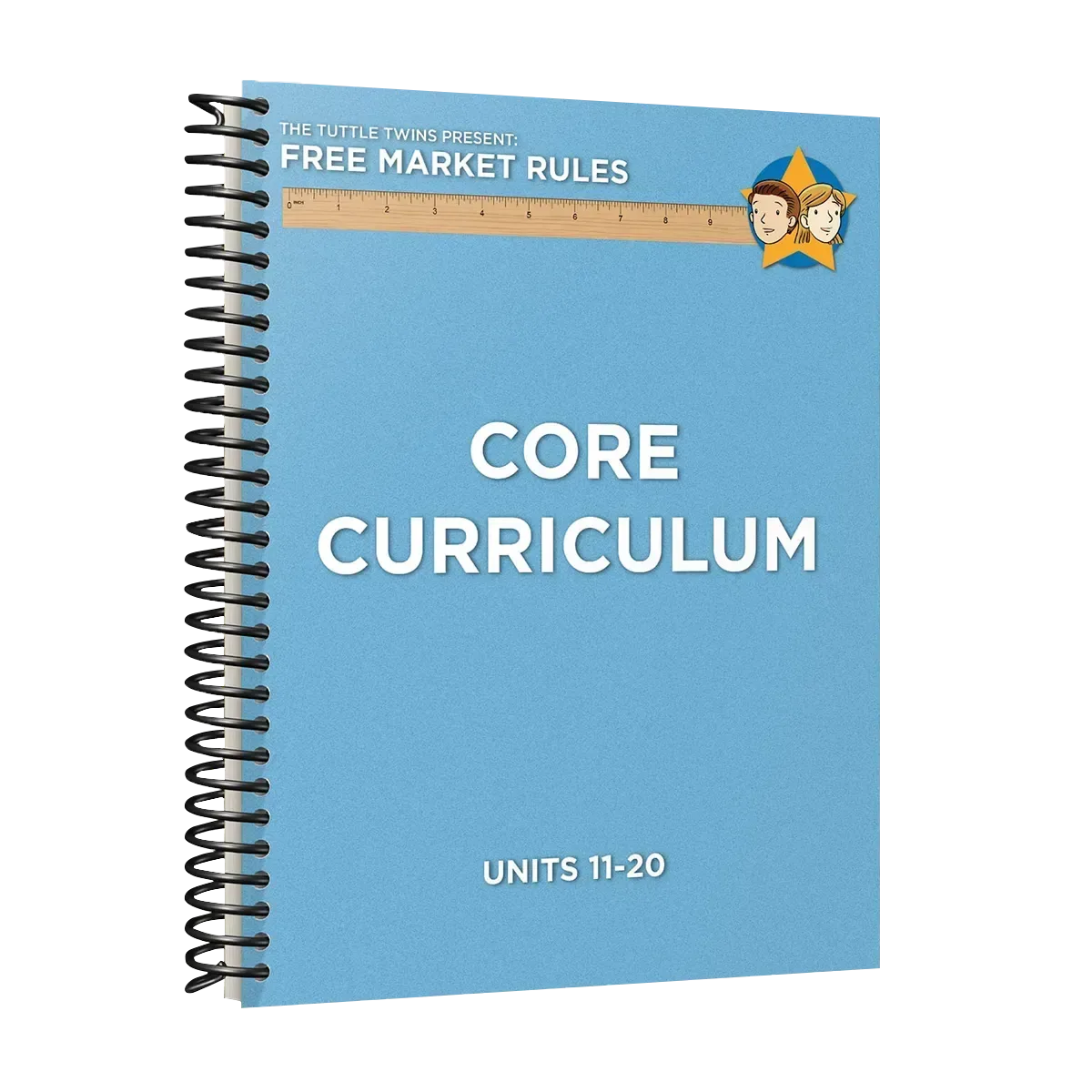
If you want a comprehensive curriculum, consider the Free Market Rules Economic Curriculum (Units 11-20). This set includes multiple workbooks, lesson plans, and activities that build on each other. It's perfect for a full semester of economics education and aligns with the principles taught in the Tuttle Twins stories.
- Road to Surfdom (PDF Activity Workbook) – ideal for ages 8-14
- 15 Questions to Help Children Develop Critical Thinking (PDF) – great for all ages
- Free Market Rules Economic Curriculum (Units 11-20) – comprehensive for older students
Teaching kids about free markets doesn't have to be overwhelming. With the right activity workbooks, you can turn complex ideas into fun, interactive lessons that stick. Start with a single workbook and build from there. Explore the Road to Surfdom (PDF Activity Workbook) today to give your child a head start on understanding the power of free markets.