Quick answer
Start with a soft foam or fabric ball and a short, lightweight plastic bat. Set clear rules about where to swing and who can stand nearby. Practice in a clear, open space with you close by, and keep sessions short—five to ten minutes is plenty for a toddler.
Teaching a toddler to use a bat and ball is less about hitting home runs and more about having fun while staying safe. At this age, children are just beginning to coordinate their hands and eyes, so the right equipment and a few simple rules make all the difference.
This guide walks you through seven practical steps to introduce bat and ball play. You'll learn how to choose safe gear, set up a safe space, and keep practice positive. Along the way, we'll share tips for building toddler ball skills that last.
Why bat and ball play is great for toddlers
Bat and ball games help toddlers develop hand-eye coordination, balance, and gross motor skills. Swinging a bat also builds shoulder and core strength, while chasing a ball encourages running and stopping. These are foundational skills for many sports later on.
Beyond the physical benefits, bat and ball play teaches turn-taking, patience, and following simple instructions. It's a wonderful way to bond outdoors and burn off energy. Just remember that toddlers have short attention spans, so keep it playful and low-pressure.
- Aim for fun, not perfection—celebrate every swing.
- Stop before your toddler gets tired or frustrated.
Choose the right first bat and ball toy
The best first bat and ball toy for a toddler is one that's lightweight, easy to grip, and safe. Look for a bat no longer than 18 inches and made from soft plastic or foam. A foam or fabric ball is ideal because it won't hurt if it hits someone and is easy to see.
Avoid real baseballs, hard plastic balls, or heavy wooden bats. They're too dangerous for a toddler's lack of control. Also, check that the bat has no sharp edges and that the handle is easy for small hands to hold.
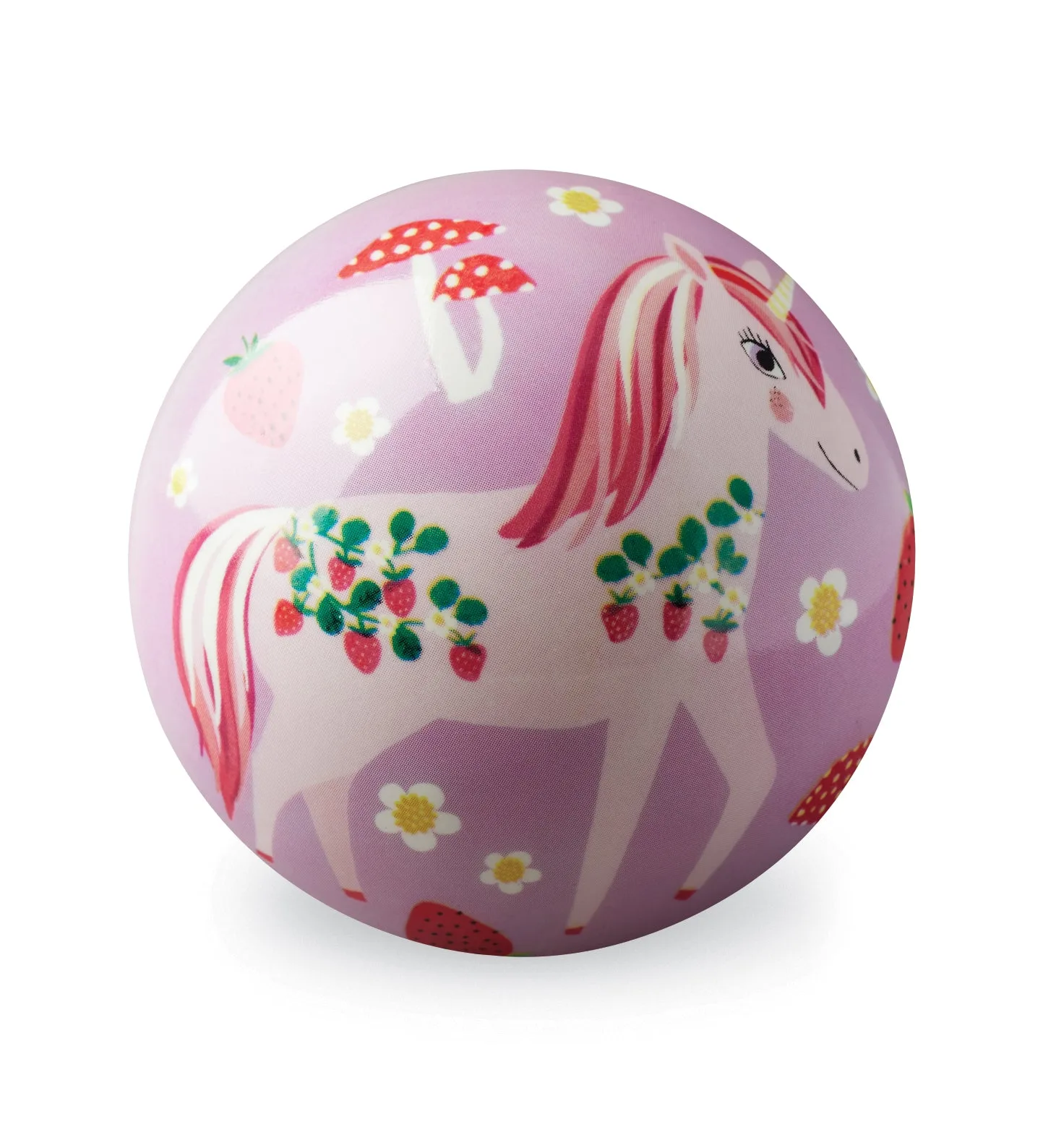
- Soft foam or fabric balls are safest for indoor and outdoor use.
- A short, hollow plastic bat is easier to swing than a solid one.
Set up a safe play space
Before you start, create a safe zone. An open, flat area in your garden or a local park works well. Remove any obstacles like stones, toys, or garden tools that could cause a fall. Make sure there's plenty of space around your toddler so they can swing without hitting anything or anyone.
If you're playing indoors, choose a room with soft flooring and no breakable items nearby. Always supervise your toddler during bat and ball play—no exceptions.
- Check for hazards at toddler height, such as low branches or sharp corners.
- Keep other children and pets at a safe distance while your toddler swings.
Teach the basics: stance, grip, and swing
Show your toddler how to stand with feet apart and knees slightly bent. Place the bat in their hands, with the non-dominant hand on the bottom and the dominant hand on top. For a toddler, a simple two-handed grip is fine. Then demonstrate a gentle swing, keeping it slow and controlled.
Use a large, light ball and place it on a tee or hold it at their waist height. Let them swing at the ball without worrying about hitting it. The goal is to get comfortable with the motion.
- Use a batting tee to keep the ball still—it's much easier for toddlers to hit.
- Praise the effort, not just the result.
Practice with simple games
Turn practice into a game. Try 'hit the ball off the tee' or 'swing and run' where your toddler hits the ball and then runs to a marker. You can also roll a soft ball gently to them and let them swing at it. Keep the ball slow and predictable.
Another fun game is 'stop the ball' where you roll the ball and they try to stop it with the bat. This builds hand-eye coordination without the pressure of hitting. Vary the games to keep interest high.
- Use verbal cues like 'ready, set, swing!' to build anticipation.
- Keep turns short—no more than 5 swings before a break.
Reinforce safety rules
Even with soft equipment, toddlers need clear safety rules. Teach them to only swing when you say it's okay, to keep the bat down when not swinging, and to never hit toward people or animals. Use simple words and repeat the rules often.
Model safe behavior yourself. If you swing a bat, show them how you check the area first. Consistency is key—if you let them swing wildly one day, they'll think it's okay every day.
- Always hold the bat with two hands until they're older.
- Stop play immediately if your toddler starts swinging carelessly.
Know when to take a break
Toddlers tire quickly, and frustration can lead to unsafe behavior. Watch for signs of fatigue: rubbing eyes, losing balance, or refusing to swing. When you see these, it's time to stop. A short session that ends on a positive note is better than a long one that ends in tears.
Aim for 5–10 minutes of bat and ball play at a time, a few times a week. As your toddler's skills grow, you can gradually extend the time.
- End on a high note—finish with a successful hit or a fun chase.
- Offer water and a rest after each session.
7 steps to teach bat and ball safely
- 1. Choose a soft ball and short bat: Pick a foam or fabric ball and a lightweight plastic bat no longer than 18 inches. Avoid hard balls and heavy bats. Checkpoint: The bat should be easy for your toddler to lift with one hand.
- 2. Set up a clear, safe space: Find an open area free of obstacles. Remove hazards and ensure no other children or pets are within swinging distance. Checkpoint: You can stand an arm's length away and still supervise closely.
- 3. Demonstrate a simple stance and grip: Show your toddler how to stand with feet apart and hold the bat with two hands. Keep the swing slow and controlled. Checkpoint: Your toddler can hold the bat without dropping it immediately.
- 4. Use a tee for early success: Place a large ball on a batting tee at waist height. Let your toddler swing at it without pressure to hit. Checkpoint: Your toddler smiles or shows interest after a few swings.
- 5. Play simple games: Try 'hit and run' or 'stop the ball' with a rolled ball. Keep the ball slow and predictable. Checkpoint: Your toddler stays engaged for at least 3–4 turns.
- 6. Reinforce safety rules: Teach your toddler to swing only on your signal, keep the bat down when not swinging, and never hit toward people. Checkpoint: Your toddler pauses when you say 'stop' or 'wait'.
- 7. End on a positive note: Stop before your toddler gets tired or frustrated. Finish with a successful hit or a fun chase. Checkpoint: Your toddler is happy and willing to play again next time.
Toy options that support bat and ball skills
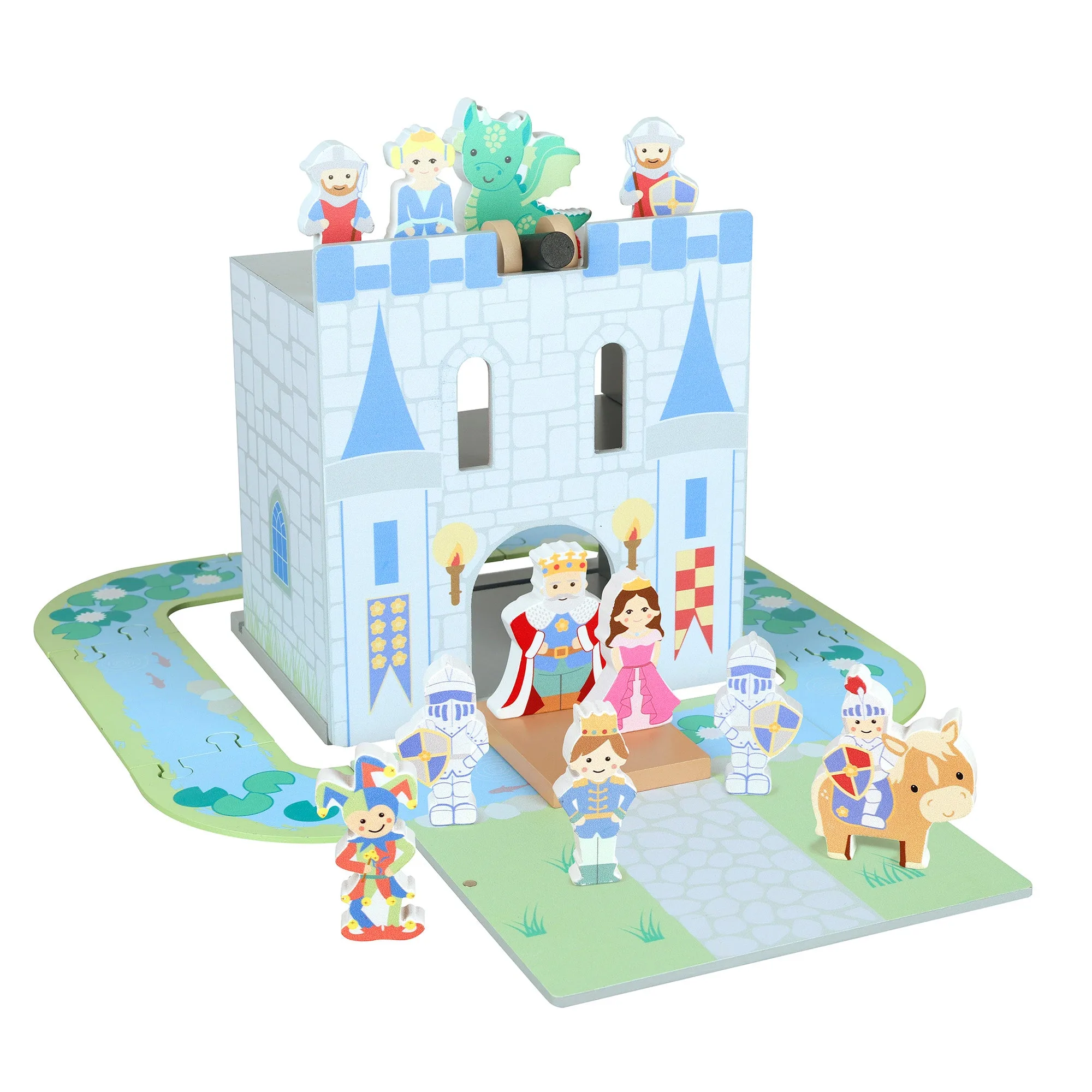
- NEW Castle Play Set: This wooden Castle Play Set is the perfect toy for little storytellers and brave adventurers! Beautifully crafted from durable wood, this enchanting set comes complete with all the characters needed to create endless tales of knights, royalty, & dragons. Build the moat to protect the castle walls, or defend the kingdom from daring attacks. This timeless set will inspire creativity, encourage social... While not a bat and ball toy, this set encourages imaginative play and storytelling, which can complement physical activities by developing language and social skills during downtime.
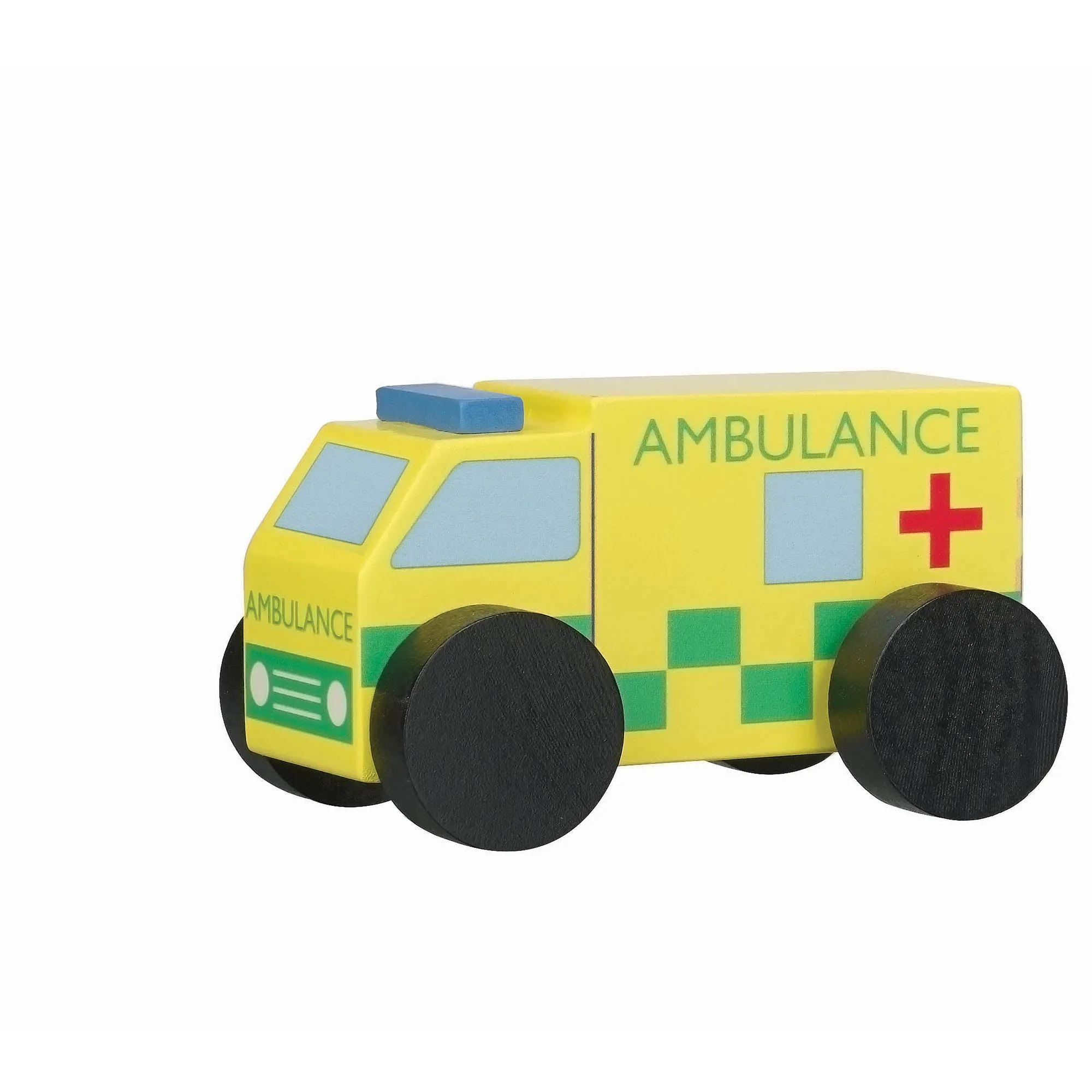
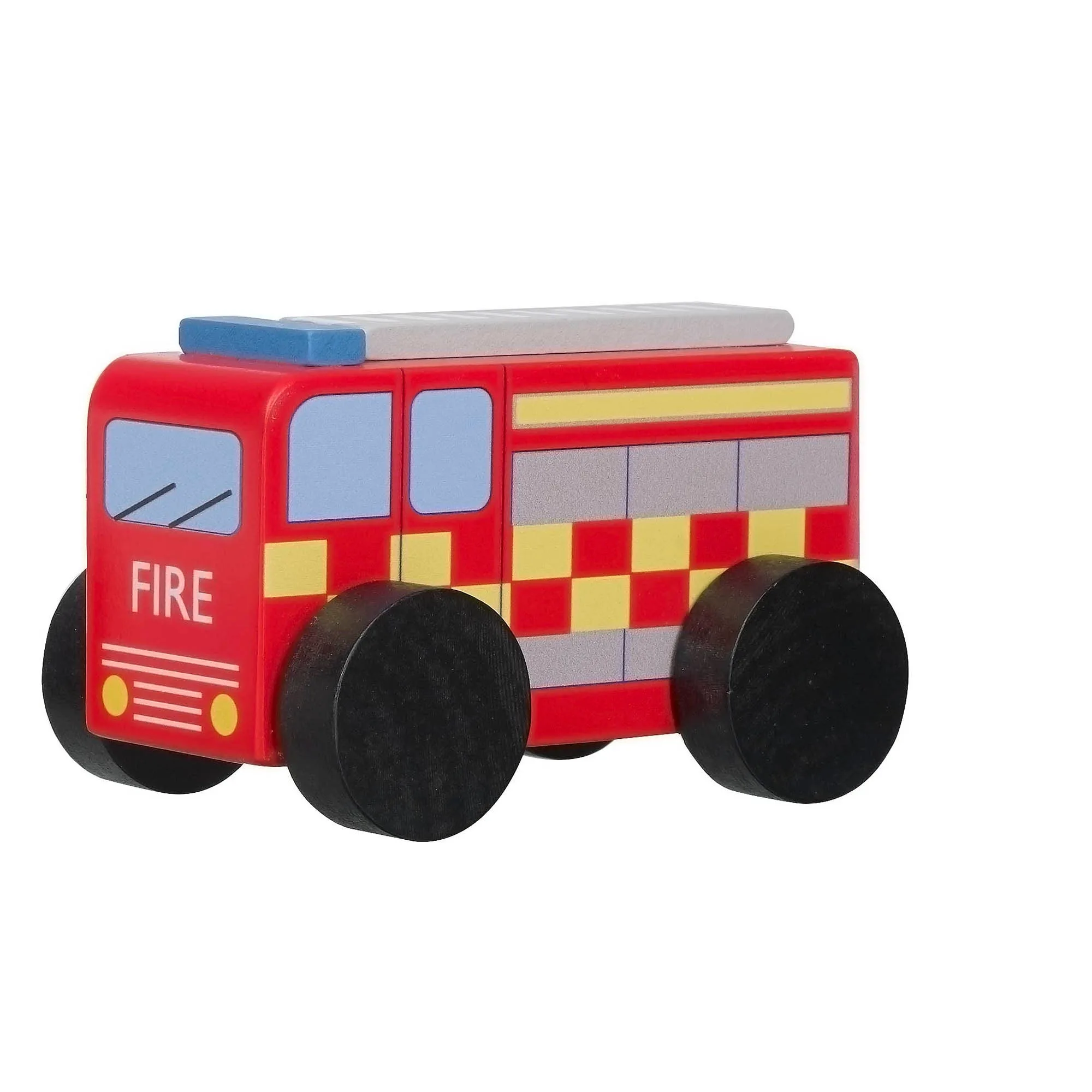
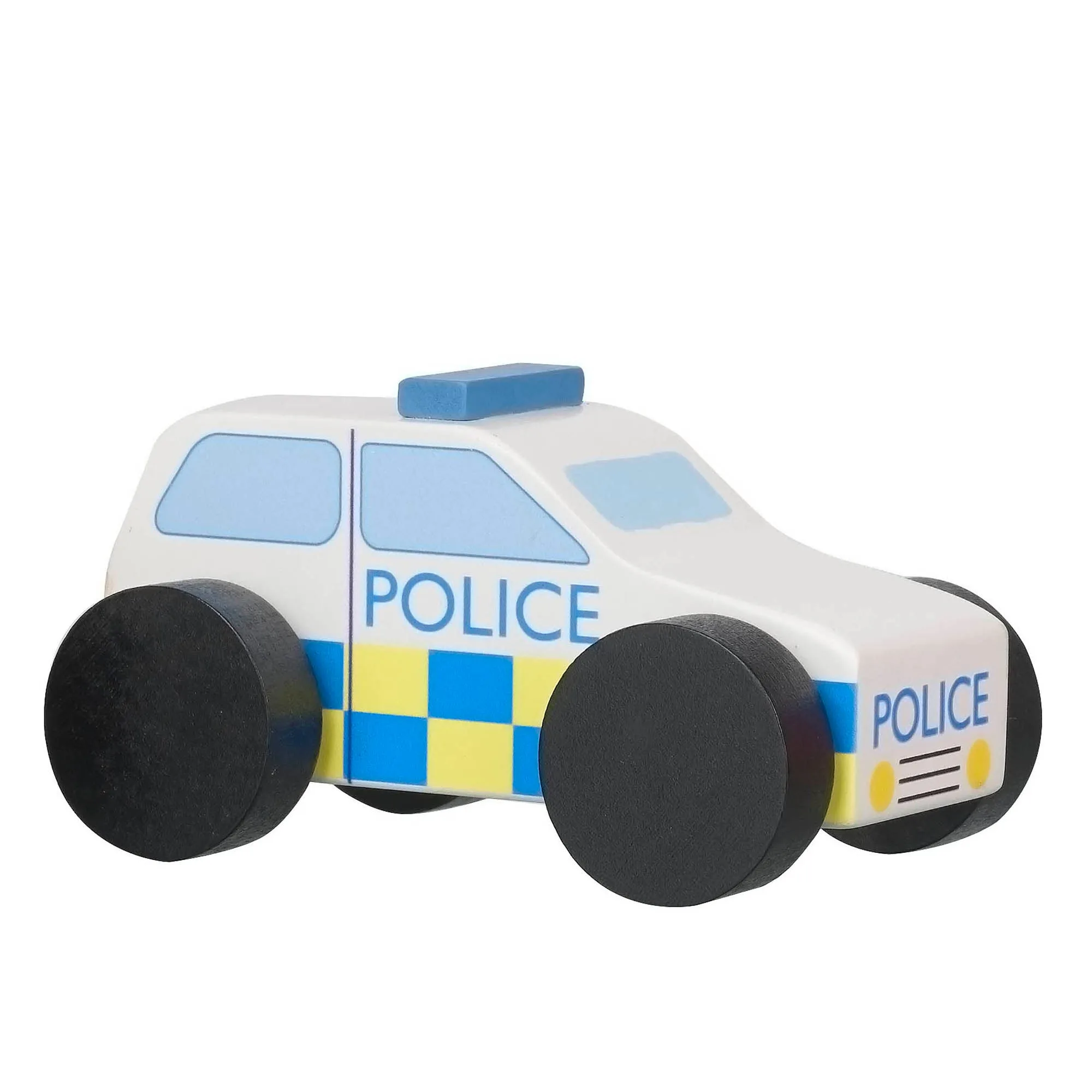
- First Emergency Vehicles: A delightful set of three traditional wooden toy Emergency Vehicles, featuring a police car, a fire engine and an ambulance. They are all brightly coloured in red, blue, yellow and green and are ideal for little hands to grasp and hold. These vehicles are great for pushing and grasping, helping to build hand strength and coordination—skills that transfer to holding and swinging a bat.
- Farmyard Animal Dominoes: A beautiful set of 28 wooden dominoes, each with a different combination of colourful farmyard animals. The dominoes come in a lovely wooden box for convenient storage. Take turns to match the characters together & the first player to place all their dominoes down is the winner. This game is great for encouraging little ones social play and interaction, as well as observation & matching skills. Playing dominoes helps toddlers practice turn-taking and matching, which are valuable for cooperative play and following rules during bat and ball games.
- NEW Buildable Digger: Little engineers can build & play with this wooden Buildable Digger. Designed for hands-on fun, children can assemble the digger piece by piece, then get to work scooping, lifting, & digging — perfect for little builders and big imaginations Help develop fine motor skills, including hand-eye coordination, concentration & problem solving Great for encouraging imaginative play & problem solving Made... Assembling the digger builds fine motor skills and hand-eye coordination, which are foundational for handling a bat and ball.
Teaching your toddler to use a bat and ball safely is a rewarding way to build coordination and confidence. With the right equipment, a safe space, and short, positive sessions, you'll create happy memories and a foundation for a lifetime of active play. Always supervise closely and adjust the activity to your child's mood and energy.