Quick Answer
If whitening toothpaste makes your teeth sensitive, stop using it for a few days, switch to a toothpaste formulated for sensitivity, and check for harsh abrasives. Supersmile's Calprox-based toothpastes are designed to whiten without causing sensitivity, making them a smart choice if you want to keep whitening.
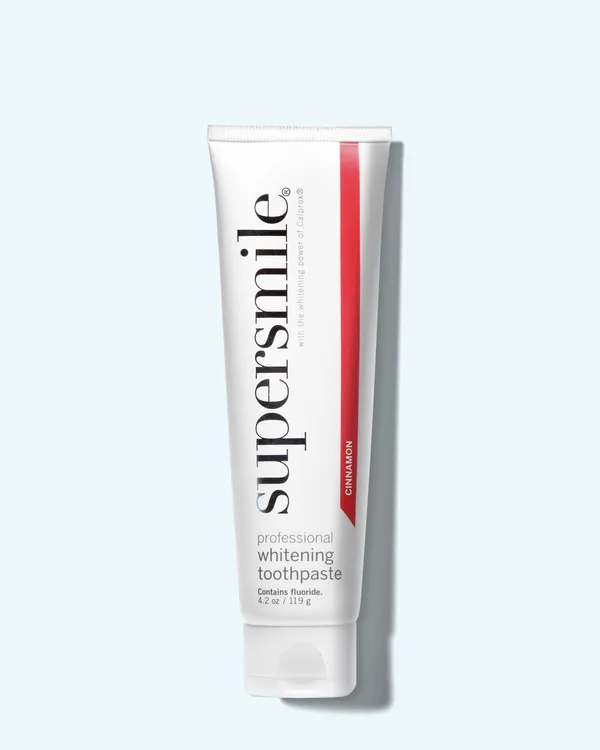
whitening toothpaste
You're not alone: many people try a whitening toothpaste and suddenly feel a zing when they sip coffee or breathe in cold air. That sharp, temporary pain is a classic sign of tooth sensitivity, and it's often triggered by the abrasives or chemicals in some whitening formulas.
The good news? Sensitivity from whitening toothpaste is usually manageable. In this guide, we'll walk you through why it happens, how to soothe your teeth, and when to switch to a gentler whitening option—so you can still get a brighter smile without the ouch.
Why Does Whitening Toothpaste Cause Sensitivity?
Tooth sensitivity from whitening toothpaste typically comes from two culprits: harsh abrasives and strong bleaching agents. Abrasives scrub away surface stains, but if they're too coarse, they can wear down enamel and expose the softer dentin underneath. Once dentin is exposed, hot, cold, or sweet foods can trigger nerve pain.
Some whitening toothpastes also contain hydrogen peroxide or other peroxides that penetrate enamel to break up deeper stains. While effective, these can irritate the nerve inside the tooth, especially if you use them too often or leave them on longer than directed. The result is that familiar twinge.
It's also possible that your sensitivity isn't from the toothpaste at all. Receding gums, enamel erosion from acidic drinks, or even a cracked tooth can make your teeth more vulnerable. If sensitivity persists, it's wise to see a dentist to rule out other issues.
- Check the Relative Dentin Abrasivity (RDA) value: lower is gentler on enamel.
- Avoid brushing with whitening toothpaste more than twice a day.
- If you use a peroxide-based whitening product, follow the instructions exactly and don't overuse it.
Immediate Steps to Soothe Sensitive Teeth
If you're feeling that sharp pain right now, take a break from whitening toothpaste for a few days. Switch to a regular toothpaste designed for sensitive teeth, which usually contains potassium nitrate or stannous fluoride to block nerve signals. Brush gently with a soft-bristled brush and use lukewarm water instead of hot or cold.
You can also try a fluoride rinse or apply a desensitizing gel to the affected areas. Avoid acidic foods and drinks like citrus, soda, and wine, as they can worsen sensitivity. Give your teeth a few days to recover before you reintroduce any whitening product.
If the sensitivity fades quickly and doesn't return, you may be able to go back to whitening—but consider switching to a gentler formula. If it lingers or gets worse, stop using the product and consult your dentist.
How to Prevent Sensitivity When Whitening
Prevention is better than cure. Start by choosing a whitening toothpaste that's low in abrasives and free of harsh chemicals. Look for formulas that use gentle ingredients like Calprox, a patented compound that breaks up stains without attacking enamel. Supersmile's toothpastes are built around this technology, which is one reason they're known for being kind to sensitive teeth.
When you start a new whitening product, use it every other day at first to let your teeth adjust. Always brush with a soft toothbrush and don't scrub aggressively—let the toothpaste do the work. And never leave whitening toothpaste on your teeth longer than the instructions say, thinking it'll whiten faster.
If you have a history of sensitivity, consider using a toothpaste specifically formulated for sensitive teeth, like Supersmile's Original Mint Whitening Toothpaste, which combines whitening with a gentle formula. You can also pair your whitening routine with a desensitizing toothpaste on alternate days.
When to Stop and Choose Another Option
If you've tried gentler whitening and still feel sensitivity, it may be time to stop using that product altogether. Persistent pain isn't normal and could indicate enamel damage or an underlying dental issue. In that case, see your dentist before continuing any whitening regimen.
You don't have to give up on a brighter smile, though. Some people find that whitening strips or professional treatments are better tolerated because they're applied for a shorter time. Or you might simply stick with a gentle daily whitening toothpaste and accept a slower, more gradual result.
The key is to listen to your teeth. If a product causes more than mild, temporary sensitivity, it's not the right fit. Your oral health comes first.
Diagnosis: Is Your Toothpaste the Problem?
- Symptom: Sharp, sudden pain in your teeth when eating or drinking something hot, cold, sweet, or acidic, shortly after starting a whitening toothpaste. If you feel this, sensitivity is likely the issue.
- Likely Cause: The whitening toothpaste contains abrasives or peroxides that are too harsh for your enamel, or you're using it too frequently. Check the ingredient list and your brushing habits.
- Corrective Action: Stop using the whitening toothpaste for a few days, switch to a sensitive-formula toothpaste, brush gently, and avoid acidic foods. If symptoms resolve, reintroduce a gentler whitening product. If sensitivity returns, stop using that product permanently.
- Stop Point: If sensitivity persists after switching to a gentle formula, or if you experience pain that isn't triggered by temperature or sweets, stop whitening altogether and see a dentist. Persistent pain is a sign to get professional advice.
Whitening Toothpastes That Are Gentle on Sensitive Teeth
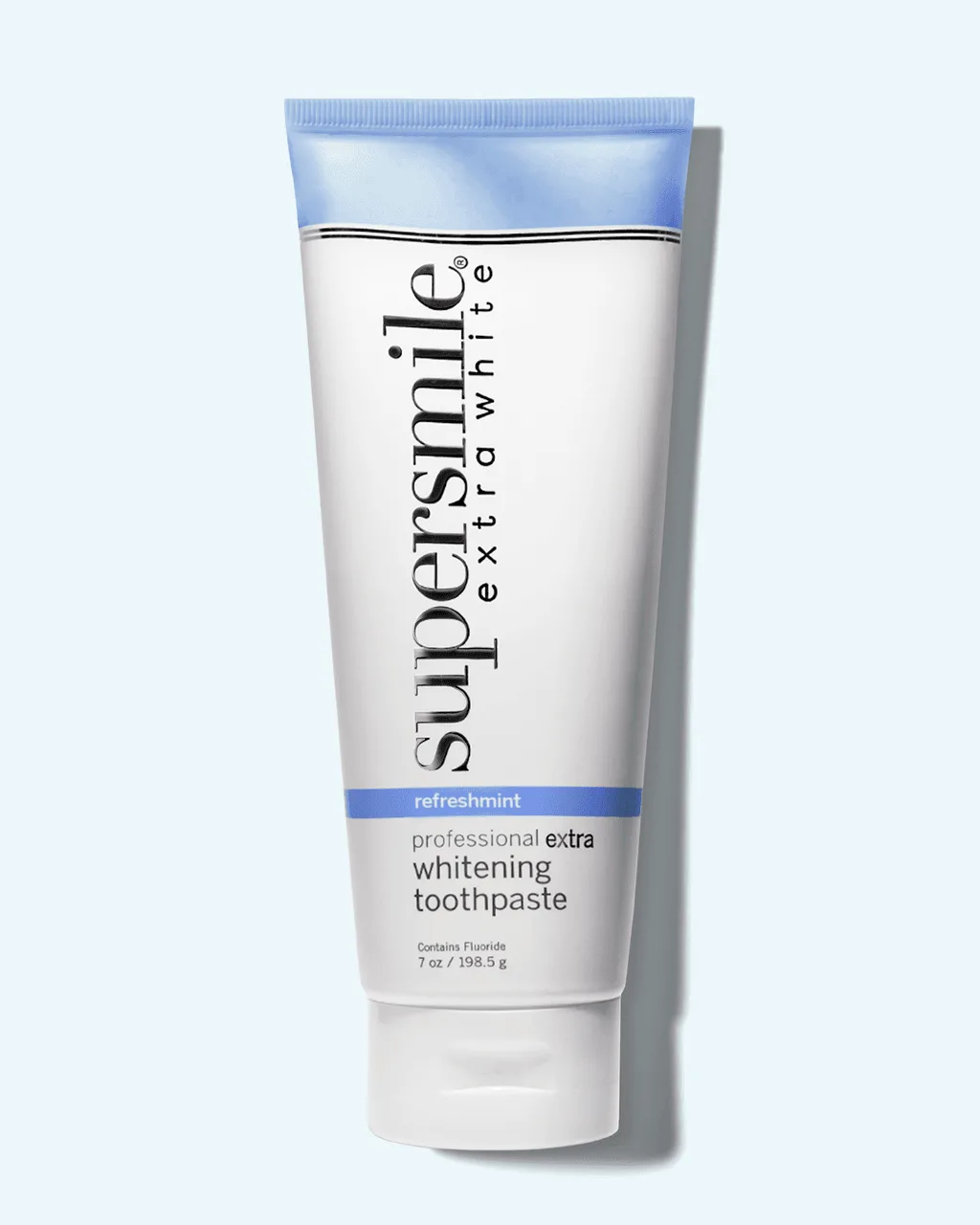
- Original mint whitening toothpaste (1.4oz): Supersmile started the whitening craze 40 years ago and still whitens teeth 6 shades in 5 days (on average)! The secret to this formula is our exclusive Calprox® formula (which gently whitens and cleans without sensitivity) and the meticulous, 72-hour production process (versus just 3 hours for traditional toothpaste) that ensures the quality in every tube that no other toothpaste can give you. If you want a proven whitening toothpaste that's designed to avoid sensitivity, this original formula is a solid pick. Its Calprox technology targets stains without the harsh abrasives that often trigger discomfort.
- whitening toothpaste - wild mint flavor (8oz): Supersmile started the whitening craze 40 years ago and still whitens teeth 6 shades in 5 days (on average)! The secret to this formula is our exclusive Calprox® formula (which gently whitens and cleans without sensitivity) and the meticulous, 72-hour production process (versus just 3 hours for traditional toothpaste) that ensures the quality in every tube that no other toothpaste can give you. This larger tube is a good value if you're committed to daily whitening. The same gentle formula means you can keep up your routine without worrying about sensitivity.
Tooth sensitivity from whitening toothpaste is common, but it doesn't mean you have to give up on a brighter smile. Start by identifying the culprit, give your teeth a break, and then choose a gentle whitening formula like Supersmile's Calprox-based toothpastes. If pain persists, don't ignore it—see your dentist. Your smile should be both bright and comfortable.