Quick answer
Choose reusable TENS and NMES electrodes based on your skin sensitivity, treatment site, and desired longevity. Skin-friendly blue gel pads work best for delicate skin, while cloth-backed tricot electrodes offer flexibility and even current distribution.
Why electrode material matters
The material of an electrode affects adhesion, comfort, and how evenly electrical current is delivered. Hydrogel-based pads provide strong initial stickiness but may irritate sensitive skin after repeated use. Cloth-backed electrodes offer more breathability and conform better to curved body parts like shoulders or knees.
Size and shape considerations
Larger electrodes spread current over a wider area, which can reduce the intensity of stimulation at a single point and may be more comfortable for larger muscle groups. Smaller electrodes allow more precise placement for trigger points or small joints. Most brands offer multiple sizes, so consider the body area you plan to treat before buying.
Reusable vs. single-use
Reusable electrodes are cost-effective and environmentally friendly for ongoing therapy, especially when used with a home TENS or NMES unit. However, they lose adhesion over time and require proper storage on the liner after each use. Single-use electrodes are best for clinics or patients who change sites frequently, but they cost more per session.
Decision rules for choosing electrodes
- Rule 1: Prioritize skin comfort: If you have sensitive or easily irritated skin, choose electrodes with a skin-friendly gel like the AdvanTrode Elite Skin-Friendly Blue Gel. Standard hydrogel can cause redness after repeated use.
- Rule 2: Match electrode size to the treatment area: Use larger electrodes (e.g., 2x4 inches or bigger) for broad muscle groups like the back or quadriceps. Use smaller electrodes (e.g., 1x1 inches) for precise placement on trigger points or small joints. Check the size options available for each electrode model before purchasing.
- Rule 3: Consider cloth-backed for curved or mobile areas: Cloth-backed electrodes, such as the AdvanTrode Elite Tan Tricot, flex with body movement and adhere better to curved surfaces like elbows or shoulders. Standard film-backed pads may lift at the edges.
- Rule 4: Balance cost with longevity: Reusable electrodes like the Uni-Patch R Series offer good value for repeated home use. If you treat multiple body areas in one session, a case of 40 pads (e.g., AdvanTrode Elite) may be more economical per use. Store electrodes on the original liner between uses to extend their life.
Product facts
-
AdvanTrode Elite Skin-Friendly Blue Gel TENS/NMES Electrodes | 40/Case: AdvanTrode Elite Skin-Friendly Blue Gel Electrodes feature a blue hydrogel designed for sensitive or delicate skin. This makes them a strong choice if you experience redness or irritation from standard electrodes during regular TENS or NMES sessions.
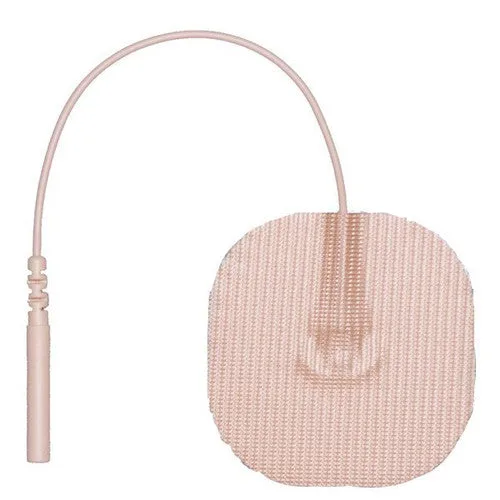
AdvanTrode Elite Skin-Friendly Blue Gel TENS/NMES Electrodes | 40/Case
-
Uni-Patch R Series Electrodes | Reusable TENS/NMES/FES Pads: Uni-Patch R Series Electrodes are reusable self-adhesive pads built for comfort, durability, and reliable adhesion across a wide range of treatment sites. Their reliable adhesion and multiple common clinical sizes make them a practical everyday option for home or clinic use without frequent replacement.
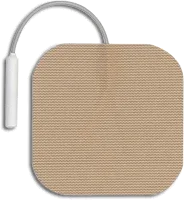
Uni-Patch R Series Electrodes | Reusable TENS/NMES/FES Pads
Which electrode is right for you?
Best for
- Sensitive skin or allergy-prone patients who need a gentle gel
- Home users who want reusable, durable pads for regular TENS or NMES sessions
- Clinicians who need a flexible cloth-backed electrode for varied treatment sites
Not for
- Patients who need single-use electrodes for infection control in a clinical setting (choose disposable pads instead)
- Users who treat very small facial areas where ultra-mini electrodes are required