Quick Answer
Match the tent to how you actually camp: capacity for sleeping and gear, setup style for how often you pitch it, and materials for the weather you expect. If you want fast setup and room for up to three people, look at THE 1Pull Dome Tent. If you prioritize breathable polycotton comfort and a compact footprint, the Wagaya 1Pull Tent is the better fit.
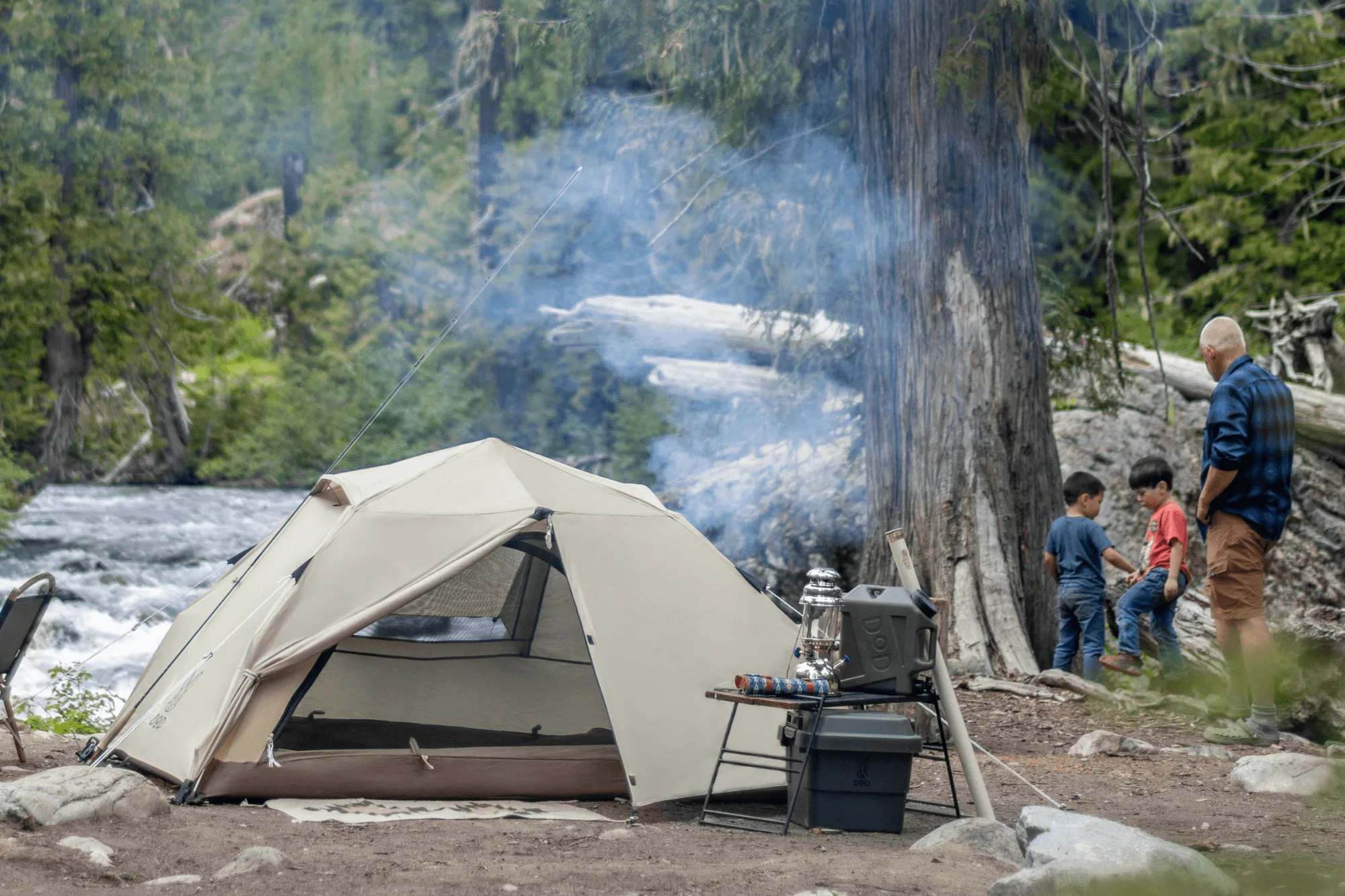
Wagaya 1Pull Tent
Most tent regret comes from buying for the campsite you imagine instead of the one you actually visit. A tent that is too heavy gets left at home, one that is too small turns every trip into a packing puzzle, and one that is hard to pitch makes rainy arrivals miserable. This guide walks through the decisions that matter, in the order they affect your experience.
You will not find a single best camping tent here, because there is no such thing. Instead, you get decision rules for capacity, setup, materials, and weather protection, plus concrete examples from DOD tents so you can see how those rules play out in real products.
Start With Capacity, Not Floor Area
Tent capacity ratings assume you sleep shoulder to shoulder with no gear inside. In practice, subtract one person from the stated number if you want to move comfortably or keep a bag inside. A three-person tent works well for two campers with gear, or for three who only sleep in it.
Look for a front chamber or awning if you carry chairs, coolers, or muddy boots. Extra covered space keeps the sleeping area clean and gives you somewhere to sit when it rains. That living space often matters more than a few extra square feet of floor.
- Count sleepers plus one if you store gear inside.
- Prioritize covered vestibule space over raw floor area.
- Measure your sleeping pads laid side by side before buying.
Setup Style: How You Pitch It Matters
Setup speed is a real feature, not a marketing line. If you camp for one or two nights at a time, a tent that pitches in minutes keeps the trip enjoyable. If you stay for a week, a slightly slower but more spacious design is usually worth it.
One-pull mechanisms and simple symmetrical shapes reduce the number of steps and the chance of error in wind or rain. More complex pole structures can offer better headroom or stability, but they demand more practice. Decide honestly how much fiddling you will tolerate at the end of a long drive.
- Practice pitching at home before your first trip.
- Fewer steps means less frustration in bad weather.
- Solo campers benefit most from fast-pitch designs.
Materials and Weather Protection
Fabric choice drives breathability, condensation, and warmth. Polycotton inner tents manage humidity well and retain heat in cold conditions, while mesh panels allow airflow in warm weather. Synthetic fabrics are lighter and pack smaller but can feel clammy in humid climates.
Weather protection comes from the fly, the shape, and the skirt. A skirted outer shell blocks drafts and splash, and a full-coverage fly sheds rain away from the inner tent. Check how the tent handles wind before you commit to an exposed campsite.
- Polycotton for humid or cold trips; synthetics for light packing.
- A skirted shell helps in wind and cold.
- Mesh panels are your ventilation control.
Floorless and Inner-Tent Options
Some tents can be pitched with or without an inner tent, giving you a floorless shelter for gear, cooking, or a group hangout. That flexibility is useful if you want one shelter to serve several roles across the season.
Floorless mode trades bug protection and a clean floor for space and versatility. If you camp in insect-heavy areas, keep the inner tent in place. If you need a shaded basecamp, floorless can be the smarter choice.
- Floorless mode suits gear storage and shade.
- Keep the inner tent for bug-heavy campsites.
- One shelter can cover several trip types.
Decision Rules for Choosing a Camping Tent
- Rule 1: Capacity minus one: Take the stated capacity and subtract one if you keep gear inside. A 3-person tent is a comfortable 2-person tent with bags and a cooler. If you need room to move, size up rather than squeezing in.
- Rule 2: Setup frequency beats setup speed: The more nights you camp per trip, the more a spacious, slower-pitch tent pays off. For one-nighters, prioritize a fast, simple pitch. Match setup style to your typical trip length, not your dream trip.
- Rule 3: Fabric follows climate: Choose polycotton for humid or cold conditions where condensation and warmth matter. Choose lighter synthetics when pack size and weight are the priority. There is no universal best fabric, only the right one for your climate.
- Rule 4: Weather protection is shape plus skirt: A skirted outer shell and a full-coverage fly do more for storm performance than a thick fabric alone. Check the fly coverage and skirt before you buy for exposed sites.
How DOD Tents Apply These Rules
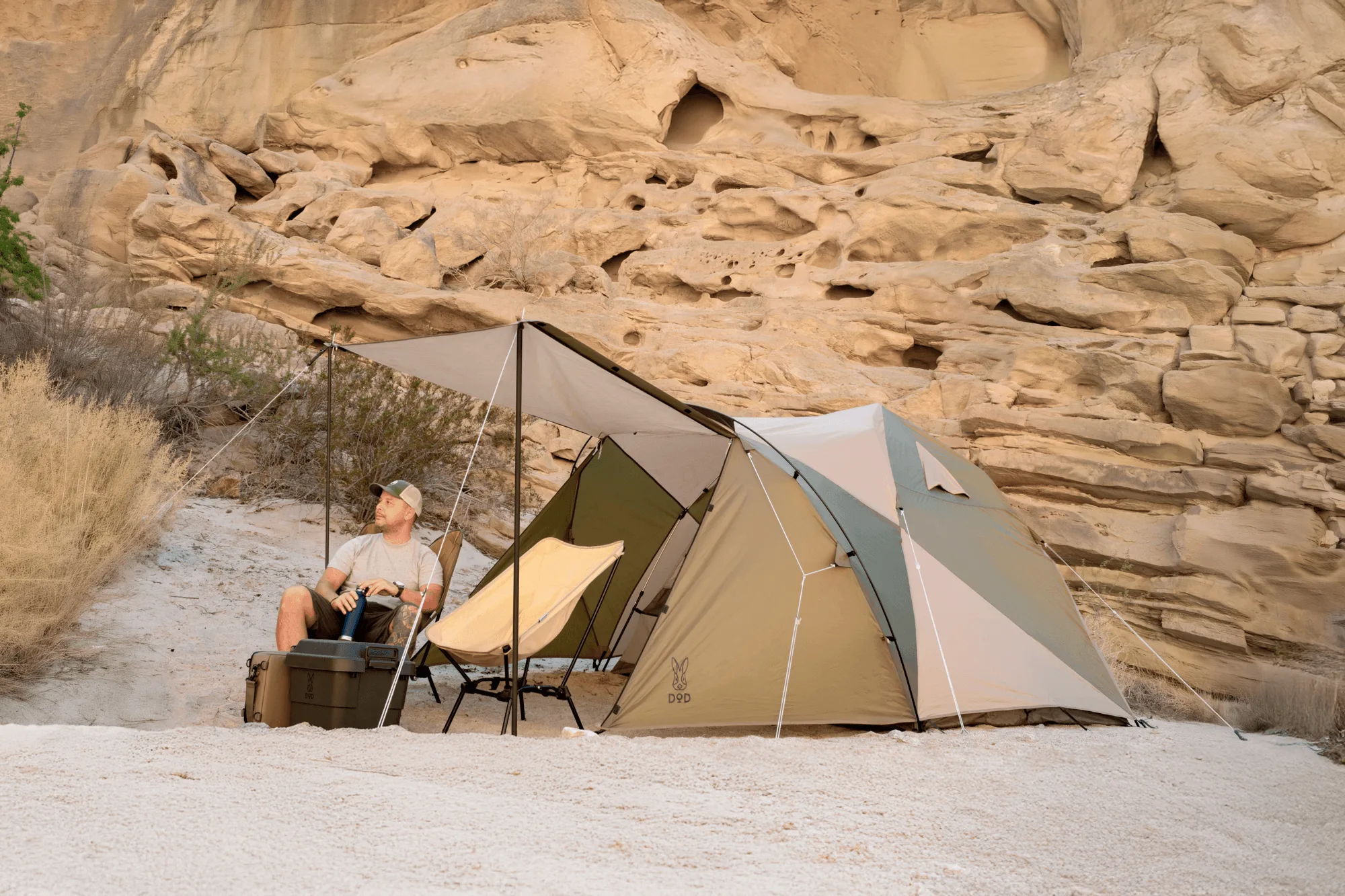
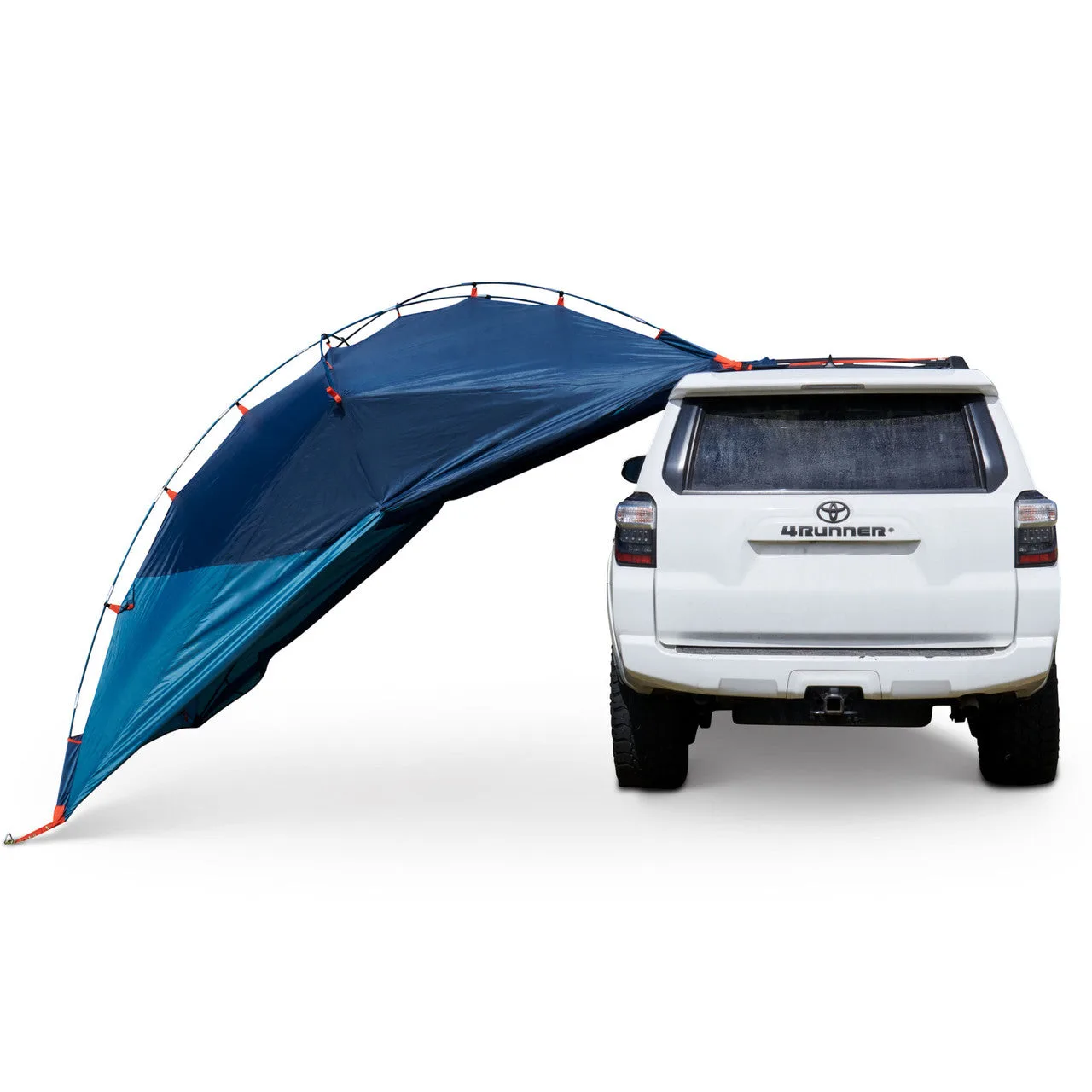
- THE 1Pull Dome Tent: The 1Pull mechanism allows for hassle-free assembly, and the tent accommodates up to 3 people with a front chamber and a large footprint awning. Fast pitching plus a covered front area makes it a strong choice for short trips where setup speed and living space both matter.
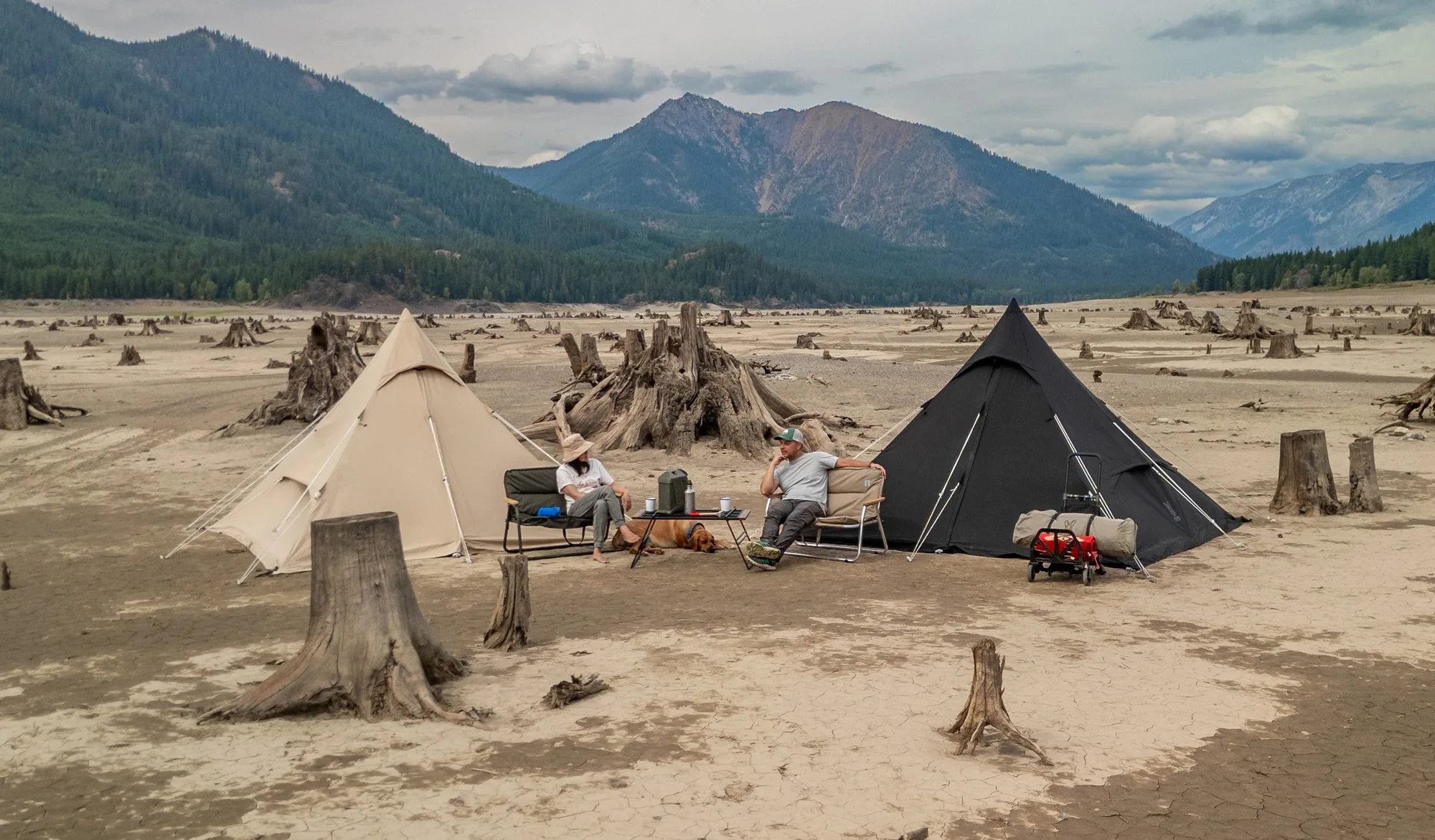
- Wagaya 1Pull Tent: It features a polycotton inner tent that manages humidity and condensation, retains heat in cold conditions, and includes mesh panels for warm weather, with a 35 sq ft inner space plus a 15 sq ft enclosed awning. The polycotton construction and enclosed awning suit campers who want breathable comfort and a compact, weather-ready footprint.
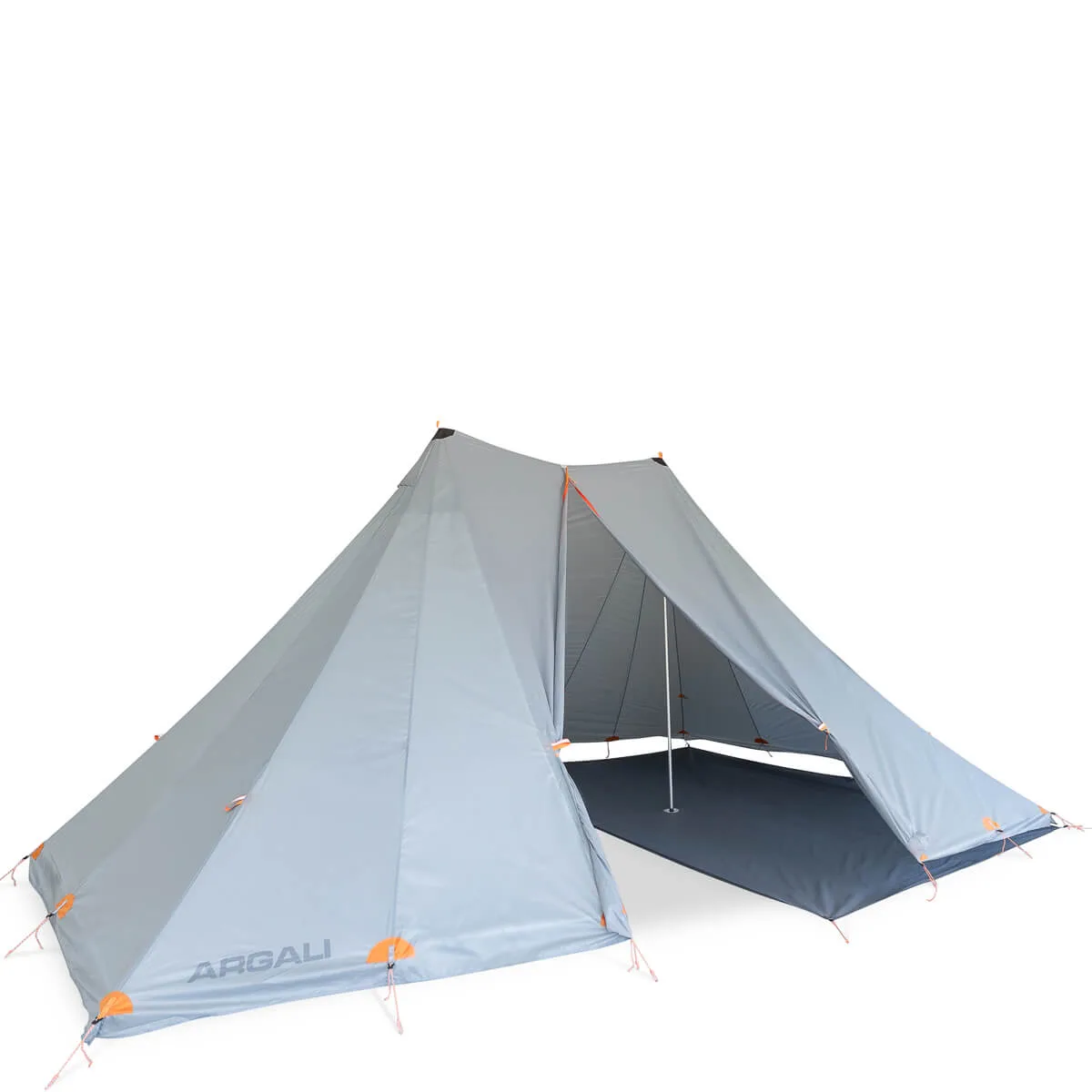
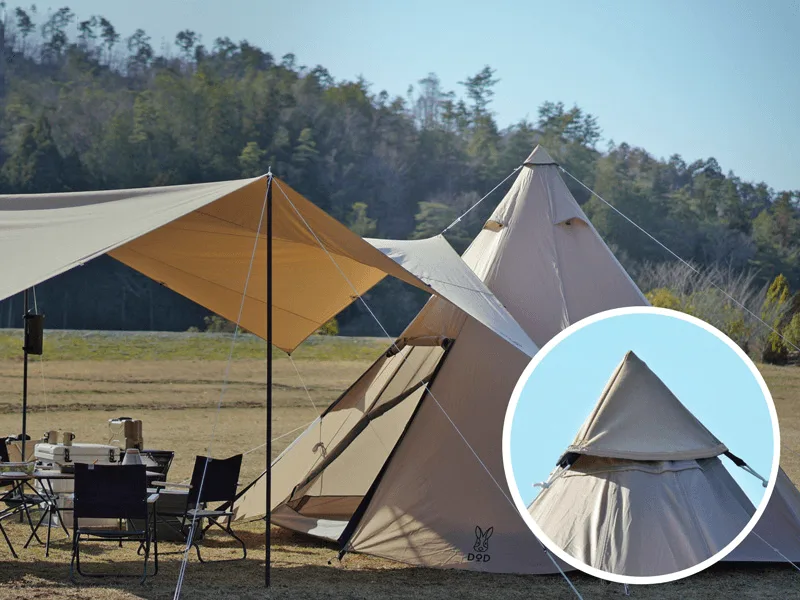
- RX Pyramid Tent (M): Its pyramid-shaped, symmetrical design simplifies setup, it is extra tall for comfort with wide entrances and a skirted outer shell, and it can be set up with the included inner tent or without it for a floorless space. The tall, simple shape and floorless option make it versatile for campers who want one shelter for multiple uses.
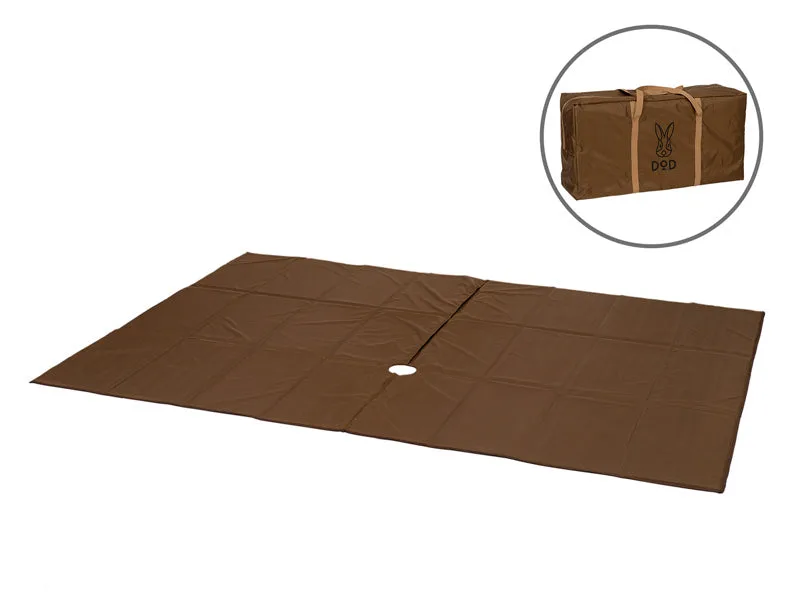
- RX Pyramid Tent Mat (M): Designed specifically for the RX Pyramid Tent, it has a 0.24-inch (6mm) thick layer of cushioning material that absorbs ground unevenness and insulates against ground cold. A fitted mat adds comfort and warmth without compromising the tent's interior space, which matters on cold or uneven ground.
Who Each Tent Suits
Best for
- Campers who want fast setup and room for up to three people with a covered front area
- Short trips where living space and quick pitching matter more than packed size
- Buyers who want a breathable polycotton inner tent and a compact enclosed awning
- Campers who want one versatile shelter that can be pitched with or without an inner tent
Not for
- Backpackers counting every ounce, who should look at lighter synthetic shelters
- Campers who need a tent for more than three sleepers
- Buyers who want a fully floorless design with no inner tent at all
Choose the tent that matches your real trips: capacity for how you sleep and store gear, setup style for how often you pitch, and materials for your climate. Use the decision rules above, then compare the DOD options that fit your answers. If you want fast setup and space for up to three, start with THE 1Pull Dome Tent; if breathable polycotton comfort matters more, look at the Wagaya 1Pull Tent.