Quick answer
Choose polyester for dependable waterproofing and low stretch, nylon for the best strength-to-weight ratio, and cotton blends for breathability and condensation control in varied climates. Most campers should match the fabric to their climate and setup style rather than chasing a single best material. For example, the Wagaya 1Pull Tent uses a polycotton inner to manage humidity, while the RX Pyramid Tent prioritizes simple, lightweight shelter.
Polyester vs nylon tent fabric: what actually differs
Polyester resists UV degradation better and stretches less when wet, so it holds a taut pitch and rarely sags overnight. Nylon is stronger for its weight and packs smaller, but it stretches more when wet and needs a durable water repellent finish to shed rain well. Both are synthetic and neither breathes like cotton, so condensation is managed through vents and mesh panels rather than the fabric itself.
- Polyester: stable in sun and rain, slightly heavier, minimal sag.
- Nylon: lighter and stronger, more stretch, needs a good DWR.
- Both: rely on ventilation, not fabric, to reduce condensation.
Cotton blend tent fabric: breathability and condensation control
Cotton blends, including polycotton, trade some water resistance and weight for breathability. They moderate temperature, wick humidity away from sleepers, and reduce the clammy feeling common in all-synthetic tents. The trade-off is that they are heavier, dry slower, and need to be fully dried before storage to avoid mildew. They suit campers who prioritize comfort in humid or variable conditions over ultralight packing.
Tent material durability and waterproofing: how to judge a spec sheet
Durability comes from fabric type, denier, coating, and seam construction, not from a single number. A higher hydrostatic head means more water resistance, but a tent with taped seams and a skirted shell can outperform a higher-rated fabric with poor seams. UV exposure, abrasion, and repeated folding are the real long-term threats. Store tents dry, avoid pitching on abrasive ground, and reapply DWR when water stops beading.
Matching fabric to your camping style
If you camp in wet, windy, or exposed sites, prioritize polyester or nylon with a high hydrostatic head and taped seams. If you camp in humid forests or shoulder seasons where condensation is the main annoyance, a cotton blend inner can make sleep noticeably drier. If you need to carry the tent far, nylon's weight advantage matters more than breathability. For group basecamps, a larger synthetic shelter with modular inner rooms gives the best balance of space and weather protection.
Fabric trade-offs at a glance
- Polyester: Better UV resistance and less wet stretch than nylon, so it stays taut in rain and sun. Slightly heavier and less breathable than cotton blends. Best default for three-season camping where rain and sun exposure are the main concerns.
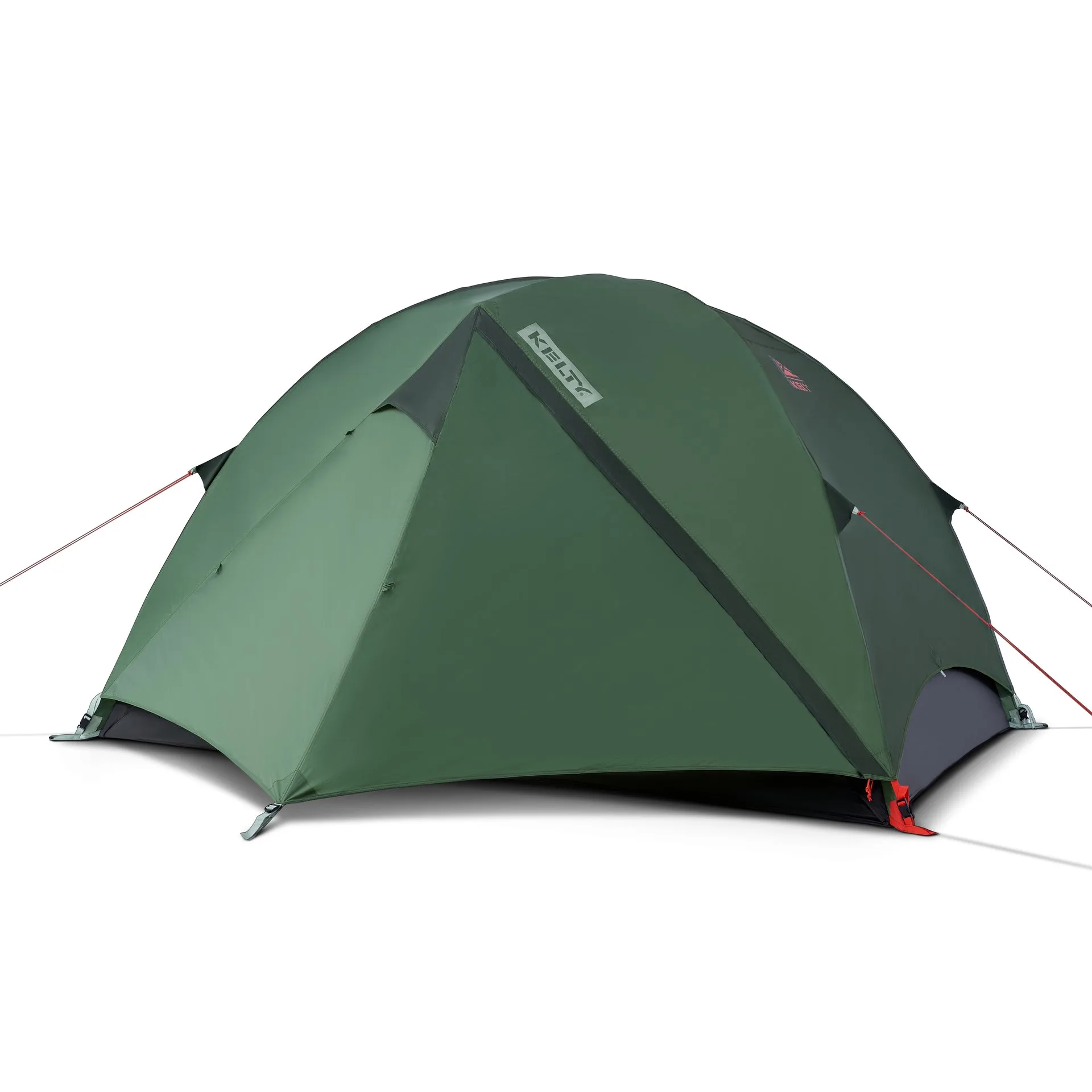
- Nylon: Strongest for its weight and packs smallest, but stretches when wet and depends on a DWR finish for rain performance. Less UV-stable than polyester over many seasons. Choose nylon when pack weight and packed size matter most, such as backpacking or bikepacking.
- Cotton blend (polycotton): Breathes well, moderates temperature, and reduces condensation, but is heavier, dries slower, and needs thorough drying before storage to prevent mildew. Pick cotton blends for humid climates and comfort-focused basecamps, not for long carries.
How these DOD Outdoors tents put fabric choices to work
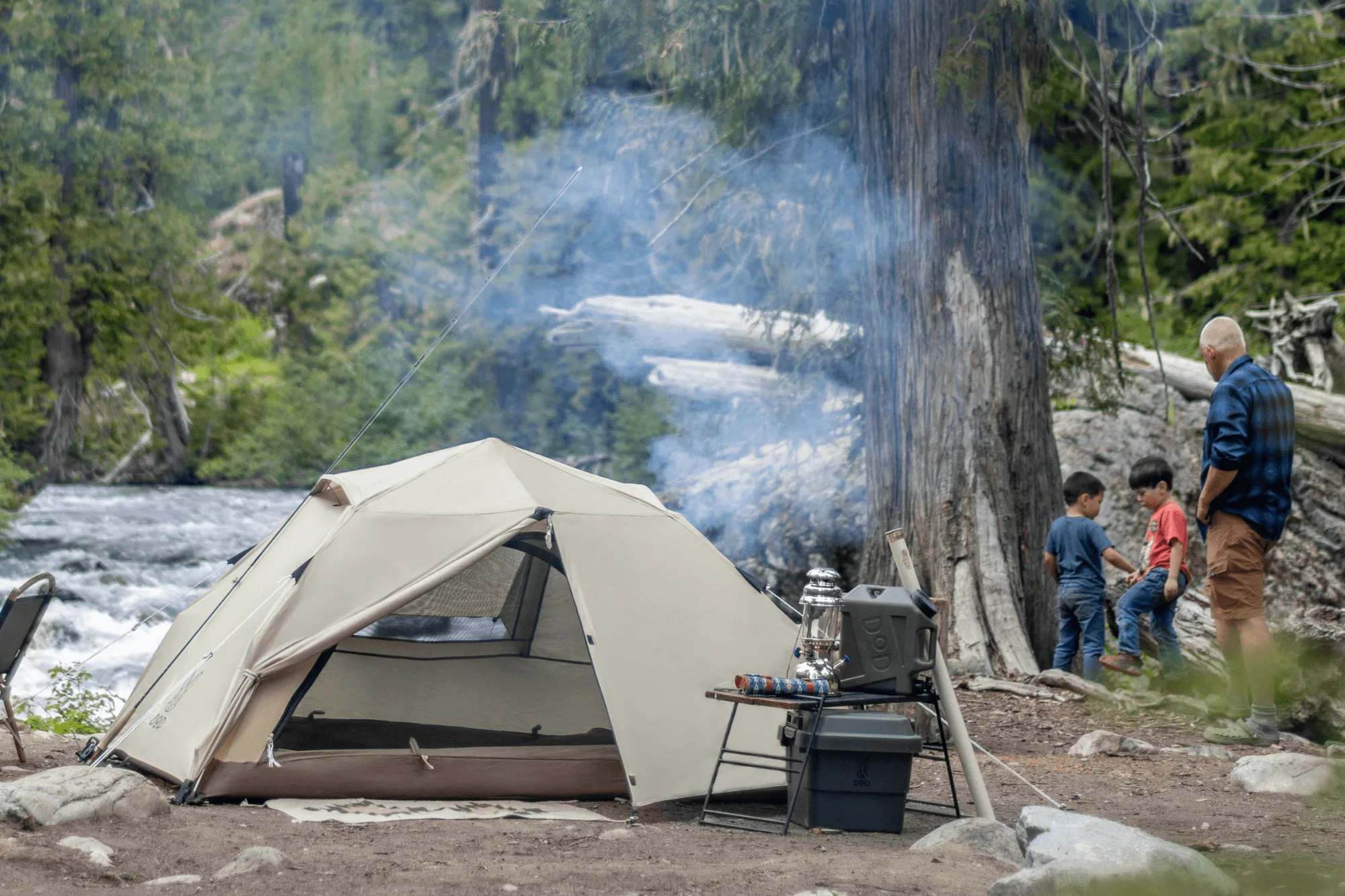
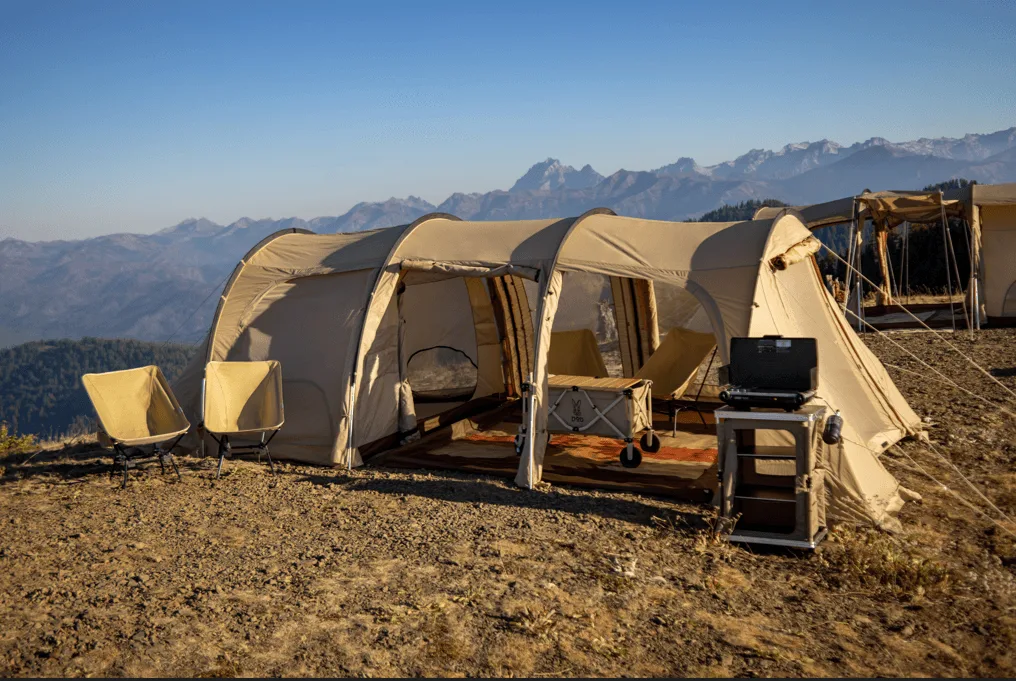
- Wagaya 1Pull Tent: Polycotton inner tent that maintains a comfortable atmosphere, warding off humidity and condensation, retains heat in cold conditions, and with mesh panels ensures a cool breeze in warm weather. This is the clearest example of cotton blend breathability in the DOD range, making it a strong pick for humid or variable climates where condensation control matters more than minimum weight.
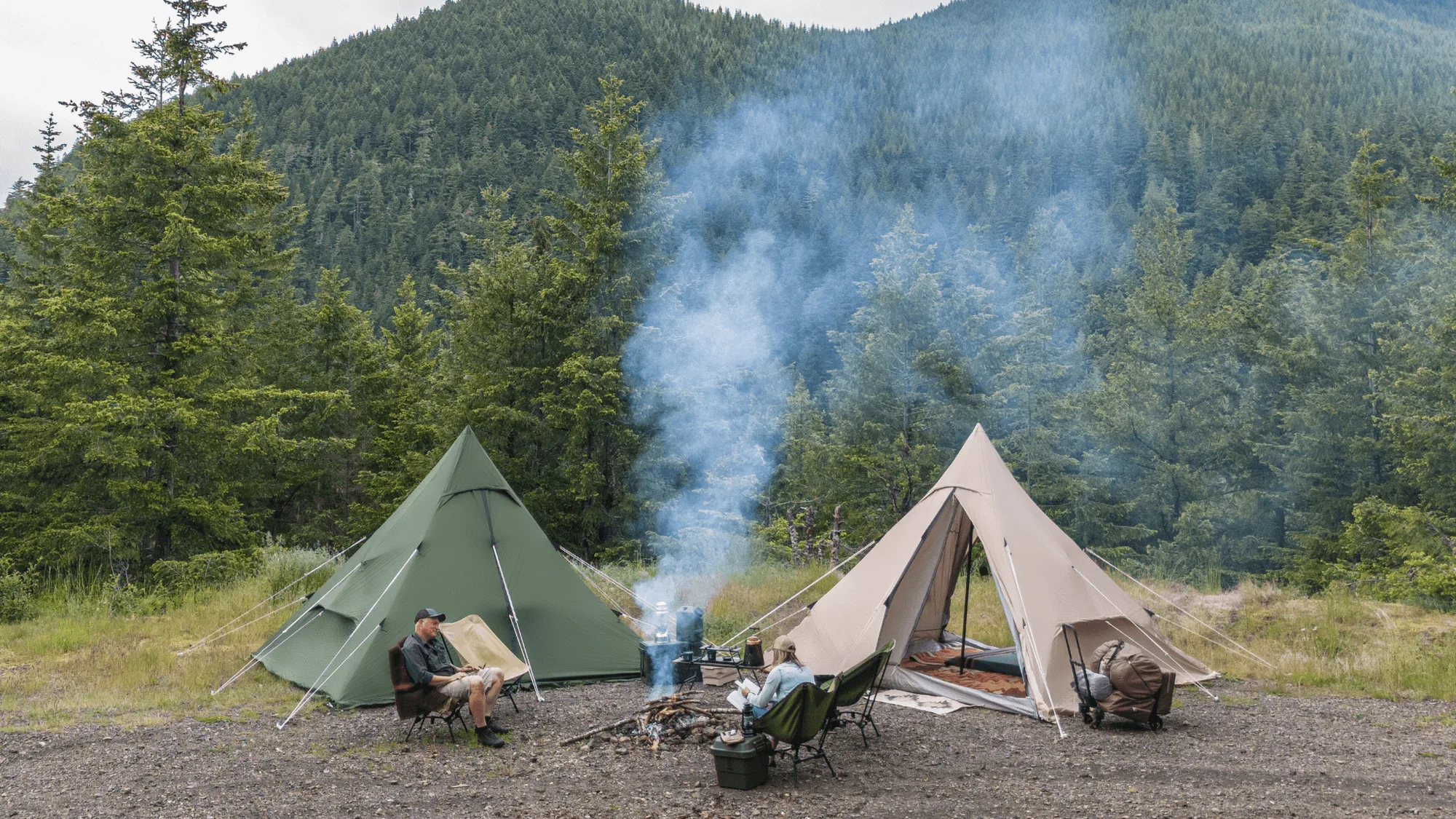
- RX Pyramid Tent (L): Pyramid-shaped, symmetrical design that simplifies setup, is extra tall with wide entrances and a skirted outer shell, and can be set up with the included inner tent or without it for a floorless space. The simple shape and skirted shell reduce the number of seams and exposed edges, which is exactly where waterproofing tends to fail, so it suits campers who want straightforward weather protection.
- Kamaboko Super Tent (M): Spacious shelter designed for groups of up to five, crafted with the quality expected from a Japanese camping brand since 1997, available in Tan and Black, with a medium size balancing portability and interior space. For group camping, a larger synthetic shelter gives you the interior volume and weather resistance that a small cotton blend tent cannot match, while still packing down for car camping.
Which tent fabric fits your trip?
Best for
- Campers in humid or variable climates who want less condensation and more comfort, such as the Wagaya 1Pull Tent with its polycotton inner.
- Group campers who need space and simple weather protection, such as the Kamaboko Super Tent (M) for up to five people.
- Campers who want a fast, symmetrical pitch with a skirted shell and optional floorless setup, such as the RX Pyramid Tent (L).
Not for
- Ultralight backpackers who need the smallest packed size and lowest weight, where nylon is usually the better choice.
- Campers who regularly pack up wet and cannot dry the tent fully before storage, since cotton blends are prone to mildew.
- Anyone expecting a single fabric to excel at everything; every material here involves a trade-off.