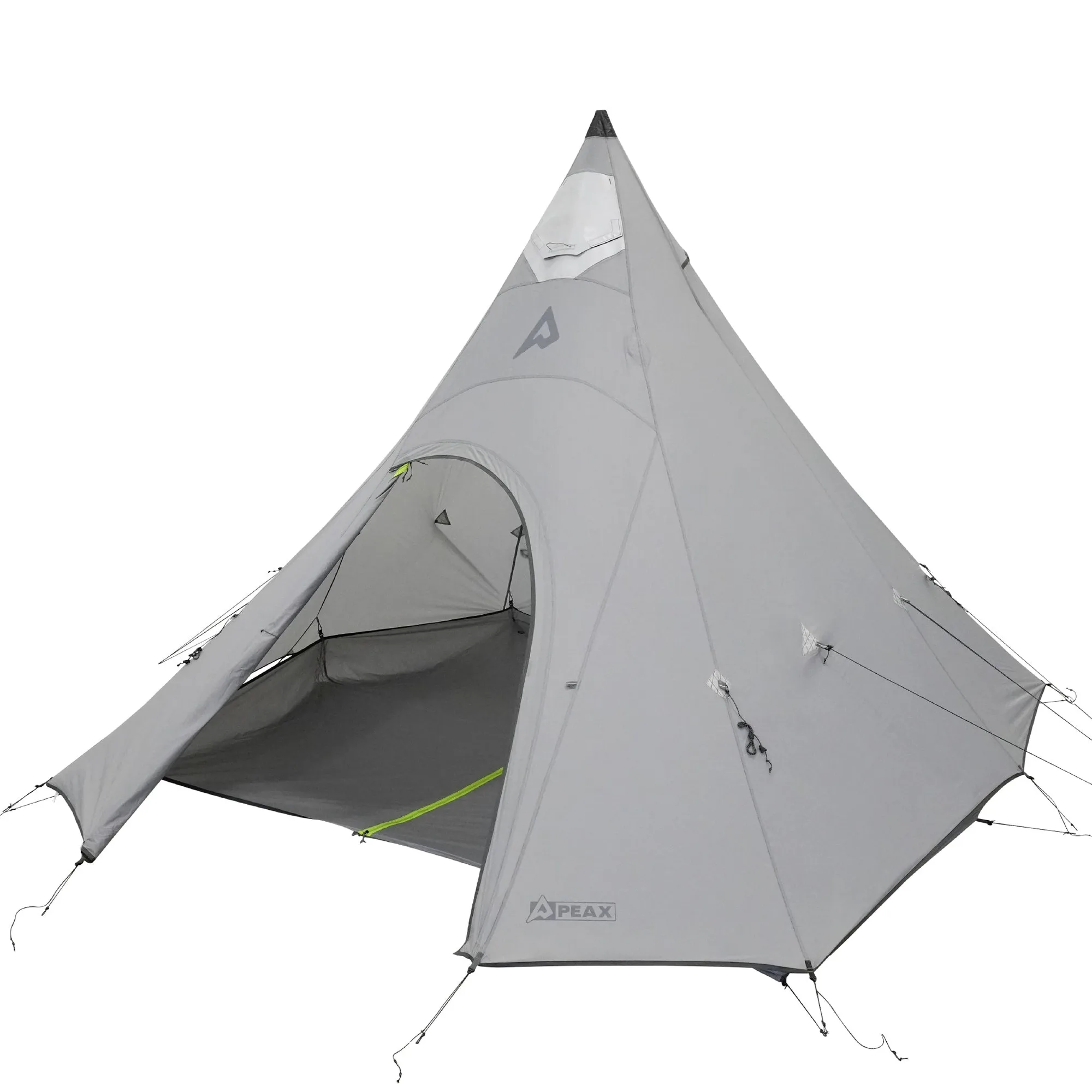
Quick answer
If you want reliable floor protection with minimal fuss, choose a tent ground sheet cut to your tent's footprint. If you already carry a tarp for multiple camp jobs and don't mind folding it to size, a tarp under tent works for basic protection. For a snug, durable fit, the Home Base Tent Ground Sheet is the simpler long-term pick for most campers.
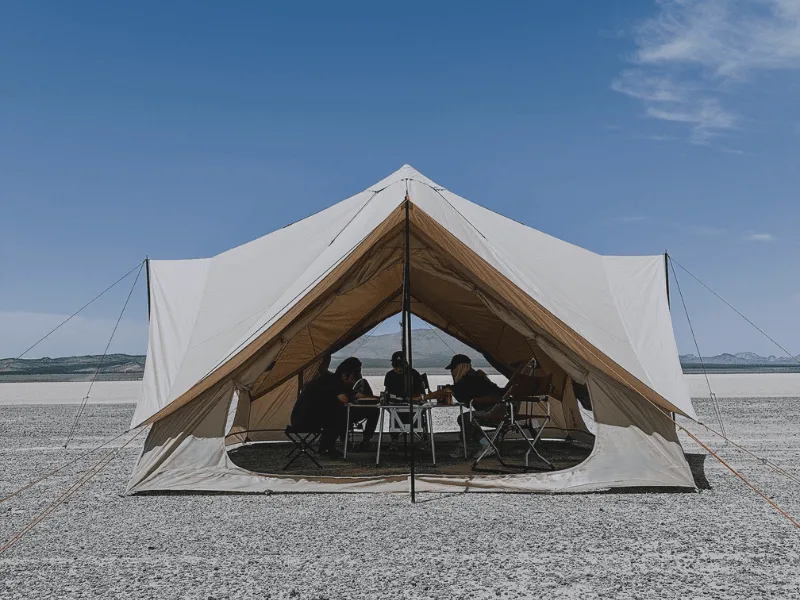
Home Base Tent
What each option actually does
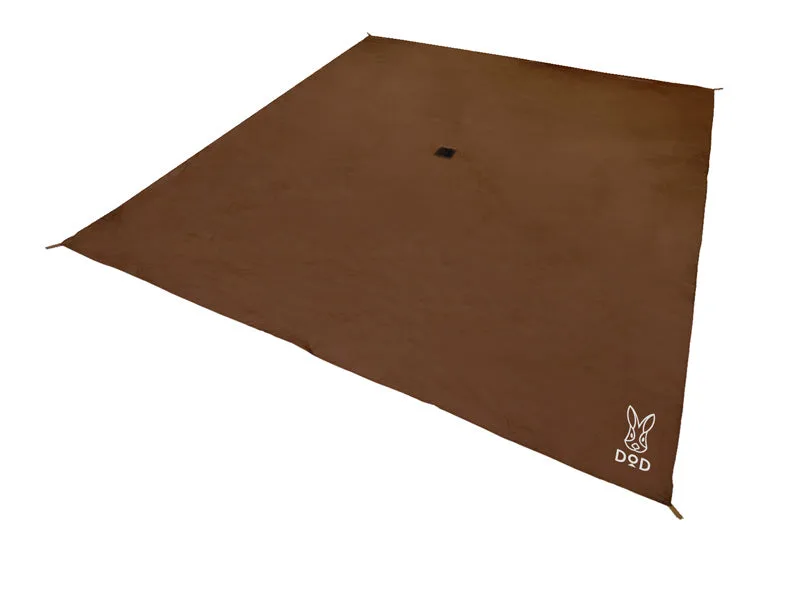
A tent ground sheet is a dedicated layer sized to your tent floor. It blocks dirt and moisture from below and takes the abrasion that would otherwise wear the tent's own floor. Because it's cut for the tent, it stays put and doesn't need constant adjusting. The Home Base Tent Ground Sheet, for example, is made from 300D Oxford polyester and includes a carry bag, so it packs and stores as one item.
A tarp is a general-purpose sheet you fold or cut to fit. It can go under a tent, but it also works as a rain fly, shade, or gear cover. The trade-off is fit: a tarp rarely matches your tent's footprint exactly, so you'll fold edges under or accept overhang. Overhang can catch rain and channel water under the tent if it's not tucked in.
Protection and durability compared
Ground sheets are built for the job. The 300D Oxford polyester on the Home Base Tent Ground Sheet is a dense, durable weave meant to sit between your tent floor and rough ground. That matters on gravel, roots, and abrasive dirt where a thin tarp can puncture or wear through.
Tarps vary widely. A lightweight tarp may protect against mud and damp but not sharp rocks. A heavier tarp can be tough, but if it's much larger than your tent, water can pool on the exposed edges and seep underneath. For pure tent floor protection, a fitted ground sheet reduces that risk because there's less excess material to manage.
Setup, packing, and weight
A fitted ground sheet is faster to deploy: unfold, lay it down, pitch the tent. It also packs into its own bag, so it doesn't tangle with other gear. The Home Base Tent Ground Sheet comes with a carry bag and packs to a compact size, which helps when you're loading a vehicle or cart.
A tarp is often bulkier and needs folding to match your tent. If you already bring a tarp for other uses, doubling it as a ground sheet saves you carrying a second item. If you don't, a tarp adds a separate piece of gear that may not fit your tent well. Neither option is heavy in absolute terms, but a fitted sheet is usually the more streamlined choice.
Matching the sheet to your tent
Fit matters more than material for most campers. Measure your tent's floor dimensions before buying. The Home Base Tent Ground Sheet measures 156 in x 156 in (395 cm x 395 cm), so it suits a large square-footprint tent. If your tent is smaller or a different shape, a tarp you can fold may be the more practical option.
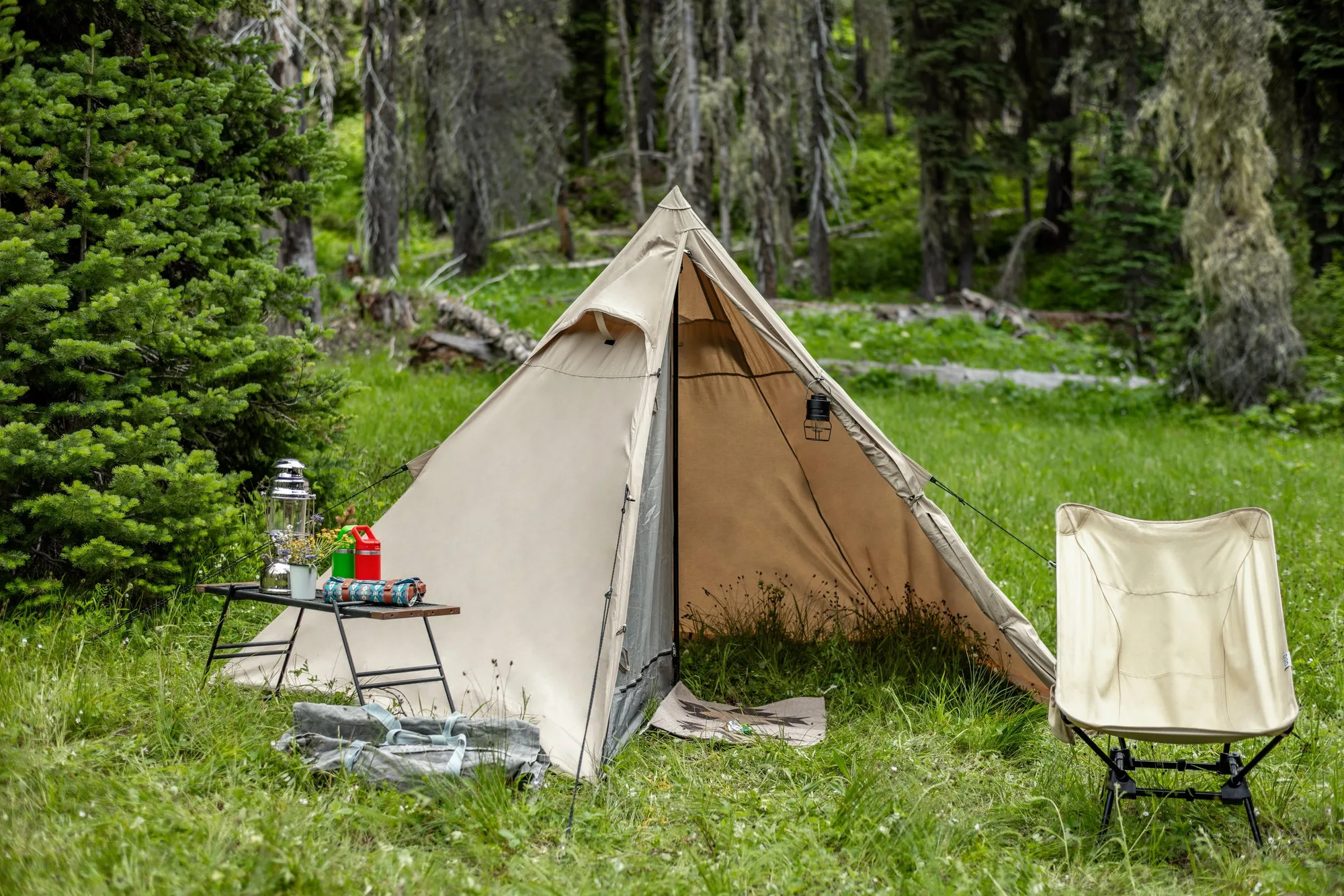
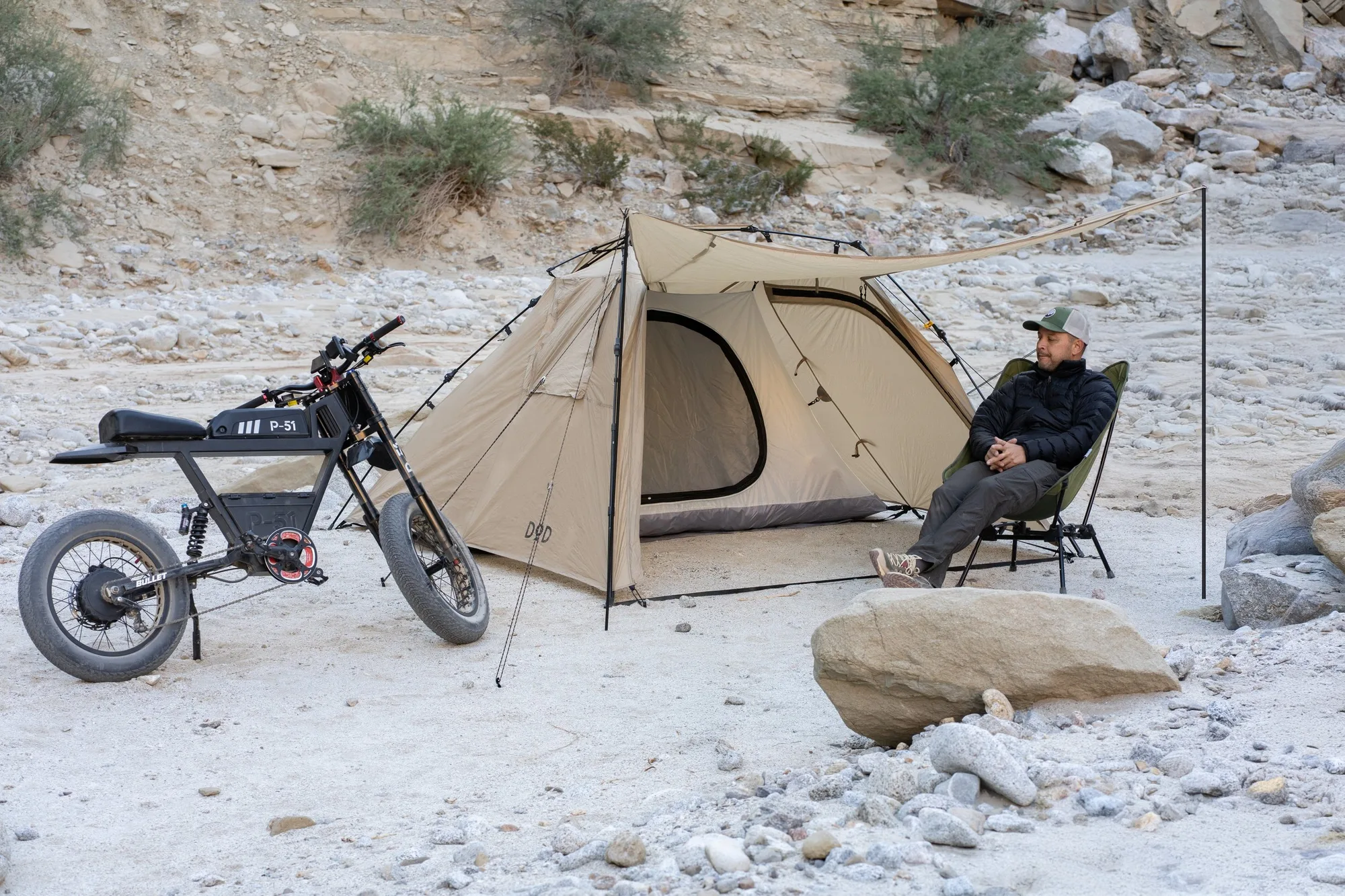
For smaller tents, a full-size ground sheet can be overkill. The Musha 1Pole Tent is a two-room, one-pole shelter for solo campers with a separate sleeping chamber and vestibule. A smaller ground sheet or a trimmed tarp under the sleeping area is usually enough. The Moto 1Pull Tent is a small-footprint two-room tent with DOD's 1Pull system for quick setup and takedown; its smaller footprint means a tarp can be folded to fit without much excess.
Trade-offs at a glance
- Fit and coverage: A ground sheet is cut to your tent's footprint, so it stays put and covers the floor evenly. A tarp is generic and often larger, so you fold or tuck the excess. Choose a ground sheet for a clean, exact fit; choose a tarp if you don't mind adjusting.
- Durability: Purpose-built ground sheets like the 300D Oxford polyester Home Base Tent Ground Sheet resist abrasion and moisture. Tarps vary; lightweight ones may not survive rough ground. For rocky or abrasive sites, a durable ground sheet is the safer bet.
- Versatility vs simplicity: A tarp doubles as a rain fly, shade, or gear cover, but adds a separate item to pack. A ground sheet does one job and packs into its own bag. If you already carry a tarp, use it; otherwise a fitted sheet is simpler.
Products that pair with this decision
- Home Base Tent Ground Sheet: Made from durable 300D Oxford polyester and includes a carry bag for transport and storage; measures 156 in x 156 in (395 cm x 395 cm). A fitted, durable sheet for large square-footprint tents, with no folding or trimming needed.
- Musha 1Pole Tent: Two-room, one-pole tent for solo campers with a separate sleeping chamber and vestibule; canopy door works as a vertical awning. Its compact size means a smaller ground sheet or folded tarp is enough, so you don't need a full-size footprint.
- Moto 1Pull Tent: Small-footprint two-room tent with DOD's 1Pull system for quick setup and takedown; inner chamber is mesh-enclosed for sleeping. A tarp can be folded to fit this smaller footprint without much excess, making it a flexible option.
Which should you choose?
Best for a ground sheet
- Campers with a large square-footprint tent who want exact coverage
- Those who camp on gravel, roots, or abrasive ground and need durable floor protection
- Anyone who prefers a single-purpose item that packs into its own bag
Not for
- Campers who already carry a tarp for multiple uses and want to avoid extra gear
- Small or irregular tent footprints where a full-size sheet would be overkill
- Budget-focused buyers who don't mind folding a tarp to fit