Quick answer
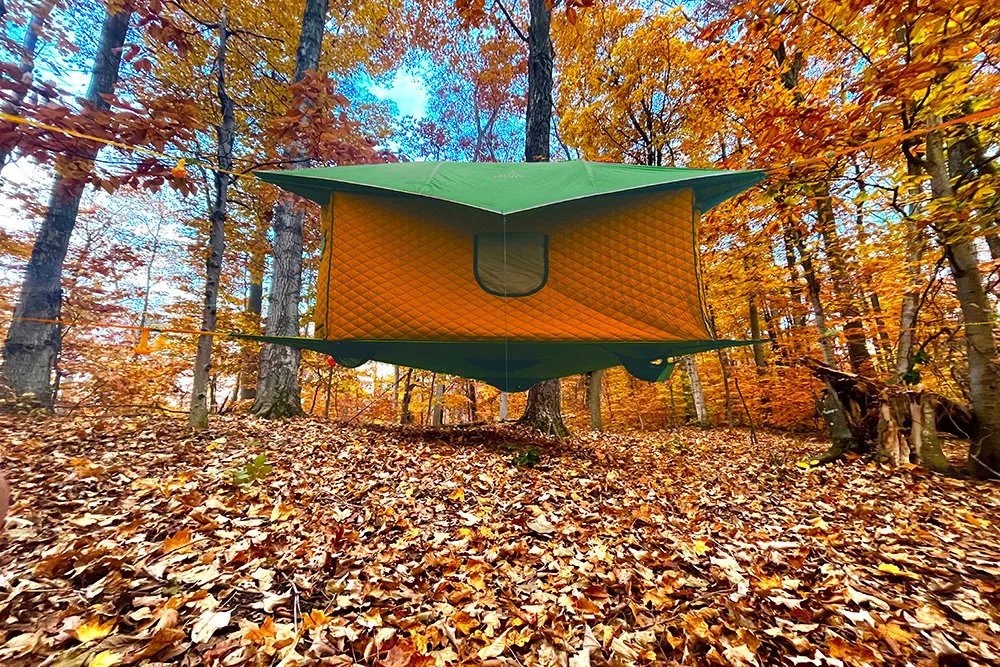
For most cold weather camping, add a fitted tent insulation kit to your rooftop tent before you buy anything else. It directly cuts condensation and heat loss on the surfaces you sleep against, which is where warmth is actually lost. Pair it with a winter-rated sleeping bag and a dry, organized gear setup, and you can extend your camping season well into shoulder seasons and mild winter nights.
Cold weather camping is rarely about one big purchase. It is a stack of small decisions: what touches your body, what traps your heat, and what keeps moisture from turning into frost inside the tent. Get the order right and a three-season rooftop tent becomes usable far later in the year.
This tent insulation guide walks through how rooftop tent insulation actually works, what a tent insulation kit includes, and the cold weather camping tips that matter most once the temperature drops. It also covers how to stay warm in a tent without overbuying gear you will not use.
How tent insulation actually works
Tent insulation works by adding a layer between you and the cold outer shell of the tent. That layer slows heat loss and, just as importantly, reduces condensation forming on the inside walls. Condensation is the real enemy in cold weather camping: a wet sleeping bag loses most of its insulating value, and a damp tent interior feels far colder than the thermometer suggests.
Insulation does not generate heat. It only slows heat escaping and reduces the cold surfaces your body radiates toward. That is why insulation is a multiplier, not a replacement, for a properly rated sleeping bag and a dry base layer. If your bag is inadequate, no tent insulation kit will fix the night.
- Insulation reduces condensation and radiant heat loss; it does not create warmth.
- Fix moisture first: a dry tent and dry bag beat any add-on layer.
When rooftop tent insulation is worth it
Rooftop tent insulation earns its place when you consistently camp below roughly freezing at night, when you camp in humid or coastal cold, or when you sleep in the tent for multiple nights and cannot fully dry it out between trips. In those conditions, the inside walls of an uninsulated hardshell tent will collect condensation and chill the space around you.
If you only camp in mild shoulder seasons, or you always have a dry, warm place to retreat to, insulation is a nice-to-have rather than a need. Be honest about your real trips, not the trips you plan to take someday.
- Worth it: repeated sub-freezing nights, humid cold, multi-night trips.
- Skip it: occasional mild-weather camping where condensation is not an issue.
What to look for in a tent insulation kit
A good kit is cut to your specific tent model, not a universal blanket. Fit matters more than thickness, because gaps let cold air pool and condensation form in the very spots the insulation was meant to protect. Look for panels that attach securely to the tent interior and can be removed for warm-weather trips.
Material choice is a trade-off. Breathable layers manage moisture better but insulate less; more reflective or closed layers insulate more but can trap moisture if the tent is not ventilated. There is no single best answer, only the one that matches your climate and how well you ventilate.
- Model-specific fit beats generic size.
- Plan for removal in summer so you are not fighting trapped heat.
Building a winter camping tent setup
Insulation is one layer of a system. Start with a sleeping pad rated for the temperatures you expect, because ground or platform conduction pulls heat out of you faster than air does. Add a sleeping bag rated below your expected low, then insulate the tent itself to cut condensation and radiant loss.
Ventilation is the step most people skip. Crack a vent or window slightly even when it is cold, so moist air from your breath escapes instead of freezing on the walls. Keep gear organized and off the floor so nothing sits in damp corners overnight.
- Pad first, bag second, tent insulation third.
- Ventilate slightly even in freezing temperatures to move moisture out.
Cold weather camping tips that pay off immediately
Change into dry base layers before bed, even if you feel warm. Moisture from the day's activity will chill you within an hour of stopping. Eat a snack before sleep so your body has fuel to generate heat overnight, and keep your water bottle and electronics inside the bag or a soft bag near you so they do not freeze.
Store small, frequently used items where you can reach them without unzipping the whole tent and letting cold air flood in. Organization is not just convenience in winter; it is warmth. The less time you spend rummaging in the cold, the better the night goes.
- Dry layers before bed, snack before sleep, keep water from freezing.
- Keep essentials reachable so you open the tent as little as possible.
Decision rules for buying tent insulation
- If you camp below freezing more than a few nights a year: Buy a model-specific tent insulation kit before upgrading anything else. Condensation control is the highest-value change you can make. Insulation first, then sleeping bag upgrades.
- If your tent is a hardshell rooftop model: Choose insulation cut for that exact tent rather than a universal panel. Gaps are where cold air and moisture collect. Fit beats thickness.
- If you camp in humid or coastal cold: Prioritize breathable insulation and commit to ventilating the tent slightly every night, even when it feels counterintuitive. Manage moisture or insulation will underperform.
- If you only camp in mild shoulder seasons: Skip the insulation kit and put the money into a better sleeping pad and bag instead. Do not buy insulation you will not use.
Products that support a cold weather tent setup
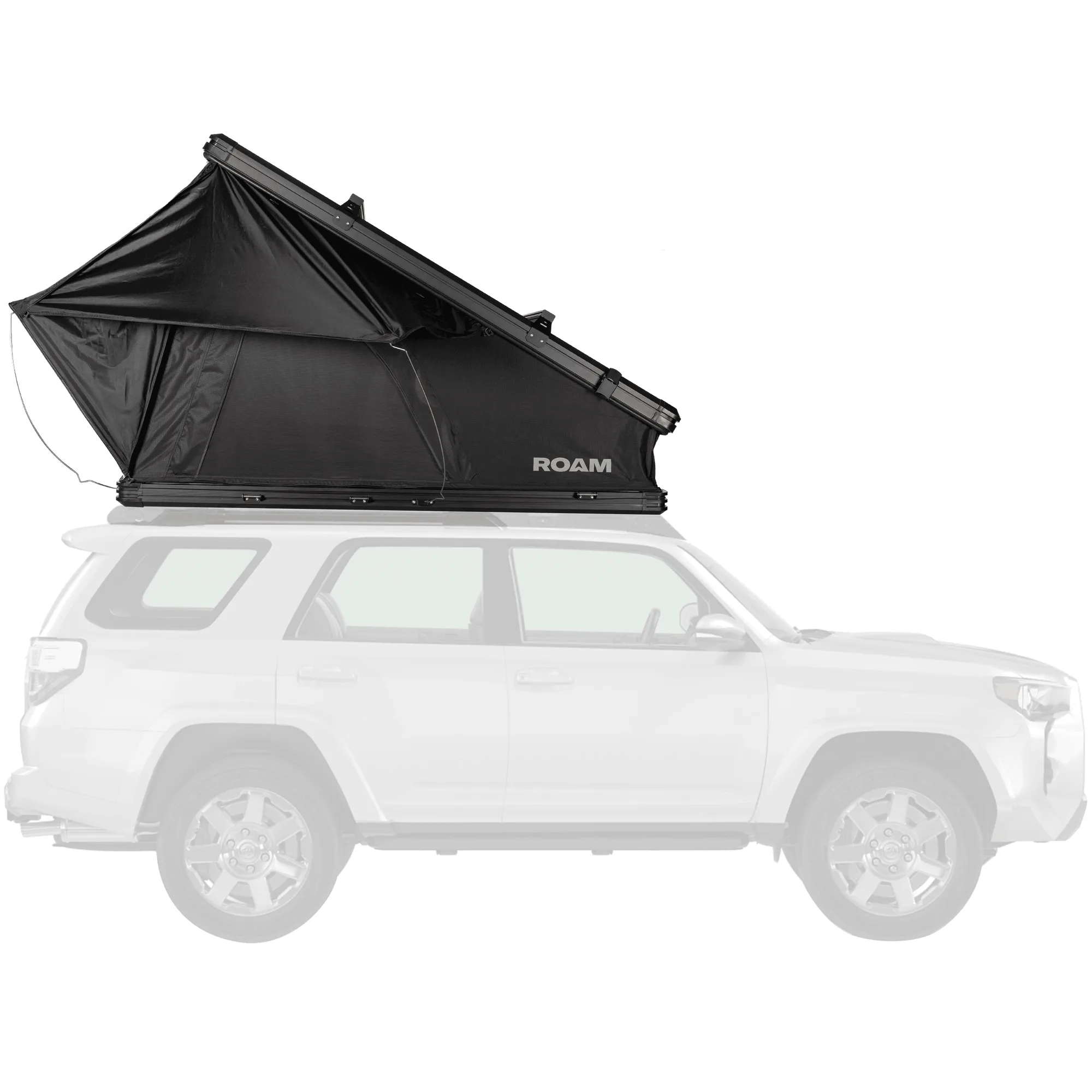
- The Desperado Hardshell Rooftop Tent: The Desperado sets up in under 30 seconds and has a spacious, comfortable interior with premium touches. A fast, comfortable hardshell base makes cold-weather trips more realistic, because you spend less time exposed and more time warm inside.
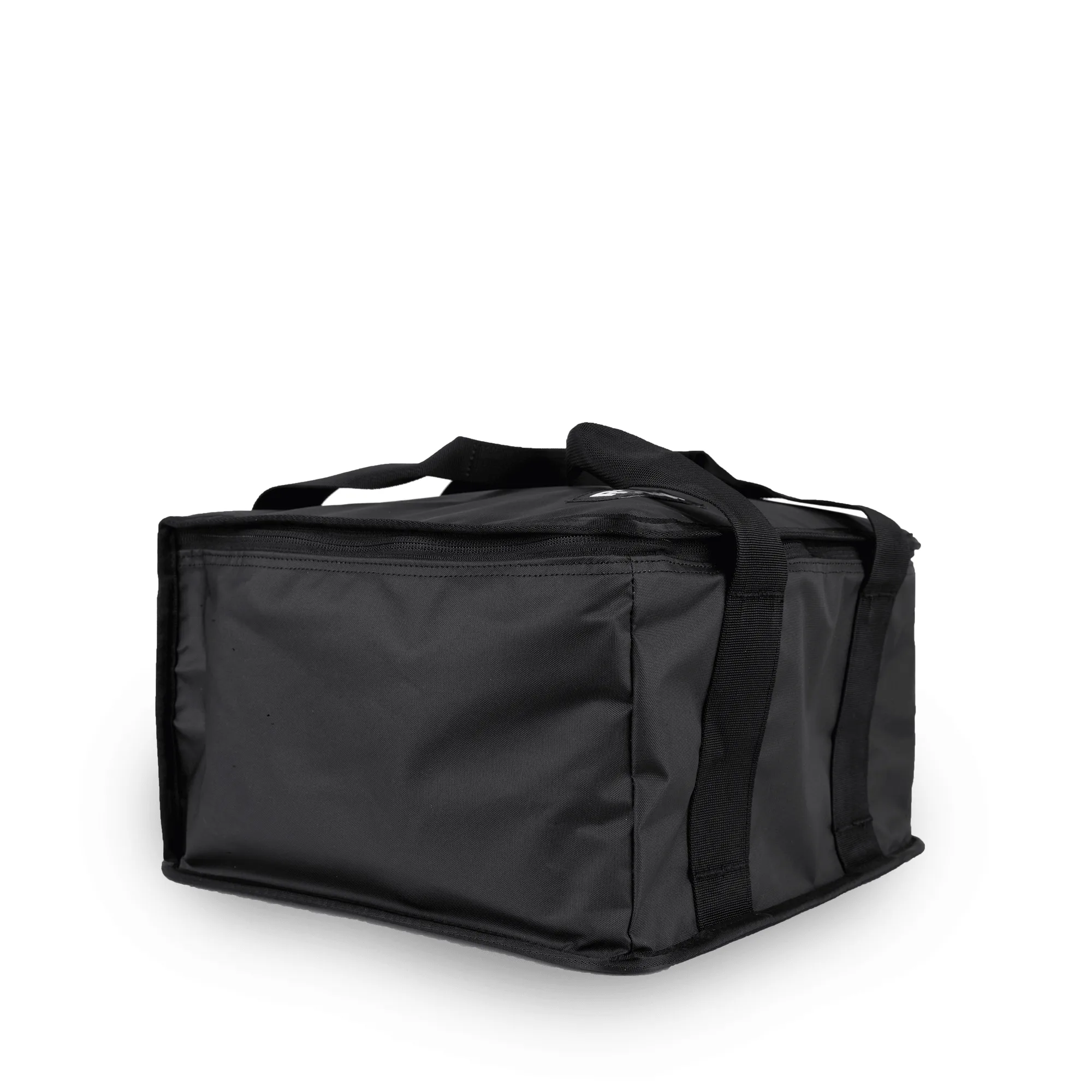
- 95L Lid Organizer: Made of 420D nylon with a PU-coated backing and YKK zippers, with a semi-opaque pocket that lights up when you place a light inside. Keeping small items organized and reachable inside your case means fewer cold trips in and out of the tent at night.
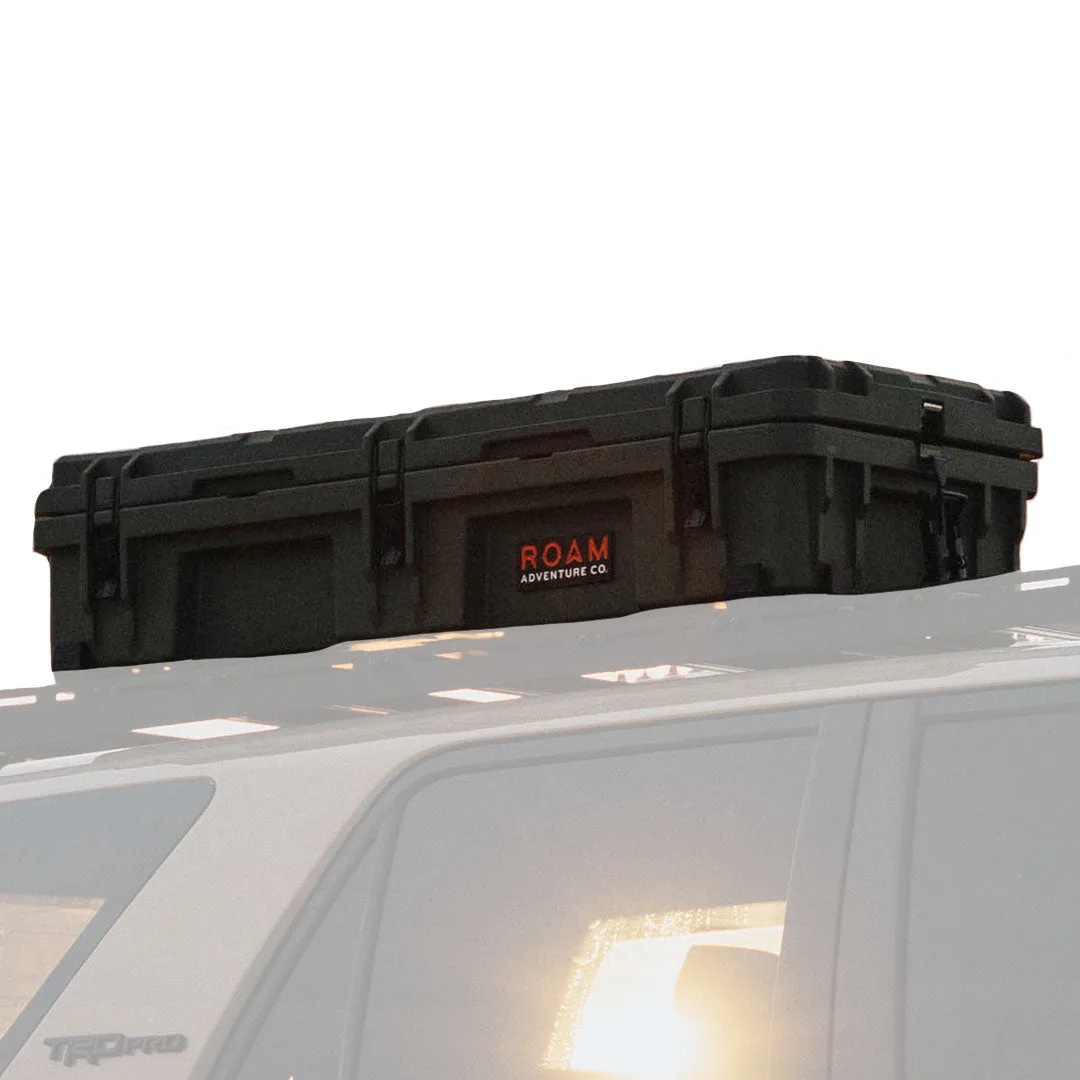
- Rugged Bag 1.2: Ideal for storing camping gear, cookware, clothing, or tools, and three fit perfectly inside the 95L Rugged Case. Separating dry layers from damp gear keeps your insulation and clothing working the way they should.
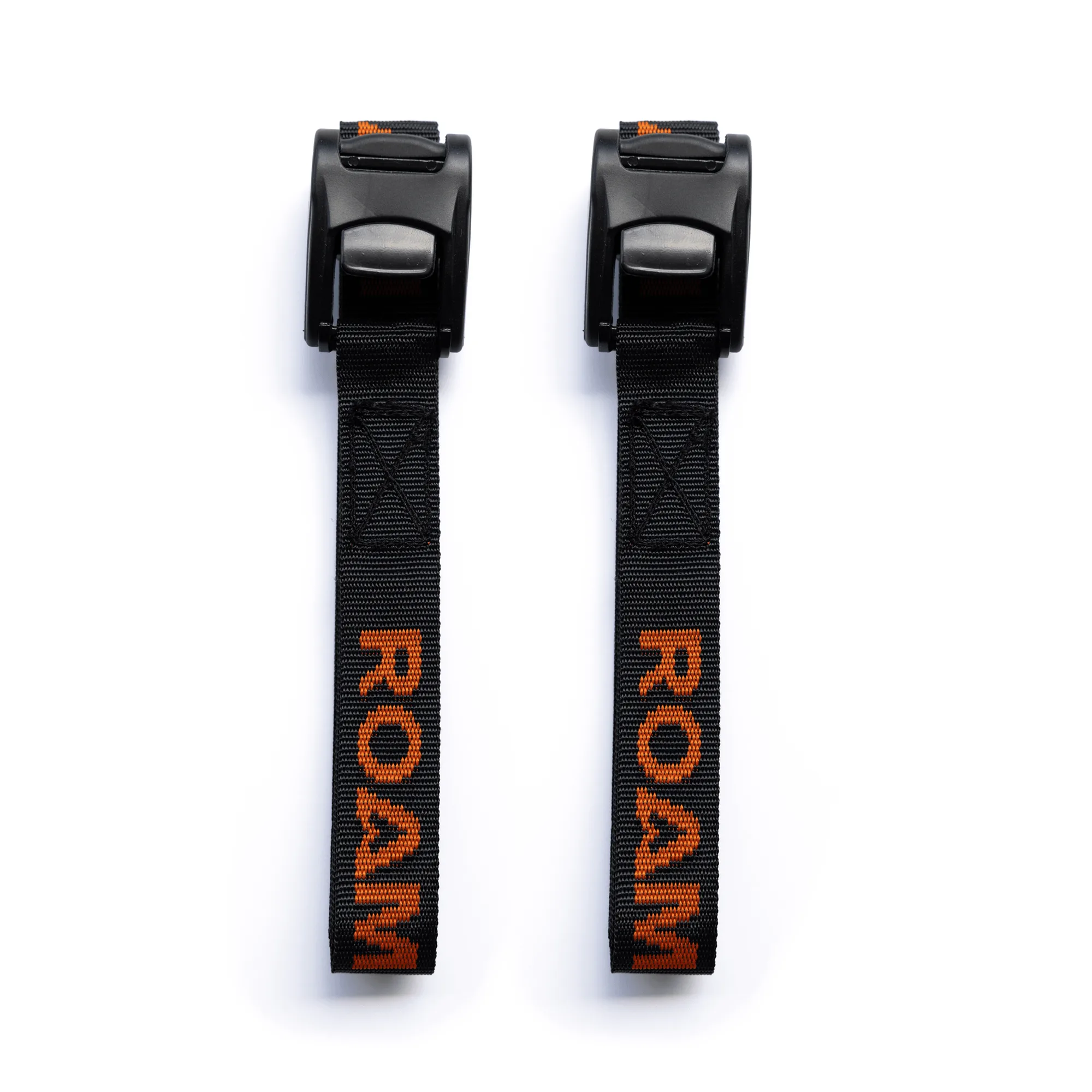
- Tie Down Straps: The 5ft straps work with Rugged Cases and Rugged Coolers, running through the tie-down channels under the lid to secure them while keeping the lid functional. Securing your gear on the roof or rack means less shifting and less exposure while you set up camp in the cold.
Who this setup fits
Best for
- Campers who regularly sleep in a rooftop tent below freezing
- Multi-night trips in humid or coastal cold where the tent cannot fully dry
- Anyone extending a three-season setup into winter without buying a new tent
Not for
- Fair-weather campers who rarely see overnight temperatures near freezing
- Campers whose primary problem is an inadequate sleeping bag or pad, not the tent itself
- Anyone unwilling to ventilate the tent, since trapped moisture defeats insulation
Cold weather camping rewards sequence over spending. Insulate the tent to control condensation, fix your sleep system underneath it, and keep your gear dry and reachable. Do those three things and your rooftop tent stays comfortable well past the point most people pack it away for the season.