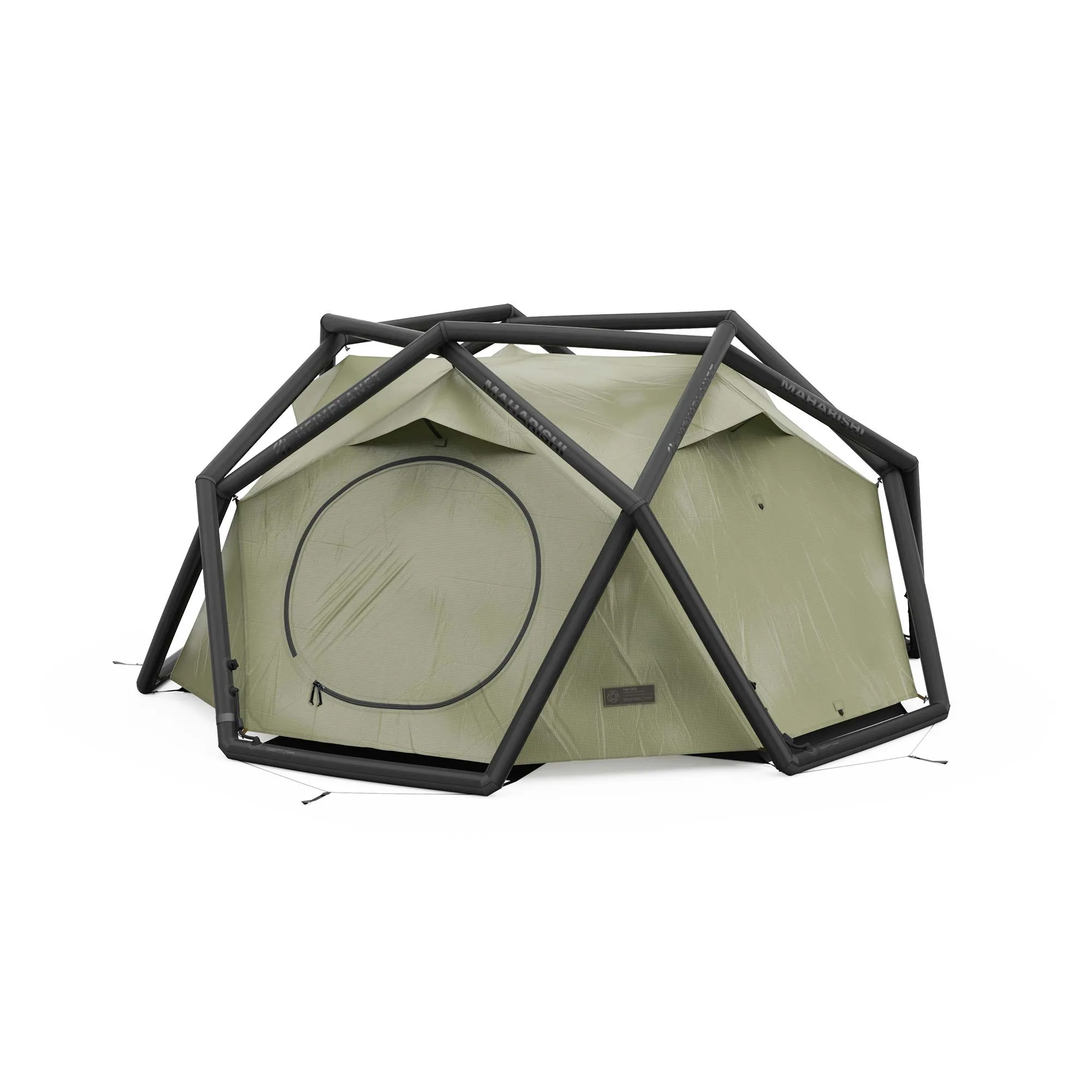
Your tent is your home away from home on the trail, and its poles are the backbone that keeps it standing. Whether you rely on a lightweight 4-season shelter like The Cave XL inner tent, 4-season or a versatile tarp setup, proper tent pole maintenance is essential for safety and longevity. Neglected poles can snap, bend, or corrode, turning a dream camping trip into a frustrating ordeal.
The Cave XL inner tent, 4-season
In this guide, you will learn how to clean aluminum tent poles, store them correctly between trips, and perform simple repairs that can save you time and money. By following these steps, you will keep your shelter reliable for years to come.
Why Tent Pole Care Matters
Tent poles endure constant stress from wind, tension, and repeated assembly. Aluminum tent poles are lightweight and durable, but they are not indestructible. Dirt, sand, and salt can wear down the protective coating, leading to corrosion or weak points. Regular cleaning prevents abrasive particles from grinding against the pole sections, while proper storage avoids permanent bends or kinks.
Even high-quality poles require attention. For example, the poles used in the Transit Line Daypack castlerock are designed for daily carry, but larger shelter poles face greater loads. A few minutes of care after each trip can extend their lifespan by years.
- Inspect poles after every trip for cracks, dents, or bent segments.
- Clean poles before storing to remove grit and moisture.
How to Clean Aluminum Tent Poles
Cleaning tent poles is straightforward. Start by fully disassembling the pole sections. Rinse each segment with fresh water to remove dirt and salt. If you camped near the ocean, pay extra attention to salt residue, which accelerates corrosion. Use a soft cloth or sponge with mild soap and warm water to gently wipe down the poles. Avoid abrasive scrubbers that can scratch the anodized finish.
For stubborn grime, a soft-bristle brush works well. After washing, dry each section thoroughly with a towel and leave them in a well-ventilated area for an hour to ensure no moisture remains inside the shock cord or connectors. Never use harsh chemicals or solvents, as they can weaken the cord or damage the coating.
- Use only mild soap and water for cleaning.
- Dry completely before reassembling or storing.
Proper Storage to Prevent Damage
How you store your tent poles between trips is just as important as cleaning. Always store poles loosely in a protective bag or tube, never tightly coiled or under heavy weight. Extreme temperatures can affect the shock cord elasticity, so keep poles in a climate-controlled environment. Avoid leaving them in a hot car or damp basement.
If you use a groundsheet like the CLOUDBREAK Groundsheet, store it separately to avoid pressure points. For long-term storage, consider hanging the pole bag vertically to prevent compression. This simple habit prevents permanent bends and keeps the shock cord from stretching out of shape.

CLOUDBREAK Groundsheet
- Store poles in a cool, dry place away from direct sunlight.
- Use a dedicated pole sack or tube to prevent crushing.
Common Tent Pole Repairs You Can Do Yourself
Even with careful maintenance, poles can break. The most common issues are bent sections, snapped shock cords, and cracked ferrules. For bent aluminum poles, you can often straighten them by hand or with a gentle bending tool. Work slowly and check for cracks. If the bend is severe, replace that section with a compatible spare.
Shock cord replacement is a simple DIY task. Remove the old cord, measure the new one (slightly shorter than the pole length), and thread it through using a wire or small hook. Tie secure knots at both ends. For broken ferrules, you can use a repair sleeve or replace the section entirely. Having a few spare pole sections and a repair kit in your gear bag is wise for remote trips.
- Always carry a pole repair splint or sleeve for emergencies.
- Replace shock cord every 2-3 years if you camp frequently.
When to Replace vs. Repair Tent Poles
Not every damage can be fixed. If a pole has multiple cracks, severe corrosion, or a bent section that won't straighten, replacement is safer. Similarly, if the shock cord is frayed or the pole no longer snaps together firmly, it is time for a new set. Compare the cost of replacement sections to a full pole set; sometimes upgrading is more economical.
For specialty shelters like The Cave XL inner tent, 4-season, using manufacturer-recommended replacement poles ensures proper fit and performance. Generic poles may not match the curvature or length, leading to poor pitch stability.
- Replace poles if they show deep scratches or corrosion pits.
- Always test repaired poles at home before heading out.
Caring for your tent poles is a small investment that pays off in reliability and peace of mind. Clean them after each use, store them properly, and learn basic repairs to keep your shelter standing strong. For a dependable 4-season shelter built to last, check out The Cave XL inner tent, 4-season and pair it with the CLOUDBREAK Groundsheet for complete protection.