Interdental brushes are a cornerstone of effective oral hygiene, especially for those with braces, implants, or gum disease. TePe brushes are renowned for their durability and design, but even the best brush won't last forever. Knowing when to replace your TePe interdental brushes is crucial for maintaining their cleaning efficiency and preventing bacterial buildup.
In this guide, we'll cover the recommended replacement frequency, signs that your brush needs changing, and practical tips to extend the life of your brushes while ensuring your oral care routine stays top-notch.
Why Replacement Matters
Interdental brushes work by gently removing plaque and food debris from the spaces between your teeth. Over time, the bristles can bend, fray, or lose their shape, making them less effective at cleaning. A worn brush may also harbor bacteria, which can reintroduce harmful microbes into your mouth, potentially leading to gum inflammation or bad breath.
Regular replacement is not just about hygiene; it's about ensuring the brush continues to fit snugly and reach the surfaces it's designed to clean. A brush that has lost its shape may not make proper contact with the tooth surfaces, leaving plaque behind and increasing the risk of cavities and gum disease.
- Worn bristles can scratch or irritate gums.
- Bacteria can accumulate on old brushes, reducing hygiene.
- Ineffective cleaning can lead to plaque buildup and gingivitis.
How Often Should You Change Your TePe Brushes?
The general recommendation from dental professionals is to replace your interdental brush every 1 to 2 weeks. However, this can vary based on how often you use the brush and your individual oral health needs. If you use your TePe brush twice a day, as recommended, you'll likely need to change it more frequently than if you use it once daily.
TePe brushes are designed to be durable, but they are still subject to wear. The bristles are made from nylon and can bend or splay with regular use. For most users, a weekly replacement is a safe bet to ensure optimal cleaning. If you notice any signs of wear before that, don't hesitate to swap it out sooner.
- Replace every 1-2 weeks for best results.
- If you have braces or implants, you may need to change more often.
- Always follow your dentist's specific advice.
Signs Your TePe Brush Needs Replacing
While a set schedule is helpful, your brush will often tell you when it's time for a change. Look for these common signs of wear: bent or splayed bristles, a loss of resistance when inserting the brush, or visible discoloration. If the bristles no longer point straight or the brush feels loose in the interdental space, it's time for a new one.
Another sign is if the brush becomes difficult to insert or doesn't feel like it's cleaning as effectively. This could mean the bristles have worn down and are no longer making proper contact. Additionally, if you notice any rough or sharp edges on the wire, replace the brush immediately to avoid injuring your gums.
- Bristles are bent, frayed, or pointing in different directions.
- The brush slides in too easily, indicating reduced cleaning power.
- Visible rust or damage to the wire core.
Tips to Extend the Life of Your TePe Brushes
While you shouldn't compromise on hygiene, there are a few habits that can help your brushes last a little longer. Always rinse your brush thoroughly after each use and shake off excess water. Allow it to air dry completely before storing it in a ventilated container. Avoid storing brushes in closed, damp environments where bacteria can thrive.
You can also rotate between a few brushes to reduce wear on each one. For example, use one brush in the morning and another at night. This not only extends the lifespan of each brush but also ensures you always have a dry, clean brush ready to use.
- Rinse and dry your brush after every use.
- Store in a breathable case or upright in a cup.
- Consider rotating between two brushes to prolong their life.
Choosing the Right Replacement Brush
When it's time to replace your TePe brush, it's essential to pick the correct size and type for your interdental spaces. TePe offers a wide range of sizes and styles, including the TePe Angle Interdental Brushes Mixed Pack for hard-to-reach areas, and the TePe Extra Grip for those who need a longer handle for better control.
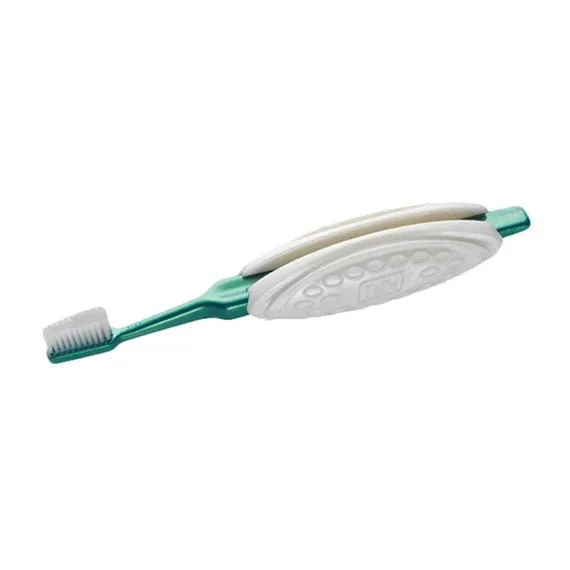
TePe Extra Grip
If you're unsure about sizing, consult your dental professional or refer to the size chart provided by TePe. Using the wrong size can lead to ineffective cleaning or gum damage. Remember, the right brush should fit snugly without forcing.
- TePe Angle brushes are great for posterior teeth.
- TePe Extra Grip offers a comfortable, non-slip handle.
- Always match the brush size to your interdental space.
Caring for Your TePe Brushes Between Replacements
Proper care between replacements can keep your brushes in good condition and ensure they last until the next change. After each use, rinse the brush under warm water to remove debris and toothpaste residue. You can use a mild antibacterial mouthwash occasionally to disinfect the bristles.
Avoid boiling or using harsh chemicals, as these can damage the bristles and the wire. Also, never share your interdental brush with anyone, as this can transfer bacteria and compromise your oral health.
- Use warm water to rinse after each use.
- Soak in mouthwash once a week for extra disinfection.
- Never share your brush with others.
Replacing your TePe interdental brushes regularly is a simple yet vital step in maintaining excellent oral health. By following the recommended replacement schedule and paying attention to wear signs, you can ensure your brushes always perform at their best. For a reliable and comfortable option, consider the TePe Extra Grip for your next replacement.