Start with the weight you actually want beside the hob
A spoon rest spends its life in the messiest corner of the kitchen, so the first useful question is not colour or glaze but how the piece behaves when you set a wet spoon down and reach for it again. The two handmade options here differ most clearly in weight and surface character, and that difference shapes where each one feels at home.
The Handmade Terracotta Spoon Rest is described as pleasingly weighty and honey-glazed, made in the studio of British ceramicist Benjamin Hall. The Handmade Stoneware Spoon Rest is a simpler, more elegant stoneware piece, hand thrown on the south coast of England by ceramicist Rebecca Williams and finished in a milky glaze. One leans substantial and painterly; the other leans quiet and pared back. Neither is the 'right' material in the abstract — the right one is the one whose weight and look you will still enjoy after the hundredth stir.
What the catalogue tells you about each spoon rest
-
Handmade Terracotta Spoon Rest: A pleasingly weighty honey-glazed terracotta spoon rest, created in the studio of British ceramicist Benjamin Hall. Weight is the practical reason many cooks choose terracotta for a spoon rest: a heavier piece is less likely to slide or tip when you drop a loaded spoon onto it.
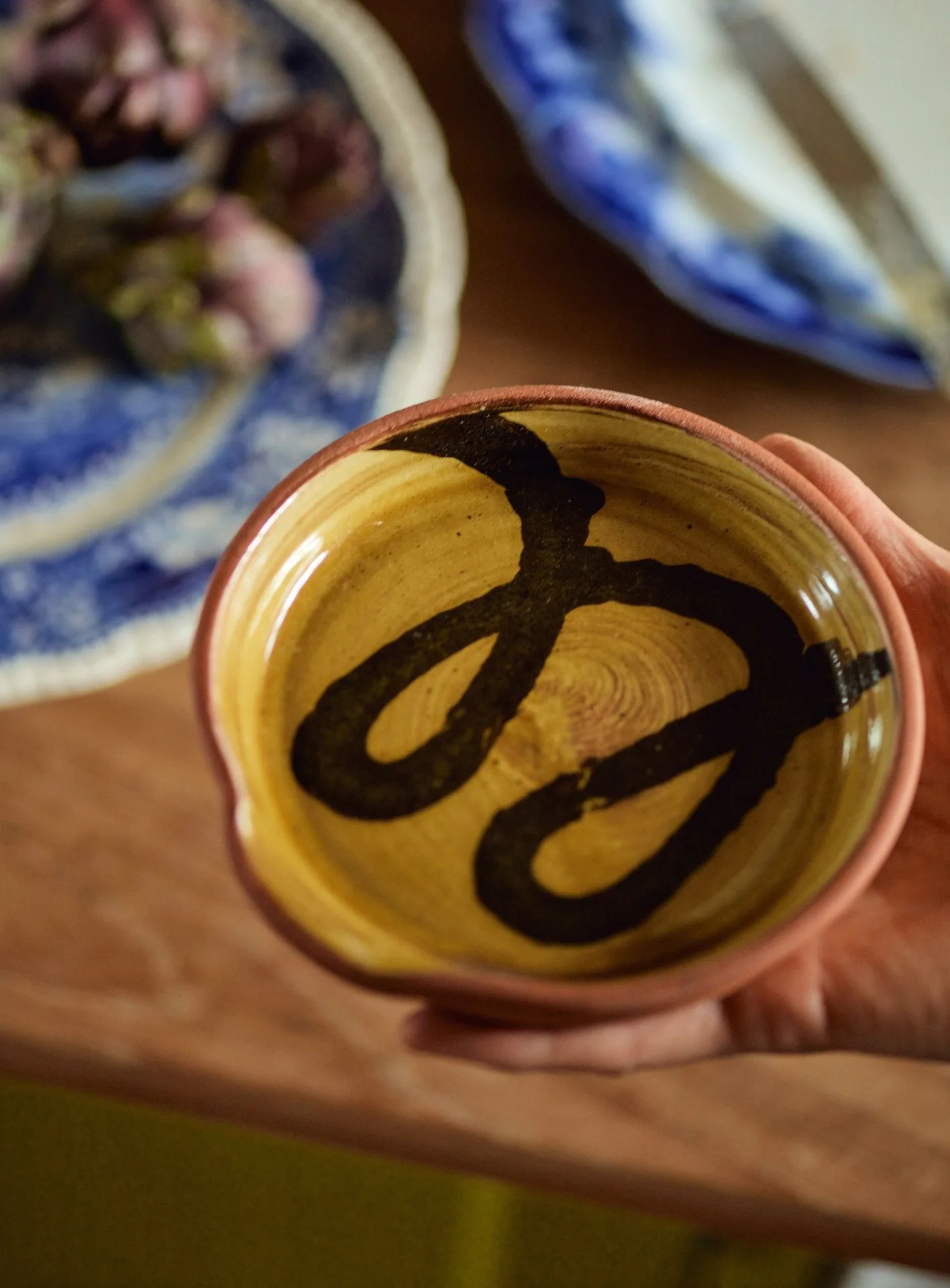
Handmade Terracotta Spoon Rest
-
Handmade Terracotta Spoon Rest: The warm glaze and painted loop are created using age-old slipware technique, giving an expressive, painterly finish. If you want the spoon rest to read as a small decorative object on an open shelf or counter, the slipware loop is the more characterful of the two.
-
Handmade Stoneware Spoon Rest: A simple, elegant stoneware spoon rest, handmade on the south coast of England by ceramicist Rebecca Williams, hand thrown and each unique, finished in a milky glaze. The milky glaze and simple form suit kitchens where you want the utensil rest to blend into a calm palette rather than become a feature.
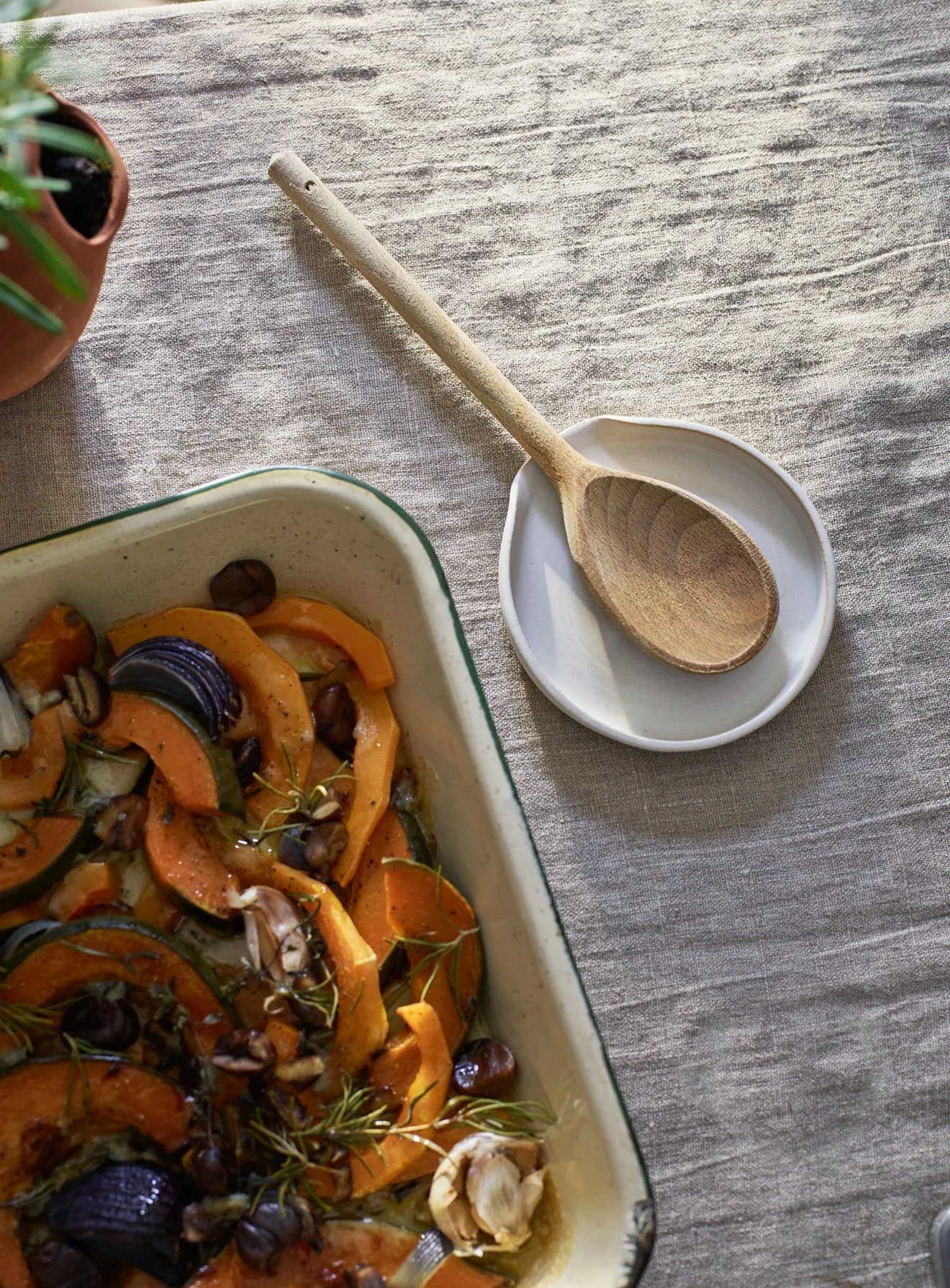
Handmade Stoneware Spoon Rest
-
Handmade Stoneware Spoon Rest: Described as the perfect place to rest messy spoons while cooking. That is the core job of a spoon rest for hob-side use, and it confirms the stoneware piece is intended for exactly the everyday cooking role you are buying for.
Terracotta vs stoneware: the trade-offs that matter at the hob
Both are ceramic, both are handmade in Britain, and both do the same basic job. The differences that affect daily use are weight, surface finish and how much visual presence you want from a small utensil.
- Weight and stability: The terracotta spoon rest is explicitly described as pleasingly weighty, which is a real advantage when a spoon is wet and heavy. The stoneware spoon rest is not described in terms of weight in the supplied information, so if a very substantial feel is your priority, the terracotta piece is the one the catalogue speaks to directly.
- Glaze and character: The terracotta piece has a warm honey glaze and a painted loop made with age-old slipware technique — expressive and painterly. The stoneware piece has a milky glaze and a simple, elegant form, and each is unique because it is hand thrown. Choose terracotta for visible craft character, stoneware for quiet simplicity.
- Place in the kitchen: A spoon rest for hob use gets splattered, so consider whether you want it to stand out or disappear. The terracotta piece is described as both useful and beautiful, a kitchen classic that elevates cooking. The stoneware piece is positioned as the simple, elegant option. Neither claim tells you how it will look in your kitchen — that is a judgement only you can make.
- Care and compatibility: The supplied product information does not include dishwasher, microwave, oven or hob-direct suitability, nor specific washing instructions. Do not assume either piece is dishwasher-safe or heat-proof. Check the care guidance supplied with the product before first use, and treat both as hand-wash-until-confirmed if you want to be cautious.
What the catalogue does not confirm about ceramic spoon rest care
It is worth being direct about the limits of the information here, because ceramic care is where most spoon rests are ruined. The supplied records for both the terracotta and stoneware spoon rests do not include dishwasher, microwave, oven or direct-flame guidance, and they do not include a step-by-step cleaning routine. That is a gap in the evidence, not a hidden warning.
The practical approach is to treat both as glazed ceramic utensils that deserve gentle handling until the product's own care instructions say otherwise: wash by hand in warm water, avoid sudden temperature shocks such as moving a cold piece onto a hot hob, and do not assume either is designed to sit on a live heat source. If you are buying as a gift, pass on the care information that comes with the piece rather than guessing.
A short checklist before you choose
- 1. Decide how much weight you want: If you want a spoon rest that feels anchored when you drop a wet spoon on it, the terracotta piece is described as pleasingly weighty. If lighter handling matters more, the stoneware piece is the simpler option, though its weight is not specified in the supplied information.
- 2. Match the glaze to your kitchen: Honey glaze and a painted loop for warmth and character; milky glaze and a simple form for a quieter look. Both are handmade, so expect slight variation between pieces — that is part of the appeal, not a fault.
- 3. Consider the maker story you want on the counter: Benjamin Hall's terracotta piece comes from a studio using age-old slipware technique; Rebecca Williams' stoneware piece is hand thrown on the south coast of England. Both are British-made, so this is about which aesthetic you prefer rather than provenance.
- 4. Confirm care before first use: Because the supplied records do not list dishwasher or heat suitability, check the care information that comes with your spoon rest. If none is supplied, hand wash and keep it off direct heat.
Which spoon rest suits your cooking?
Choose the Handmade Terracotta Spoon Rest if you want a weighty, characterful piece with a warm honey glaze and painterly slipware detail, and you like the idea of a kitchen classic that earns its place beside the hob. It is the one to pick when the spoon rest is allowed to be a small feature in its own right.
Choose the Handmade Stoneware Spoon Rest if you prefer a simple, elegant form in a milky glaze, want a handmade piece that recedes into a calm kitchen, and are happy to confirm care details before use. It is the quieter of the two, and for many kitchens that is exactly the point.
If you are still undecided, the honest tie-breaker is weight: the terracotta piece is the one the catalogue describes as pleasingly weighty, so if stability under a loaded spoon is your main concern, start there. If visual calm is your main concern, start with the stoneware.