Terrariums are miniature ecosystems that bring a slice of nature indoors, requiring minimal upkeep once established. Whether you're a seasoned plant parent or a curious beginner, building a terrarium is a rewarding project that combines creativity with botany. These self-sustaining gardens thrive in glass containers, creating a humid microclimate that reduces the need for frequent watering.
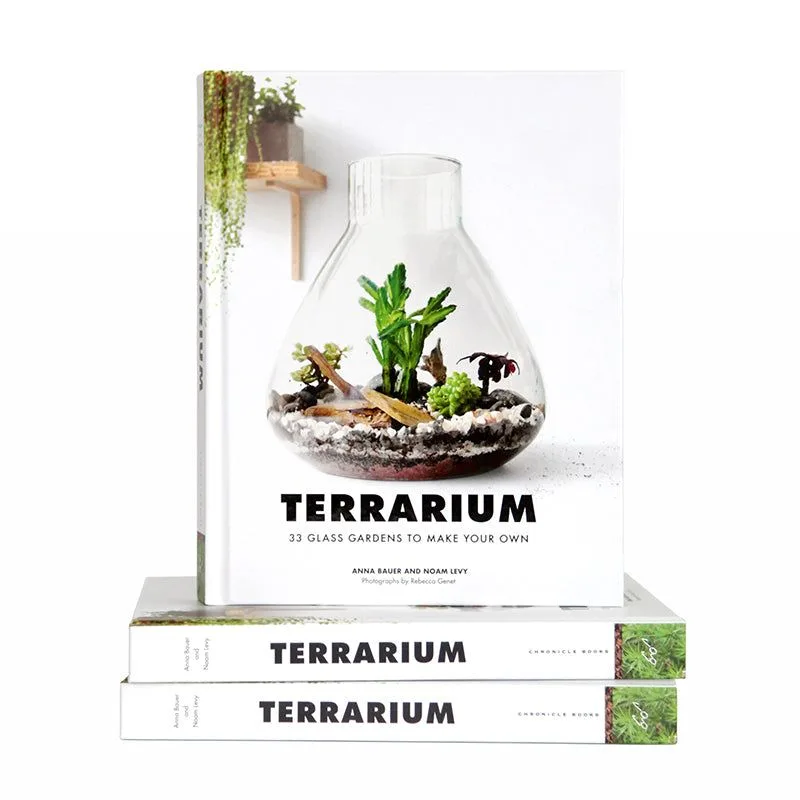
terrarium
In this guide, we'll walk you through everything you need to know about terrariums—from choosing between open and closed designs to layering the perfect substrate and selecting plants that will flourish. You'll also learn essential maintenance tips to keep your mini garden healthy for months or even years.
What Is a Terrarium and Why Build One?
A terrarium is a sealed or open glass container that houses soil, plants, and sometimes decorative elements like stones or moss. The concept dates back to the Victorian era when botanists used Wardian cases to transport exotic plants. Today, terrariums are popular for their low-maintenance appeal and aesthetic charm. They create a self-contained water cycle: moisture evaporates from the soil and leaves, condenses on the glass walls, and drips back down, reducing the need for watering.
Building a terrarium is also an excellent way to experiment with plant care in a controlled environment. It's especially suitable for small spaces, as a single terrarium can become a living centerpiece. Plus, it's a fun DIY project that allows you to express your style through plant selection and arrangement.
- Ideal for small apartments or offices with limited natural light
- Requires less watering than traditional potted plants
- Great educational tool for observing plant growth and water cycles
Open vs. Closed Terrariums: Which Is Right for You?
The first decision you'll make is whether to build an open or closed terrarium. Open terrariums have a wide opening or no lid, allowing air to circulate freely. They are best for plants that prefer drier conditions, such as succulents and cacti. Because they lose moisture faster, you'll need to water them more often, but they are less prone to mold and rot.
Closed terrariums, on the other hand, have a lid or are sealed with glass. They create a humid, tropical environment ideal for ferns, mosses, and humidity-loving plants like Fittonia. The sealed design recirculates water, so you may only need to water them once every few weeks. However, they require careful monitoring to prevent excessive condensation and fungal growth.
- Open terrariums: succulents, cacti, air plants
- Closed terrariums: ferns, mosses, peperomias, tropical foliage
- Consider the light and humidity levels in your home before choosing
Step-by-Step Guide to Building Your Terrarium
Start with a clean glass container—anything from a mason jar to a large apothecary jar works. The key is to create proper drainage. Begin by adding a 1-2 inch layer of pebbles or gravel at the bottom. This prevents water from pooling around the roots. Next, add a thin layer of activated charcoal to filter impurities and prevent odors. Then, add a layer of sphagnum moss to keep the soil from mixing with the drainage layer.
For the growing medium, use a high-quality potting mix like Potting Mix from WallyGro, which is lightweight and well-draining. Fill the container about halfway. Now, it's time to arrange your plants. Gently remove them from their nursery pots, loosen the roots, and place them in the soil. Use a long spoon or tweezers to position them. Add more soil around the roots, leaving space for decorative elements like small stones or driftwood. Finally, mist the plants lightly and place the lid if using a closed terrarium.
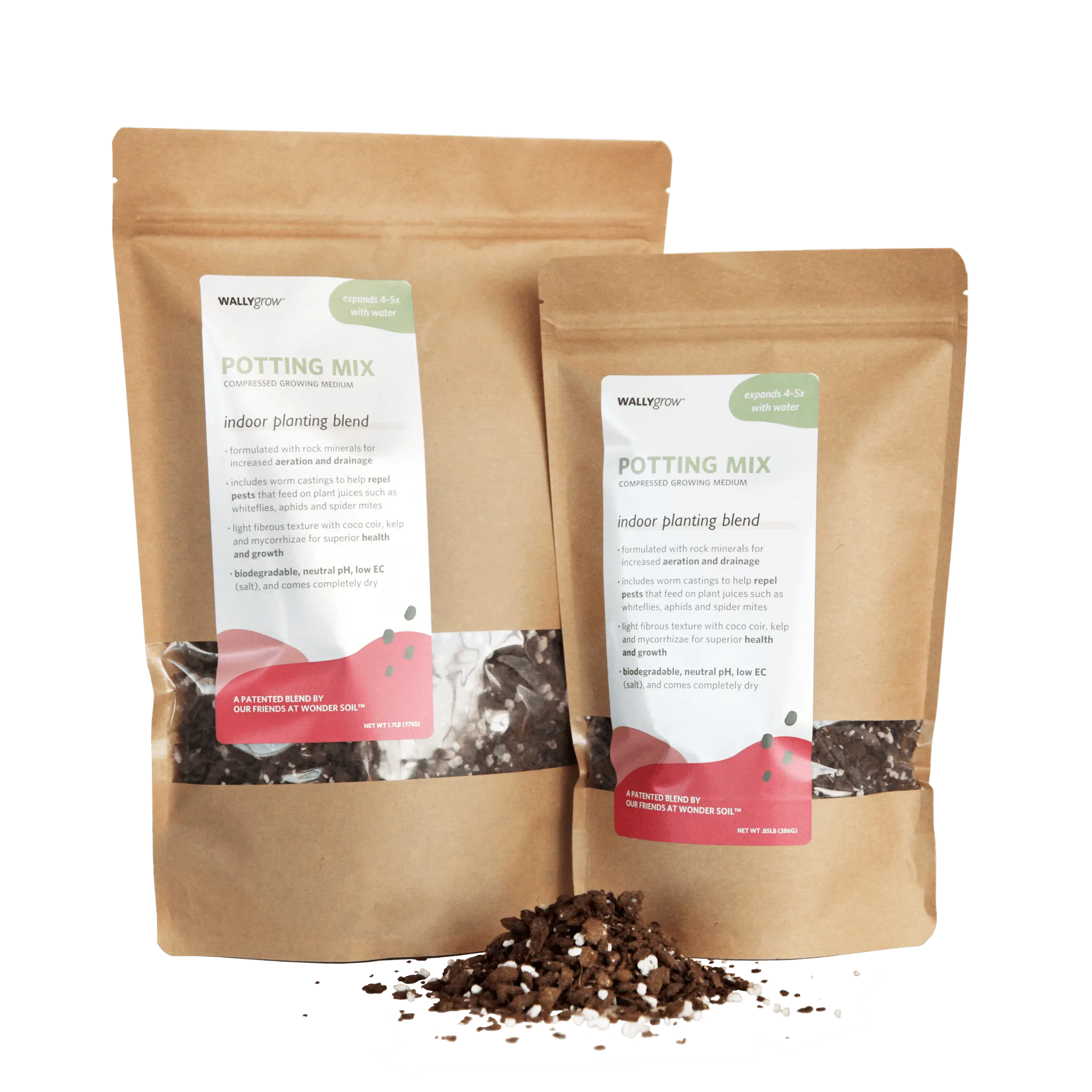
potting mix
- Use clean, dry glass to avoid cloudiness
- Activated charcoal is essential for closed terrariums
- Choose small, slow-growing plants to avoid overcrowding
Best Plants for Your Terrarium
Selecting the right plants is crucial for a thriving terrarium. For closed terrariums, opt for moisture-loving species like ferns, mosses, and Fittonia. These plants enjoy high humidity and indirect light. For open terrariums, succulents and cacti are excellent choices because they prefer drier air and bright, indirect sunlight. Avoid fast-growing plants that will quickly outgrow the container.
If you're looking for a complete set, the Terrarium available at WallyGro includes a curated selection of plants and materials designed for easy assembly. It's a great option for beginners who want a hassle-free start. For trailing varieties that add vertical interest, consider the Nutrients Trailing Plants Mix, which provides essential nutrients to keep your vines lush and healthy.
- Closed: ferns, mosses, peperomias, nerve plants
- Open: succulents, cacti, air plants
- Avoid plants that require direct sunlight or grow too large
Terrarium Care and Maintenance
Caring for a terrarium is straightforward but requires attention to a few key factors. Light is critical: place your terrarium in bright, indirect light. Direct sun can overheat the glass and scorch the plants. For closed terrariums, check condensation levels. A little moisture on the glass is normal, but if it's heavily fogged, remove the lid for a few hours to let it air out.
Watering depends on the type. Open terrariums need water when the soil feels dry to the touch—usually once a week. Closed terrariums may only need water every two to four weeks. Use a spray bottle to mist the soil rather than pouring water, which can disturb the layers. Prune any dead or yellowing leaves to prevent rot. If you notice mold, increase air circulation and remove affected plant parts immediately.
- Rotate the terrarium occasionally for even light exposure
- Use distilled or filtered water to avoid mineral buildup on glass
- Clean the glass inside with a soft cloth if it becomes cloudy
Creative Ideas to Personalize Your Terrarium
Terrariums are a canvas for creativity. Add layers of colored sand or decorative pebbles between the drainage and soil layers for visual interest. Incorporate small figurines, crystals, or driftwood to create a miniature landscape. You can also theme your terrarium—think desert oasis, fairy garden, or tropical rainforest. The Loop White Hanging Planter from WallyGro is a stylish option if you want to suspend your terrarium, adding a vertical element to your decor.
For a modern look, consider using geometric glass containers or vintage apothecary jars. Group multiple terrariums of different sizes on a shelf or window sill for a dynamic display. Remember to choose plants that share similar light and water needs within the same container. With a little imagination, your terrarium can become a unique piece of living art.
- Use colored sand or moss to create patterns
- Add small stones or shells for texture
- Label your terrarium with a small tag for a personal touch
Building a terrarium is a delightful way to bring nature into your home with minimal effort. Whether you prefer an open or closed design, the key is to choose the right plants and maintain a balanced environment. For a ready-to-assemble option, explore the Terrarium at WallyGro, which includes everything you need to create your own mini ecosystem. Start your terrarium journey today and enjoy the beauty of a self-sustaining garden.