Quick Answer
For high-traffic kitchens, terrazzo offers better long-term durability and a seamless, modern look, while ceramic tile provides more design flexibility at a lower cost. Choose terrazzo for floors that face heavy foot traffic and spills; choose ceramic for walls, backsplashes, or budget-conscious projects where color and pattern matter most.
How Terrazzo and Ceramic Tile Handle Kitchen Wear
Terrazzo is a composite material made from marble, quartz, or glass chips set in cement or resin. This composition makes it extremely hard-wearing and resistant to scratches and stains, which is why it's often found in commercial spaces and busy family kitchens. Ceramic tile, on the other hand, is made from clay and fired in a kiln. It's durable for most residential uses but can chip or crack under heavy impact, and the glaze can wear in high-traffic zones over time. For kitchen floors that see constant movement, terrazzo generally outperforms ceramic in terms of longevity and resistance to wear.
Maintenance and Repair Differences
Terrazzo floors require sealing to protect against stains, but once sealed, they are easy to clean with a damp mop and mild detergent. If a terrazzo floor is damaged, repairs can be tricky because the chips are part of the matrix; a professional may need to grind and re-polish the area. Ceramic tile is easier to repair on a small scale: you can replace a single tile if it cracks, provided you have spares. However, grout lines in ceramic installations can trap dirt and need regular scrubbing. In high-traffic kitchens, terrazzo's seamless surface means fewer grout lines to maintain, but ceramic's replaceability is a plus for localized damage.
Design and Style Considerations
Terrazzo offers a distinctive speckled look that can be customized with different chip colors and sizes. It creates a seamless, monolithic floor that can make a kitchen feel larger and more modern. Ceramic tile comes in an enormous range of colors, patterns, and finishes, from classic subway tiles to intricate geometric designs. For a kitchen backsplash, ceramic tile is often the go-to because it's lightweight, easy to install, and available in countless decorative options. Terrazzo is less common as a backsplash but can be used as a slab or large-format tile for a dramatic, cohesive look. If you want a uniform floor-to-wall statement, terrazzo can be carried through, but ceramic gives you more freedom to mix and match.
Cost and Installation Realities
Terrazzo typically costs more upfront than ceramic tile, both in materials and installation. It often requires a professional installer with specialized skills, especially for poured-in-place terrazzo. Ceramic tile is more DIY-friendly and widely available at various price points. For a high-traffic kitchen, the higher initial cost of terrazzo may be offset by its longevity and lower maintenance over time. However, if you're working within a tight budget or planning a quick renovation, ceramic tile is the more accessible choice. Keep in mind that installation quality affects durability for both materials: a poorly installed terrazzo floor can crack, and poorly grouted ceramic can suffer from water damage.
Key Trade-Offs: Terrazzo vs. Ceramic
- Durability: Terrazzo resists scratches, stains, and heavy foot traffic better than ceramic, which can chip or crack under impact. Choose terrazzo for busy family kitchens; ceramic is fine for lighter traffic or wall applications.
- Maintenance: Terrazzo needs sealing and professional repair for damage; ceramic is easier to clean but grout lines require scrubbing and tiles can be replaced individually. If you prefer low-maintenance, terrazzo's seamless surface wins; if you want DIY-friendly repairs, ceramic is simpler.
- Design Flexibility: Ceramic offers endless colors, patterns, and finishes; terrazzo provides a distinctive speckled look with fewer design variables. For a custom backsplash or accent wall, ceramic is more versatile; for a cohesive, modern floor, terrazzo makes a statement.
- Cost: Terrazzo has a higher upfront cost and requires skilled installation; ceramic is more budget-friendly and widely available. If budget is tight, ceramic is the practical choice; if you can invest, terrazzo's longevity may pay off.
Product Facts
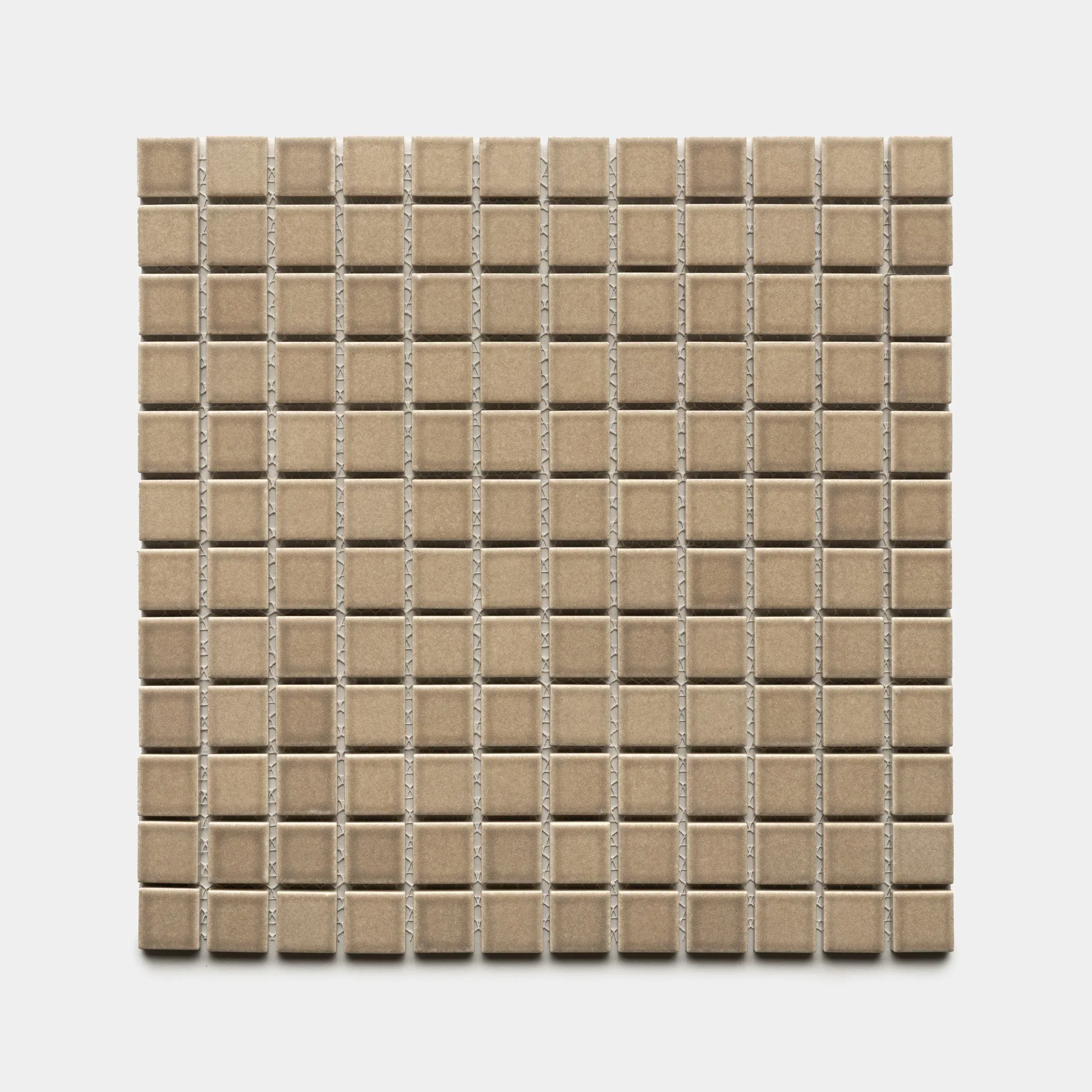
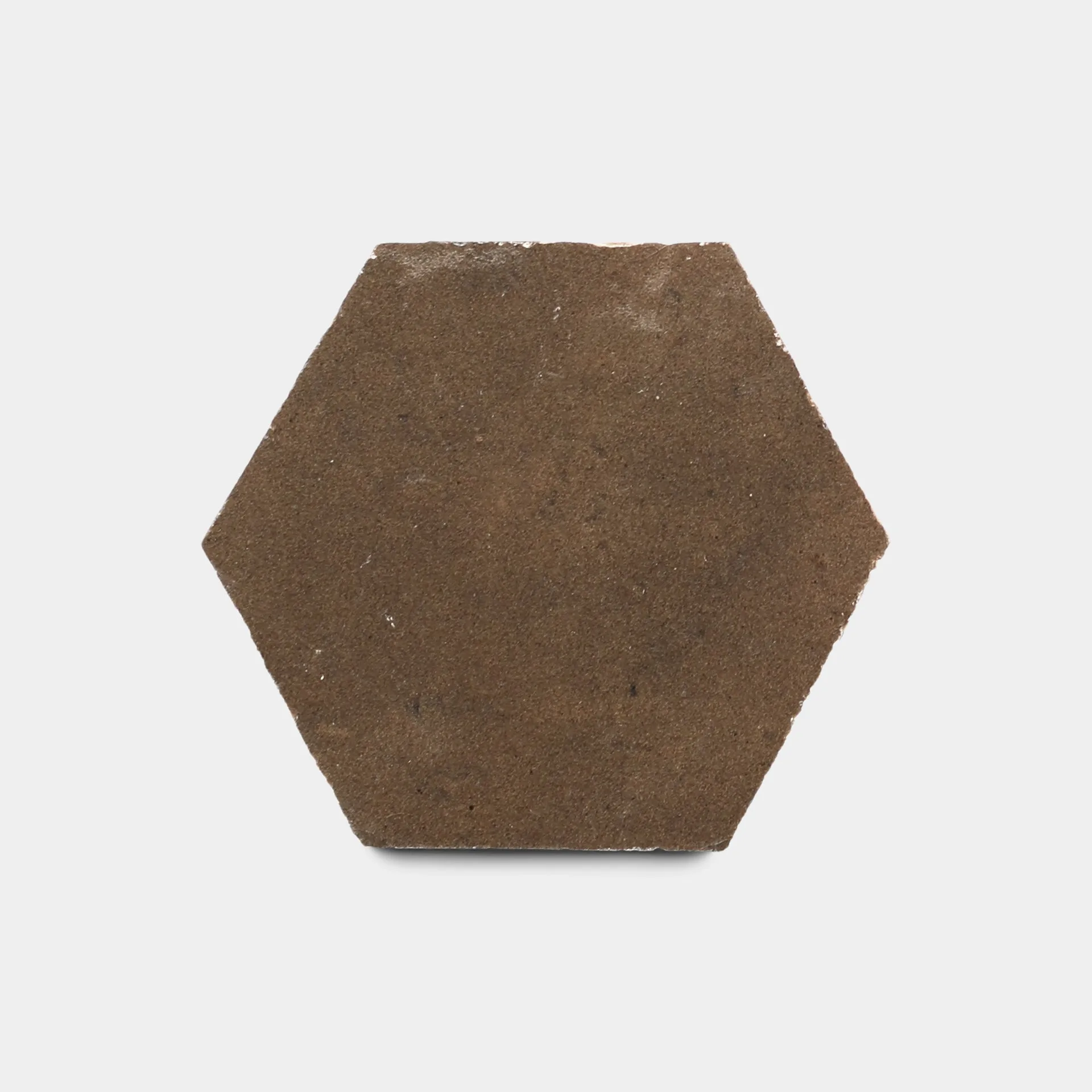
- Barley 1x1: Barley 1x1 is a ceramic tile from Zia Tile, offered in a compact one-by-one format. Its neutral barley tone and small square shape make it a versatile choice for detailed tilework and coordinated surface design. This small-format ceramic is ideal for intricate backsplash patterns or accent areas in a high-traffic kitchen, where its neutral color can hide minor stains and its size allows for precise installation around outlets and corners.
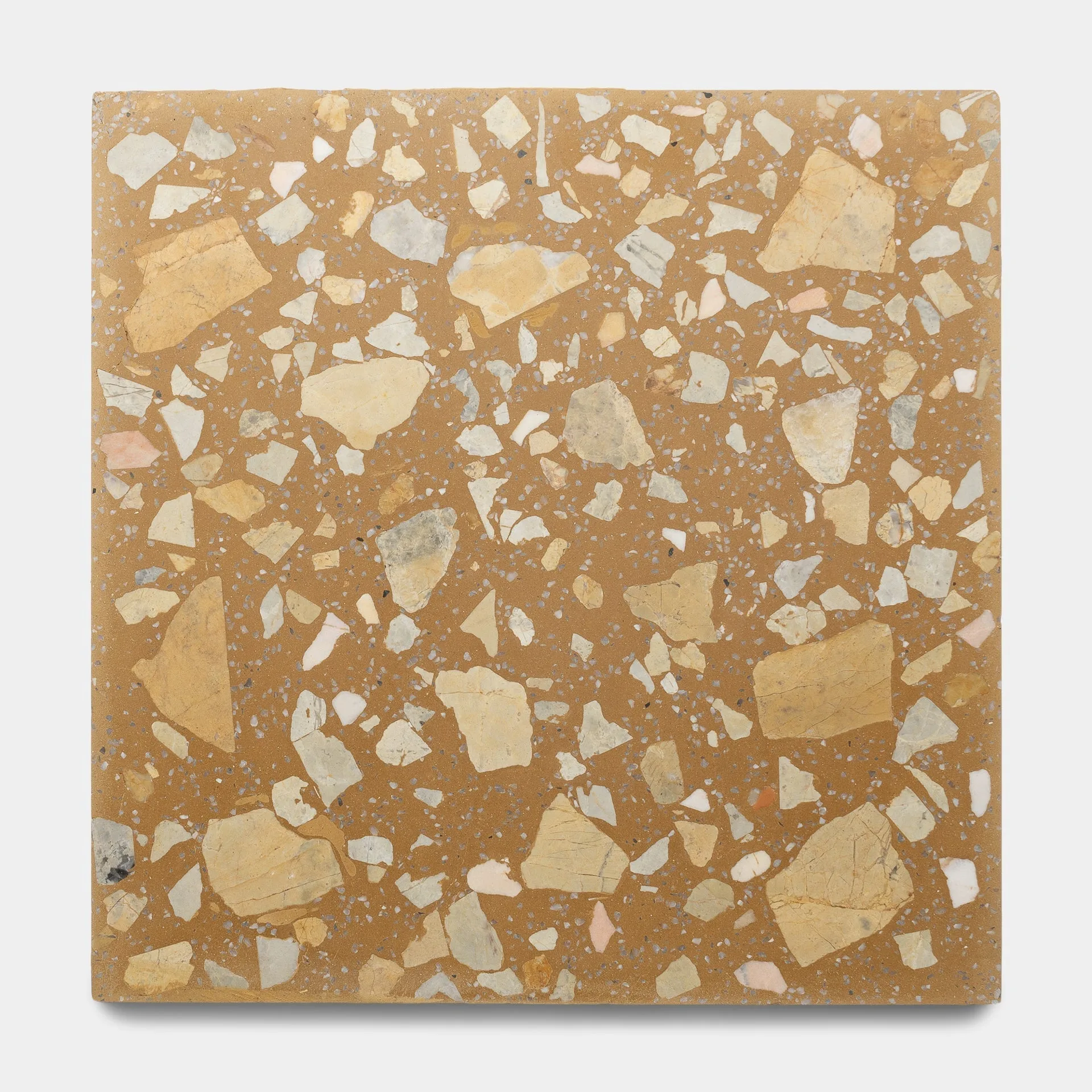
- Sunmor 12x12: Sunmor 12x12 is a terrazzo cement tile with a matte silky finish. It is suitable for bathrooms, showers, flooring, kitchen backsplashes, kitchen floors, powder rooms, and outdoor patios. This terrazzo tile's large 12x12 format means fewer grout lines, making it easier to clean in a busy kitchen. Its matte finish provides subtle traction, which is a safety advantage in areas prone to spills.
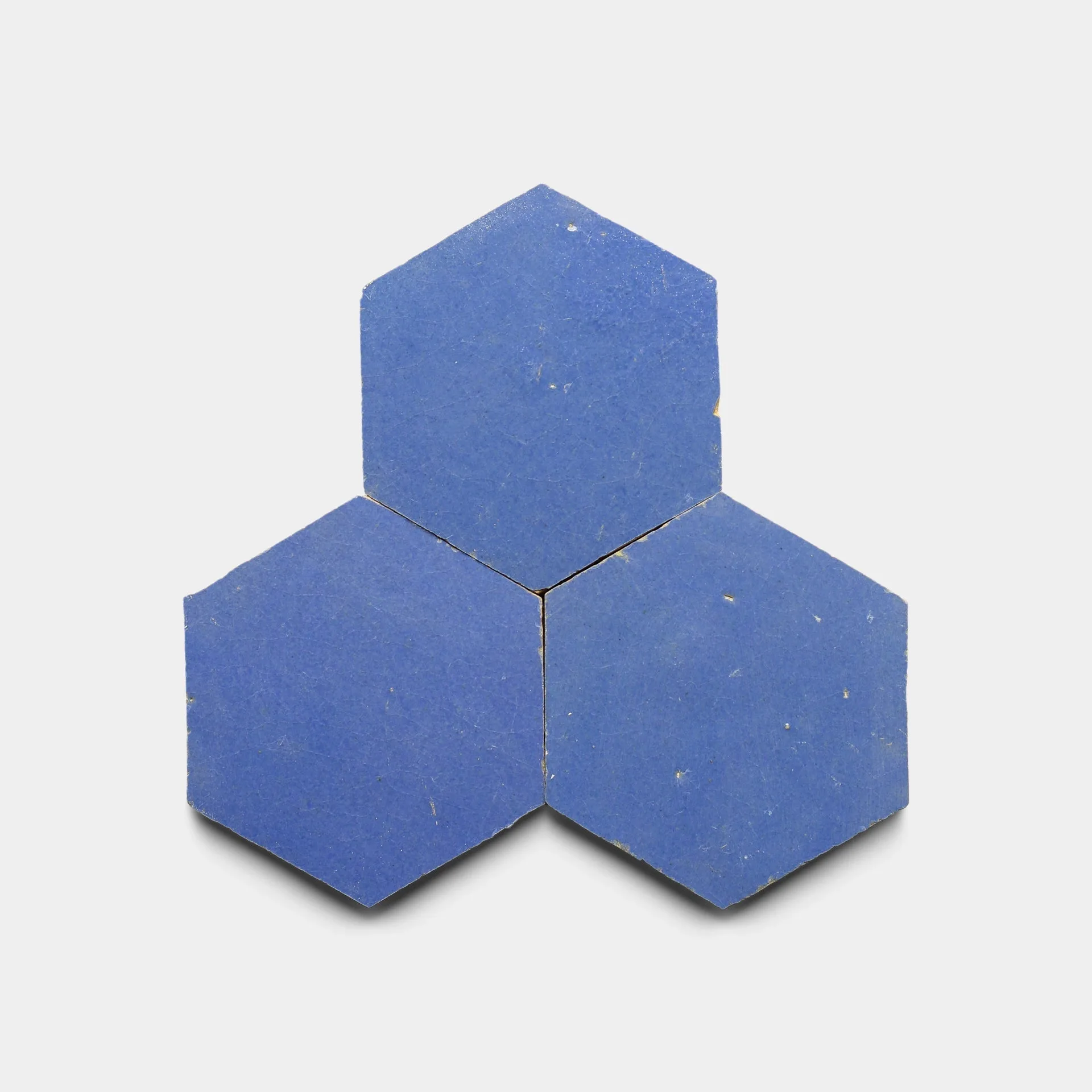
- Portuguese Blue Hex: Portuguese Blue Hex is a zellige tile from Zia Tile, handcrafted in the ancestral North African tradition. It is ideal for wall and floor coverings, bathrooms, kitchen backsplash, and swimming pools. While zellige is not the focus of this comparison, its availability as a handmade option shows that ceramic-like tiles can bring artisanal character to a kitchen. However, for high-traffic floors, terrazzo or standard ceramic may offer better durability.
Which Should You Choose?
Best for
- Homeowners with busy kitchens who want a durable, low-maintenance floor
- Modern or industrial design schemes that benefit from a seamless, speckled surface
- Areas prone to spills where a matte, slip-resistant finish is important
Not for
- DIYers on a tight budget who need an easy-to-install option
- Those who want to change tile design frequently or prefer intricate patterns
- Small backsplash projects where ceramic's lightweight and decorative options are more practical