Coffee cupping is the professional method used by roasters, baristas, and buyers to evaluate coffee quality and flavor. But you don’t need a lab coat or a certification to try it at home. With a few simple tools and a curious palate, you can unlock a world of nuanced taste experiences—from fruity and floral to chocolatey and nutty. This beginner’s guide will walk you through the steps of coffee cupping, explain how to identify flavor notes, and help you build your sensory vocabulary.
Whether you’re a home brewer looking to deepen your appreciation or a coffee enthusiast wanting to compare different beans, cupping is the most direct way to taste coffee’s true character. Let’s dive into the art and science of coffee tasting.
What Is Coffee Cupping?
Coffee cupping is a standardized tasting method used to evaluate the aroma, flavor, body, acidity, and aftertaste of coffee. Unlike casual sipping, cupping involves slurping the coffee to aerate it across your palate, allowing you to detect subtle notes. The process is simple: you grind coffee, add hot water, wait a few minutes, break the crust, and then taste. It’s the same technique used by professionals to score beans for competitions or to select lots for their menu.
For beginners, cupping is an excellent way to train your palate. You’ll learn to distinguish between different origins, processing methods, and roast levels. It also helps you understand why a coffee tastes the way it does—whether it’s the bright acidity of a washed Ethiopian or the syrupy sweetness of a natural Brazilian. Over time, you’ll develop a personal flavor vocabulary that makes every cup more enjoyable.
- Use fresh, freshly roasted beans for the most accurate flavor profile.
- Grind your coffee to a medium-coarse consistency—similar to sea salt.
- Use clean, neutral-tasting water (filtered or bottled) to avoid off-flavors.
Essential Tools for Home Cupping
You don’t need expensive equipment to start cupping. At a minimum, you’ll need a scale, a grinder, a kettle, and a set of small cups or bowls. A cupping spoon (wide and shallow) helps you slurp effectively, but a regular spoon works too. If you want to elevate your setup, consider a gooseneck kettle like the Hario Bona Enamel Drip Kettle, which gives you precise control over water flow and temperature. Its elegant design also makes it a beautiful addition to your coffee station.
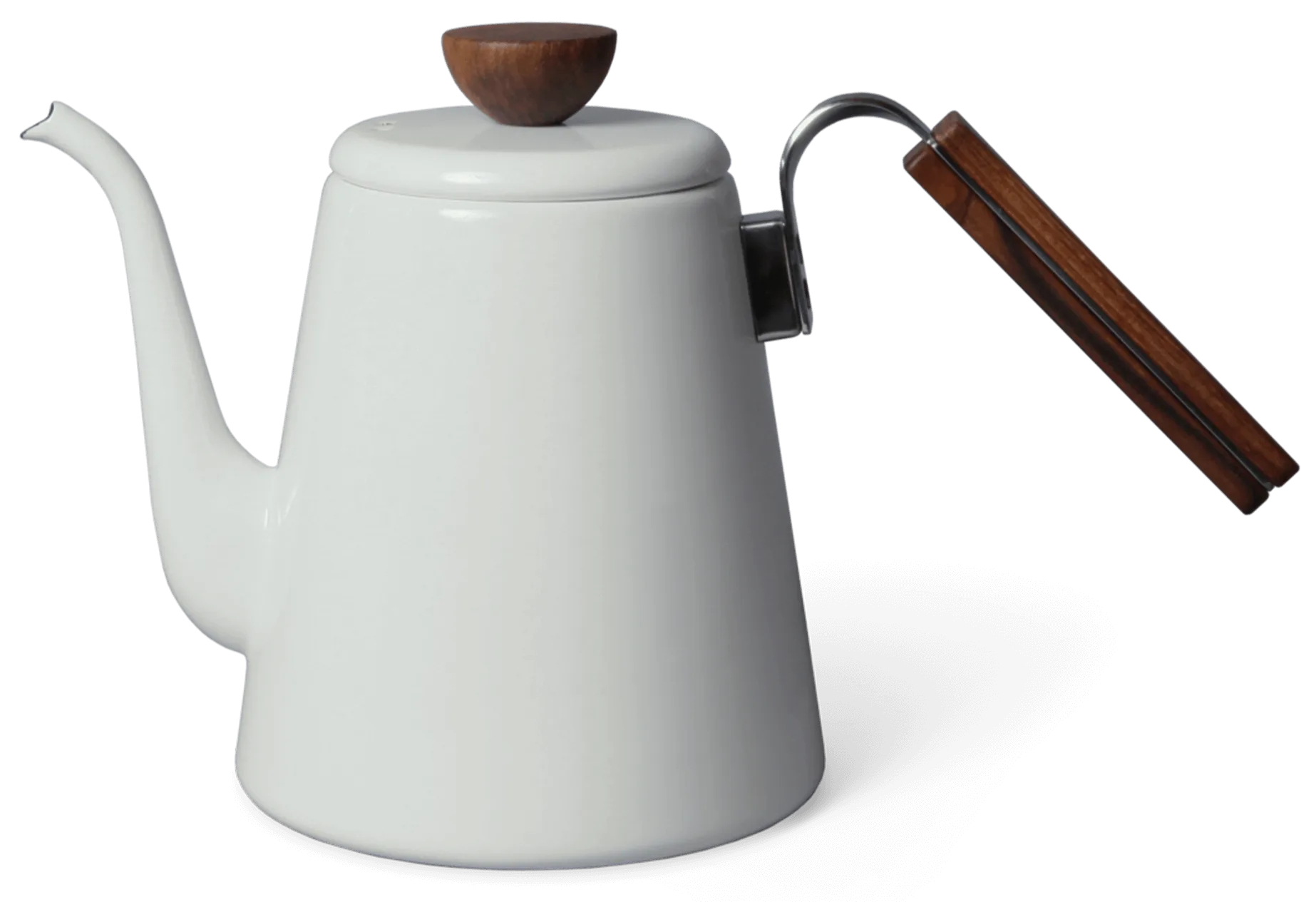
Hario Bona Enamel Drip Kettle
Another helpful tool is a set of cupping forms or a notebook to record your observations. Write down the aroma, flavor, acidity, body, and aftertaste for each coffee. Over time, you’ll build a personal reference library. For those who want to explore specific beans, single-origin coffees like the 023 - Typica Mejorado Tyoxidator offer a unique tasting experience with complex floral and fruity notes—perfect for sharpening your palate.
Step-by-Step Cupping Process
Start by weighing 12 grams of coffee per cup (about 2 tablespoons) and grinding it to a medium-coarse texture. Place the grounds in a cup and smell the dry aroma—this is your first clue to the coffee’s character. Next, heat your water to 200°F (93°C) and pour it over the grounds until the cup is full. Start a timer for 4 minutes. After 30 seconds, use a spoon to break the crust that forms on top, stirring gently. Inhale the released aroma—this is the wet aroma, often more intense and revealing.
After breaking the crust, skim off any floating grounds and let the coffee sit for another 8-10 minutes to cool. Then, take a spoon and slurp the coffee loudly. Slurping sprays the coffee across your tongue and into your nasal passages, allowing you to perceive both taste and aroma. Note the acidity (bright or mellow), body (light or heavy), flavor (fruity, chocolatey, etc.), and aftertaste (how long the flavors linger). Compare multiple cups side by side to train your palate.
- Always use the same grind size and water temperature for consistency.
- Taste the coffee at different temperatures—flavors change as it cools.
- Don’t swallow; spit into a cup to avoid caffeine overload during multiple tastings.
How to Identify Flavor Notes
Flavor notes are the descriptive terms we use to communicate what we taste—like blueberry, dark chocolate, or jasmine. To identify them, start by thinking about broad categories: fruity, floral, nutty, chocolatey, spicy, or earthy. Then narrow down. For example, a coffee from Ethiopia might have a berry-like acidity, while a Colombian might have a caramel sweetness. Use a flavor wheel (available online) as a reference—it helps you move from general to specific.
Practice by cupping two very different coffees side by side. For instance, compare a washed Kenyan with a natural Ethiopian. The Kenyan might have a winey acidity and tomato-like notes, while the Ethiopian could be intensely fruity with blueberry or strawberry. Over time, you’ll recognize patterns. For a truly unique tasting experience, try the 005C - Nuguo Honey Gesha, which offers delicate floral and honeyed notes—a great way to explore complex flavors.
- Smell the coffee before tasting—aroma is a huge part of flavor perception.
- Use analogies: “This tastes like a berry pie” is more helpful than “fruity.”
- Practice with friends—verbalizing flavors improves your sensory memory.
Common Mistakes to Avoid
One common mistake is using stale coffee. Freshly roasted beans (within 2-4 weeks of roast date) are essential for accurate cupping. Another error is not letting the coffee cool enough—hot coffee can burn your tongue and mask subtle flavors. Also, avoid using flavored or scented candles in the room; they interfere with your sense of smell. Finally, don’t rush. Cupping is a slow, meditative process. Take your time between sips and write down your impressions.
Another pitfall is comparing too many coffees at once. Start with 3-4 samples max—any more and your palate will fatigue. Also, be aware of your own biases. If you know a coffee is expensive, you might subconsciously rate it higher. To stay objective, cup blind: label cups with letters or numbers and reveal the identities only after you’ve tasted all of them. This is how professionals ensure fairness in competitions.
Coffee cupping is a rewarding skill that transforms every cup into a sensory adventure. By practicing regularly, you’ll not only enjoy your coffee more but also make better purchasing decisions. Start your cupping journey today with a carefully selected bean like the 023 - Typica Mejorado Tyoxidator—its complex flavor profile is perfect for honing your tasting abilities.