A beautifully arranged cheese board is more than just food—it's a centerpiece that sets the tone for any gathering. Whether you're hosting a casual wine night or a festive holiday party, the art of cheese board presentation combines thoughtful curation with the right tools and textiles. From selecting the perfect serving platter to choosing complementary flatware and linens, every detail contributes to an inviting and memorable experience.
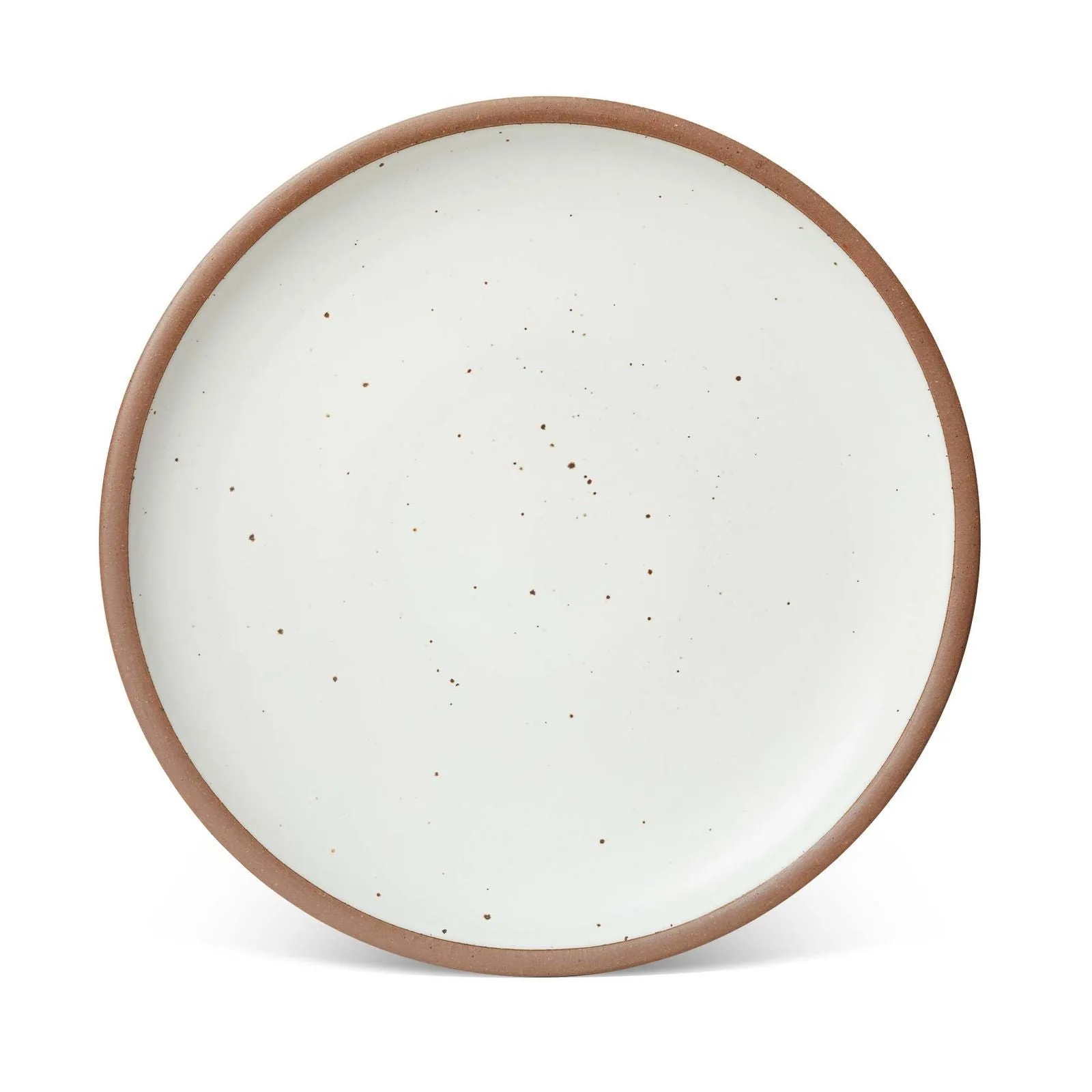
serving platter
In this guide, we'll walk you through the essential elements of a stunning cheese board setup. You'll learn how to choose the best serving tools, incorporate textiles for visual warmth, and arrange your ingredients like a pro. Plus, we'll highlight a few key products from East Fork that can elevate your entertaining game.
Choosing the Perfect Serving Platter
The foundation of any cheese board is the platter itself. A large, sturdy board or platter provides ample space for arranging cheeses, meats, fruits, and accompaniments. For a rustic yet elegant look, consider a handmade ceramic option like the East Fork Serving Platter, which offers a generous surface and beautiful glaze that complements any table setting. Its organic shape and earthy tones make it a versatile choice for both casual and formal occasions.
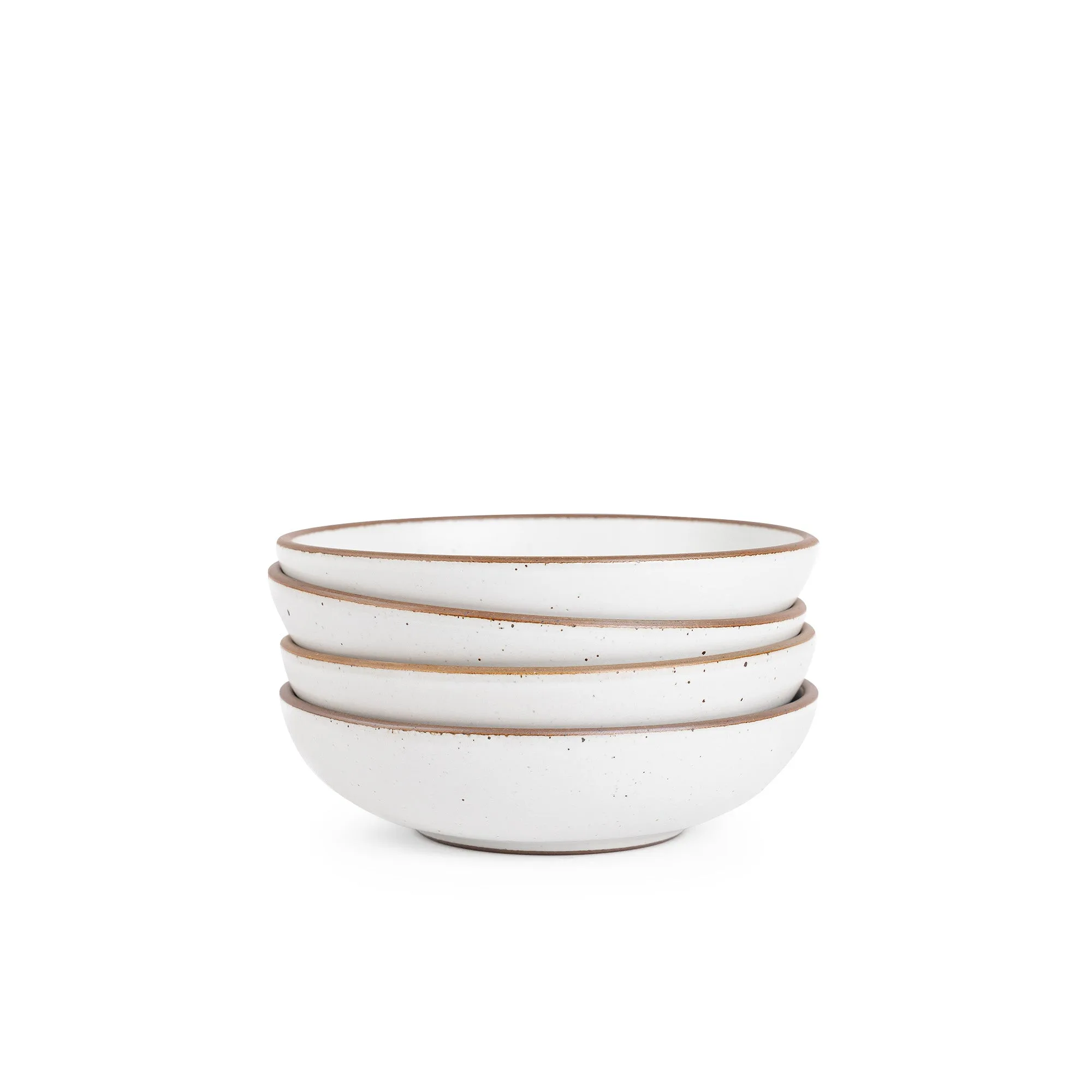
When selecting a platter, think about size and shape. A rectangular or oval platter works well for linear arrangements, while a round board encourages a more circular, communal layout. Ensure the platter is slightly larger than you think you need—this prevents overcrowding and allows guests to easily reach each item. Pair your platter with a few small bowls for olives, nuts, or dips to create visual variety.
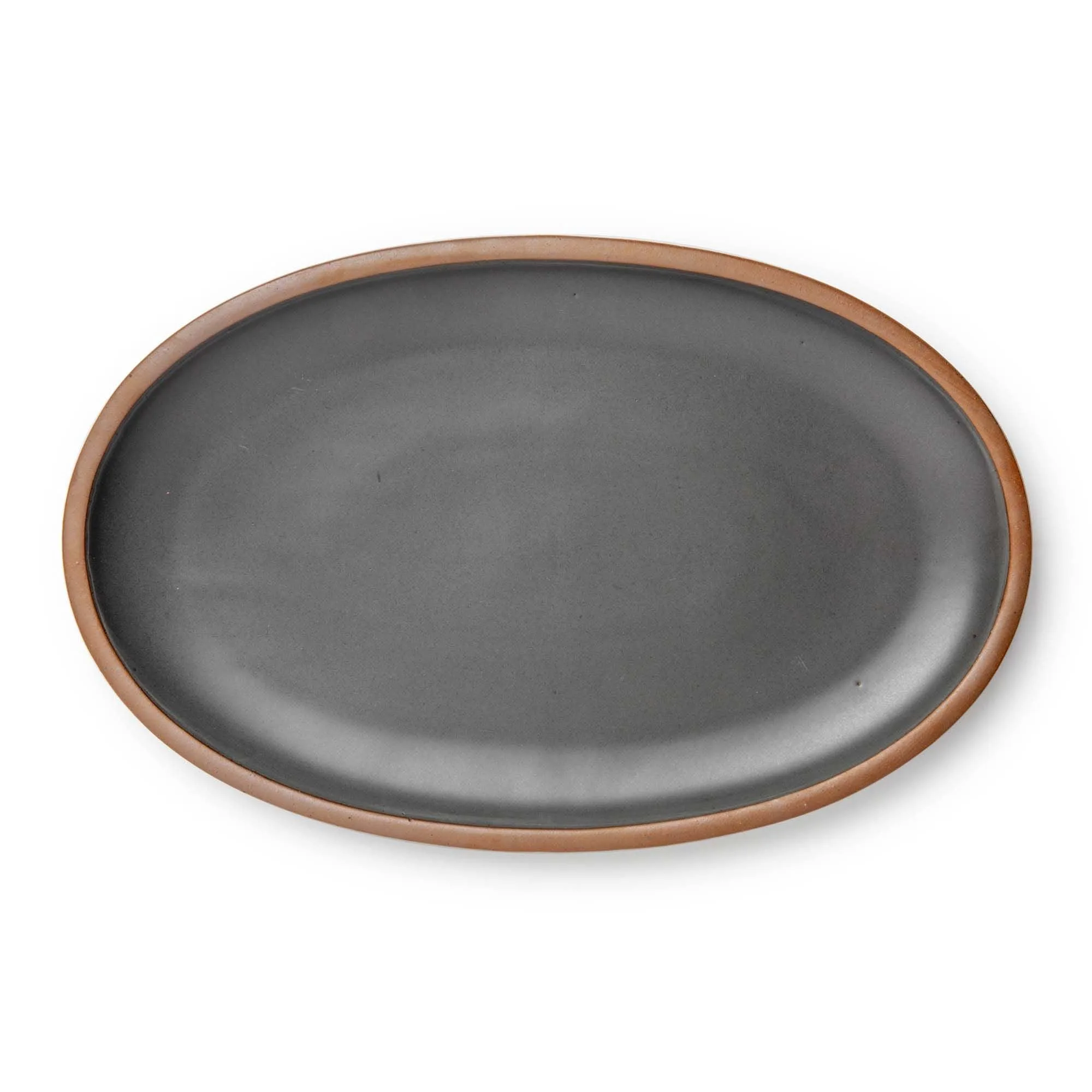
oval platter
- Opt for a platter with a rim to catch any stray crumbs or liquids.
- Consider a wooden or slate board for a contrasting texture against ceramic.
Essential Serving Tools for Cheese and Charcuterie
The right tools make all the difference when assembling and serving a cheese board. A set of quality cheese knives—one for soft cheeses, one for hard cheeses, and a spreader—is a must. For cutting cured meats and slicing baguettes, a sharp, versatile tool like the Japanese Kitchen Scissors can be incredibly handy. These scissors are precision-crafted and comfortable to hold, making them perfect for snipping herbs, cutting cheese labels, or even trimming parchment paper.
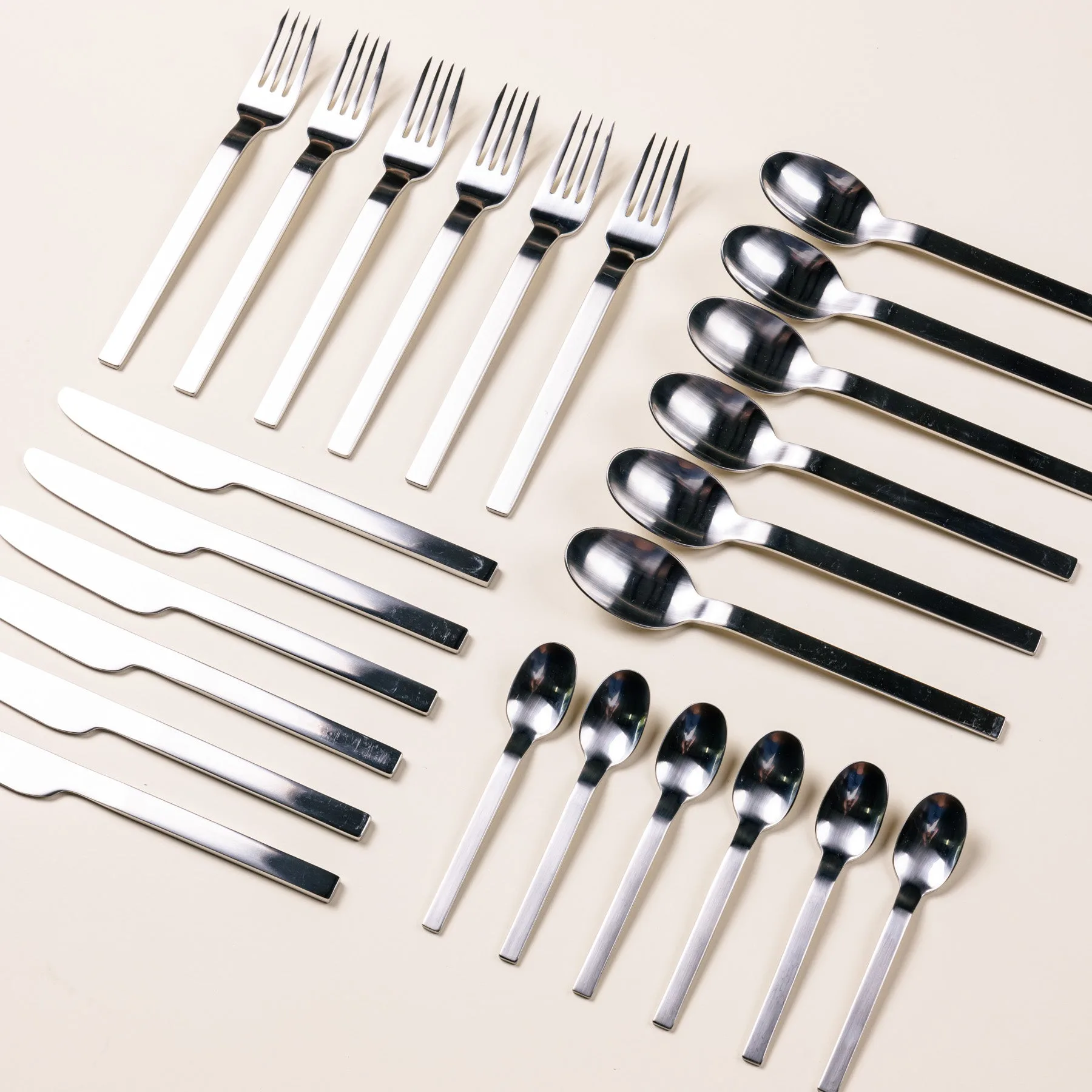
Don't overlook the importance of flatware. A well-chosen set, such as the French Flatware 4pc, adds a touch of sophistication to your board. Use the fork for picking up olives or sliced fruit, and the knife for spreading soft cheeses like brie or goat cheese. Having dedicated serving utensils also keeps your board tidy and prevents cross-contamination between different cheeses.
- Label cheeses with small flags or toothpicks to guide guests.
- Include a small cheese scraper for aged gouda or cheddar.
Incorporating Textiles for Warmth and Style
Table linens are an often-overlooked but crucial element of cheese board presentation. A well-chosen cloth or runner adds color, texture, and a sense of occasion. For a cheese board, consider using a linen napkin or a small table runner beneath the platter to define the serving area and protect your table. The East Fork Pot Holder, while primarily functional, can double as a stylish trivet for a warm bread basket or a small pot of honey.
Textiles also serve practical purposes. Use a cloth napkin to wrap a baguette or to line a basket for crackers. A linen towel can be draped over a cheese dome to keep flies away during outdoor gatherings. Choose colors that complement your cheese board ingredients—earthy greens, warm ochres, or crisp whites—to create a cohesive look.
- Linen or cotton napkins in neutral tones work well with most table settings.
- A patterned runner can add a pop of personality to a simple board.
Arranging Your Cheese Board Like a Pro
Start with the cheeses: place them at room temperature for optimal flavor. Arrange them around the board, leaving space between each type. Add bowls for accompaniments like olives, honey, or jam. Then, fill gaps with cured meats, fresh fruit, nuts, and crackers. The goal is to create a visually balanced spread that invites grazing.
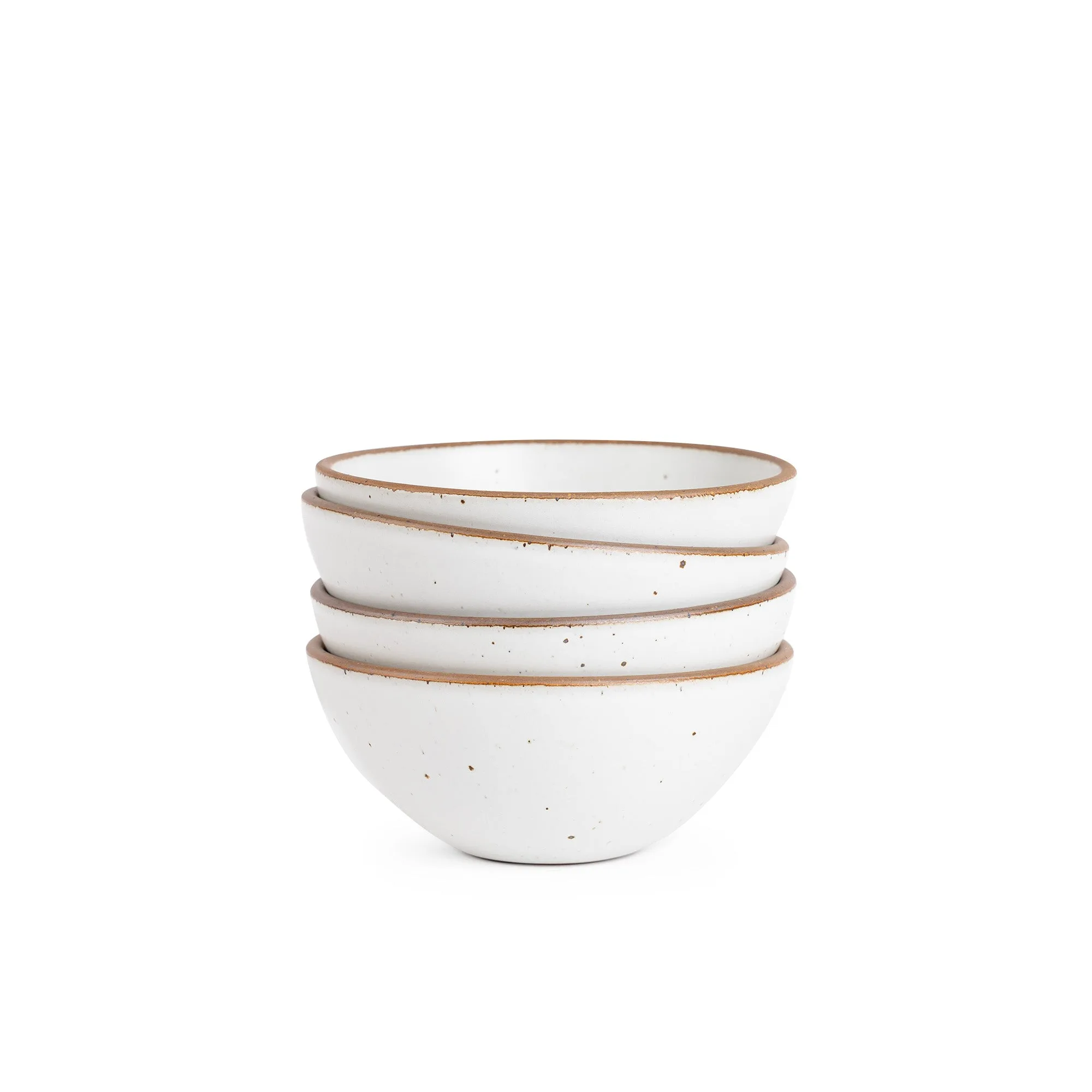
For a cohesive look, group similar colors and textures. Use small ramekins or the East Fork Everyday Bowl for dips and spreads—its versatile size is perfect for holding a dollop of fig jam or a handful of marcona almonds. Finally, garnish with fresh herbs like rosemary or thyme for a pop of green. Remember, a cheese board should look abundant but not cluttered.
- Cut hard cheeses into cubes or thin slices for easy serving.
- Fan out sliced meats in a wave pattern for visual appeal.
Creating a memorable cheese board is all about balancing flavors, textures, and presentation. With the right serving tools, textiles, and a beautiful platter, you can transform a simple snack into a stunning centerpiece. Ready to elevate your next gathering? Explore the East Fork Serving Platter and other handcrafted essentials to build your perfect entertaining set.