Setting a beautiful table is more than just placing plates and forks—it's an art that transforms meals into memorable experiences. Whether you're hosting a formal dinner party or enjoying a casual family meal, the arrangement of dinnerware and flatware sets the tone, reflects your personal style, and enhances the dining experience. In this comprehensive guide, we'll walk you through the essentials of table setting, from basic principles to advanced techniques, and show you how to incorporate thoughtfully designed pieces that elevate every occasion.
Why Table Setting Matters
A well-set table does more than impress guests. It creates a sense of occasion, makes dining more comfortable, and can even improve the flow of a meal. Research shows that the visual appeal of a table setting influences how people perceive the taste and quality of food. Moreover, proper placement of flatware and dinnerware ensures that guests have everything they need within easy reach, reducing interruptions and allowing everyone to focus on conversation and cuisine.
The Foundation: Essential Dinnerware and Flatware
Before diving into arrangement techniques, it's important to understand the core pieces involved. A classic table setting typically includes:
- Dinner plates – The largest plate, used for the main course.
- Salad plates – Smaller plates often placed on top of the dinner plate for starters.
- Bowls – For soups, cereals, or side dishes.
- Flatware – Forks, knives, spoons, and specialty utensils.
- Glassware – Water goblets, wine glasses, and tumblers.
- Napkins – Cloth or paper, folded or placed in rings.
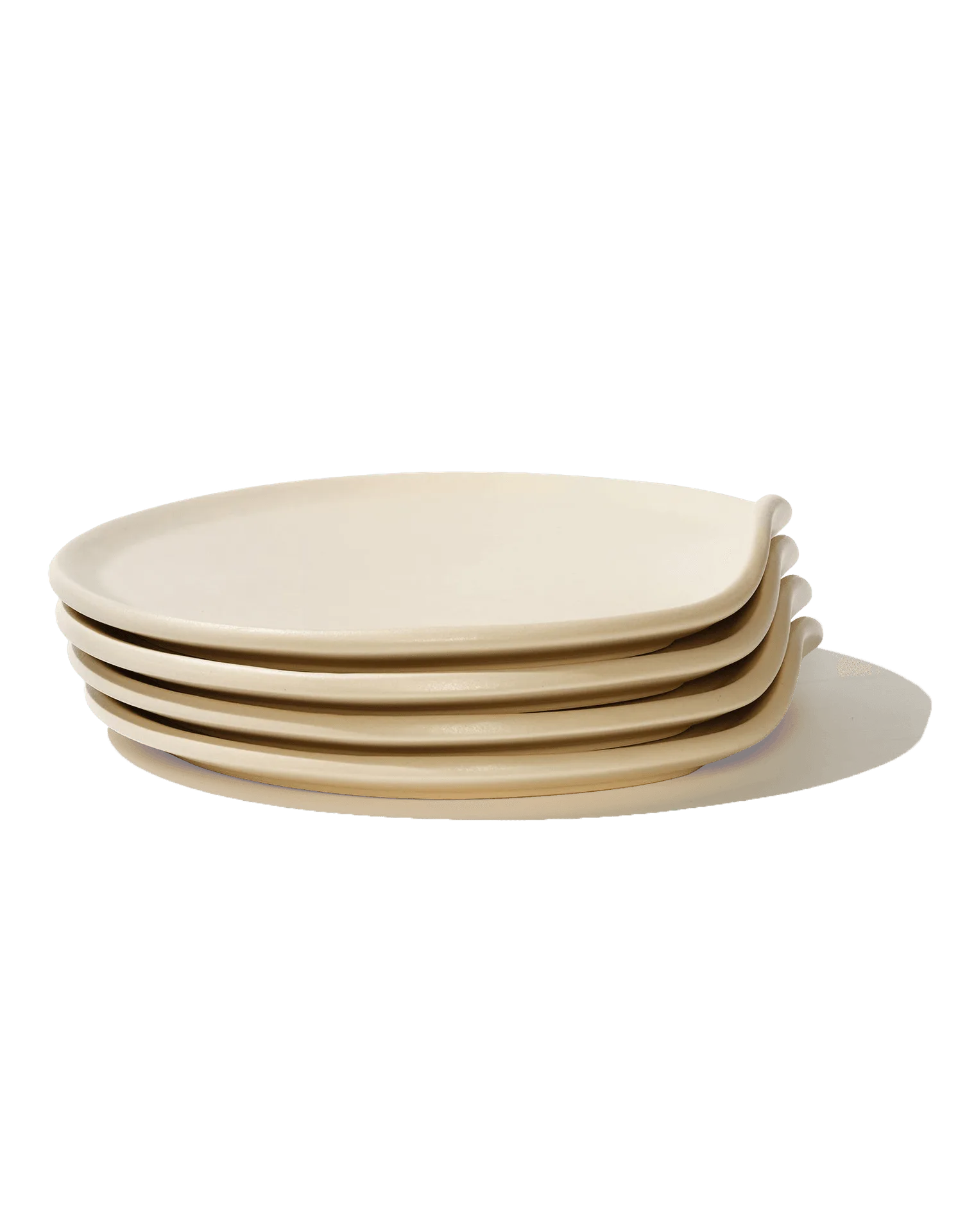
When selecting these items, consider both form and function. For instance, The Goun Set offers a cohesive collection of handmade ceramic plates and bowls that pair beautifully with sleek flatware. Its earthy tones and organic shapes add warmth to any table, while the stackable design makes storage a breeze.
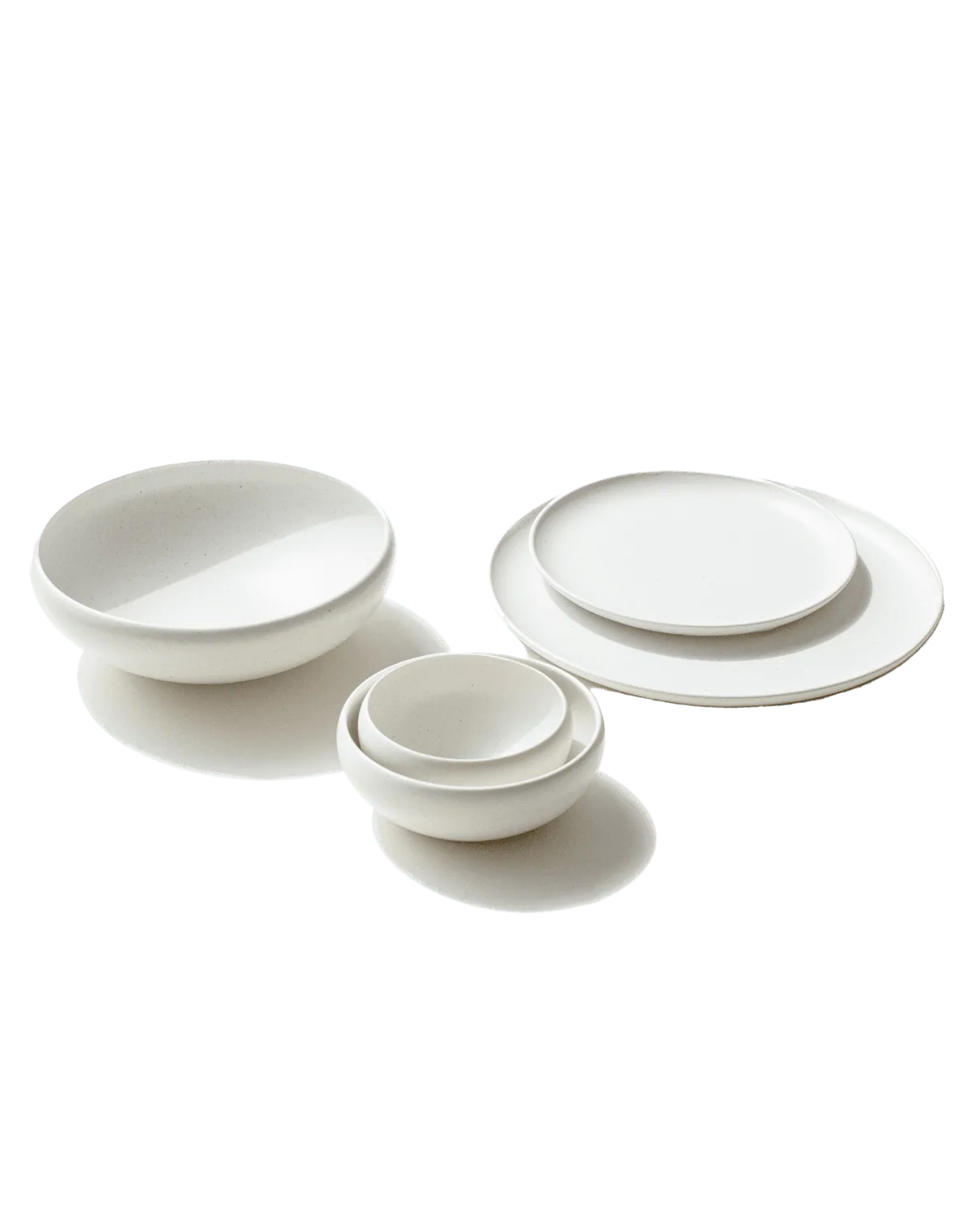
The Goun Set
Formal Table Setting: Step-by-Step
Placement for a Multi-Course Meal
A formal table setting is designed for meals with multiple courses—appetizer, soup, salad, main, and dessert. The key is to arrange pieces in the order they will be used, from the outside in. Here's a classic blueprint:
- Center the dinner plate about an inch from the edge of the table.
- Place the salad plate on top of the dinner plate (or to the left if space allows).
- Position the soup bowl on the salad plate for the first course.
- Arrange flatware from the outside in: salad fork on the far left, dinner fork next, knife blade facing the plate on the right, and soup spoon to the right of the knife.
- Set the dessert fork and spoon horizontally above the dinner plate.
- Place the water glass above the knife tip, followed by wine glasses to the right.
- Fold the napkin to the left of the forks or on the center plate.
For a truly polished look, consider using The Table Knives—a set of handcrafted knives with ergonomic handles that balance elegance with practicality. Their weight and design make them ideal for cutting through proteins and vegetables without slipping.
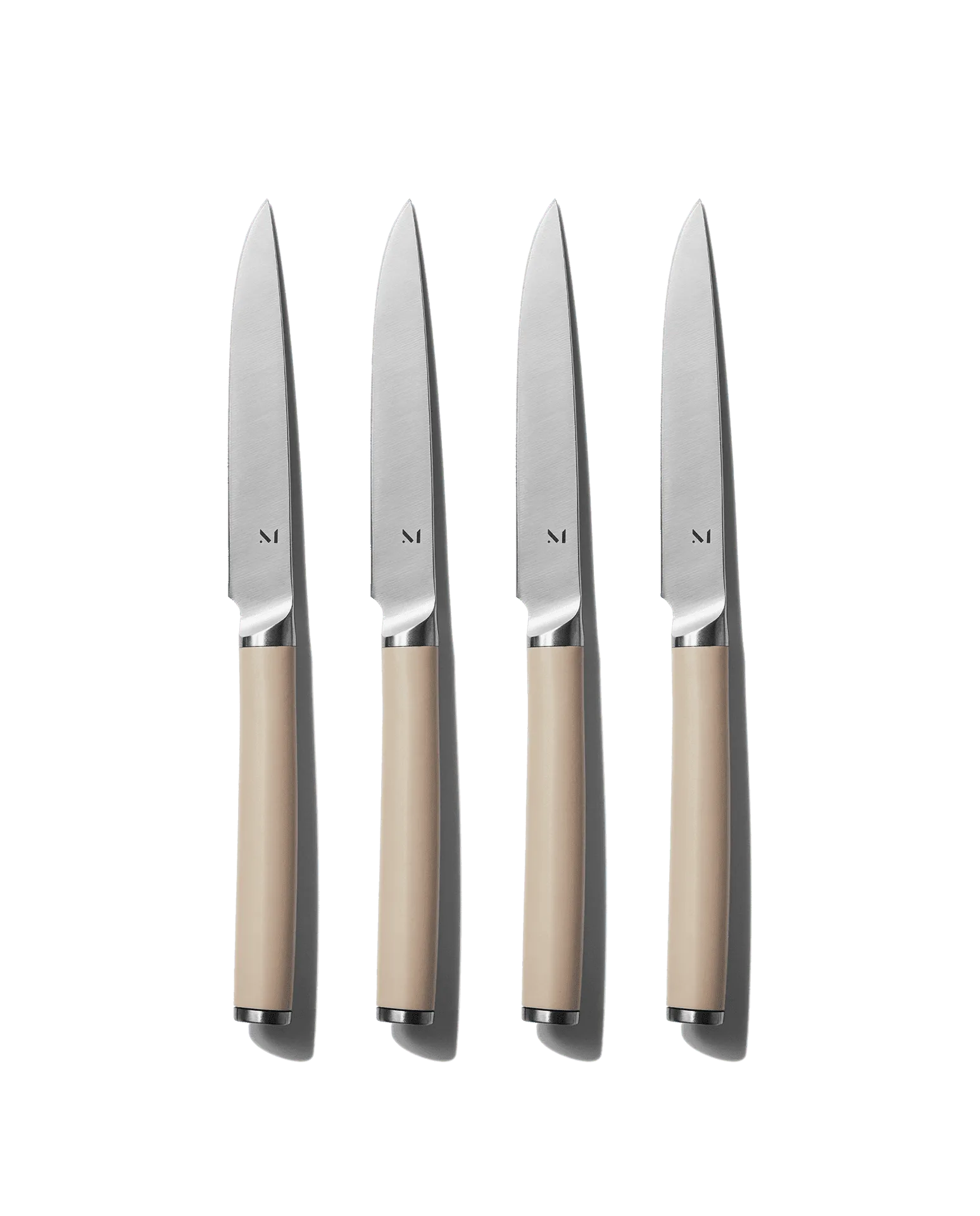
The Table Knives
Casual Table Setting: Simple and Inviting
For everyday meals or relaxed gatherings, a casual table setting is all about ease and comfort. Here's how to create an inviting layout:
- Place a dinner plate at each seat.
- Set a fork to the left, a knife (blade facing inward) and a spoon to the right.
- Position a water glass above the knife tip.
- Fold a napkin under the fork or place it inside the plate.
- Add a small bowl if serving soup, salad, or sides.
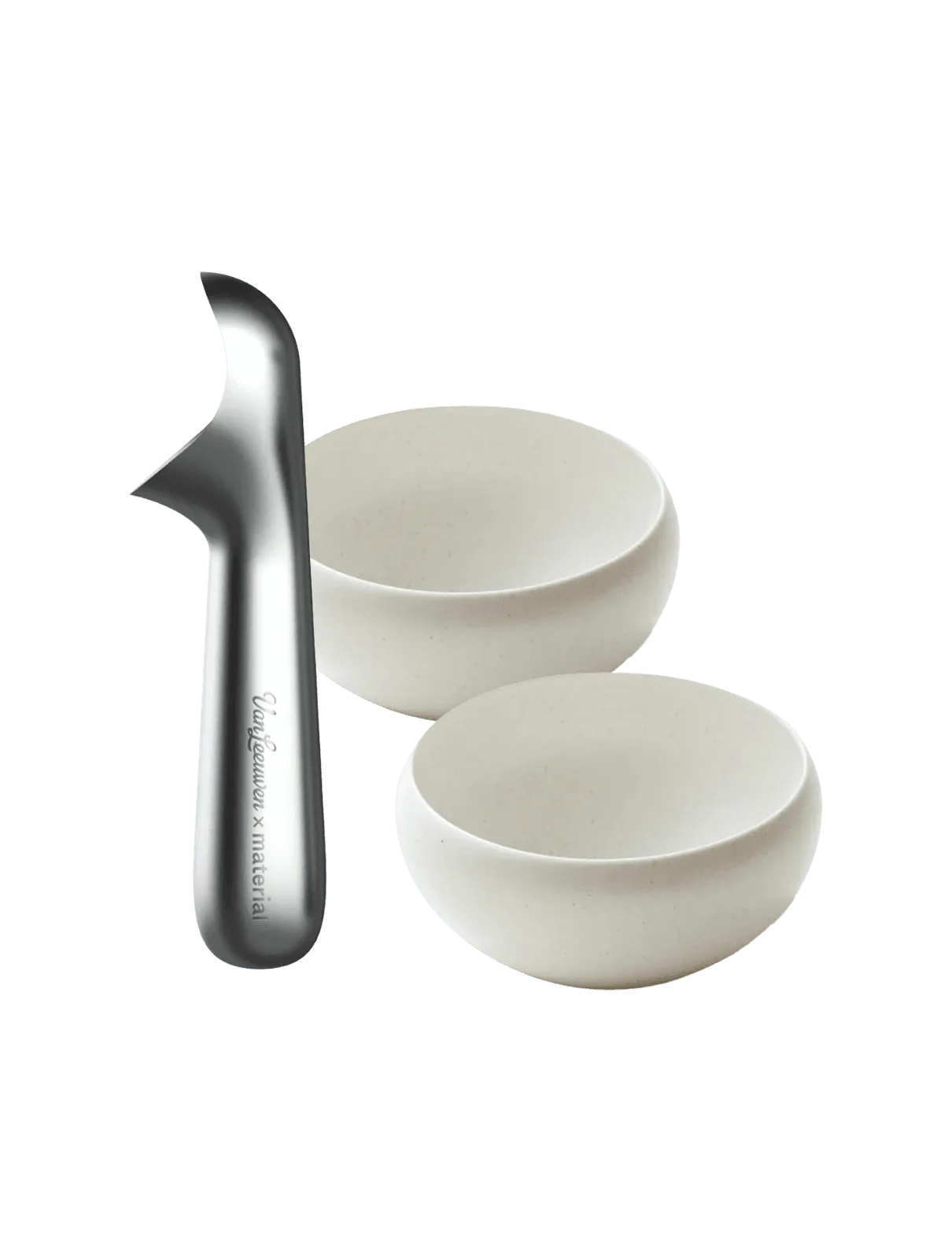
Don't be afraid to mix and match textures and colors. A linen tablecloth, ceramic serving bowls, and wooden boards add character. For instance, using a generous bowl like The Medium Goun Bowl for serving salad or snacks creates a focal point that invites sharing.
Flatware Placement Etiquette
Flatware placement follows a few unspoken rules that stem from tradition and practicality:
Utensil
Placement
Usage Order
Salad fork
Far left
First course
Dinner fork
Next to salad fork
Main course
Dinner knife
Right side, blade facing plate
Main course
Soup spoon
Right of knife
Soup course
Dessert fork/spoon
Above plate, horizontal
Dessert
Remember, the blade of the knife should always face the plate—a sign of respect and a practical courtesy to prevent guests from reaching over sharp edges. When using specialty utensils like a carving knife or cheese knife, place them to the right or bring them out as needed.
Dinnerware Arrangement: Plates, Bowls, and More
Arranging dinnerware is about balancing visual weight and function. Start with the largest piece (the dinner plate) as your anchor, then layer smaller plates and bowls. Here are some tips:
- Stack plates for multi-course meals: salad on dinner, soup on salad.
- Leave space between plates for flatware and glassware.
- Use chargers (large decorative plates) under the dinner plate for formal settings.
- Incorporate varied heights by using stands or risers for serving dishes.
For example, a wooden board like The Midi MK Free Board can double as a serving platter for cheese or appetizers, adding a rustic touch to the table. Its smooth, oiled surface is both functional and visually appealing.
Seasonal and Themed Table Settings
One of the joys of table setting is adapting it to the season or occasion. For autumn dinners, incorporate warm earth tones and natural elements like acorns or dried leaves. For summer brunches, use bright linens and fresh flowers. Holiday tables might feature gold accents and candlelight. Always let the menu guide your choices—if serving a hearty stew, focus on sturdy bowls and large spoons; if hosting a wine tasting, prioritize glassware and small plates.
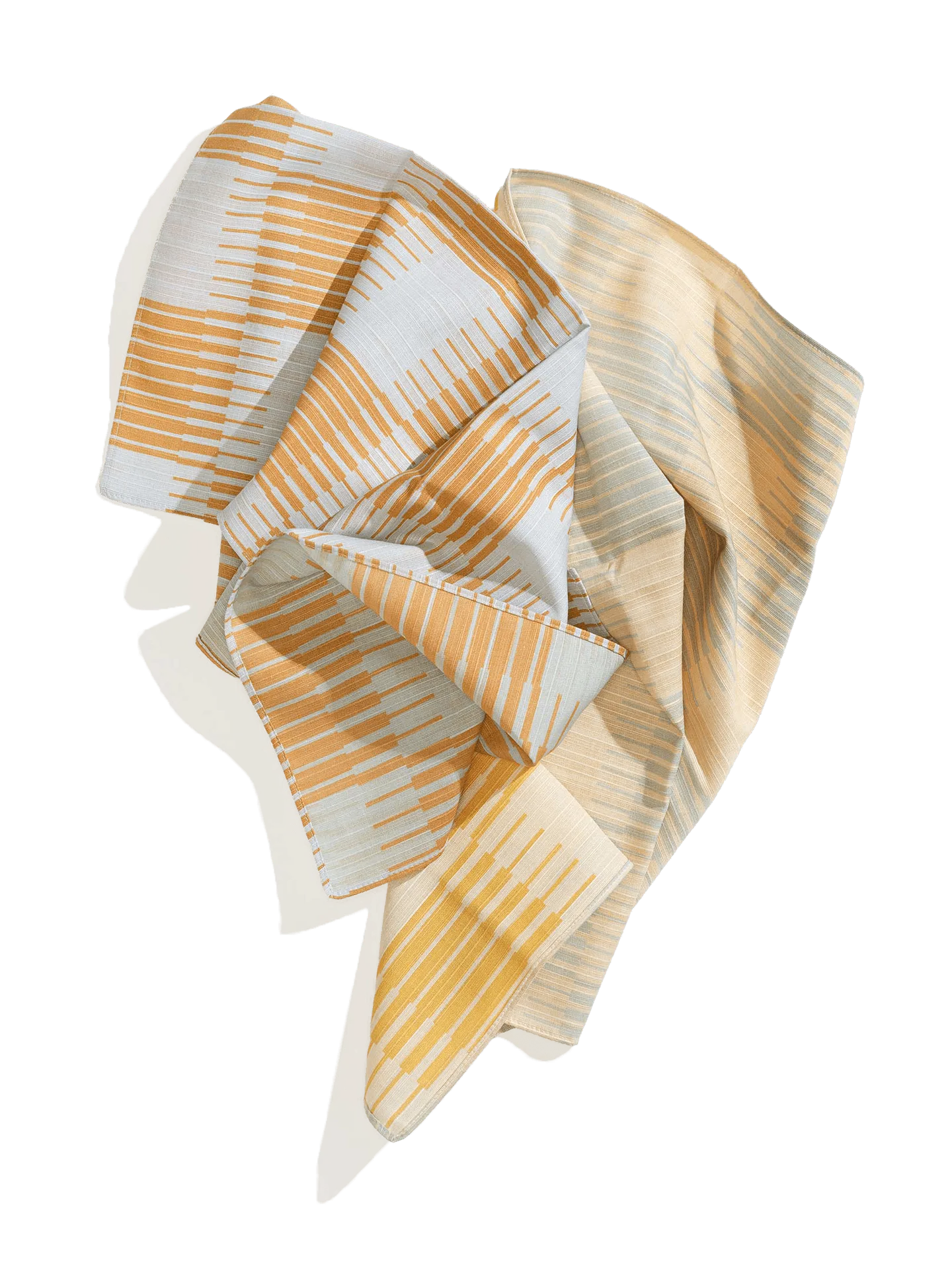
Napkins can also play a role. For casual meals, simple folds or even a loose knot work well. For formal events, consider classic folds like the bishop's mitre or the fan. Cloth napkins in seasonal colors, such as the Dinner Napkins Double Sided Grid - High Season, offer a reversible design that adapts to any palette. Their double-sided grid pattern adds subtle texture without overpowering the table.
Common Mistakes to Avoid
Even seasoned hosts make errors. Here are the most common pitfalls:
- Overcrowding the table – Leave room for plates, elbows, and conversation.
- Inconsistent spacing – Ensure each place setting is equidistant for symmetry.
- Wrong flatware orientation – Always face the knife blade toward the plate and forks tines up.
- Ignoring lighting – Candlelight or soft lamps enhance the ambiance.
- Forgetting the little details – A salt cellar, butter dish, or a small vase of flowers completes the scene.
How to Create a Cohesive Look
A cohesive table setting ties all elements together through color, material, or theme. Start with a neutral base—white or cream plates—and build around it with colorful napkins, textured linens, and statement pieces like a unique centerpiece. Repeating a single material (e.g., wood or ceramic) across different items creates harmony. For example, pairing ceramic bowls with a wooden board and linen napkins gives a natural, organic feel.
Don't be afraid to mix modern and vintage. A sleek, minimalist flatware set can contrast beautifully with handcrafted pottery. The key is to maintain a consistent level of formality. If you're using high-end dinnerware, keep the rest of the table refined; if the meal is casual, let imperfections and personality shine through.
Final Thoughts
Mastering the art of table setting is a skill that grows with practice. Whether you're arranging a formal five-course dinner or a simple Sunday brunch, the principles of symmetry, functionality, and personal expression remain the same. By investing in quality pieces and taking the time to set the scene, you create an environment where food and company can truly shine.
Ready to elevate your next gathering? Explore our curated collection of dinnerware and flatware to find pieces that inspire your table. From handmade bowls to artisan knives, every item is designed with both beauty and durability in mind. Start with the The Goun Set for a complete, harmonious foundation, then add accent pieces like The Table Knives to bring sophistication to every meal.