Baby strollers have come a long way since their invention in the 18th century. What began as a simple, ornate carriage for wealthy families has transformed into a sophisticated piece of baby gear designed for safety, comfort, and convenience. Understanding the evolution of baby strollers not only gives us a glimpse into parenting history but also highlights the incredible innovations that make modern strollers so essential for today's families.
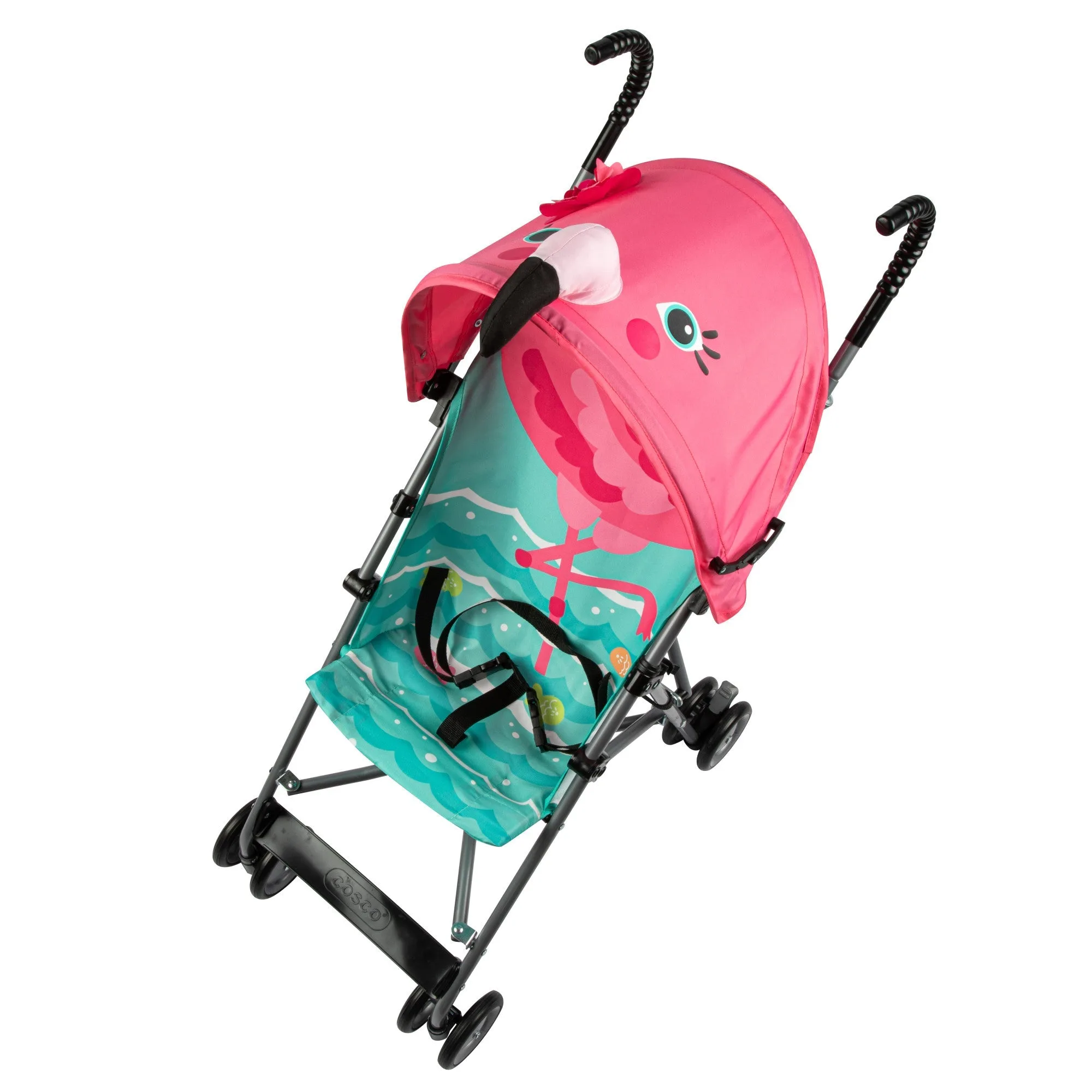
From the heavy, horse-drawn prams of the Victorian era to the lightweight, foldable designs of the 21st century, the stroller has adapted to changing lifestyles, urban environments, and safety standards. In this article, we'll trace the key milestones in stroller history and explore how modern models, such as the Character Umbrella Stroller and the Umbrella stroller with Canopy (no window) - Little Fletcher, embody the best of contemporary design and functionality.
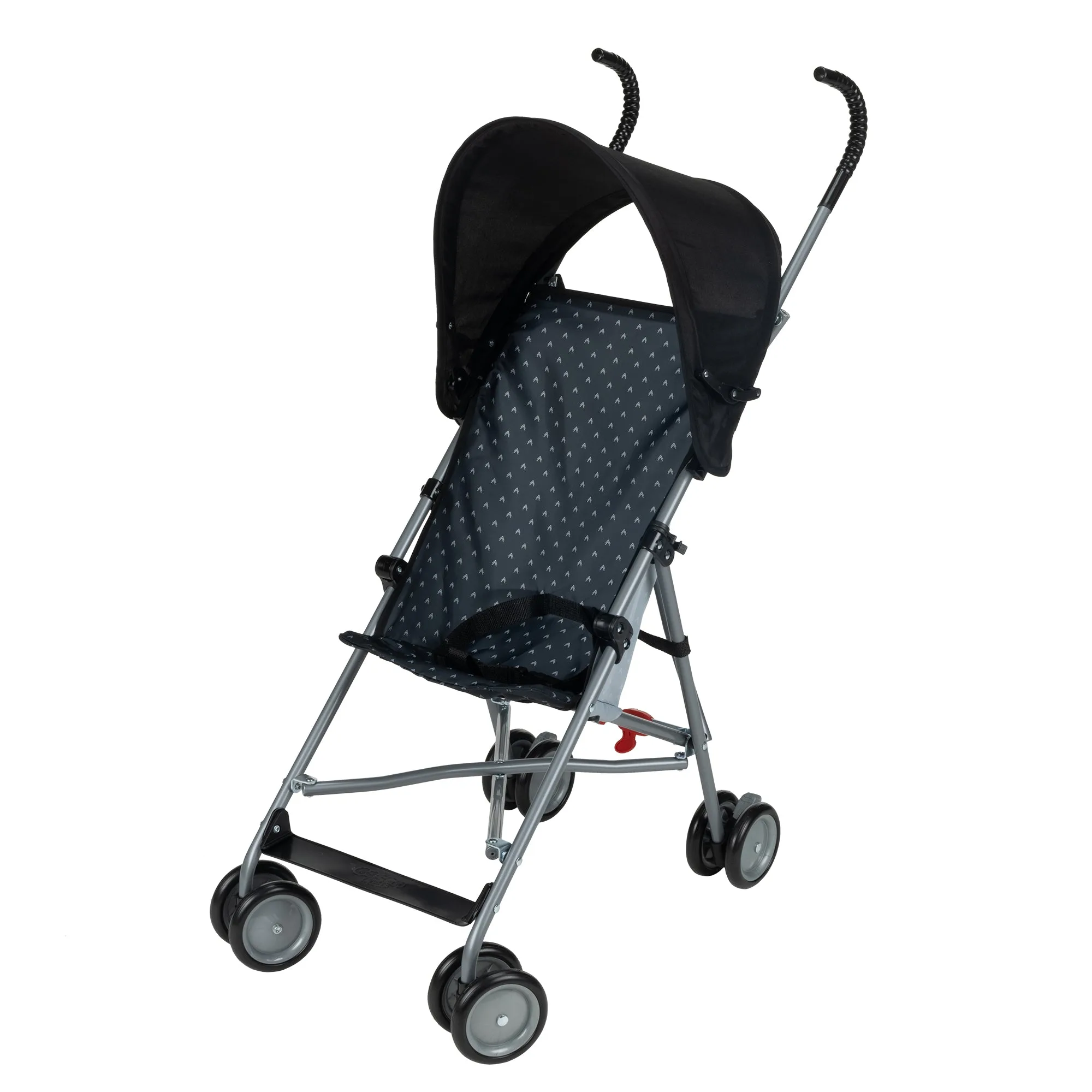
Umbrella stroller with Canopy (no window) - Little Fletcher
The Birth of the Baby Carriage: 18th Century Origins
The first baby carriage was invented in 1733 by English architect William Kent. He designed a miniature, horse-drawn carriage for the Duke of Devonshire's children, complete with elaborate decorations and a shell-shaped body. However, these early prams were heavy, expensive, and required a pony or a servant to pull them, making them accessible only to the wealthy elite.
Throughout the 19th century, improvements such as springs, brakes, and adjustable handles were introduced. By the 1850s, the term 'perambulator' became common, and strollers began to appear in public parks. These vintage strollers were often made of wicker, wood, and metal, and they lacked the safety harnesses and folding mechanisms we take for granted today.
The 20th Century: From Prams to Practical Strollers
The 1900s brought major changes to stroller design. In the 1920s, the first collapsible stroller was patented, making storage easier. After World War II, materials like aluminum and plastic replaced heavy wood and steel, reducing weight and cost. In 1965, an American engineer named Owen Maclaren revolutionized the industry by inventing the umbrella stroller, a lightweight, foldable design inspired by the frame of an aircraft seat.
This innovation paved the way for modern travel strollers that could be easily carried on buses, trains, and airplanes. By the 1980s and 1990s, strollers featured improved brakes, five-point harnesses, and larger canopies for sun protection. Brands began offering models with adjustable recline, storage baskets, and parent trays, making outings more convenient.
- The umbrella stroller remains one of the most popular stroller types for quick trips and travel due to its lightweight and compact fold.
Modern Innovations: Safety, Comfort, and Convenience
Today's baby strollers are engineered with advanced safety features, including multi-position recline, shock-absorbing wheels, and easy-to-use harness systems. Many models are designed to grow with your child, converting from a toddler stroller to an infant travel system. The focus has shifted to versatility, with strollers that can handle everything from city sidewalks to off-road trails.
Modern strollers also prioritize parent convenience. Features like one-hand fold, adjustable handlebars, and large storage baskets make daily use effortless. For example, the Character Umbrella Stroller offers a lightweight, easy-to-fold design perfect for on-the-go families, while the Umbrella stroller with Canopy (no window) - Little Fletcher provides added sun protection for your little one. These models represent the culmination of centuries of innovation, combining portability with essential comfort features.
- Look for strollers with a five-point harness, a large canopy, and a sturdy frame for maximum safety and durability.
The Future of Baby Strollers: What's Next?
As technology continues to evolve, so will baby strollers. We're already seeing prototypes with smart features like built-in sensors to monitor temperature, automatic braking systems, and even self-folding mechanisms. Sustainability is also becoming a priority, with manufacturers exploring eco-friendly materials and production methods.
While vintage strollers hold a nostalgic charm, modern parents demand gear that simplifies their busy lives. The key trends for the future include even lighter frames, improved maneuverability, and integrated technology that enhances safety and convenience. Whether you prefer a classic umbrella stroller or a high-tech travel system, the evolution of baby strollers ensures there's a perfect option for every family.
From the ornate prams of the 18th century to the sleek, functional designs of today, baby strollers have undergone a remarkable transformation. Modern strollers like the Character Umbrella Stroller and the Umbrella stroller with Canopy (no window) - Little Fletcher offer the perfect blend of portability, safety, and comfort. As you choose the right stroller for your family, remember that each model carries forward a legacy of innovation designed to make parenting a little easier.