Keeping your lunch cold until noon can be a challenge, especially when you rely on flimsy ice packs that thaw too quickly or leak. Enter the W&P Ice Box: a reusable, eco-friendly ice pack designed to fit seamlessly into your lunch routine. But even the best ice pack needs a little know-how to perform at its peak. In this guide, we'll share actionable tips to maximize cooling efficiency, extend the life of your Ice Box, and ensure your food stays fresh and safe.
Whether you're packing a salad, leftovers, or a bento-style meal, these strategies will help you get the most out of your reusable ice pack. From pre-chilling techniques to proper placement, you'll learn how to keep your lunch cold longer without adding bulk or waste.
Pre-Chill Your Lunch Container and Ice Box
One of the simplest ways to boost cooling efficiency is to start cold. Before you pack your lunch, place your empty lunch container and the W&P Ice Box in the refrigerator or freezer overnight. This pre-chilling step means the ice pack doesn't have to work as hard to bring down the temperature of a warm container. The result? Your food stays colder for hours longer.
If you're short on time, even 30 minutes in the freezer can make a noticeable difference. For best results, keep a few Ice Boxes in the freezer so they're always ready to go. This habit also helps your ice pack last longer, as it reduces the thermal shock of going from room temperature to freezer repeatedly.
- Store your Ice Box flat in the freezer to ensure even freezing.
- Use a dedicated freezer bag to keep your Ice Box clean and ready.
Optimal Placement in Your Lunch Bag
Where you place the Ice Box inside your lunch bag matters more than you think. For maximum cooling, position the ice pack directly on top of your food, not at the bottom. Cold air sinks, so placing the ice pack above your meal creates a natural convection current that keeps the entire contents chilled. If your lunch bag has multiple compartments, put the Ice Box in the main compartment with the most perishable items.
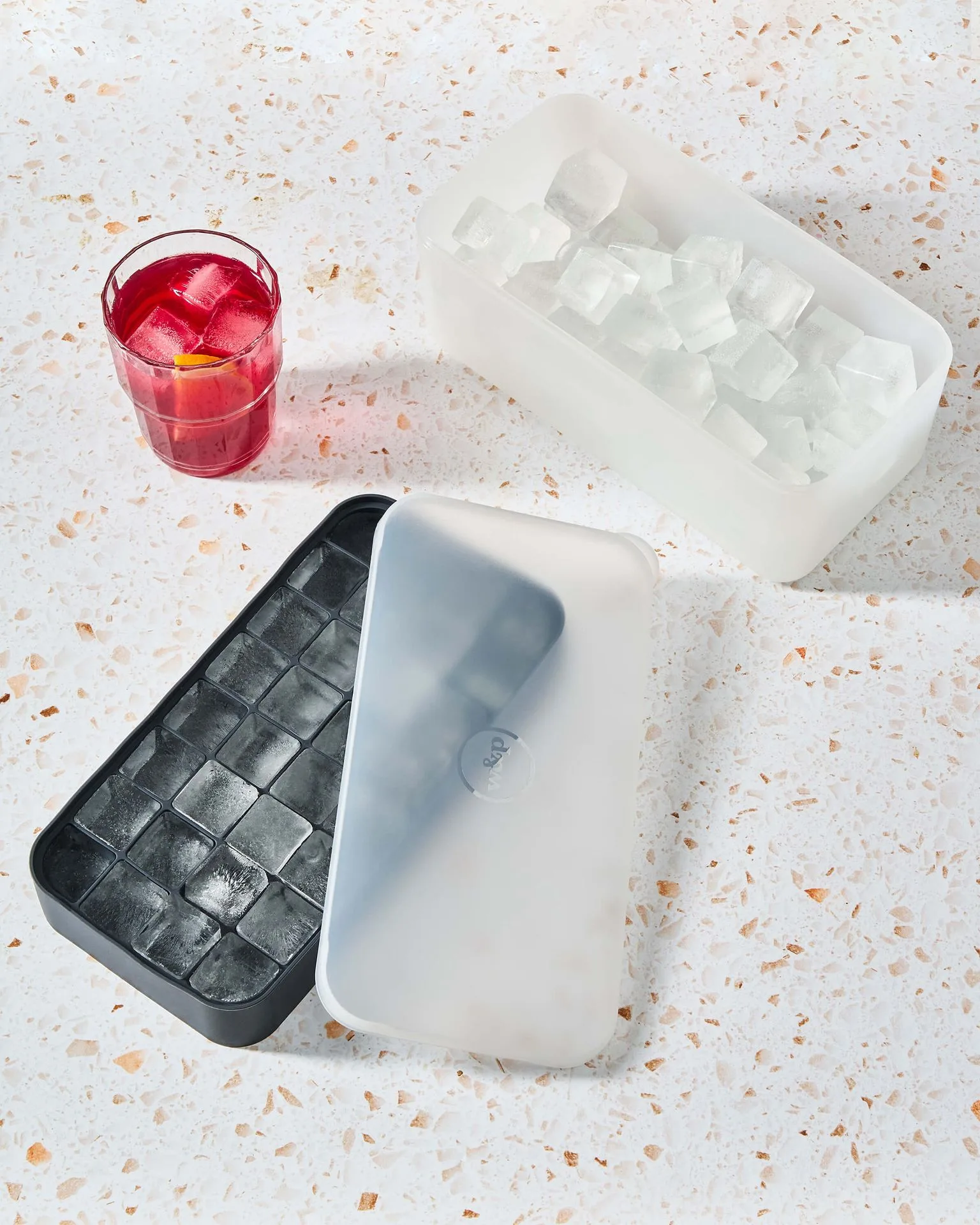
the Ice Box
Another pro tip: use the Ice Box as a barrier between warm and cold items. For example, if you're packing a warm soup in a thermos and a cold salad, place the Ice Box between them to prevent heat transfer. This technique is especially useful when using the W&P Reusable Stand-Up Bag for snacks or sides, as it helps maintain separate temperature zones.
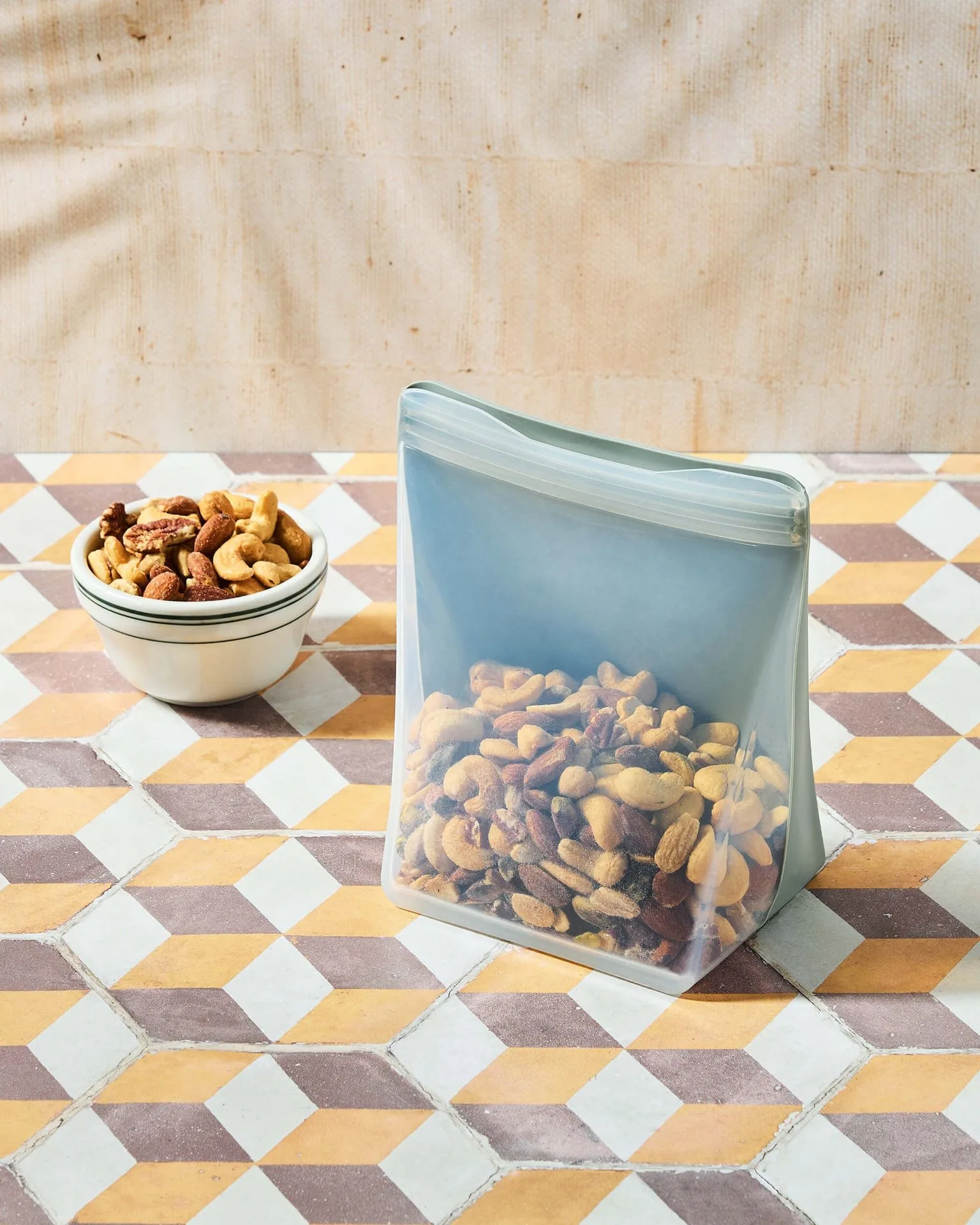
Reusable Stand-Up Bag
- Avoid placing the Ice Box against the outer walls of an insulated bag; center it for even cooling.
- For bento-style lunches, cut the Ice Box to fit around containers if needed (it's flexible when frozen).
Proper Care and Maintenance for Longevity
To keep your Ice Box performing at its best, rinse it with cool water and mild soap after each use. Avoid using abrasive sponges or harsh detergents, as they can damage the outer film. Allow it to air dry completely before returning it to the freezer. If you notice any cracks or leaks, it's time to replace it—a damaged ice pack can compromise food safety.
For stubborn odors, soak the Ice Box in a solution of baking soda and water for 15 minutes, then rinse. Never microwave or boil the Ice Box, as this can cause the gel to expand and burst. With proper care, your W&P Ice Box can last for years, reducing the need for disposable ice packs and saving you money.
- Store your Ice Box flat in the freezer to prevent warping.
- Label your Ice Box with the date to track how long it's been in use.
By following these simple tips, you can maximize the cooling efficiency of your W&P Ice Box, keep your lunches cold longer, and reduce reliance on single-use plastic. Pair it with other reusable essentials like the W&P Reusable Stretch Wrap for a complete eco-friendly lunch kit. Ready to upgrade your lunch game? Check out the W&P Ice Box and start packing smarter today.