Quick answer
Read The Interior Castle slowly, one mansion at a time, with a short opening prayer and a notebook beside you. Aim for a few pages per sitting rather than chapters in one go, and treat the later mansions as material to revisit, not to master on a first pass.
Why this book rewards a slower pace than most spiritual reading
St. Teresa of Jesus, also known as St. Teresa of Avila, wrote The Interior Castle as a description of the road by which she was led, while acknowledging that others may be led in a different way. That line is your permission slip: you are not expected to match her experience point for point, only to follow the map she draws.
Because the book is a sustained teaching on prayer rather than a collection of short devotions, it works best as a weeks-long companion. Rushing through the mansions tends to produce either confusion or a vague sense of failure. Slowing down lets the earlier mansions do their work before you reach the ones that describe more advanced prayer.
The trade-off: depth versus momentum
A slow read protects comprehension but can stall. If you find yourself stuck in one mansion for weeks, that is a signal to keep moving and mark the passage to return to, not to restart. The book is designed to be reread; many readers get more from the fourth through seventh mansions on a second pass than on the first.
If you are reading as part of a group or a Catholic classics reading plan, agree on a pace that leaves room for one rest day each week. Groups that assign a mansion per meeting often skim the middle sections, which is where Teresa's practical advice on distractions and dryness is concentrated.
How to read The Interior Castle: a seven-step plan
- Set a realistic schedule before page one: Decide how many days per week you will read and how many pages per sitting, then write it down. A common mistake is choosing a chapter-per-day plan that collapses in the second week; a few pages, four or five days a week, is more sustainable. If your plan has no rest day, cut it back now rather than after you fall behind.
- Begin each session with a short prayer: Open with a brief prayer asking for attention, then read. Teresa is describing prayer, so reading her without praying tends to turn the book into theology rather than guidance. Checkpoint: if you finish a session and never paused to pray, you read about the castle instead of entering it.
- Read the first mansion as a diagnostic, not a hurdle: The early mansions describe the beginning of the prayer life. Read them asking, 'Where am I in this description?' rather than 'How do I get past this?' A common mistake is treating the first mansions as material to graduate from; they are the foundation the rest of the book assumes. Note one sentence from the first mansion that describes your current prayer honestly.
- Keep a running list of questions instead of stopping to resolve them: When a passage confuses you, write the question in the margin or notebook and keep reading. Teresa often clarifies an idea several mansions later. Checkpoint: if you have more than a page of unresolved questions by the fourth mansion, that is the moment to consult a commentary or a knowledgeable friend, not before.
- Slow down at the fourth mansion: The middle of the book shifts from description to more advanced prayer, and this is where most first-time readers either quit or skim. Reduce your page count per sitting here rather than increasing it. A common mistake is pushing through to 'finish' and losing the distinctions Teresa is carefully making. If you feel lost in the middle, reread the previous session's pages before continuing.
- Read the final mansions as invitation, not examination: The later mansions describe union with God. Read them without measuring yourself against them; Teresa herself insists that souls are led in different ways. Checkpoint: if the last mansions leave you discouraged rather than hopeful, return to the earlier ones and read forward again more slowly.
- Close with a short written review and a plan to reread: After the final page, write three sentences: what you understood better, what remains unclear, and which mansion you want to revisit. Then set a date to reread that section within the next few months. A common mistake is closing the book and never returning, which wastes the rereading the text is built for. Schedule the reread date now, while the book is still in your hands.
The edition in this guide
-
The Interior Castle: The Interior Castle by St. Teresa of Jesus presents her teaching on prayer, developed over more than four hundred years of Christian spiritual reading. That long reception history means you are reading a text many others have navigated before you, so a slow, guided first read is a well-worn path rather than an experiment.
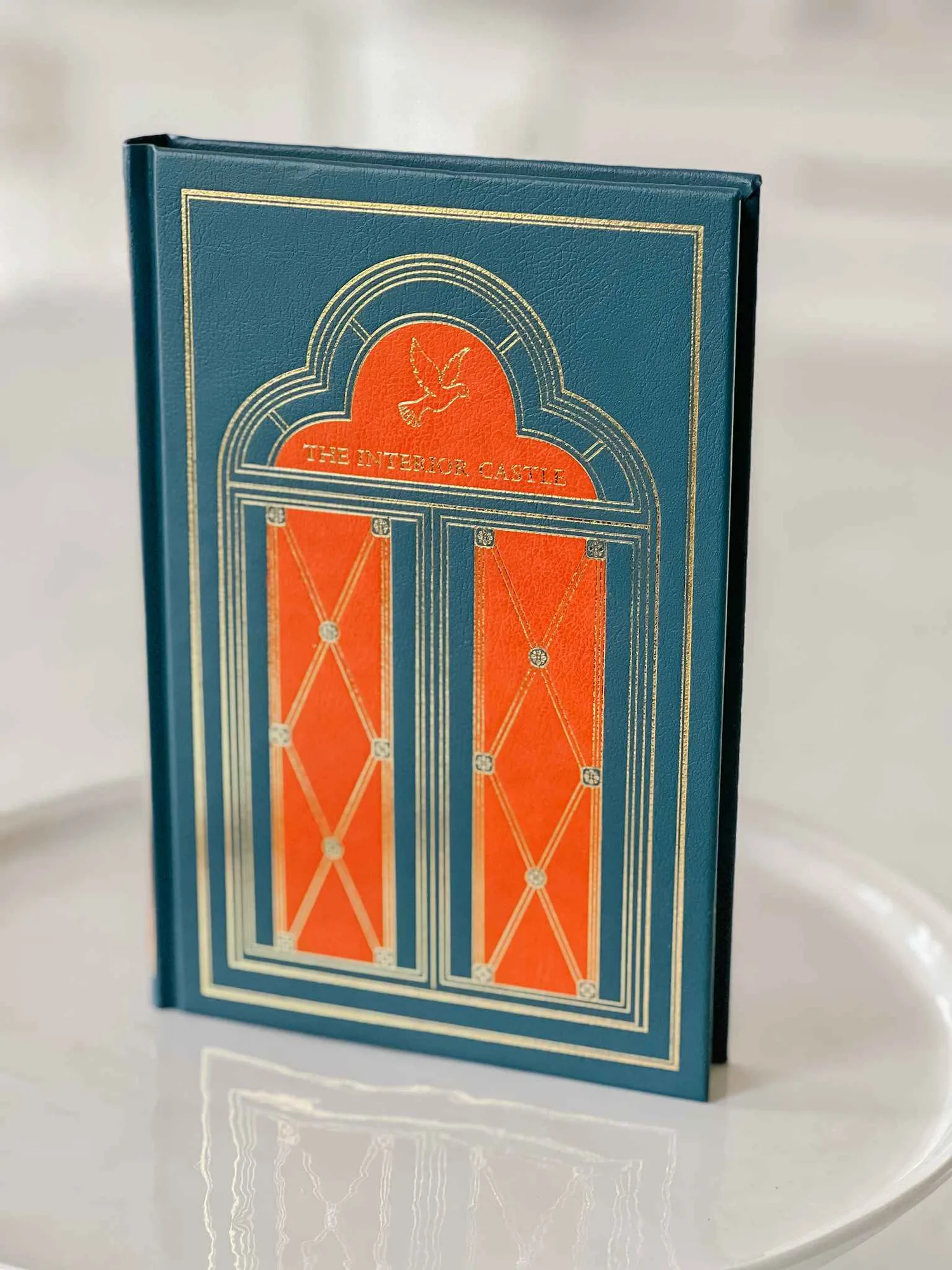
The Interior Castle