What You're Getting Into
The Obsidian puts you in command of a mercenary army. You've risen to power as its new leader, and your job is to fight—and win—a war for King Hauora against Duke Ewilhem. You're true to your soldiers and your client, but the pages hide traitors and ambushes, so you'll need to rely on your scouts, archers, and cavalry.
This is a Graphic Novel Adventure, a solo gamebook-style experience where your choices drive the story. The supplied product information describes the premise and the units at your disposal, but it does not include a step-by-step rulebook, page counts, or a required play procedure. The guidance below focuses on how to approach the campaign using the details that are provided, without inventing rules or outcomes.
The Obsidian at a Glance
-
The Obsidian: In The Obsidian, you have risen to power as the new leader of a mercenary army. This is your role from the start: you're not a lone adventurer but a commander responsible for a force.
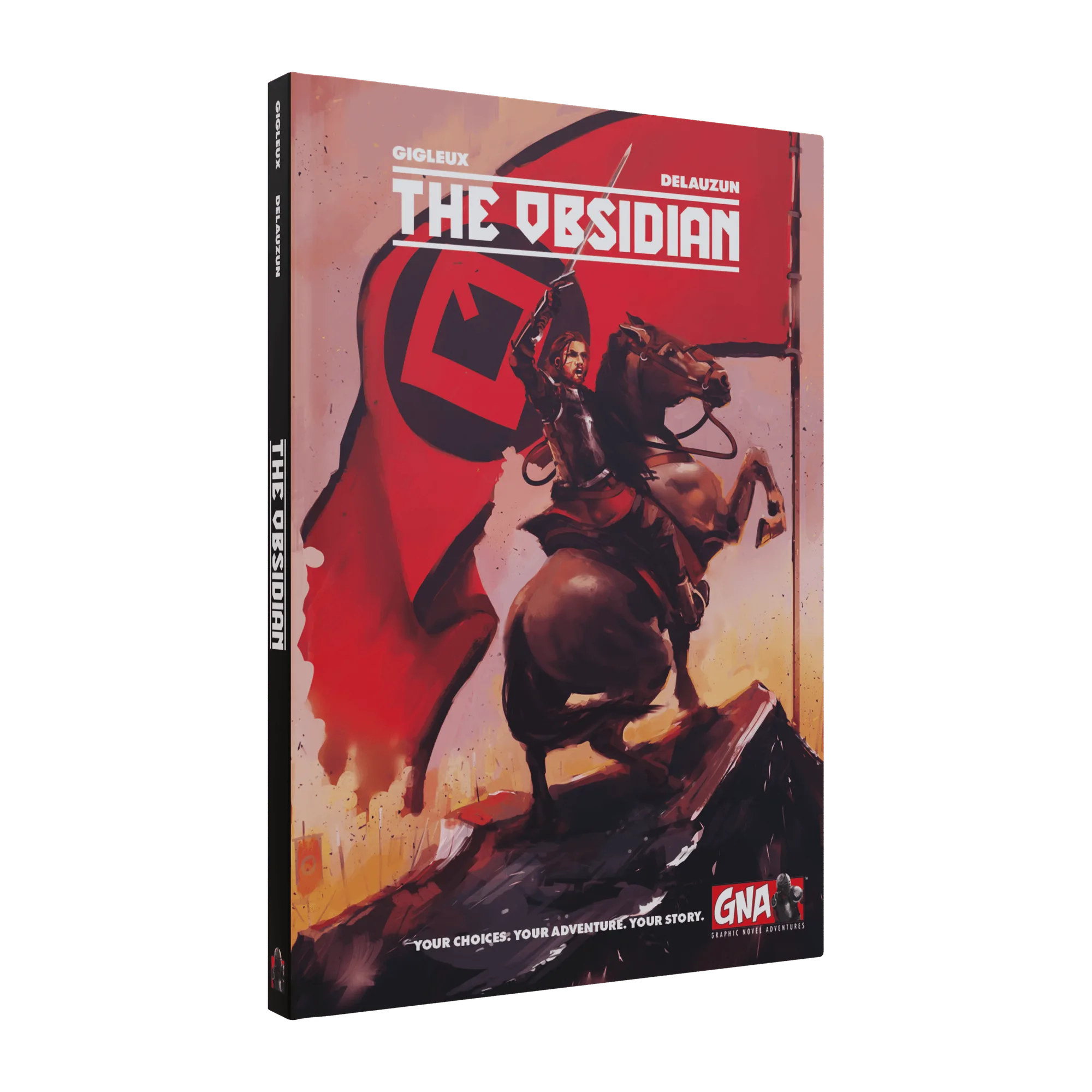
The Obsidian
-
The Obsidian: You and your trusted lieutenants must fight—and win—a war for King Hauora against Duke Ewilhem. The central objective is clear: win the war for King Hauora. Your lieutenants are part of your command structure.
-
The Obsidian: Look out, there are traitors and ambushes hidden in the pages, so make sure to rely on your scouts, archers, and cavalry. The game warns you directly: hidden threats exist, and your three unit types are the tools you're told to rely on.
How to Play The Obsidian: A Practical Approach
Because the supplied information does not include a formal setup sequence or turn structure, treat these as reading and decision habits rather than official rules. They're built from the product description's own emphasis on lieutenants, hidden threats, and unit types.
- Start by reviewing your command: You begin as the new leader of a mercenary army with trusted lieutenants. Before you make choices, note who your lieutenants are and what role they play in the story. The description treats them as essential to fighting and winning the war.
- Read for hidden threats: The product explicitly warns that traitors and ambushes are hidden in the pages. Slow down at decision points and look for clues in the text before committing to a path. This is a reading habit, not a game mechanic we can confirm.
- Lean on your unit types: The description says to rely on your scouts, archers, and cavalry. When a choice involves gathering information, fighting at range, or moving quickly, consider which unit fits the situation. The supplied information does not specify how each unit functions mechanically, so use the story's context to guide you.
- Keep the war aim in view: Your objective is to win the war for King Hauora against Duke Ewilhem. When you face a tradeoff, ask which option moves you closer to that goal. The game may present setbacks, but the stated aim stays the same.
Graphic Novel Adventures Tips for The Obsidian
These tips apply to the reading-and-choosing style of Graphic Novel Adventures and are grounded in the supplied description of The Obsidian.
- Treat ambushes as a reading cue: The game tells you ambushes are hidden in the pages. That's a signal to pay attention to wording that might foreshadow danger, rather than rushing ahead.
- Use scouts to avoid surprises: Scouts are one of the three unit types the description says to rely on. In a war story with hidden traitors, information matters. When a choice involves scouting or gathering intelligence, that's your natural fit.
- Match archers and cavalry to the moment: Archers and cavalry are the other two named units. The description doesn't spell out their mechanics, so let the scene guide you: ranged support and mobility are common roles for such units in war fiction.
- Stay loyal to your soldiers and client: The description says you're true to your soldiers and your client. That's a characterization you can use to guide role-play choices, especially when traitors or divided loyalties come into play.
What the Supplied Information Doesn't Cover
The product record for The Obsidian does not include a rulebook, page count, play time, number of players, recommended age, or a list of components. It also doesn't specify how combat, unit selection, or branching choices work mechanically. If you need those details before buying or playing, check the physical book or the publisher's official rules—this guide sticks to what the catalog provides.
That said, the core premise is clear enough to start: you command a mercenary army, you have lieutenants and three unit types, and you're trying to win a war while watching for hidden traitors and ambushes. Use the story's own cues to make your choices.