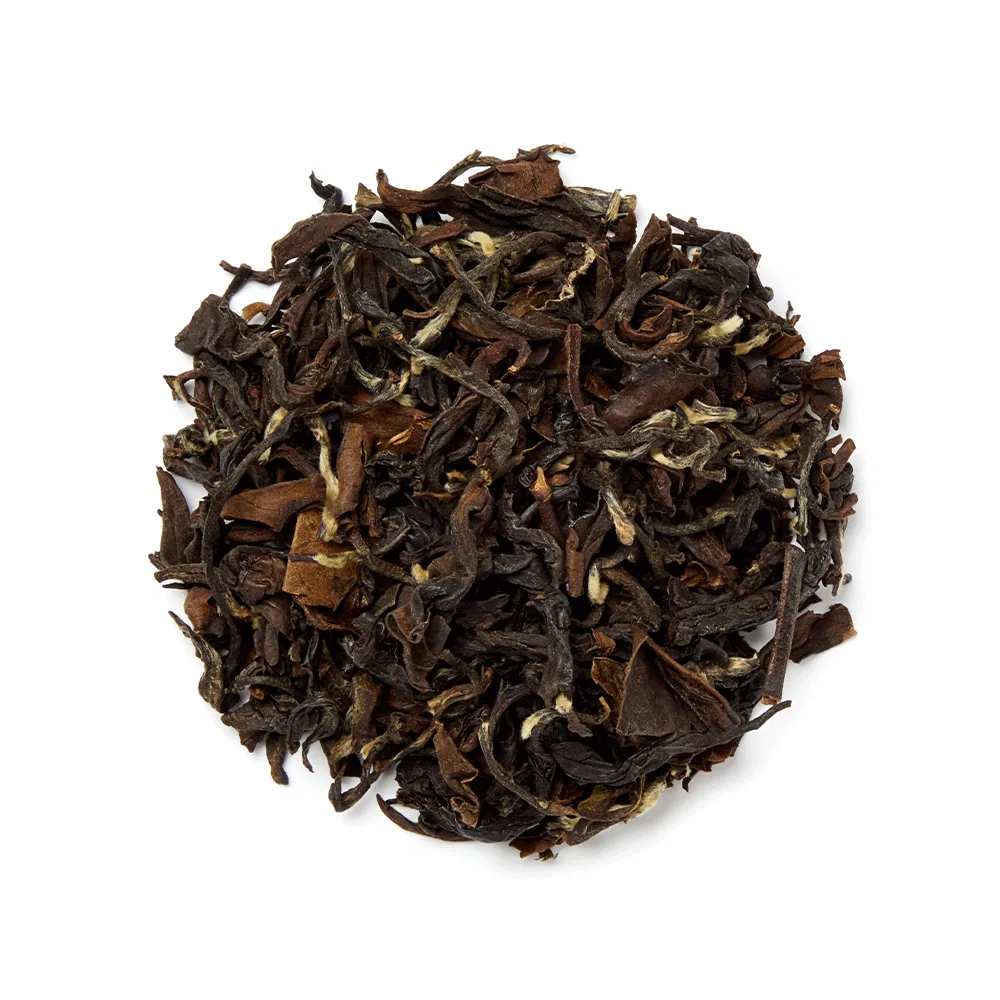
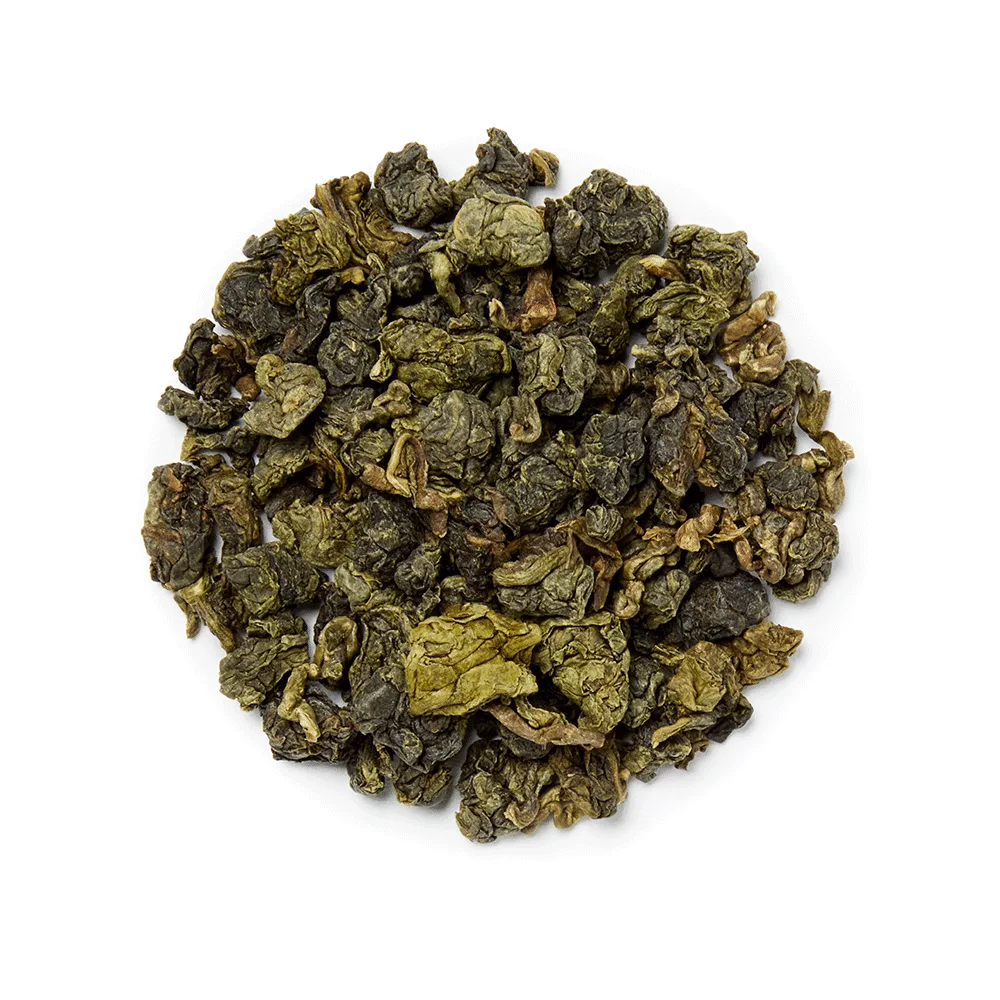
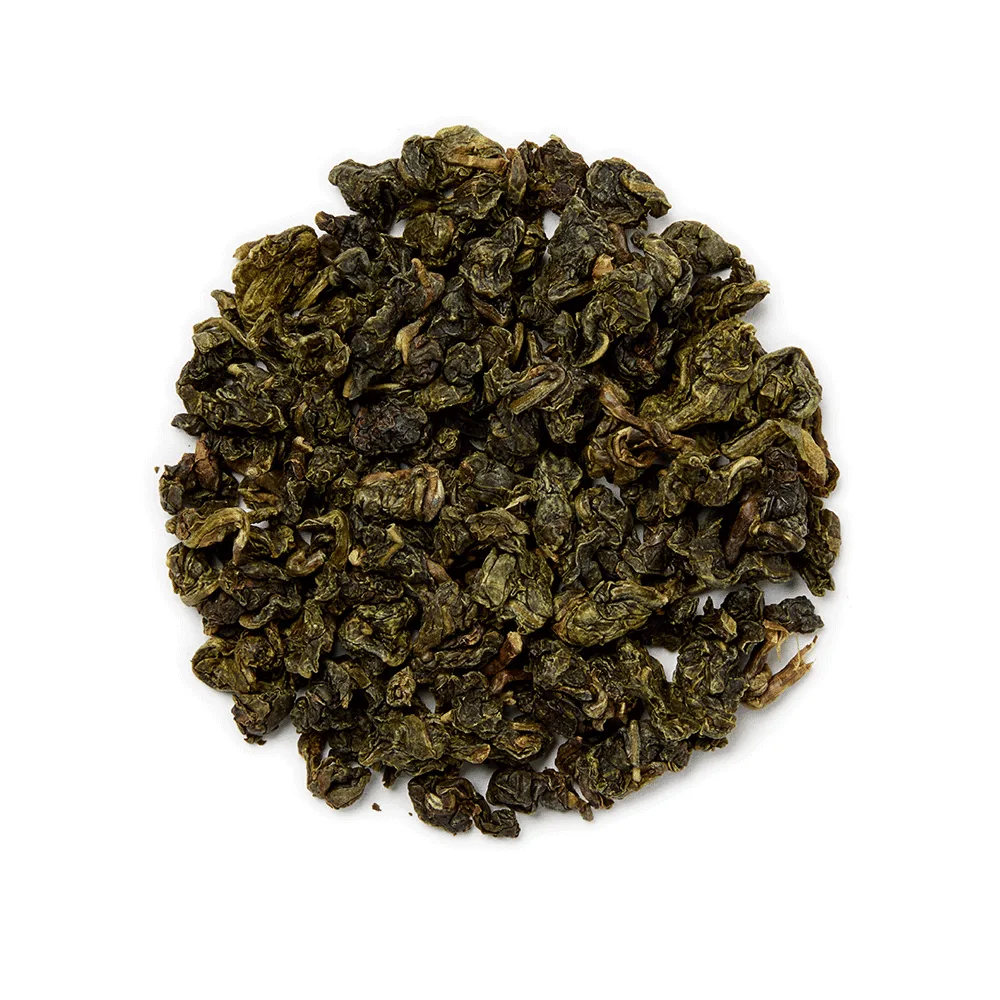
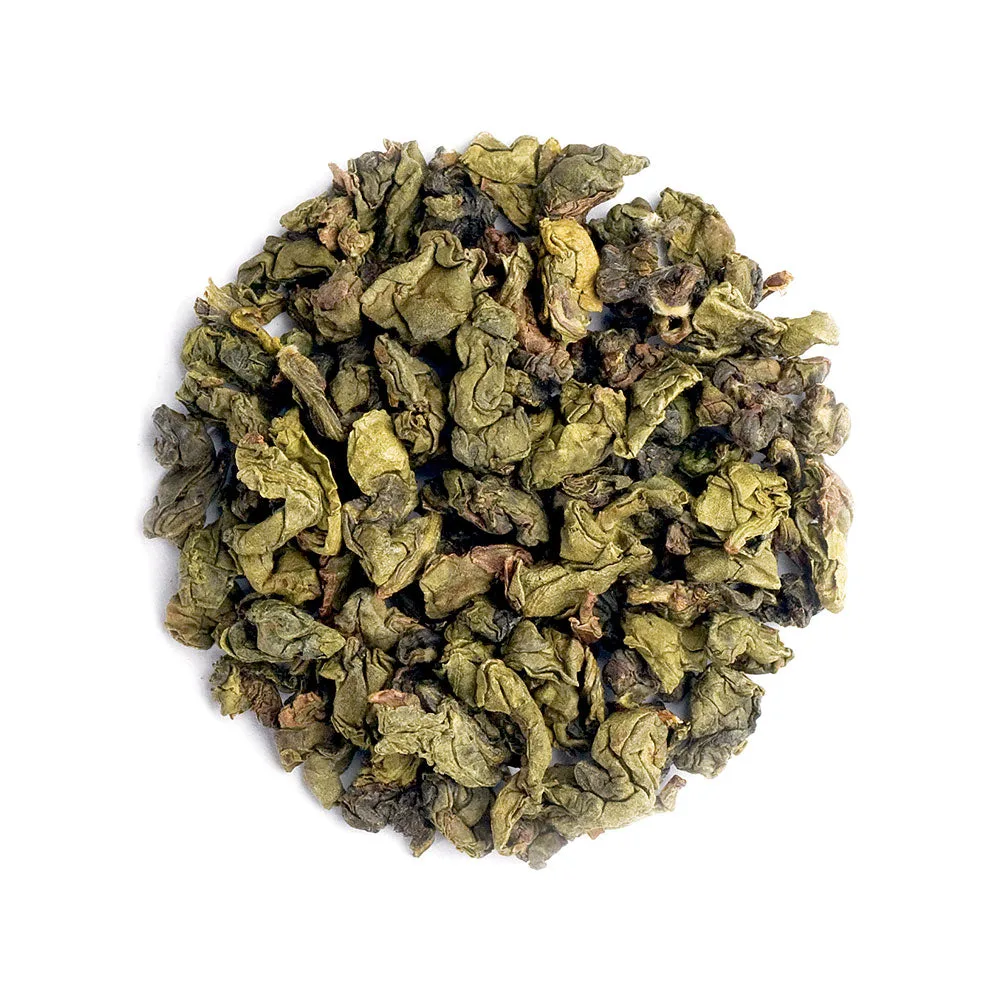
Fujian oolong tea is a treasure of Chinese tea culture, renowned for its complex flavor profiles that range from floral and creamy to toasty and mineral. Grown in the misty mountains of Fujian province, this tea undergoes a meticulous production process that has been refined over centuries. For tea lovers seeking a truly artisanal experience, understanding the journey from harvest to cup deepens every sip.
In this article, we explore the origins, harvesting, processing, and brewing of Fujian oolong, highlighting why it remains one of the most celebrated oolongs in the world. Whether you are a seasoned connoisseur or a curious newcomer, the story of Fujian oolong will enrich your appreciation for this remarkable tea.
The Terroir of Fujian: Why This Region Produces Exceptional Oolong
Fujian province, located on China’s southeastern coast, is the birthplace of oolong tea. Its mountainous terrain, cool misty climate, and mineral-rich soils create ideal conditions for tea cultivation. The most famous oolong-producing areas within Fujian include the Wuyi Mountains and the Anxi region, each imparting distinct characteristics to the tea leaves. High-altitude gardens, often above 800 meters, yield leaves that develop intense aroma and flavor due to slower growth and greater concentration of essential oils.
The traditional cultivars used for Fujian oolong, such as Tieguanyin and Dahongpao, are carefully selected for their ability to produce complex, layered teas. The combination of unique microclimates, skilled farming practices, and generations of knowledge makes Fujian oolong a benchmark for quality in the world of Chinese oolong.
- High-altitude gardens (800m+) produce leaves with richer essential oils and more nuanced flavors.
- Fujian’s misty climate slows leaf growth, enhancing sweetness and aroma.
The Art of Harvesting: Timing and Technique
Harvesting Fujian oolong is a labor-intensive process that requires precision and experience. Leaves are typically plucked in spring and autumn, with spring harvests prized for their delicate floral notes and autumn harvests for their deeper, more robust character. Only the top two or three leaves and a bud are picked by hand, ensuring that only the youngest, most tender leaves are used. This selective plucking ensures high quality and consistency.
The timing of the harvest is critical. Tea masters monitor weather conditions and leaf maturity closely, as even a few days can alter the flavor profile. After plucking, the leaves are quickly transported to the processing facility to prevent oxidation from beginning prematurely. This attention to detail is what sets premium Fujian oolong apart from mass-produced alternatives.
- Hand-plucking ensures only the finest leaves and buds are selected.
- Spring harvests yield floral, light oolongs; autumn harvests produce richer, more roasted flavors.
Processing: The Dance of Oxidation and Roasting
The processing of Fujian oolong is where its character truly emerges. After harvest, leaves are spread out to wither under the sun or in controlled indoor conditions, reducing moisture and making them pliable. Next comes the crucial step of bruising: leaves are tossed or shaken in bamboo baskets to gently break the cell walls, initiating oxidation. The tea master carefully controls the degree of oxidation, which can range from 8% for greener oolongs to 70% for darker, more roasted styles.
Once the desired oxidation is achieved, the leaves are fired to halt the process. They are then rolled into tight balls or twisted strips, depending on the style. Finally, the tea undergoes roasting, which can be light or heavy, to lock in flavor and add toasty notes. This multi-stage process requires constant attention and skill, and the result is a tea that evolves with each infusion, revealing new layers of aroma and taste.
- Oxidation levels vary widely: greener oolongs (8-20%) are floral and light; darker oolongs (40-70%) are rich and toasty.
- Roasting adds depth and can be adjusted to highlight specific flavor notes.
Brewing Fujian Oolong: Unlocking Its Full Potential
To fully appreciate Fujian oolong, proper brewing is essential. Use water just below boiling (around 195-205°F or 90-96°C) and a gaiwan or small teapot to allow multiple infusions. Start with about 3-5 grams of leaves per 150 ml of water, and steep for 30-60 seconds for the first infusion, gradually increasing time for subsequent brews. High-quality Fujian oolongs can be steeped 5-7 times, each revealing a different facet of the tea.
The Cancer Zodiac Mini Tea Caddy - Fujian Oolong offers a convenient and elegant way to store and enjoy this tea. Its airtight design preserves freshness, while the zodiac theme adds a personal touch. For those who prefer a portable option, the Silver Plated Lattice caddy (Red insert) (no.8) combines style and functionality, keeping your leaves safe and ready for your next brew.
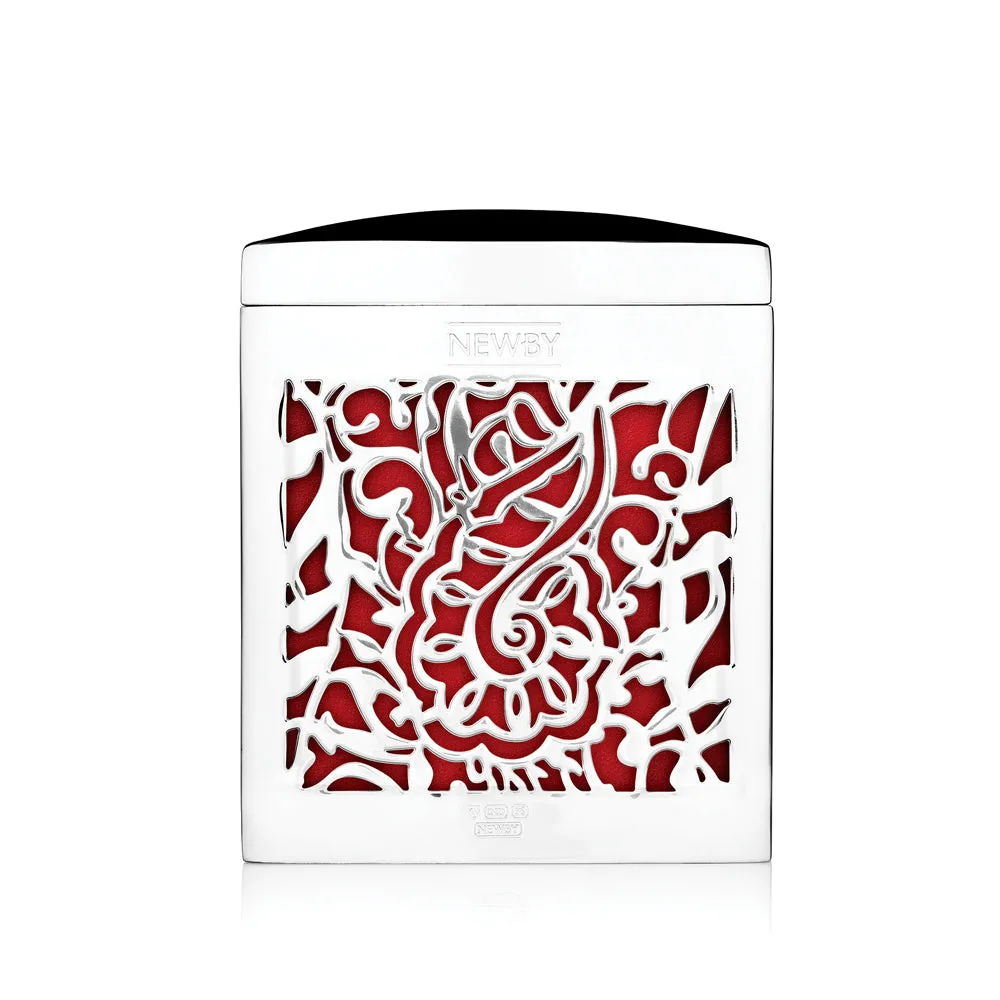
Silver Plated Lattice caddy (Red insert) (no.8)
- Use multiple short steeps to experience the tea’s evolving flavor profile.
- Store oolong in an airtight container away from light, heat, and moisture.
Fujian oolong tea is more than a beverage—it is a masterpiece of nature and human skill. From the misty mountains of Fujian to your teacup, every leaf tells a story of tradition, patience, and artistry. Explore the refined taste of this Chinese oolong with the Cancer Zodiac Mini Tea Caddy - Fujian Oolong, a perfect companion for your tea journey.