What parents actually need from a kids' hair tie
If you have ever tried to wrestle a tiny ponytail into place while your toddler squirms away, you know the real test of a hair tie is not how it looks on the card. It is whether it holds the style without turning into a battle. The Think Hair Ties are positioned as a gentle option for everyday use, and the catalog describes them as providing gentle hold without pulling or breaking hair.
That description gives you a clear starting point: these are designed for regular styling, not for heavy-duty or high-impact hold. The catalog also notes they are meant to keep hair securely in place during workouts, work, or casual outings. For a child's daily routine, that translates to school mornings, playground time, and the usual after-school activities.
Where Think Hair Ties fit into a child's day
The catalog lists several everyday situations for these ties. Here is how those use cases line up with what kids typically need.
- School and daycare mornings: A quick ponytail or half-up style needs a tie that goes in without a fight. The gentle-hold description is the relevant detail here, since the goal is a style that stays put through the morning without constant readjusting.
- Playground and active play: The catalog mentions workouts and casual outings as intended uses. For kids, that covers recess, sports practice, and running around after school. The ties are described as keeping hair securely in place during those activities.
- Everyday wear at home: Not every style needs to be tight. A loose ponytail or a simple braid for a day at home is exactly the kind of low-key use the catalog points to with its everyday-use description.
The honest trade-off: gentle hold versus grip
The catalog describes these as gentle and says they avoid pulling or breaking hair. That is the main appeal for kids, whose hair can be finer and more prone to snagging than an adult's. But it also sets a realistic expectation: a tie designed for gentle hold is not the same as a heavy-duty elastic built for maximum grip.
If your child has very thick hair or needs a style that survives an entire day of intense activity without adjustment, you may find yourself redoing the ponytail more often than you would like. That is not a flaw in the product; it is the trade-off that comes with a gentler hold. The catalog does not specify a hold strength rating or a maximum hair thickness, so the best way to judge is to try one tie on a normal day and see how the style holds up.
What the catalog confirms about Think Hair Ties
-
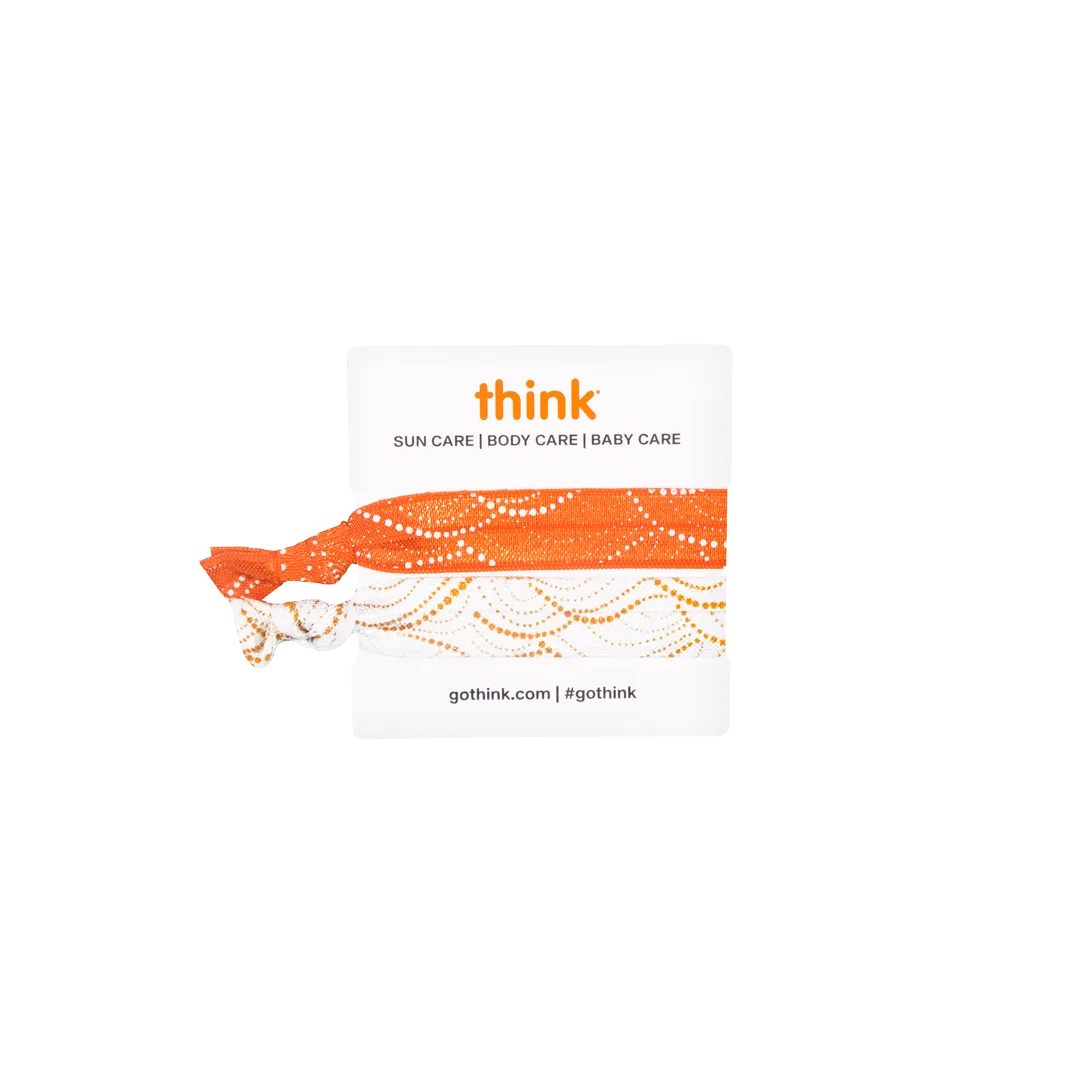
Think Hair Ties: Durable Think Hair Ties provide gentle hold without pulling or breaking your hair. This is the core promise for parents looking for hair ties that don't pull, especially on a child's finer hair.
Think Hair Ties
-
Think Hair Ties: Designed for everyday use, these versatile accessories keep your hair securely in place during workouts, work, or casual outings. It tells you the intended scope: regular daily styling and active moments, not specialty or heavy-duty use.
-
Think Hair Ties: Available in a Standard variant. There is one listed option, so you do not need to compare sizes or colors before buying.
A note on sizing and hair type
The catalog lists a single Standard variant, with no separate size or color options. It also does not include a hair-type chart or a recommended age range. That means you will not find a confirmed match for fine versus thick hair, or for toddler versus older child, in the product information.
For a toddler with fine hair, the gentle-hold design is likely the most relevant feature. For an older child with thicker hair, you may need to test whether the Standard tie holds a full ponytail comfortably. The catalog does not confirm a maximum capacity, so treat the first use as a trial rather than assuming a fit.
How to decide before you buy
Use these practical checkpoints to judge whether Think Hair Ties match your child's routine.
- Your child complains about pulling or breakage: The catalog specifically describes these as gentle and says they avoid pulling or breaking hair. If that is the main problem you are trying to solve, this is the most relevant feature.
- You need a tie for daily school or daycare styles: The everyday-use description fits the morning ponytail or braid routine. It is not positioned as a specialty tie for elaborate styles.
- Your child is active and needs hair to stay put: The catalog mentions workouts and casual outings as intended uses. For recess and sports, that is a reasonable starting point, though the gentle hold means you may need to redo the style after intense play.
- You want a simple, single-option purchase: With only a Standard variant listed, there is no size or color decision to make. That keeps buying simple, but it also means you cannot choose a specific size for a very small toddler or a child with thick hair.
A small note on the price
The catalog price for Think Hair Ties is USD 1.44, with a comparison price of USD 2.00. That makes them an easy item to add to a larger order or to try without a big commitment. The catalog does not state how many ties are included in a pack, so check the product listing for the quantity before you assume you are buying a set.
If you are considering these as part of a hair tie gift set, the single Standard variant and the lack of confirmed pack quantity are worth noting. The catalog does not describe a gift set or a multi-color assortment, so treat the gift-set idea as something to verify on the product page rather than a confirmed feature.