When shopping for new sheets, thread count is often touted as the ultimate measure of quality. But is a higher thread count always better? The answer may surprise you. In this article, we’ll debunk common thread count myths and reveal the real factors that contribute to soft, durable, and comfortable bedding.
At Mellanni Fine Linens, we believe in transparency and quality. Our customers deserve to know exactly what they’re buying, which is why we’re here to set the record straight on thread count and sheet quality.
What Is Thread Count?
Thread count refers to the number of horizontal and vertical threads woven into one square inch of fabric. A 200-thread-count sheet, for example, has 100 vertical threads and 100 horizontal threads per square inch. It’s a simple metric that many manufacturers have exploited to market their sheets as premium.
However, thread count alone doesn’t determine softness, breathability, or durability. In fact, sheets with a thread count above 800 are often the result of marketing gimmicks, such as using multi-ply threads or counting individual plies as separate threads. This artificially inflates the number without improving quality.
- Thread count = number of threads per square inch (warp + weft).
- High thread counts (above 800) are often achieved by twisting thin threads together (multi-ply), which can feel coarser.
The Myth: Higher Thread Count = Better Quality
One of the biggest misconceptions in the bedding industry is that a higher thread count automatically means a softer, more luxurious sheet. While thread count does play a role, it’s far from the only factor. Sheets with a thread count between 200 and 400 are often the sweet spot for a balance of softness and breathability.
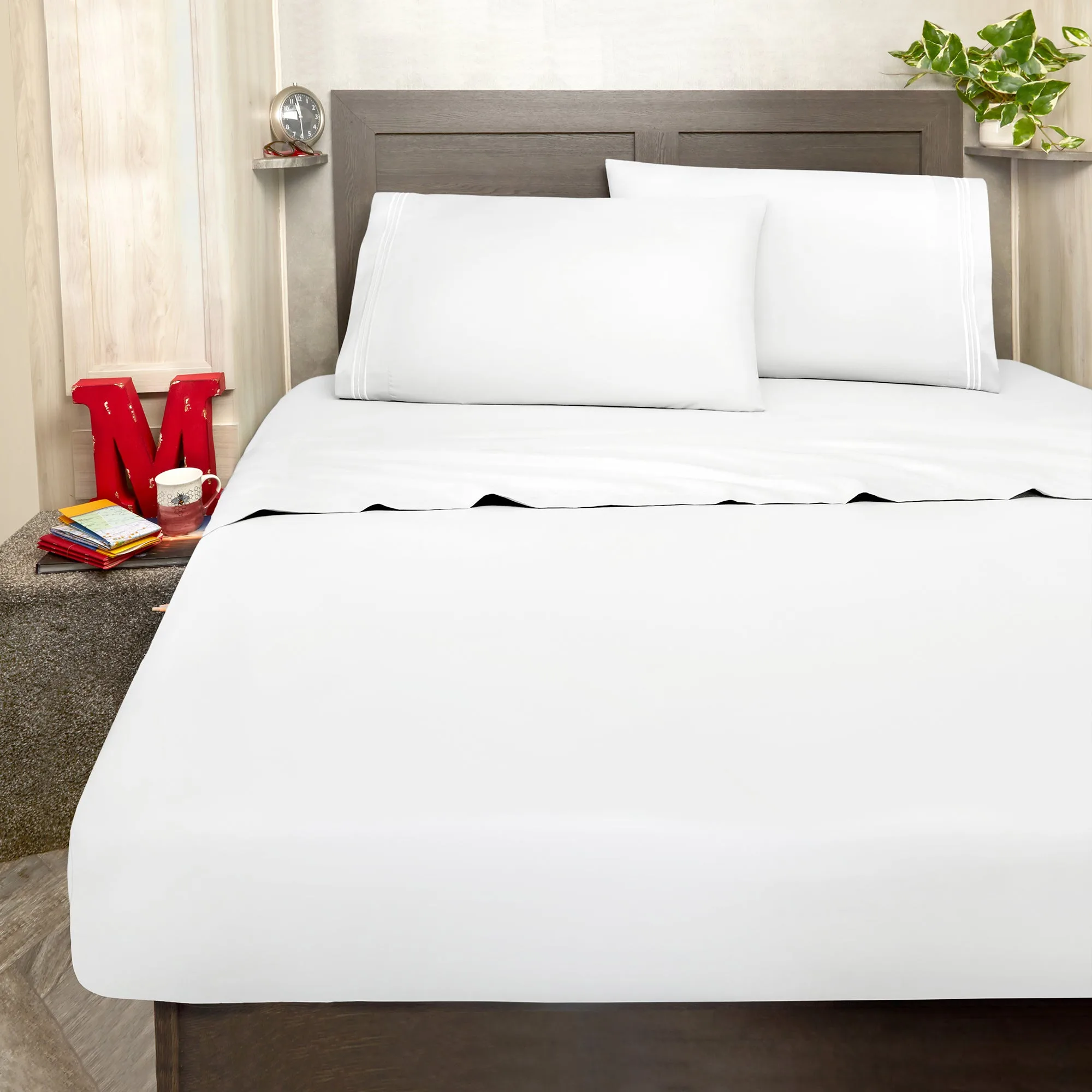
For example, many of our Mellanni customers rave about the Iconic 6-Piece Microfiber Sheet Set, which has a thread count of 1800 but is made from ultra-fine microfiber. The high number is due to the fine denier of the fibers, not because of inferior construction. The result? Incredibly soft, durable sheets that resist wrinkles and fading.
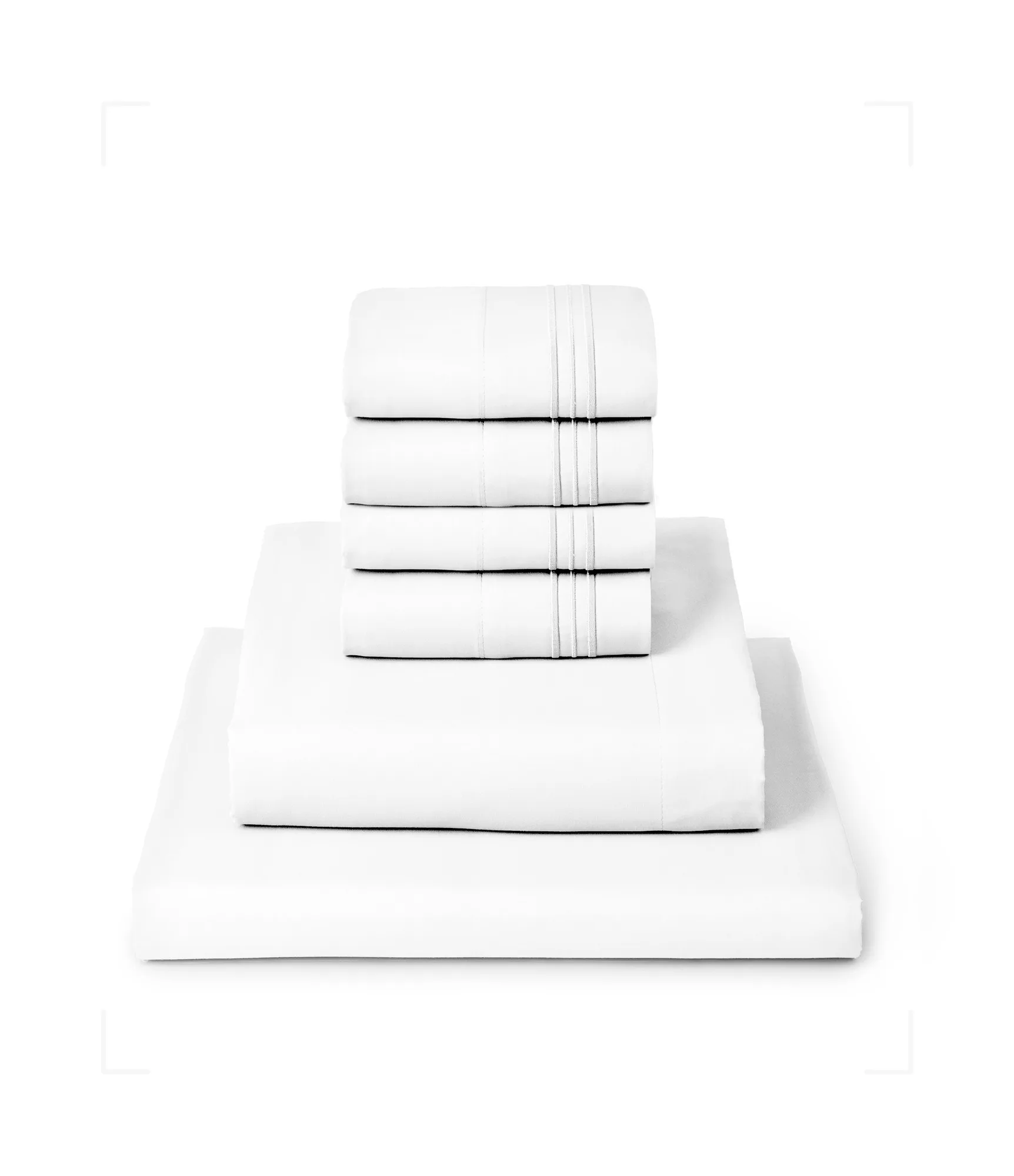
Iconic 6-Piece Microfiber Sheet Set
What Really Matters: Fiber Quality and Length
The type of fiber used and its length are critical to sheet quality. Long-staple cotton, such as Egyptian or Pima, produces stronger, smoother threads that pill less and feel softer over time. Short-staple fibers, on the other hand, create rougher sheets that are prone to shedding.
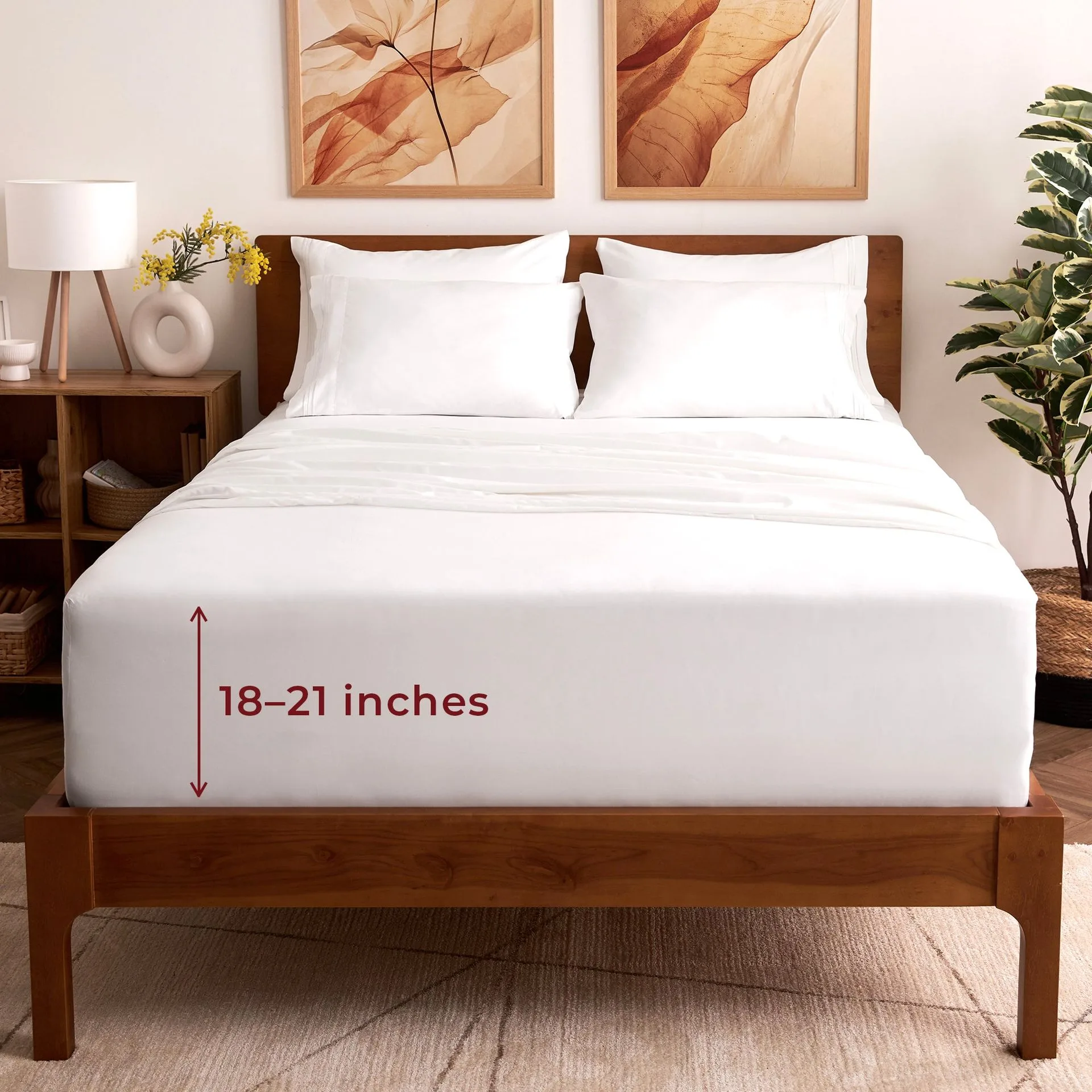
For microfiber sheets, the denier (fineness) of the fibers matters. Finer microfibers create a denser, softer fabric. Mellanni’s microfiber sheets, like the Iconic Microfiber Extra-Deep Fitted Sheet, are made from high-quality microfiber that feels like buttery softness while being easy to care for.
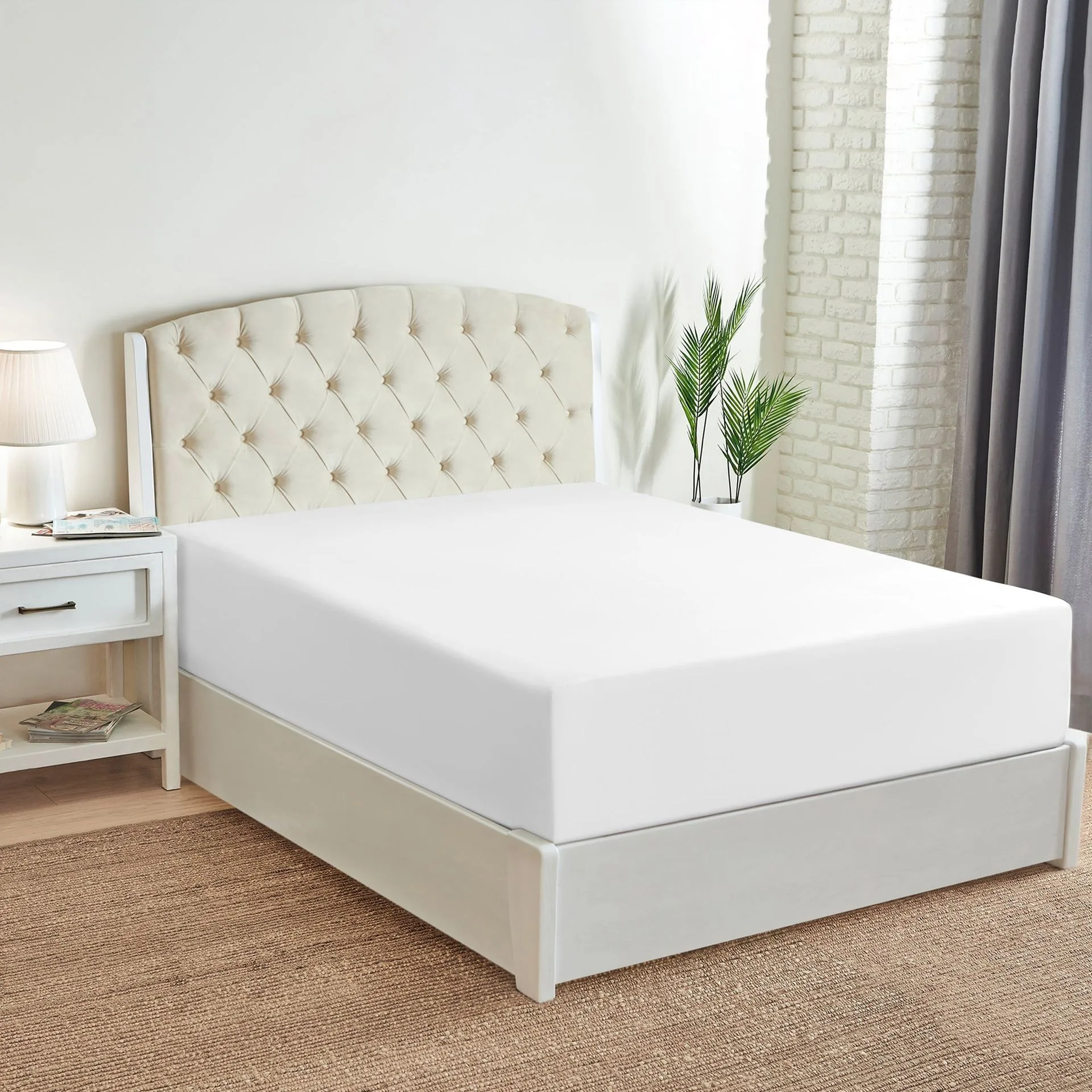
Iconic Microfiber Extra-Deep Fitted Sheet
- Long-staple cotton = stronger, smoother, more durable.
- Short-staple cotton = rougher, more lint, less durable.
- Microfiber denier: lower denier = finer, softer fibers.
Weave: The Unsung Hero of Sheet Feel
The weave of the fabric determines how the sheet feels against your skin. Percale weave (one-over-one-under) creates a crisp, cool, matte finish, ideal for hot sleepers. Sateen weave (three-over-one-under) gives a silky, smooth, slightly warmer feel with a subtle sheen.
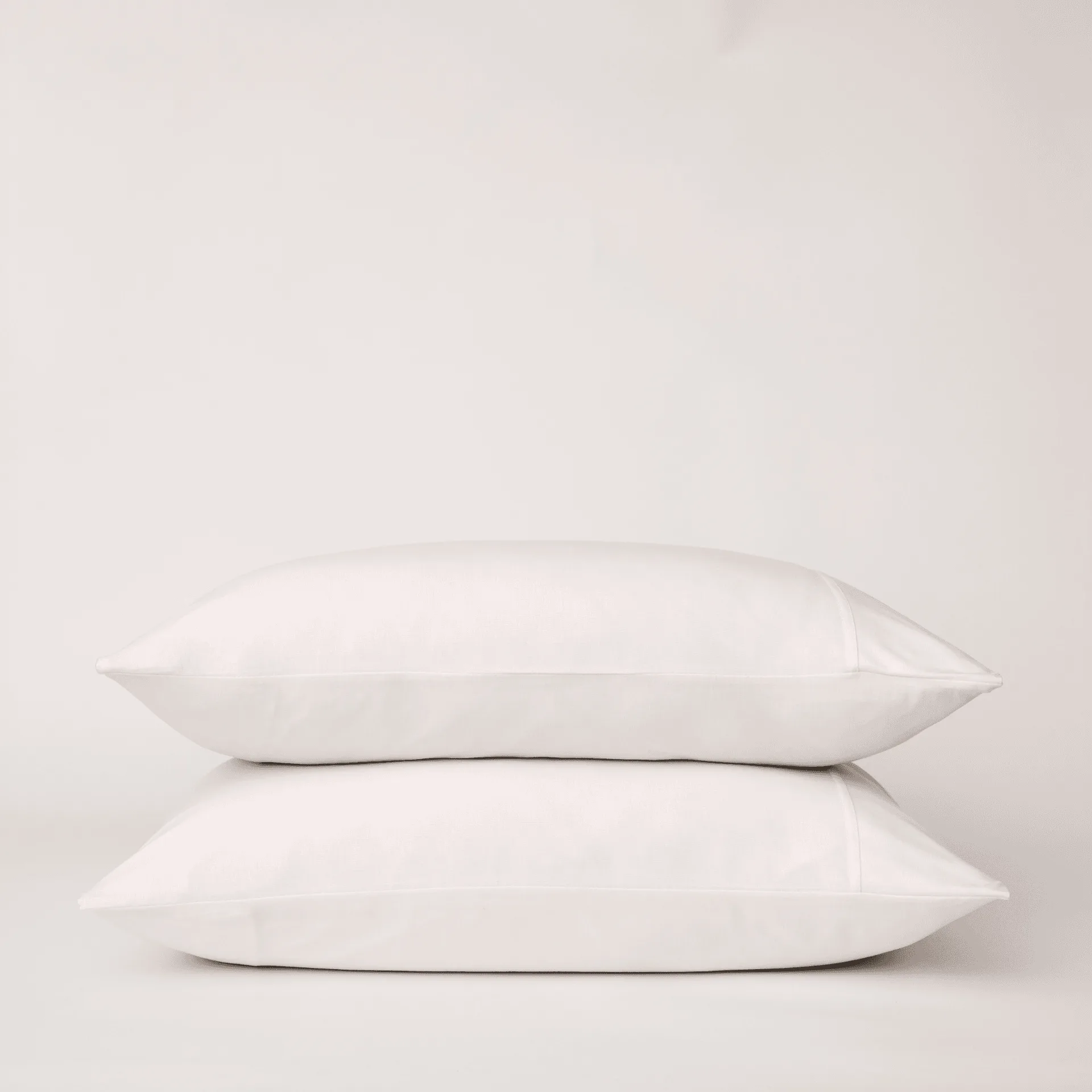
For example, our Cloudten 2-Piece Bamboo Jersey Pillowcase Set uses a jersey knit weave, which offers a stretchy, T-shirt-like softness. The weave, combined with the bamboo fiber’s natural breathability, makes these pillowcases a favorite for those seeking a cozy yet cooling sleep surface.
- Percale: crisp, cool, breathable.
- Sateen: silky, smooth, slightly warmer.
- Jersey knit: stretchy, soft, casual.
Finish and Treatment: The Final Touch
How a sheet is finished can impact its feel and longevity. Mercerization (a treatment for cotton) increases luster and strength. Brushing creates a softer, flannel-like texture. Some sheets are treated with anti-wrinkle or stain-resistant finishes, which can affect breathability.
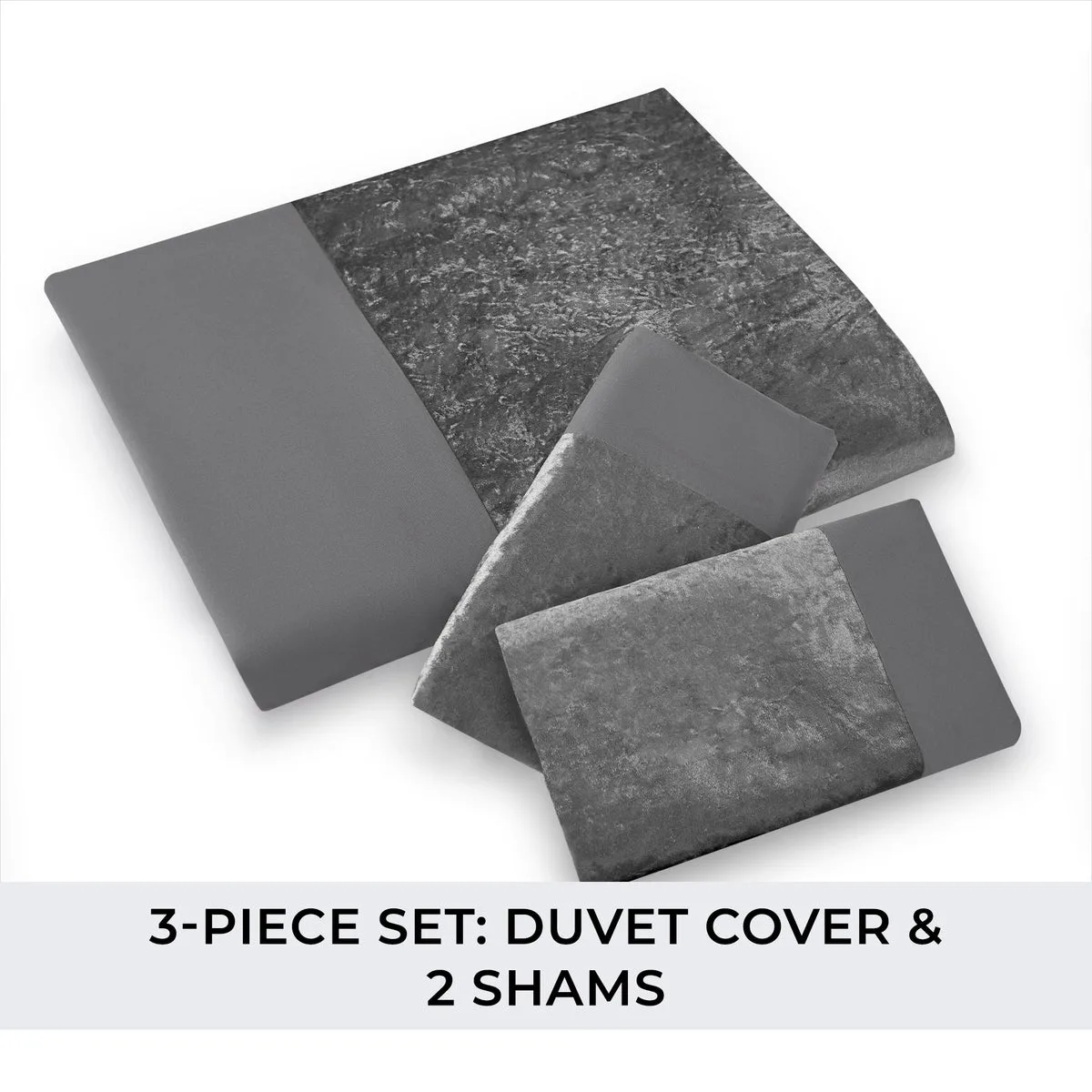
At Mellanni, we focus on quality finishes that enhance comfort without compromising performance. For instance, our 3-Piece Flannel Duvet Cover Set is brushed on both sides for extra warmth and softness, making it perfect for winter. The double-brushing process ensures a plush, cozy feel that lasts wash after wash.
How to Choose Sheets: A Practical Guide
When shopping for sheets, don’t fixate on thread count alone. Instead, consider the following: 1) Fiber type: cotton, microfiber, bamboo, or blends. 2) Weave: percale for coolness, sateen for silkiness, jersey for softness. 3) Weight: lightweight for summer, heavier for winter. 4) Finish: brushed for coziness, mercerized for sheen.
For a versatile, year-round option, the Iconic 6-Piece Microfiber Sheet Set offers a high thread count with the breathability of microfiber. If you prefer natural fibers, our Cloudten Cotton Sheet Set provides a crisp, cool feel with a 300-thread-count percale weave. Always check the fiber length and weave for the best quality.
- Check fiber type and length.
- Choose a weave that suits your sleep temperature.
- Look for a thread count between 200 and 400 for cotton.
Next time you’re in the market for new sheets, remember that thread count is just one piece of the puzzle. Focus on fiber quality, weave, and finish to find the perfect bedding for your needs. Explore Mellanni’s collection of high-quality sheets, like the Iconic 6-Piece Microfiber Sheet Set, and experience the difference that true craftsmanship makes.