There's nothing quite like curling up with a soft, warm throw blanket during a long reading session. Whether you're diving into a new romance novel or revisiting a classic, the right blanket can make all the difference in your cozy corner. But over time, even the most luxurious throws can lose their fluffiness, develop pilling, or start to smell musty if not cared for properly.
Proper throw blanket care is essential to maintaining that cloud-like softness and extending the life of your favorite reading companion. In this guide, we'll walk you through the best practices for washing, drying, and storing your blankets so they stay as inviting as the day you bought them. Plus, we'll share tips on pairing your blanket with other cozy accessories for the ultimate reading nook experience.
Understanding Your Blanket’s Fabric: The First Step to Proper Care
Before you toss your throw blanket into the washing machine, take a moment to check the care label. Different fabrics require different cleaning methods, and ignoring these instructions can lead to shrinkage, pilling, or loss of softness. Common throw blanket materials include cotton, fleece, microfiber, wool, and synthetic blends. Cotton blankets are generally machine-washable and durable, while wool requires gentle handling and cold water to prevent felting.
If your blanket is made of a delicate fabric like cashmere or has decorative fringe, hand washing or using a mesh laundry bag is recommended. Microfiber and fleece blankets are low-maintenance but can attract lint, so wash them separately. Understanding your blanket's composition is the foundation of effective blanket maintenance.
- Always read the care label before washing—it's your blanket's owner's manual.
- Sort blankets by fabric type to avoid damage from different washing requirements.
- For mixed-fiber blankets, follow the care instructions for the most delicate material.
How to Wash a Throw Blanket: Step-by-Step Guide
Washing a throw blanket correctly starts with preparation. Shake out your blanket outdoors to remove loose dust and debris. Spot-treat any stains with a gentle detergent or stain remover before the full wash. For most cotton and synthetic throws, use cold or warm water on a gentle cycle to minimize wear. Hot water can cause shrinkage and fade colors, especially on vibrant prints.
Choose a mild, liquid detergent without bleach or fabric softener, as these can break down fibers and reduce softness over time. If your blanket has a strong odor, add a half cup of white vinegar to the rinse cycle—it neutralizes smells without leaving a vinegar scent. For extra fluffiness, consider using a wool dryer ball alternative in the dryer, but we'll cover drying next.
- Never overload the washing machine; blankets need room to move freely.
- Use a gentle cycle and cold water for most fabrics to preserve softness.
- Skip fabric softener—it coats fibers and reduces absorbency and fluffiness.
Drying Your Throw Blanket: Techniques for Maximum Fluffiness
Drying is where many throw blankets lose their softness. High heat can damage fibers and cause pilling, while over-drying can make blankets stiff. The best approach is to tumble dry on low or medium heat, removing the blanket while it's still slightly damp. Then, lay it flat to finish air drying—this prevents shrinkage and retains that plush feel.
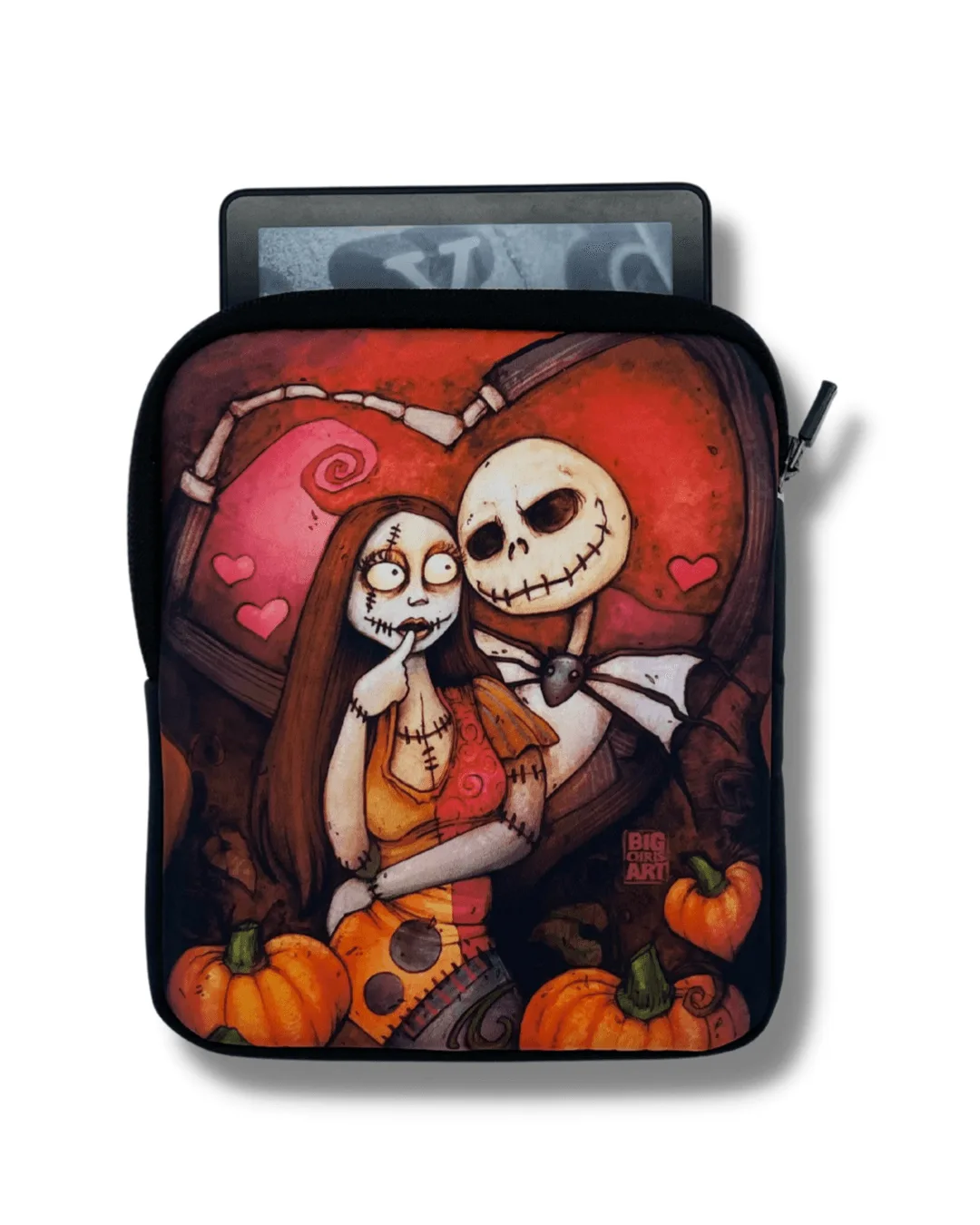
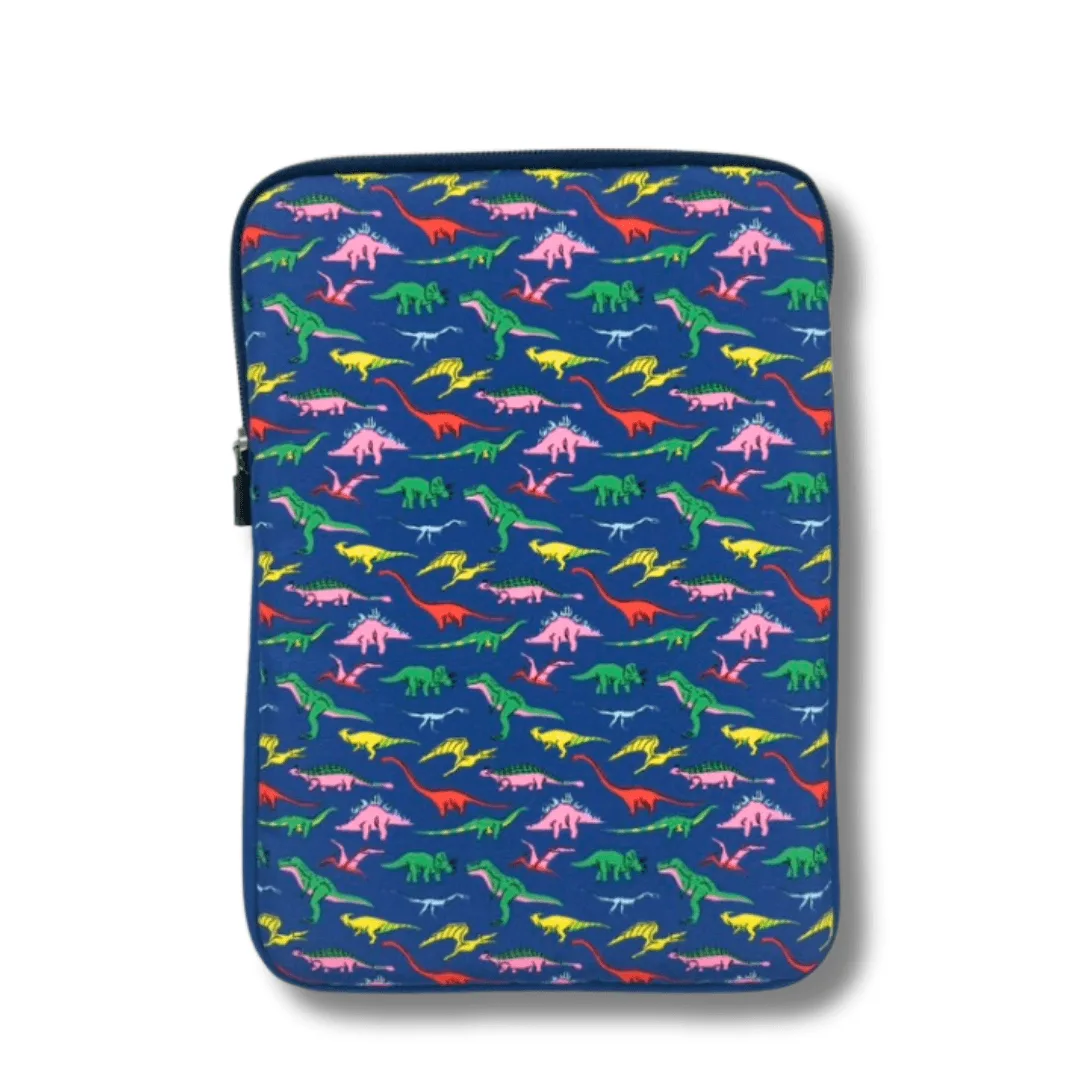
For extra fluff, toss in a few clean tennis balls or wool dryer balls to help break up clumps of filling and restore loft. Avoid using dryer sheets, as they leave a residue that can make the blanket feel less soft over time. If you're drying a larger blanket like a reading pillow cover, check the seams and corners to ensure even drying. For those who love a perfectly cozy setup, pairing your freshly dried throw with a stylish Book Sleeve can protect your current read from dust and spills.
- Dry on low heat and remove while slightly damp to avoid stiffness.
- Use wool dryer balls to fluff fibers naturally without chemicals.
- Never wring or twist a wet blanket—gently squeeze out excess water.
Storing Your Throw Blankets: Tips to Keep Them Fresh and Ready
Proper storage is just as important as washing when it comes to throw blanket care. Store blankets in a cool, dry place away from direct sunlight, which can fade colors and weaken fibers. Avoid plastic bins, as they trap moisture and can lead to mildew. Instead, use breathable cotton storage bags or large pillowcases to protect your blankets from dust while allowing air circulation.
If you're short on space, consider rolling your blankets instead of folding them to reduce creases and save room. For seasonal rotation, add a cedar block or lavender sachet to the storage container to repel moths and keep your blankets smelling fresh. And if you have a favorite reading spot, keep a dedicated throw on a nearby shelf or basket so it's always within reach for spontaneous cozy moments.
- Use breathable fabric storage bags to prevent moisture buildup.
- Roll blankets to minimize creases and save storage space.
- Add natural repellents like cedar or lavender to protect against pests.
Common Throw Blanket Care Mistakes to Avoid
Even well-intentioned blanket owners can make mistakes that reduce their blanket's lifespan. One common error is using too much detergent, which leaves a sticky residue that attracts dirt and makes the blanket feel stiff. Another is drying on high heat, which can melt synthetic fibers and shrink natural ones. Also, avoid washing blankets with zippers or hooks that can snag the fabric.
For those who love to read with a blanket and a hot drink, spills are inevitable. Treat stains immediately with a gentle stain remover, but avoid rubbing vigorously—blot instead to prevent spreading. And remember, even if your blanket is machine-washable, you don't need to wash it after every use. Spot cleaning and airing out can extend the time between full washes, preserving the fabric's integrity.
- Don't overload the dryer—blankets need space to tumble and fluff.
- Avoid bleach and harsh chemicals that weaken fibers over time.
- Wash blankets only when needed to reduce wear and tear.
Pairing Your Cozy Throw with the Perfect Reading Accessories
Now that your throw blanket is clean, fluffy, and ready for action, it's time to create the ultimate reading nook. A soft throw is the foundation, but adding a few well-chosen accessories can elevate your experience. For example, a supportive reading pillow or book bean can help you maintain good posture during long reading sessions, while a book sleeve keeps your current read safe from scratches and spills.
Consider the aesthetic of your space as well. If your throw has a classic pattern like gingham or stripes, you might want to coordinate with a book sleeve that complements the look. Brands like Book Beau offer a variety of stylish options, from vibrant prints to minimalist designs, so you can mix and match to suit your mood. A cohesive, cozy setup makes every reading session feel like a special retreat.
- Choose a book sleeve that matches your throw's color palette for a unified look.
- Add a reading pillow to support your back and neck during long hours.
- Keep a small basket or caddy nearby to store your blanket, book, and accessories.
With these throw blanket care tips, you can keep your favorite cozy companion soft, fresh, and inviting for years to come. From proper washing techniques to smart storage solutions, a little attention goes a long way. And while you're perfecting your reading nook, don't forget to protect your books with a stylish accessory like the Bright Stripes Book Sleeve—it's the perfect partner for your freshly fluffed throw.
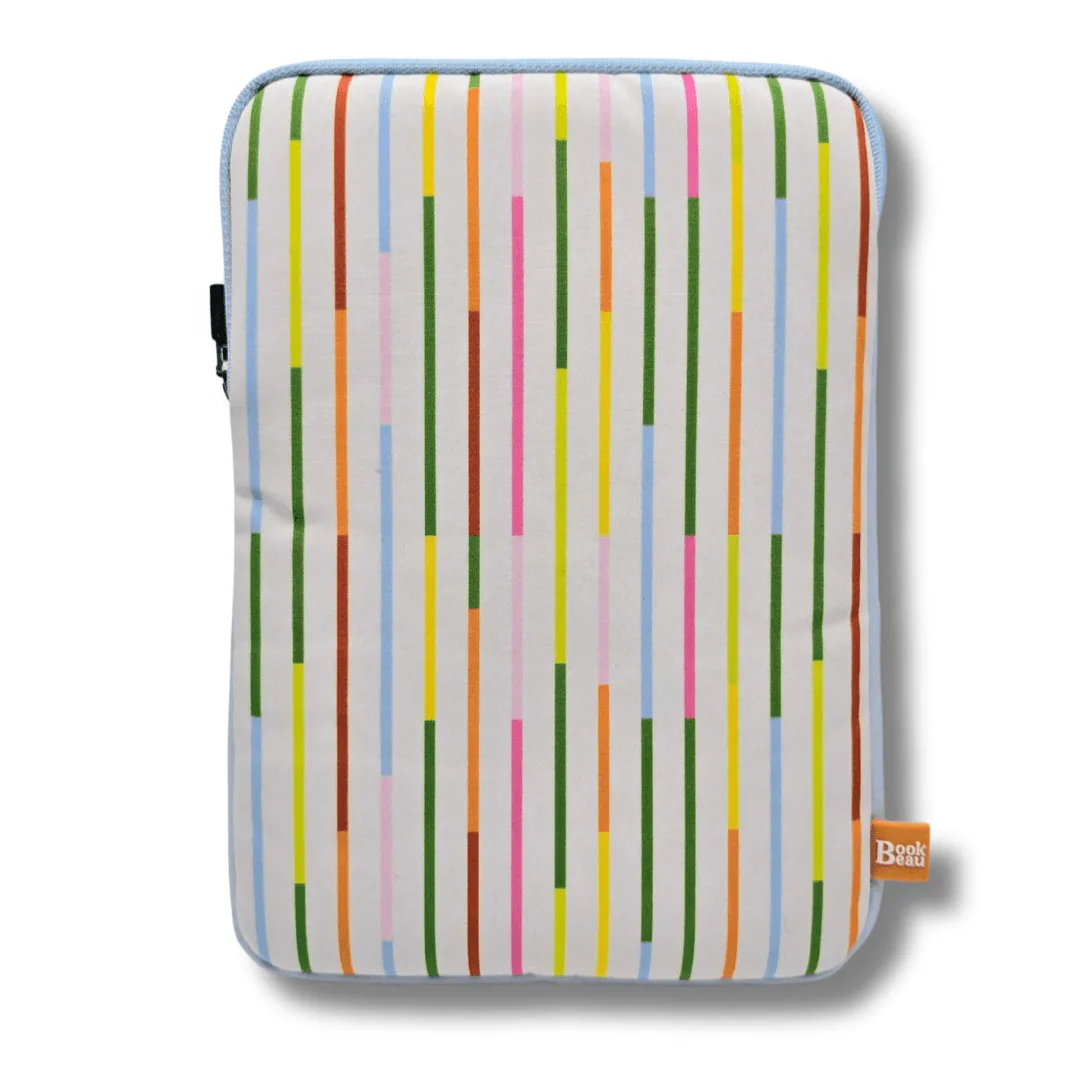
Bright Stripes Book Sleeve