When it comes to enhancing your living space with spiritual or feng shui elements, two popular choices often come to mind: the Tibetan prayer wheel and the feng shui wind chime. Both are revered for their ability to bring positive energy, but they serve different purposes and operate on distinct principles. Understanding these differences can help you decide which one is better suited for your home and personal intentions.
In this comparison, we'll explore the origins, mechanisms, and benefits of each, along with practical placement tips. Whether you're seeking spiritual growth, protection, or simply a calming atmosphere, this guide will clarify which tool aligns with your goals.
Understanding the Tibetan Prayer Wheel
The Tibetan prayer wheel, or 'mani chos 'khor', is a traditional Buddhist tool used for accumulating wisdom and purifying negative karma. It consists of a cylindrical wheel, often filled with printed mantras, which is spun clockwise to activate the blessings. The most common mantra is 'Om Mani Padme Hum', associated with the bodhisattva of compassion.
Spinning a prayer wheel is believed to have the same spiritual effect as reciting the mantras aloud, making it a powerful practice for those with limited time. It is not just a decorative item but a functional meditation aid that promotes mindfulness and inner peace. The wheel's rotation symbolizes the turning of the Dharma wheel, spreading positive energy to all beings.
- Ideal for personal meditation and spiritual practice.
- Requires intentional spinning to activate its benefits.
- Commonly used in Tibetan Buddhism and by practitioners worldwide.
The Feng Shui Wind Chime: Sound and Energy Flow
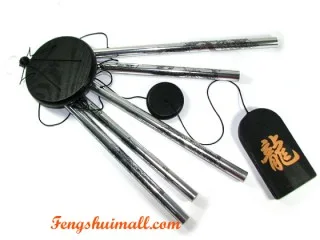
In contrast, the feng shui wind chime is a tool designed to adjust the flow of chi (energy) in your environment. Made of metal, bamboo, or glass, its primary function is to produce soothing sounds that disperse stagnant or negative energy and attract positive chi. The gentle tinkling is said to lift the energy of a space, creating a harmonious atmosphere.

glass
Wind chimes are often placed near entryways, windows, or courtyards to invite good fortune and protect against negative influences. The material and number of rods matter; for example, metal chimes are associated with the West and Northwest corners, enhancing helpful people and travel luck. They are a passive tool—the wind activates them—requiring no effort from you beyond proper placement.
- Works passively through wind and sound.
- Best for improving energy flow and protecting a space.
- Material and placement determine its specific effect.
Key Differences: Purpose, Activation, and Benefits
The core difference lies in their purpose: prayer wheels are for spiritual cultivation, while wind chimes are for environmental energy adjustment. A prayer wheel requires your active participation—you must spin it to release its benefits, making it a personal practice. In contrast, a wind chime works continuously, independent of your involvement, as long as there is a breeze.
Benefits also vary. Prayer wheels are known to increase compassion, reduce stress, and deepen meditation. Wind chimes, on the other hand, are celebrated for their ability to cleanse negative energy, promote relaxation, and even enhance specific life areas like wealth or career, depending on placement. Some people use both together, but they serve different niches.
- Prayer wheel: active, spiritual, and mantra-based.
- Wind chime: passive, environmental, and sound-based.
- Choose based on whether you want a daily practice or a set-and-forget energy tool.
Which One Suits Your Home and Lifestyle?
Your choice should reflect your lifestyle and goals. If you are drawn to meditation, mindfulness, or Buddhist practices, a Tibetan prayer wheel is an excellent addition. It can be placed on a shelf or altar, and spinning it daily can become a calming ritual. For those who prefer a low-maintenance approach, a wind chime might be more suitable, as it works without any effort.
Consider your space: prayer wheels are typically indoor items, while wind chimes can be used both indoors and outdoors. If you want to enhance a specific area like your wealth corner, a wind chime might be more targeted. However, if you seek overall spiritual growth, a prayer wheel offers a deeper connection.
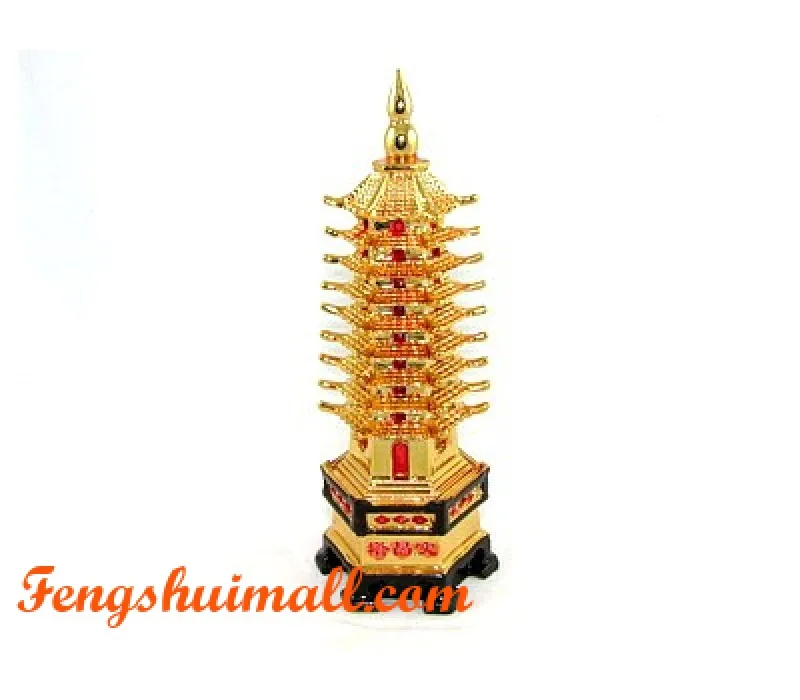
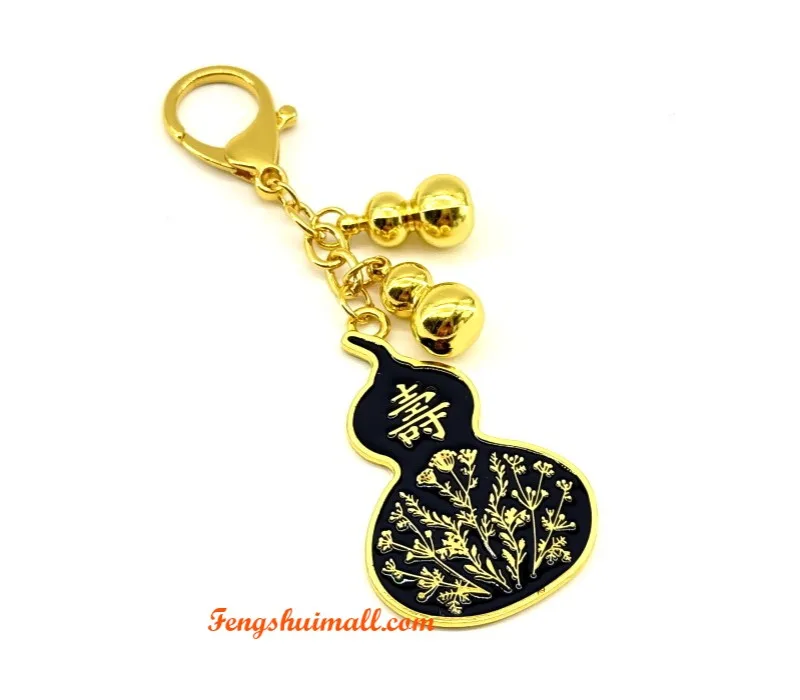
For those interested in combining feng shui with spiritual practice, you might also explore other symbolic items. For instance, the 9 Level Feng Shui Pagoda is a powerful symbol for career and academic success, while the Triple Blessings Wu Lou Feng Shui Amulet is known for health and protection. These can complement your choice.
- Indoor vs. outdoor: prayer wheels indoors, wind chimes both.
- Active vs. passive: choose based on your time and commitment.
- Combine with other feng shui tools for a holistic approach.
Ultimately, both the Tibetan prayer wheel and the feng shui wind chime have unique strengths. If you're looking for a tool to enhance your spiritual practice and mindfulness, the prayer wheel is your best bet. If your goal is to harmonize your environment and attract positive energy effortlessly, a wind chime is ideal. Consider your personal needs and space to make the right choice, and remember that you can always integrate both for a balanced approach.