Quick answer
Replace your bench mill timing belt when you see cracking, glazing, or hear slipping noises. Use this diagnosis to confirm the problem before ordering a new belt.
Why belt condition matters
The timing belt synchronizes the spindle motor with the spindle itself. A worn belt causes inconsistent speeds, poor surface finish, and can snap mid-cut, damaging other components.
Trade-off: belt tension
A loose belt slips and wears faster. An overtight belt stresses bearings and the motor shaft. Proper tension is a balance that varies by machine model.
Timing belt diagnosis
- Symptom: Spindle speed fluctuates during cutting, or you hear a chirping or squealing sound from the belt area. This often means the belt is slipping or has lost elasticity.
- Likely cause: Worn belt teeth, glazed surface, or incorrect tension. Check for visible cracks, fraying, or a shiny glazed appearance on the belt's inner surface. If you see cracks or glazing, replacement is needed regardless of tension adjustment.
- Corrective action: Adjust belt tension first. If the belt is in good condition but loose, tighten it per your mill's manual. If it is cracked, glazed, or frayed, order a replacement belt.
- Stop or choose another option: If adjusting tension does not fix the symptom and the belt looks fine, inspect pulleys for wear or motor alignment. Do not replace the belt if the problem is a worn pulley or misaligned motor. Replacing the belt on a misaligned drive will waste the new belt quickly.
Product facts
-
Belt, Timing Bench Mill: Timing Belt for the HiTorque bench mill models 5500, 5520, and 5550. This belt also fits SIEG SX2.7 bench mills. If your mill is one of these models, this belt is the direct replacement part you need.
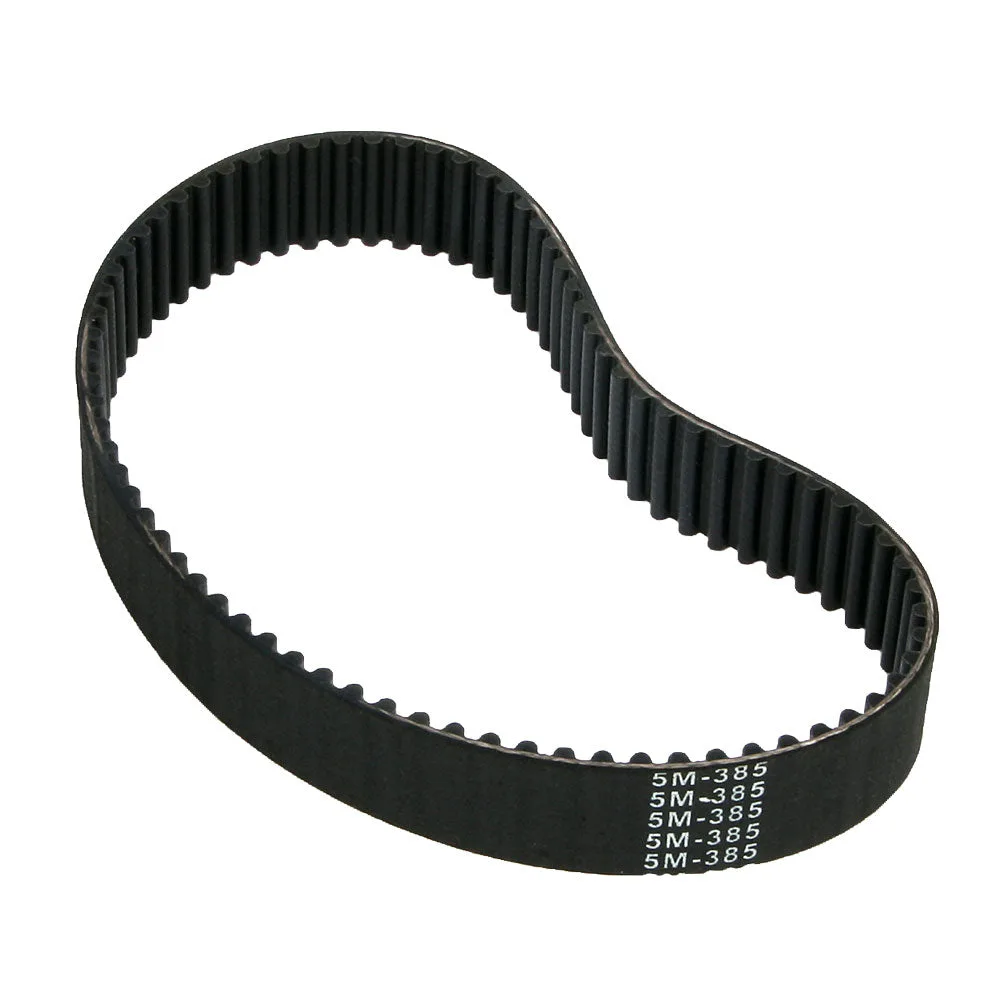
Belt, Timing Bench Mill