Quick answer
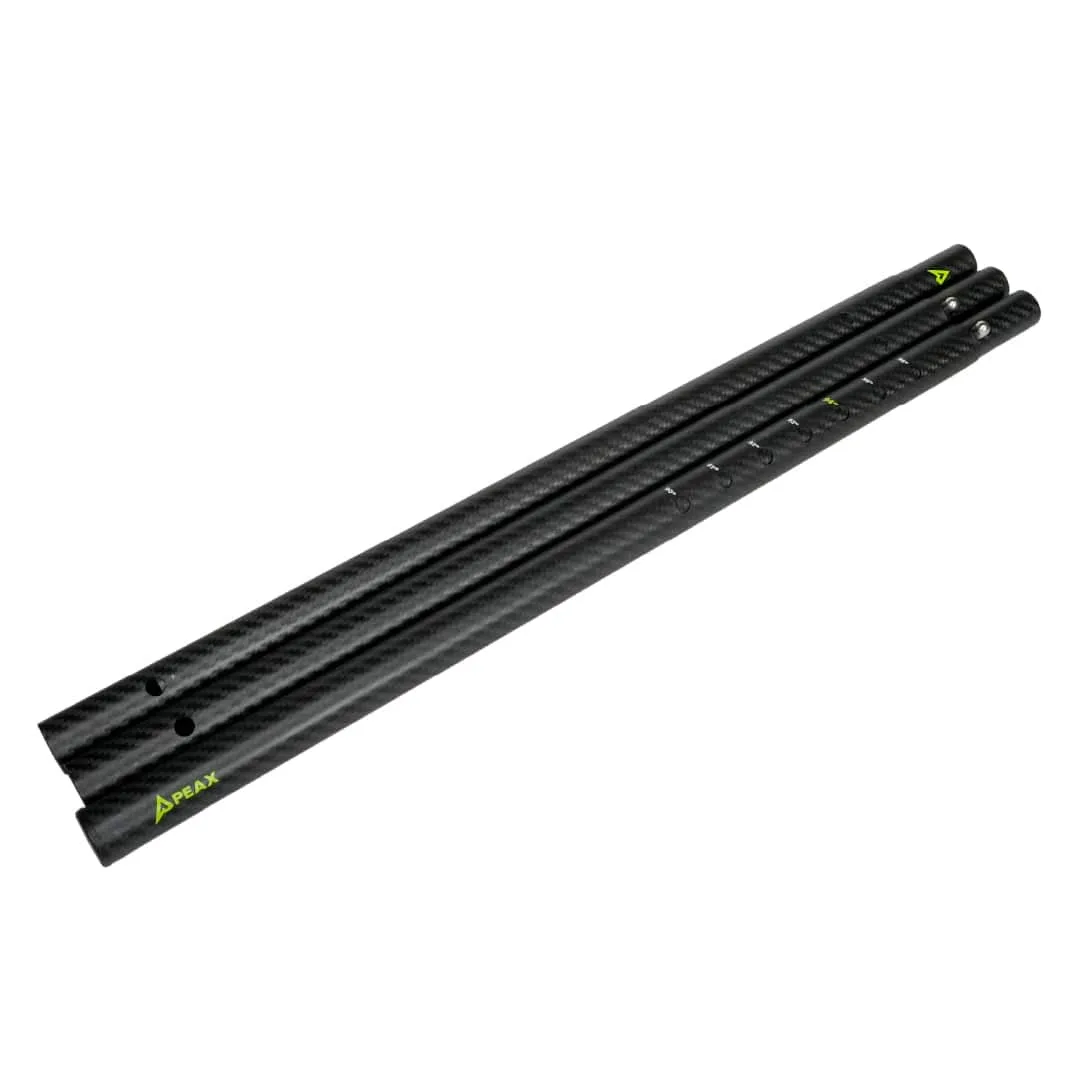
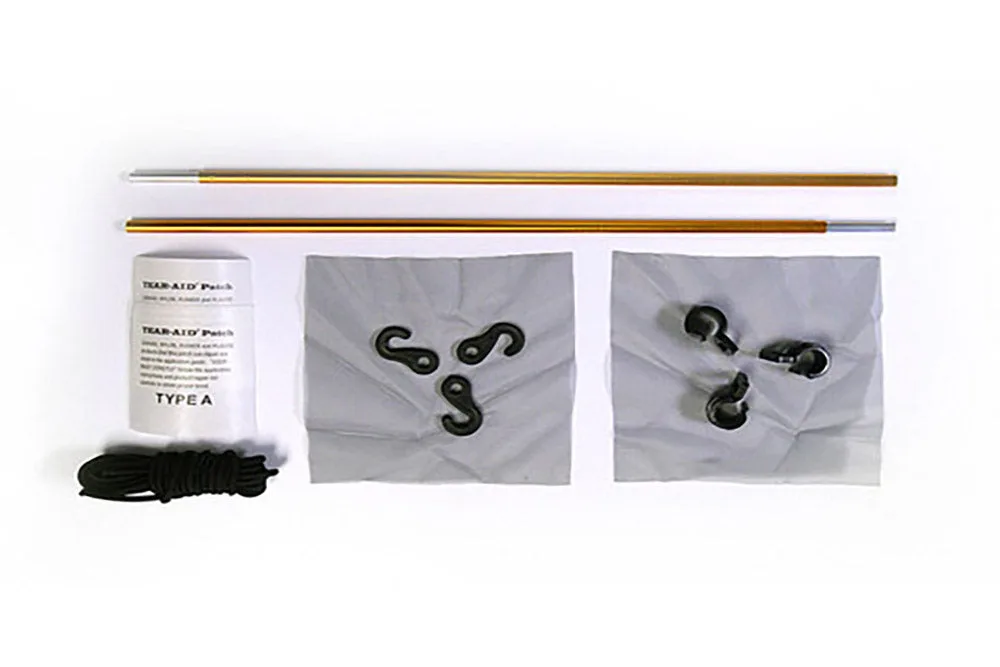
If your center pole is bent, cracked, or has lost its shock cord, replace it rather than risk a mid-hunt failure. For a lightweight, durable option, the SOLITUDE 6 TIPI CARBON CENTER POLE REPLACEMENT weighs just 11.2 ounces and adjusts from 90 to 96 inches. For field repairs, carry a splint kit and spare cord; if the damage is severe, a new pole is the safer choice.
Symptom: The pole won't stay extended or collapses under load
When a center pole collapses or refuses to lock, the cause is usually a worn or broken shock cord, a bent ferrule, or a cracked section. Inspect each joint for straightness and check that the cord still pulls the sections together firmly. If the cord is stretched or snapped, you can re-cord the pole with a replacement shock cord kit. If a section is visibly bent or cracked, replacement is the reliable fix.
Symptom: The pole is bent but not broken
A slightly bent aluminum pole can sometimes be straightened by hand, but it will be weaker and may fail again. Carbon poles should never be bent back; they can splinter. If the bend is minor and the pole still fits together, you can use it as a backup, but for a primary shelter, replace it. For a carbon replacement that is both light and strong, consider the SOLITUDE 6 TIPI CARBON CENTER POLE REPLACEMENT, which is designed for the Solitude 6 tipi and weighs 11.2 ounces.
Symptom: The pole is stuck and won't come apart
Stuck ferrules often result from dirt, sand, or corrosion. Try twisting while pulling, or use a small amount of silicone spray. If the pole is stuck due to a bent section, forcing it can cause further damage. In that case, it's better to replace the pole. Regular cleaning and drying before storage prevents this issue.
Symptom: The pole is too short or too tall for your tipi
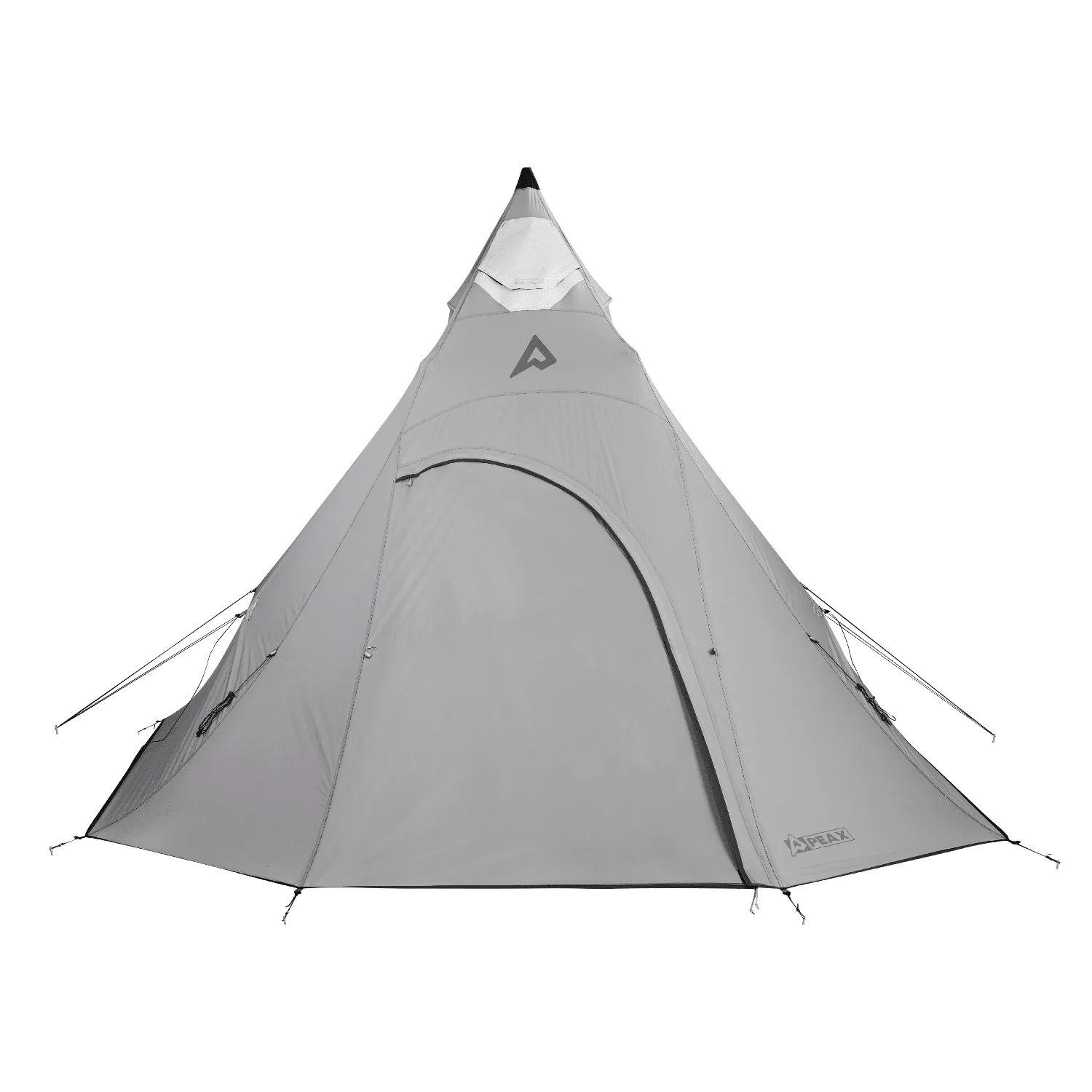
If your pole doesn't match your shelter's height, you may need an adjustable pole. The SOLITUDE 6 TIPI CARBON CENTER POLE REPLACEMENT adjusts between 90 and 96 inches, which fits the Solitude 6 tipi. Using a pole that is too short can cause the shelter to sag; too tall can stress the fabric. Always check the pole length against your tipi's specifications.
Carbon vs aluminum: which replacement is right for you?
Carbon poles are lighter and stiffer, which reduces pack weight and improves stability in wind. They are also more expensive and can fail suddenly if damaged. Aluminum poles are heavier but more forgiving and can sometimes be field-repaired. For backcountry hunting where every ounce counts, carbon is often preferred. The SOLITUDE 6 TIPI CARBON CENTER POLE REPLACEMENT is a carbon option that balances weight and durability. If you already own a Solitude tipi, note that each Solitude Tipi comes with a Carbon Center Pole included; this is a replacement option.
Diagnosis and action guide
- Shock cord failure: The cord is stretched, frayed, or broken, so sections don't stay together. Replace the shock cord if the pole sections are otherwise intact. If the pole is old or frequently fails, consider a new pole.
- Bent or cracked section: A section is visibly bent or has a crack, especially in carbon. Replace the pole. Do not attempt to straighten carbon; aluminum can be temporarily straightened but will be weakened.
- Stuck ferrules: Sections won't separate due to dirt or minor corrosion. Clean and lubricate. If stuck due to damage, replace the pole.
- Wrong length: The pole doesn't match your tipi's height, causing sag or stress. Choose an adjustable pole like the SOLITUDE 6 TIPI CARBON CENTER POLE REPLACEMENT (90-96 inches) if it fits your shelter.
Product facts
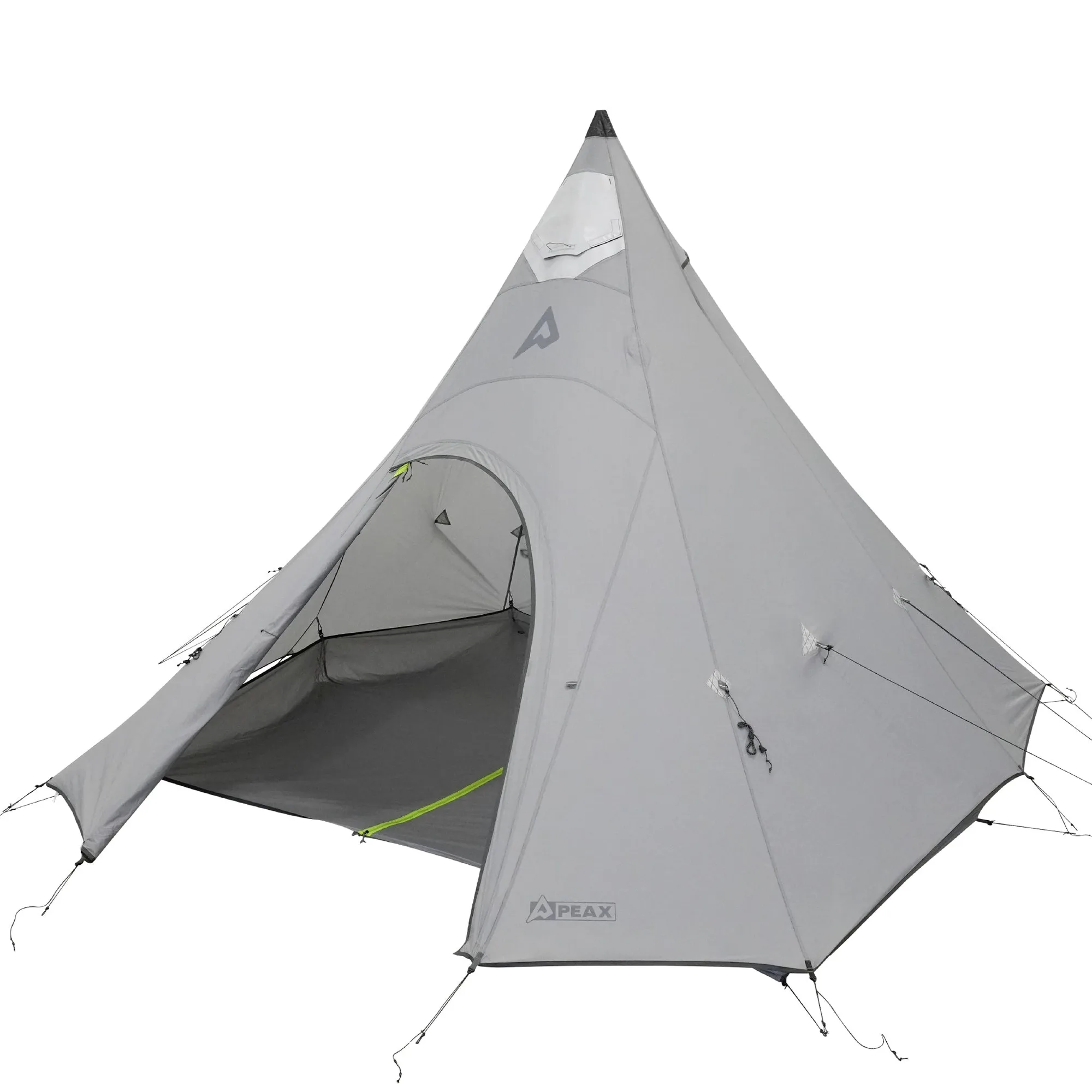
- SOLITUDE 6 TIPI CARBON CENTER POLE REPLACEMENT: The Solitude 6 tipi's Carbon Center Pole is a lightweight, durable solution for your outdoor shelter needs. Weighing just 11.2 ounces and adjustable between 90 to 96 inches, it's stable and easy to use. *NOTE - Each Solitude Tipi comes with a Carbon Center Pole included. This is a replacement option. This pole is a direct replacement for the Solitude 6 tipi, offering a lightweight and adjustable solution that maintains the shelter's intended performance.