Quick answer
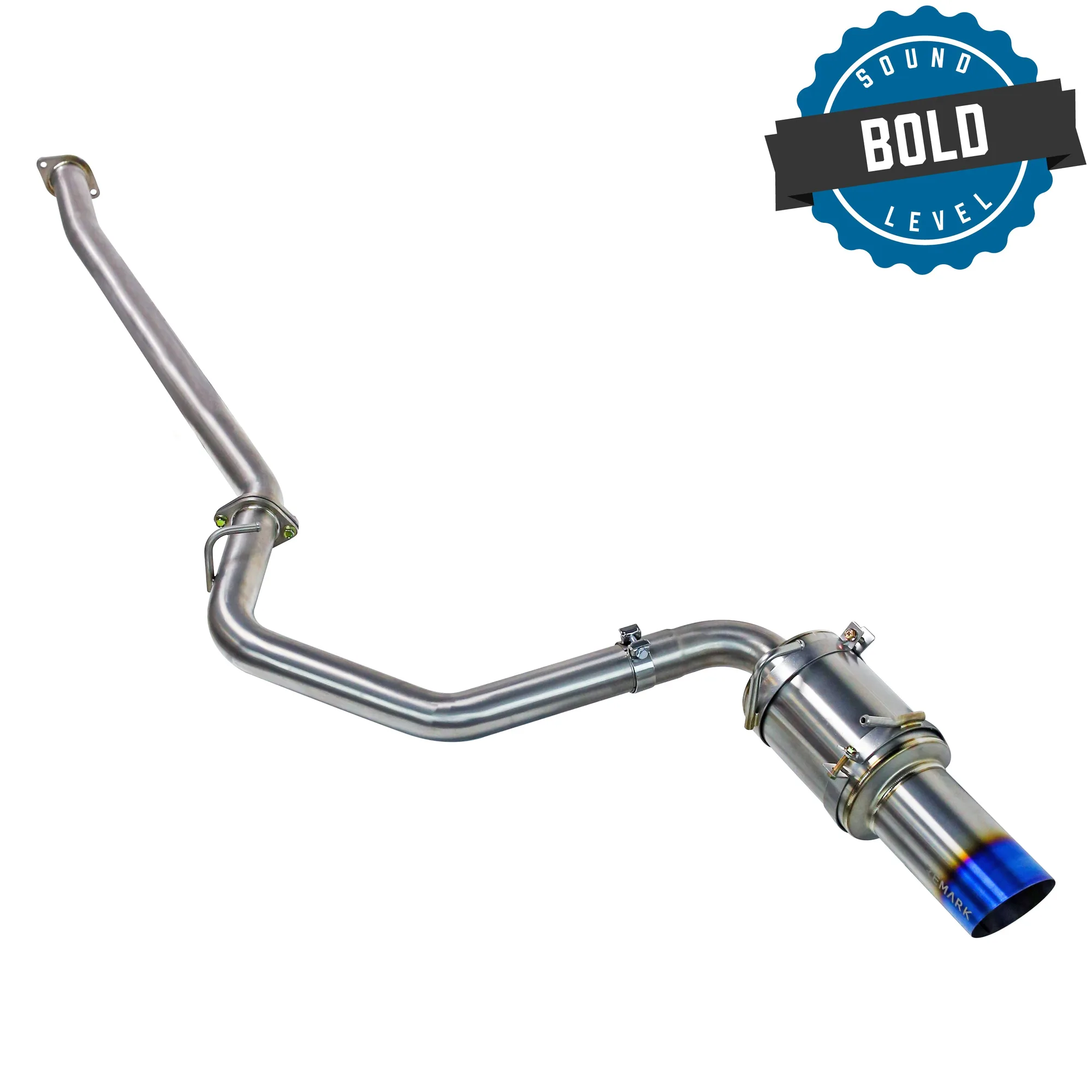
Treat a titanium exhaust like a thin, heat-cycled metal part, not a chrome bumper. Let it cool fully, wash it with pH-neutral soap and a soft mitt, rinse and dry it, and inspect the flanges, hangers, and valve area at every service. Titanium heat discoloration is a normal oxide layer, not rust, so don't grind it off. For a titanium catback like the R1-Spec Full Titanium Catback for the GR86/BRZ, this simple routine protects the finish and the welds.
Why titanium needs a different care routine
Titanium is lighter than stainless steel and reacts to heat by forming a thin oxide layer that shows up as gold, purple, or blue. That color is part of the metal's character, not damage, and it will keep shifting with hard driving. The practical consequence is that abrasive polishes and aggressive wheel cleaners work against you: they strip the oxide unevenly and can leave a blotchy finish. Titanium also conducts heat differently and is more sensitive to sharp temperature swings, so the biggest risks are thermal shock and contaminated wash water, not normal road grime.
What you need before you start
Keep the kit simple: a pH-neutral car soap, two buckets, a soft microfiber wash mitt, a dedicated exhaust or wheel brush, a microfiber drying towel, and a silicone-based dressing or metal sealant if you want easier cleanup. Avoid acid-based wheel cleaners, chrome polish, and abrasive pads. If your system has a valve or a front pipe connection, a flashlight and a small wire brush for the flange bolts are useful.
How to handle heat discoloration
Titanium exhaust heat discoloration is expected on any system that sees track time or repeated high-load driving. The color band usually starts near the header or front pipe and moves rearward. If you want a more uniform look, clean the surface first and leave it alone; polishing will not restore a raw titanium color and can thin the oxide layer unevenly. If a section looks dark brown or crusty rather than colored, that is usually baked-on oil or rubber, not the metal itself, and it needs a proper wash rather than abrasion.
Seasonal checks for a titanium catback
Twice a year, get under the car and look at the flange bolts, hanger bushings, and any valve actuator or spring. Winter salt and brine collect in those areas and cause more long-term trouble than the visible tip ever will. Check that the system still has clearance from the chassis and heat shields, and that no hanger has stretched or cracked. If you drive a car with a valve-equipped system, cycle the valve open and closed after cleaning to make sure it is not sticking.
When to leave it to a professional
If you find a cracked weld, a leaking flange gasket, or a valve that no longer moves freely, stop and have a fabricator or exhaust shop look at it. Titanium welding needs the right filler and shielding gas, so a generic MIG repair can make the problem worse. The same applies if a section has been crushed or scraped hard enough to change the piping shape; a replacement section is usually more reliable than trying to bend titanium back into place.
Titanium exhaust care steps
- Let the exhaust cool completely: Park, shut off the engine, and wait at least 30 minutes before touching any part of the system. Titanium holds heat and a cold-water splash on a hot tip can warp thin piping or crack a weld. Checkpoint: the tip should be cool enough to hold your bare hand on for a few seconds.
- Rinse loose dirt before washing: Use a hose or pressure washer on a wide fan to flush road grit from the tip and muffler canister. Scrubbing dry grit into titanium is the fastest way to create fine scratches. Mistake to avoid: blasting the flange gasket area directly with a narrow jet, which can push water into the joint.
- Wash with pH-neutral soap and a soft mitt: Use a separate bucket and a microfiber mitt or dedicated exhaust brush. Work from the tip forward, and use a soft brush for the muffler canister and hanger rods. Mistake to avoid: acid-based wheel cleaner, which etches titanium and leaves streaks.
- Rinse and dry immediately: Flush all soap residue, then dry the tip, canister, and flanges with a clean microfiber towel. Leaving water to air-dry invites mineral spots that are harder to remove later. Checkpoint: no soap film or water spots on the tip after drying.
- Clean burnt blue tips gently: For a burnt finish tip, use the same pH-neutral soap and a soft cloth. Do not use metal polish or abrasive pads; the blue and gold color is part of the finish and will not come back once it is polished off. Mistake to avoid: treating burnt blue tip cleaning like chrome polishing.
- Inspect flanges, hangers, and valves: Once dry, check flange bolts for looseness, hanger bushings for cracks, and any valve for free movement. Look for dark soot trails around joints, which point to a leak. Checkpoint: all fasteners snug, no soot streaks, valve moves through its full range.
- Apply a light sealant if you want easier upkeep: A silicone-based metal sealant on the tip and canister can make the next wash faster, but skip it on the burnt finish if you want to preserve the raw color shift. Reapply every few months. Mistake to avoid: sealing over dirt or soot, which traps contaminants against the metal.
Product facts that affect care
- R1-Spec Full Titanium Catback Exhaust - Toyota GR86 / Subaru BRZ [2022+]: Single-exit full titanium catback with 2.5-inch mandrel-bent piping, a high-flow straight-through muffler, and a 4.5-inch slant-cut tip, available with or without a resonator. The thin titanium piping and straight-through muffler reward gentle washing and regular flange checks; the resonator option changes the sound but not the cleaning routine.
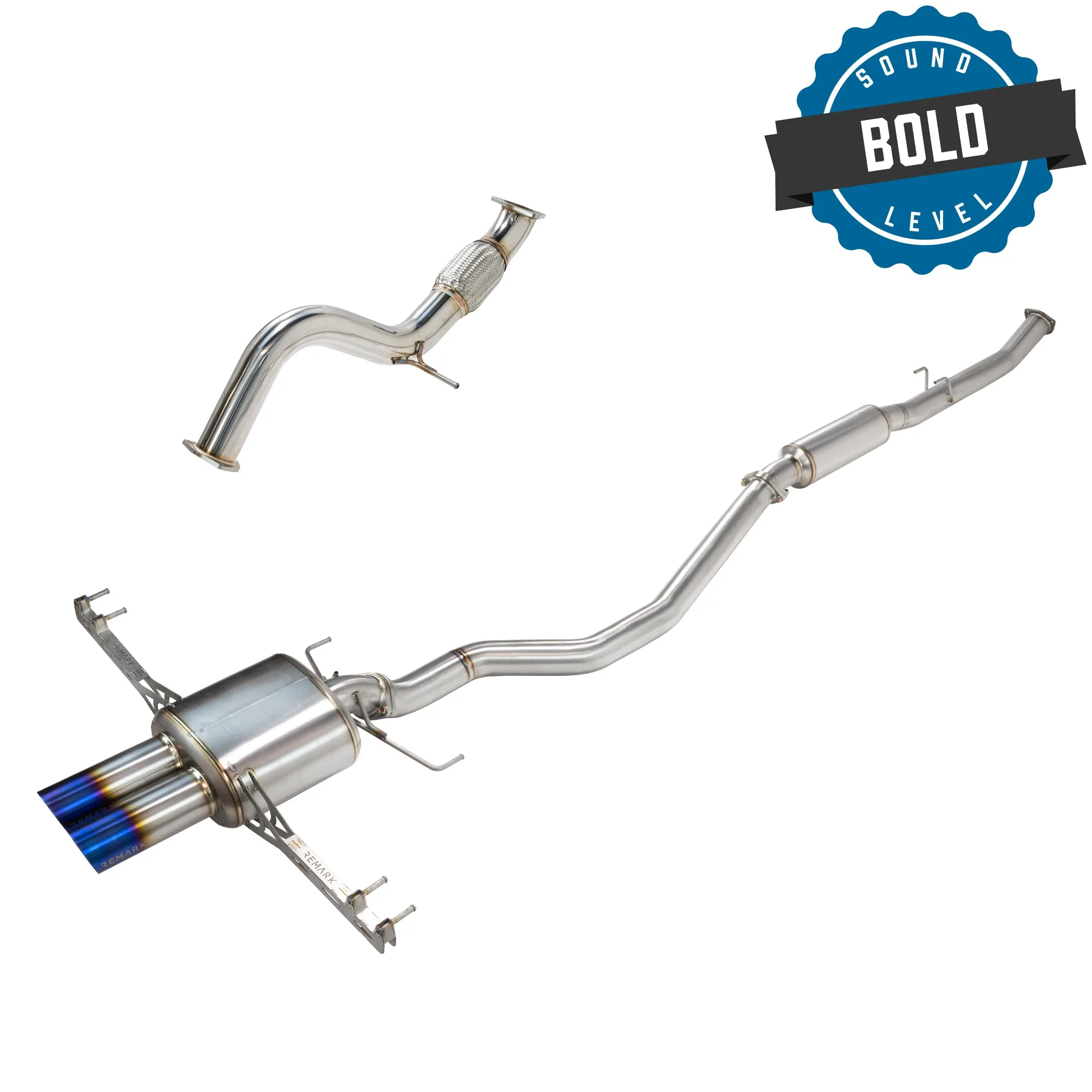
- Sports Touring Catback in Titanium + SUS304 Front Pipe - Honda Civic Type R FL5 [2023+]: True 3-inch GR2 titanium exhaust for the Civic Type R FL5 with a 304 stainless steel front over pipe and dual 3.5-inch burnt finish tips. The burnt finish tips are a factory look, not dirt, so don't polish them back to bare metal; the stainless front pipe can be cleaned with the same pH-neutral soap as the titanium sections.