Why Straw Cups Leak and What You Can Do
A leaking straw cup can turn a peaceful car ride into a sticky mess. The good news is that many common leaks have simple fixes. The Munchkin Any Angle Weighted Straw Cup is designed to be spill-proof, but understanding how its features work can help you troubleshoot when things go wrong.
This guide covers the typical causes of straw cup leaks and practical steps to resolve them, so you and your toddler can get back to mess-free drinking.
How the Any Angle Weighted Straw Cup Prevents Leaks
-
Any Angle™ Weighted Straw Dog Cup, 10oz: The secure Click Lock™ lid means no more messes at home or in the car! The Click Lock lid is the primary defense against spills. If the cup is leaking, checking that this lid is fully closed and undamaged is the first step.
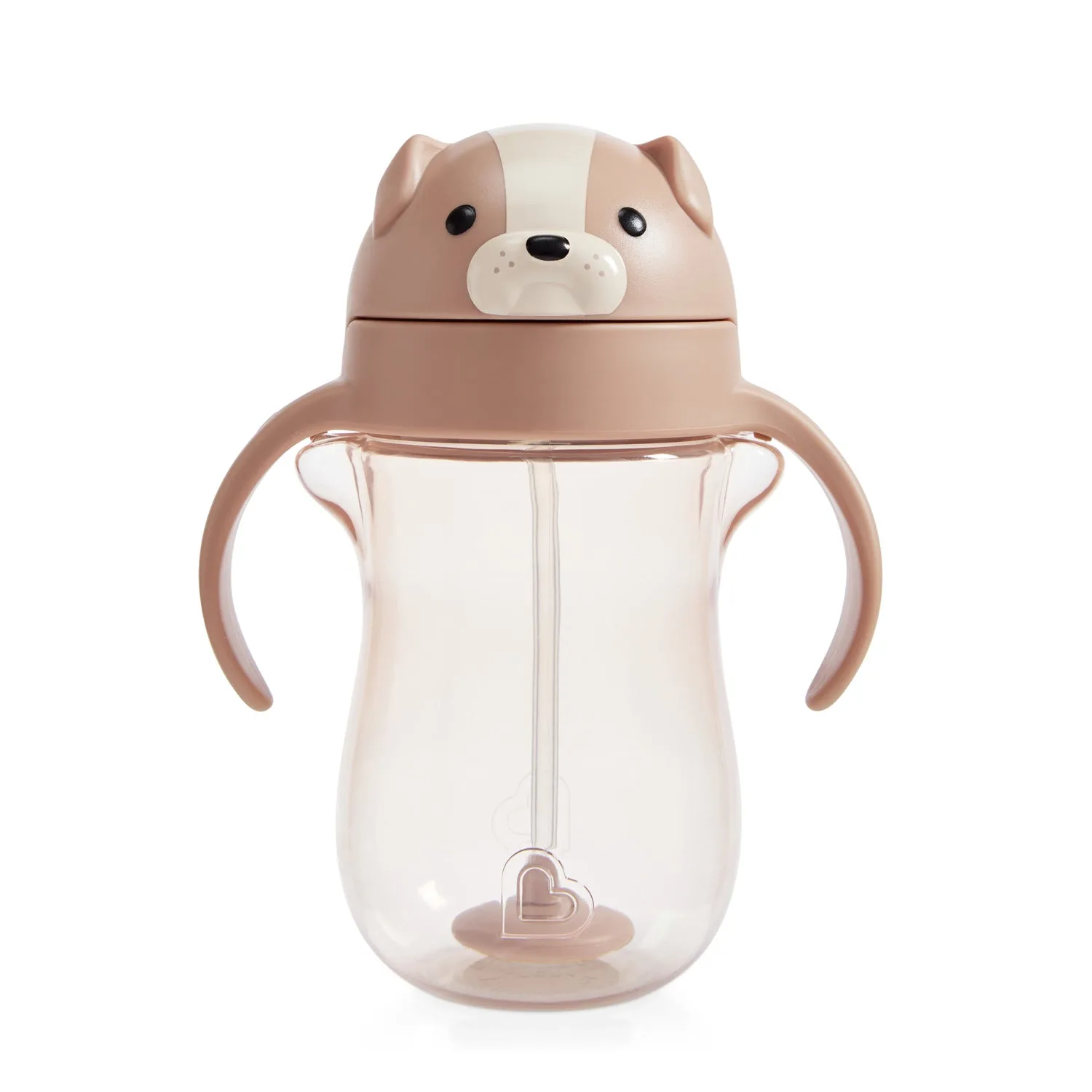
Any Angle™ Weighted Straw Dog Cup, 10oz
-
Any Angle™ Weighted Straw Dog Cup, 10oz: This weighted straw cup delivers every last drop, no matter how little ones hold it. The weighted straw allows the cup to be tilted at any angle, reducing the chance of air entering the straw and causing dribbles. However, if the straw is not properly seated, even this design can leak.
Troubleshooting Common Leak Causes
Follow these steps to identify and fix the most frequent reasons for straw cup leaks.
- Check the Click Lock lid seal: Ensure the lid is fully snapped into place. A partially closed lid is a common cause of leaks. Listen for the click and gently tug to confirm it's secure.
- Inspect the straw and valve: Remove the straw and check for any damage, like cracks or splits. Also verify that the valve (if present) is clean and not stuck open. A damaged straw or valve can allow liquid to escape even with the lid closed.
- Assemble the cup correctly: After cleaning, reassemble the cup carefully. The straw must be fully pushed onto the lid's internal fitting. A loose straw can cause leaks around the lid or through the straw itself.
- Test with water only: Fill the cup with water, close it, and shake gently over a sink. This lets you see exactly where any leak originates without the mess of juice or milk.
When Leaks Are Not a Design Flaw
Sometimes a cup leaks because of how it's used, not because it's broken. For example, if your toddler chews on the straw, it can develop small holes that cause drips. Similarly, leaving the cup in a hot car can increase pressure inside and force liquid out through the straw.
Regular maintenance helps prevent these issues. Rinse the cup after each use and wash all parts according to the manufacturer's instructions. Replace any worn or damaged components promptly.